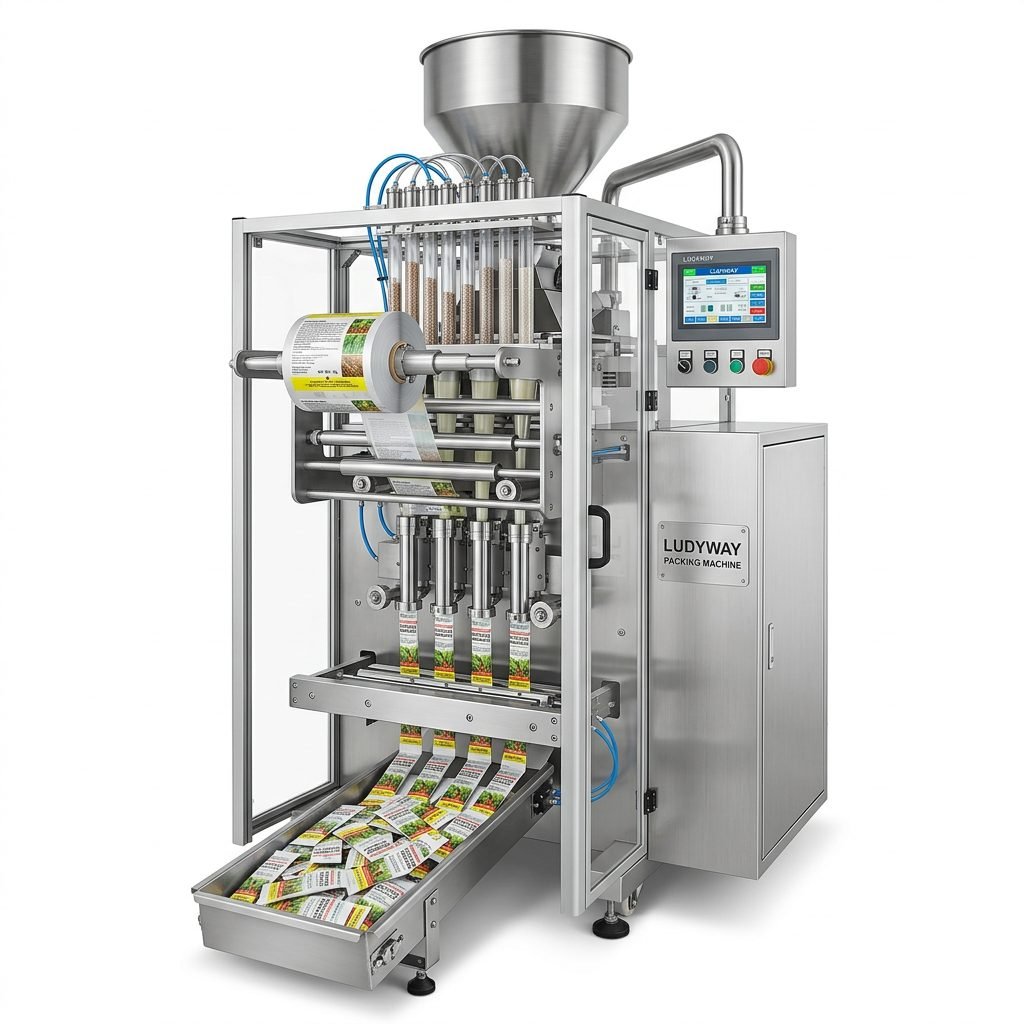
In the fast-paced world of packaging, efficiency, accuracy, and product protection are paramount. Blister pack packaging machines stand as a critical technology for industries ranging from pharmaceuticals and healthcare to consumer goods and electronics. These machines automate the process of forming, filling, and sealing products into clear, thermoformed plastic cavities, offering superior visibility, tamper evidence, and unit-dose convenience. This comprehensive guide delves into the types, working principles, and essential factors for selecting the right blister packaging machine for your production needs.
Understanding Blister Pack Packaging Machines
A blister pack packaging machine automates the creation of a “blister” – a pre-formed plastic pocket – places a product inside, and seals it with a backing material, typically foil or card. This process is vital for maintaining product integrity, hygiene, and shelf appeal. The automation provided by these machines significantly increases output, reduces labor costs, and minimizes human error compared to manual packaging.
Key Advantage: Blister packaging provides excellent barrier properties against moisture, oxygen, and contaminants, making it ideal for sensitive products like tablets, capsules, and medical devices.
Core Components of a Blister Line
A standard blister packaging machine integrates several key stations:
- Unwinding & Heating Station: A roll of thermoplastic film (like PVC, PVDC, or Aclar) is fed and heated to a pliable state.
- Forming Station: The softened film is drawn into molds using either thermoforming (heat and pressure/vacuum) or cold forming (mechanical stamping) to create the blister cavities.
- Product Feeding & Loading: Products are precisely counted and deposited into the formed cavities via vibratory feeders, robotic pick-and-place systems, or manual loading stations.
- Sealing Station: A lidding material (aluminum foil, paper/foil laminate) is placed over the filled blisters and sealed using heat and pressure.
- Punching & Cutting Station: The sealed blister sheet is die-cut into individual blister cards or strips.
Primary Types of Blister Packaging Machines
Choosing the right type depends on your product characteristics, volume, and material requirements.
1. Thermoforming Blister Machines
These are the most common type. They use heat to soften a plastic film, which is then formed into cavities using a vacuum, pressure, or a combination of both. They are versatile, cost-effective for medium to high volumes, and suitable for a wide range of plastic films.
Best For: Pharmaceutical tablets/capsules, confectionery, small hardware items, and consumer goods where clarity and rigidity are important.
2. Cold Forming Blister Machines (Aluminum-Aluminum Blister)
This process uses a mechanically driven punch to cold-form an aluminum laminate into a cavity without applying heat. The resulting blister offers an exceptional barrier against moisture, oxygen, and light, superior to standard thermoformed plastics.
Best For: Highly sensitive pharmaceuticals, hygroscopic products, and items requiring the highest possible protection for extended shelf life.
3. Rotary vs. Intermittent Motion Machines
Rotary Machines: Operate with continuous motion, offering very high speeds and smooth operation, ideal for large-scale, single-product production runs.
Intermittent Motion Machines: Operate in a start-stop cycle. They are generally more flexible for changeovers, handle a wider variety of blister sizes and shapes, and are often chosen for mid-volume production or R&D settings.
How to Choose the Right Blister Machine Model
Selecting the optimal machine requires a careful analysis of your specific operational needs. Partnering with an experienced supplier like Ludyway Machinery, which brings over 30 years of industry expertise, can be invaluable in this process.
1. Assess Your Product and Materials
- Product Specifications: Size, shape, fragility, and electrostatic properties.
- Required Barrier Properties: Determine if you need standard plastic (PVC/PVDC) or high-barrier cold-form aluminum.
- Blister Design: Cavity count, size, and the type of lidding material (push-through foil, child-resistant, peelable).
2. Determine Production Requirements
Calculate your required output in blisters per minute (BPM) or packs per hour. Consider future growth to avoid under-capacity. Evaluate the need for flexibility—how often will you change product or blister format? High-changeover environments may prioritize intermittent motion machines.
3. Evaluate Machine Features and Automation Level
Look for features that enhance efficiency and quality control:
✔ Integrated Vision Inspection Systems: For 100% product count verification and defect detection.
✔ Advanced PLC Controls & HMI: For easy operation, recipe storage, and production data tracking.
✔ Quick-Change Tooling: Significantly reduces downtime during format changes.
✔ Compliance Features: Ensure the machine meets relevant industry standards (e.g., cGMP for pharmaceuticals, CE certification).
4. Consider Supplier Support and Service
The machine is a long-term investment. The supplier’s reputation for reliable after-sales service, availability of spare parts, and technical support is crucial. A supplier with a strong track record, like one with decades of experience in providing turnkey packaging solutions, will ensure your line remains productive for years.
5. Total Cost of Ownership (TCO)
Look beyond the initial purchase price. Factor in operational costs (energy, material waste), maintenance expenses, and the potential cost of downtime. A slightly higher initial investment in a robust, efficient machine from a reputable supplier often yields a lower TCO.
Frequently Asked Questions (FAQs)
Q1: What is the main difference between thermoforming and cold forming blister packaging?
A: Thermoforming uses heat to shape plastic film, offering clarity and cost-effectiveness. Cold forming mechanically shapes aluminum laminate without heat, providing a superior moisture and oxygen barrier for highly sensitive products.
Q2: What production speed can I expect from a blister machine?
A: Speeds vary widely based on machine type and blister size. Intermittent machines may range from 40-120 cycles/min, while high-speed rotary machines can exceed 300 cycles/min. The specific output depends on cavity count and product complexity.
Q3: How important is a vision inspection system on a blister line?
A: For industries like pharmaceuticals, it is critical. It ensures every blister cavity is correctly filled, detects missing or broken products, and verifies proper sealing, which is essential for patient safety and regulatory compliance.
Q4: Can one machine handle different blister sizes and products?
A: Yes, but flexibility comes with changeover time. Machines with quick-change tooling and recipe storage on the HMI allow for faster format switches. Your supplier should advise on the changeover complexity for your specific needs.
Q5: What should I look for in a blister machine supplier?
A: Prioritize proven industry experience, a strong portfolio of successful installations, comprehensive after-sales support (training, spare parts, service), and the ability to provide a customized solution rather than just a standard machine.