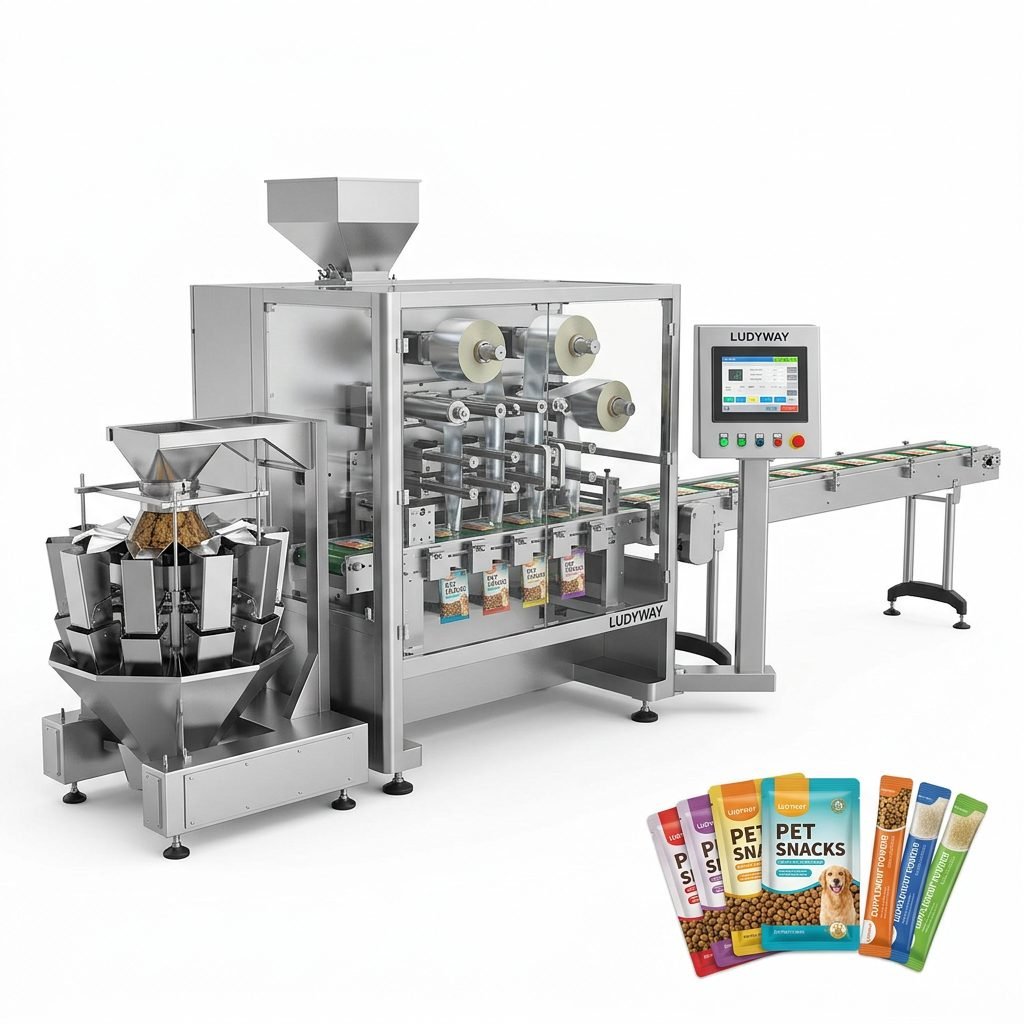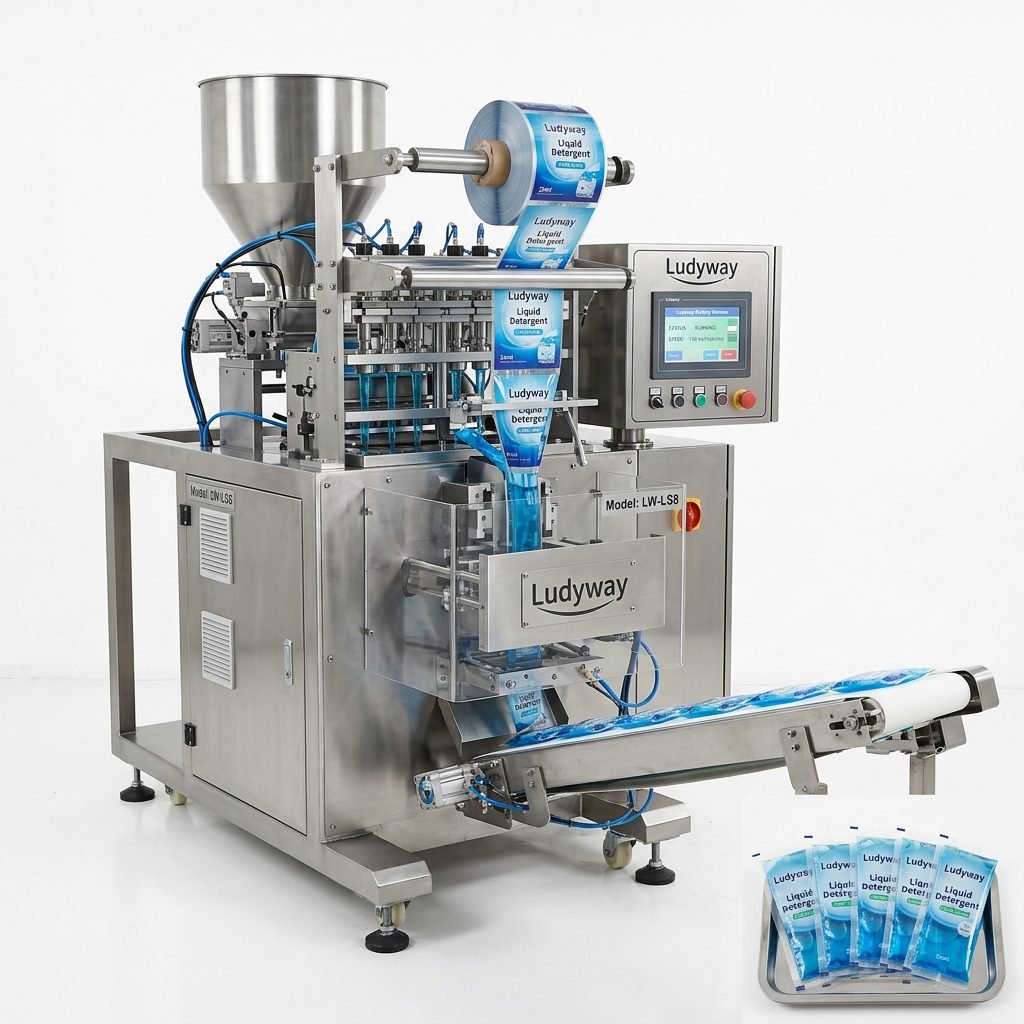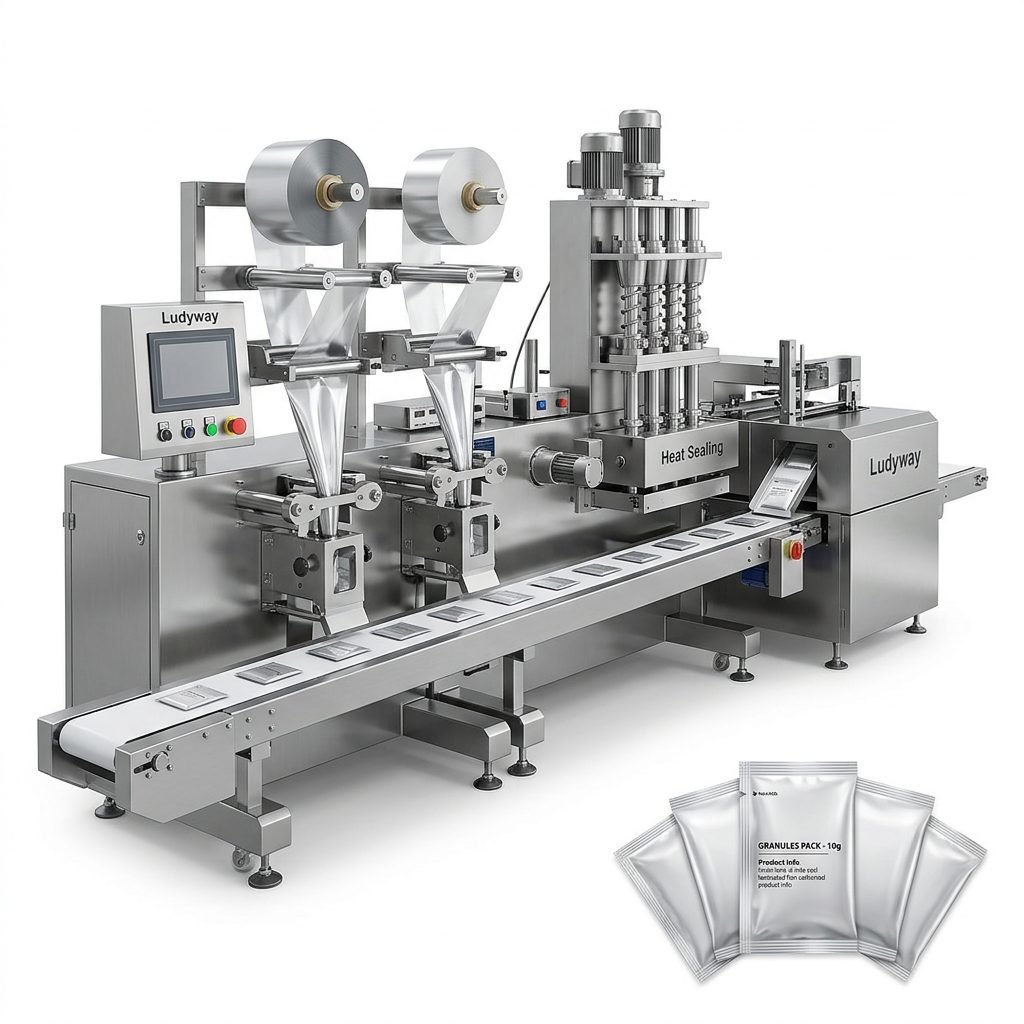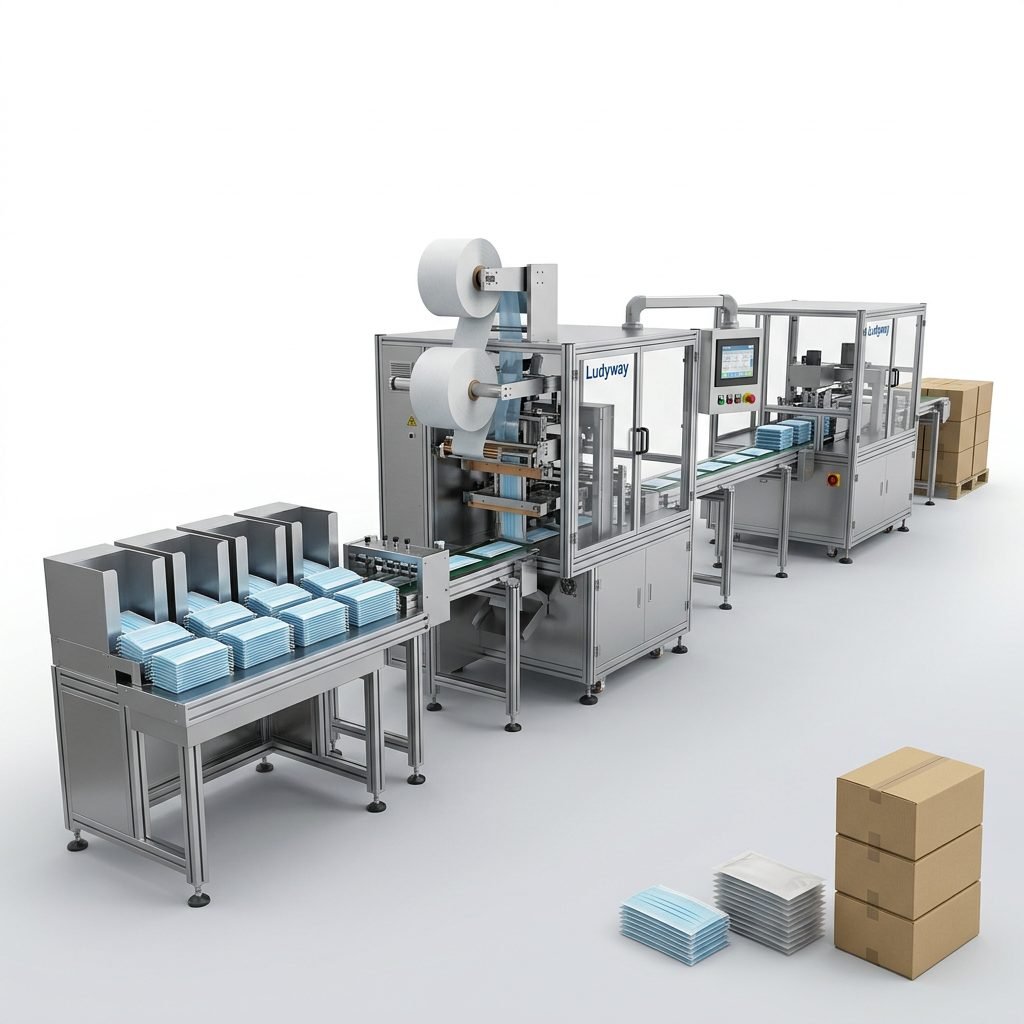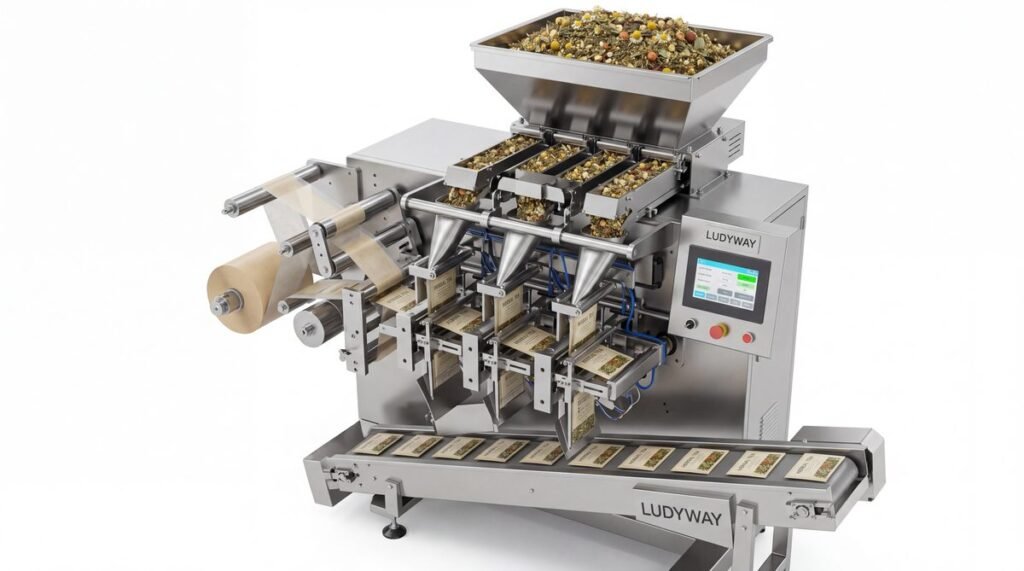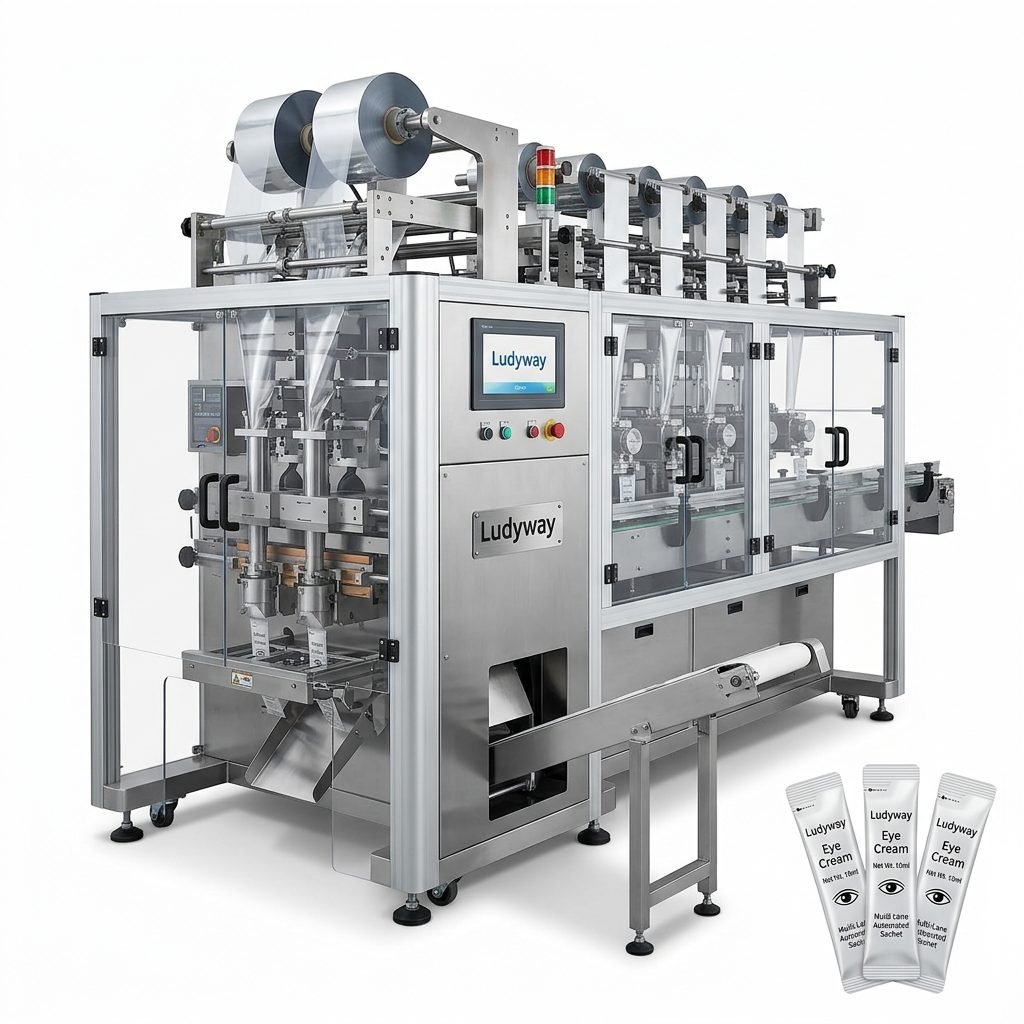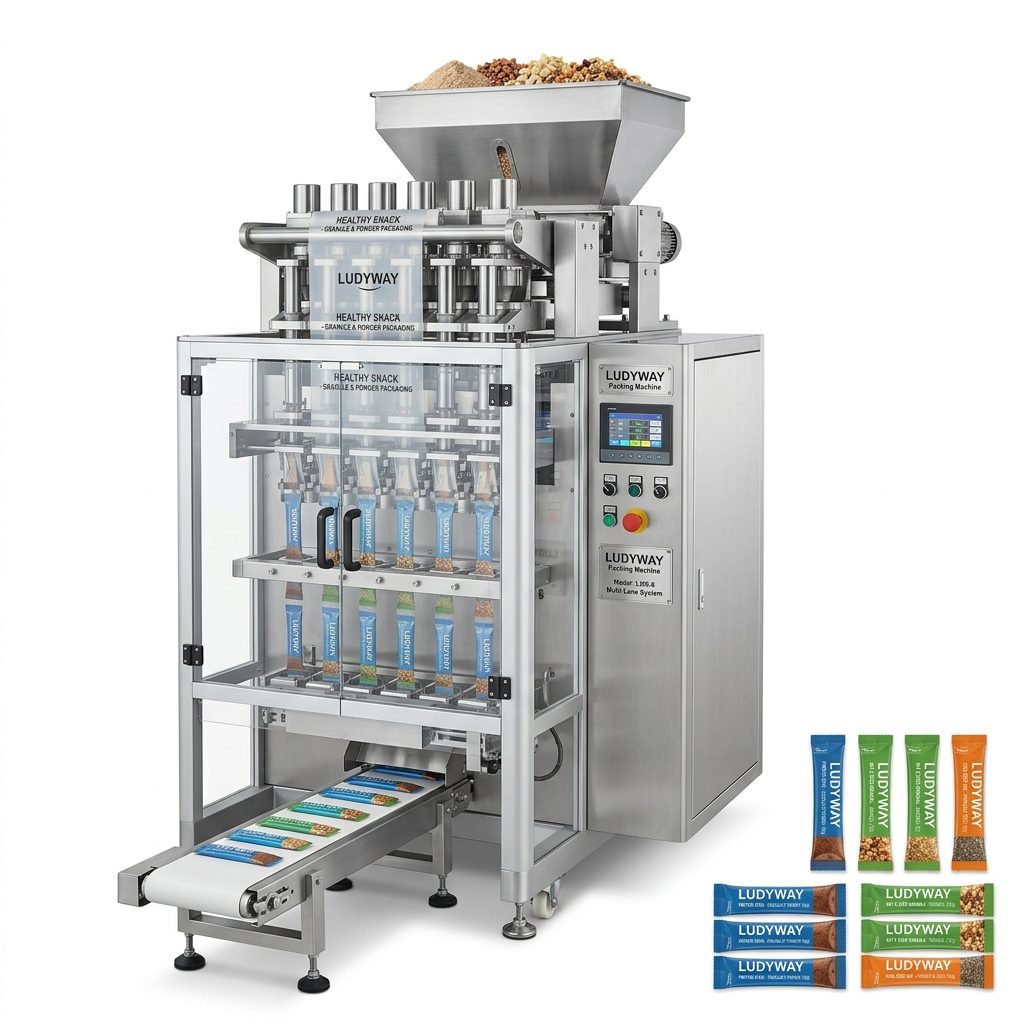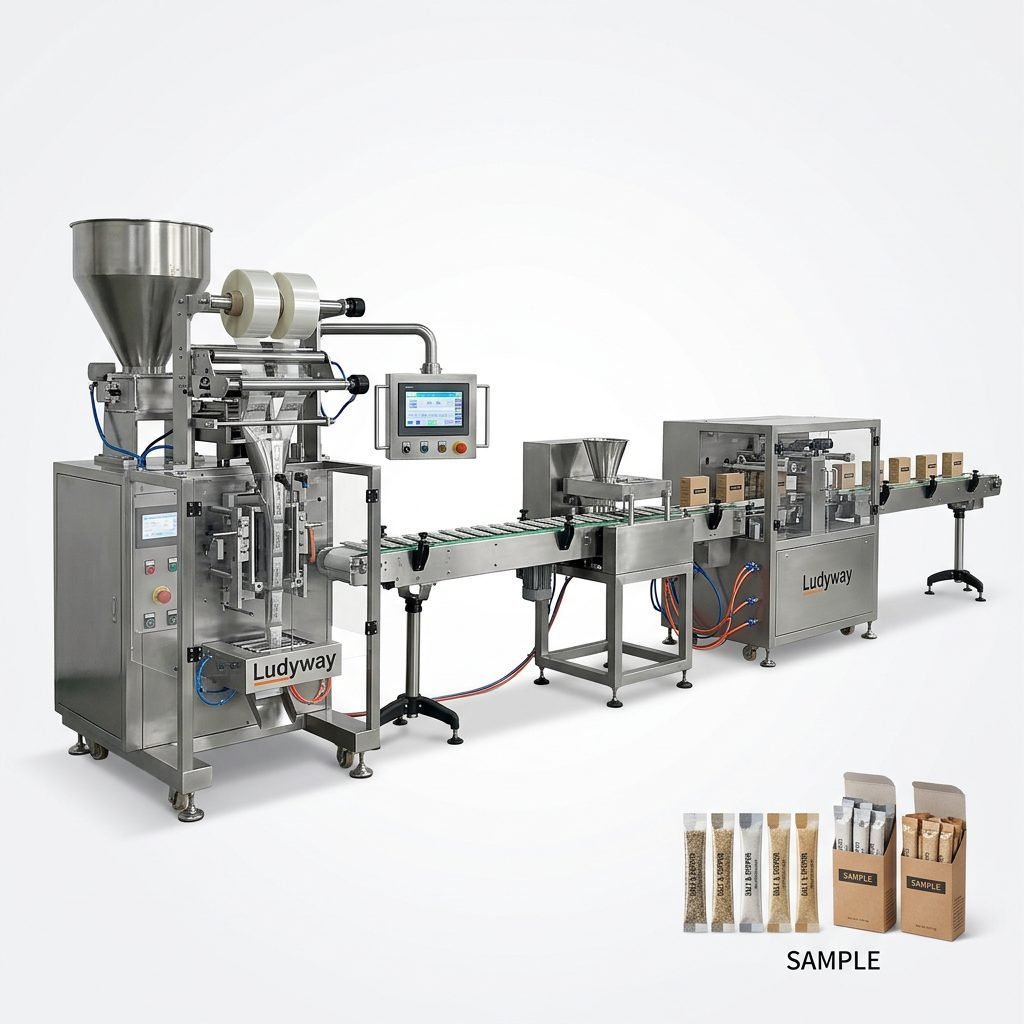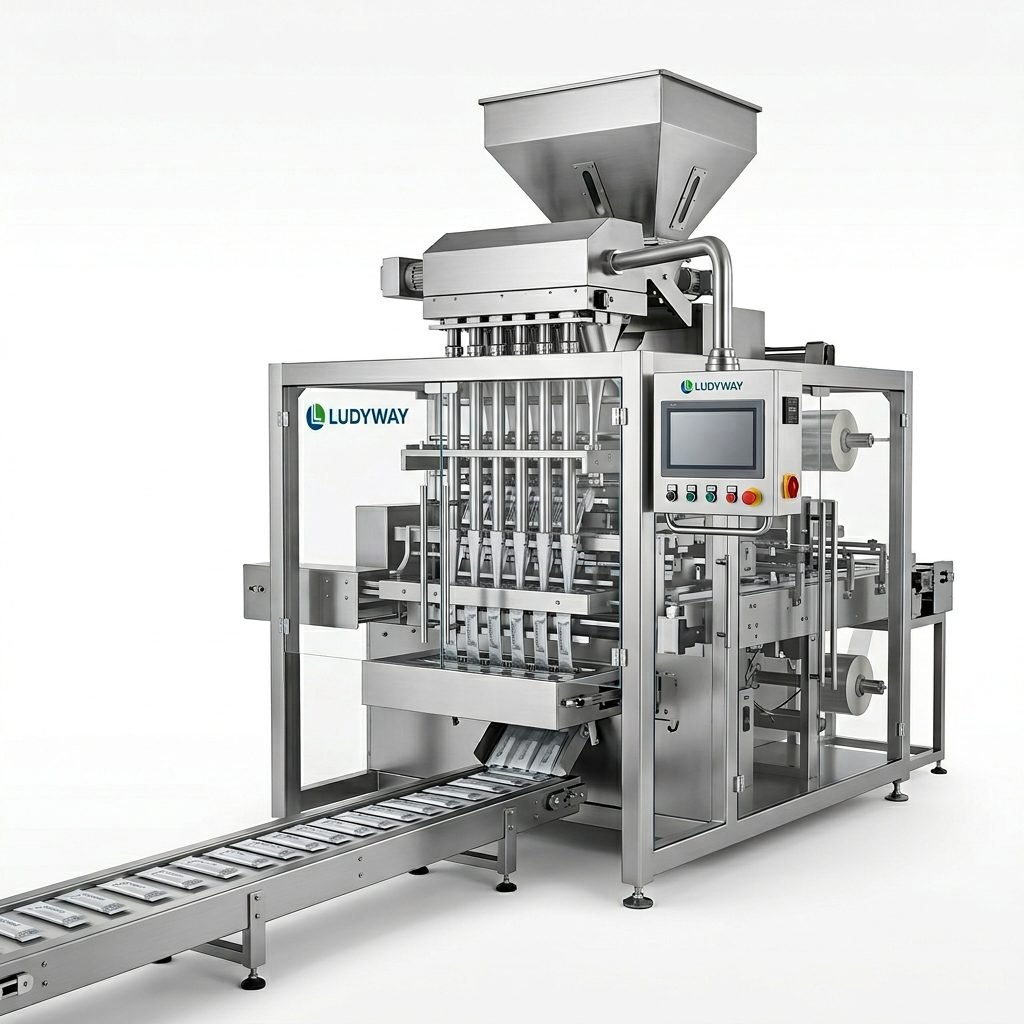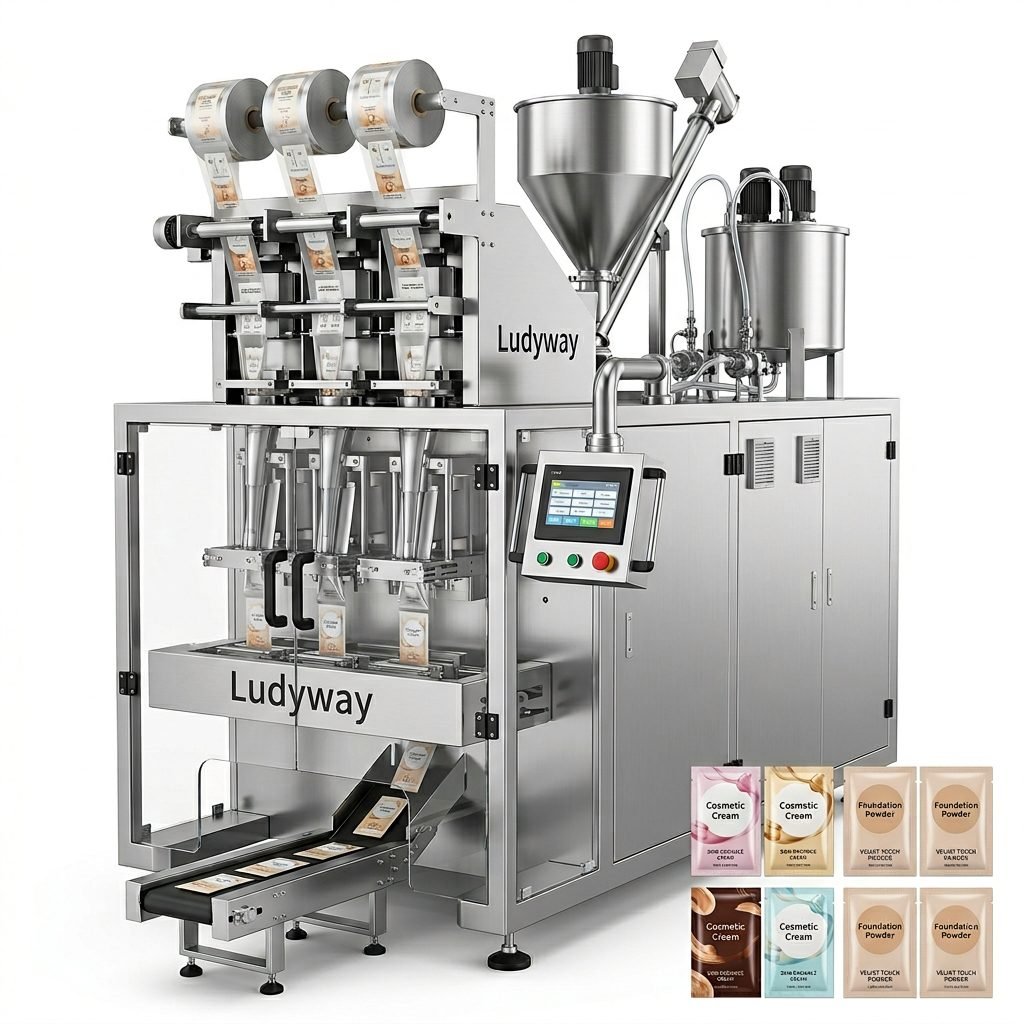
Investing in a tea and dry fruit vacuum packing machine is a strategic decision for businesses aiming to extend product shelf life, preserve aroma, and enhance market reach. The cost of these machines varies significantly based on automation level, production capacity, and technical specifications. Understanding the pricing landscape helps you make an informed purchasing decision that aligns with your operational needs and budget. According to the packaging machinery industry, global demand for advanced vacuum packaging solutions continues to rise as food safety standards become increasingly stringent worldwide.
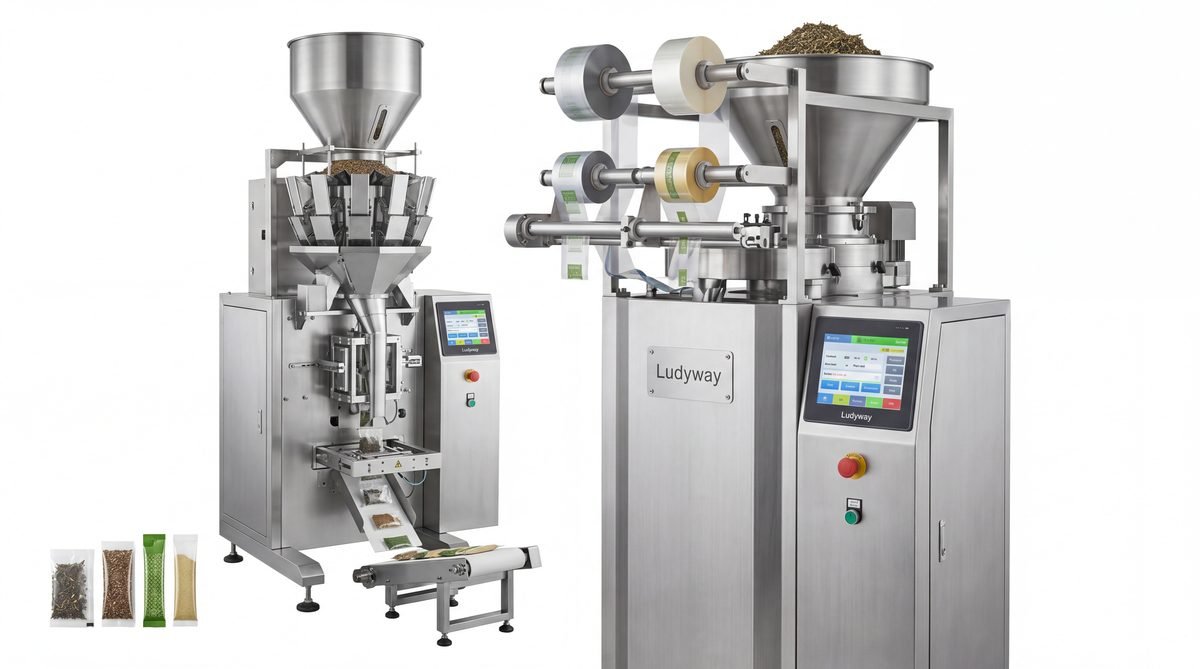
Key Factors That Influence Vacuum Packing Machine Pricing
Multiple variables determine the final cost of a vacuum packing machine. Below are the most critical factors you need to evaluate before requesting a quotation:
- Automation Level: Manual, semi-automatic, and fully automatic machines each carry different price points. Fully automated systems with integrated packaging technology naturally command higher investment.
- Production Capacity: Machines rated at 30–60 packs per minute cost significantly less than high-speed models capable of 120–200 packs per minute.
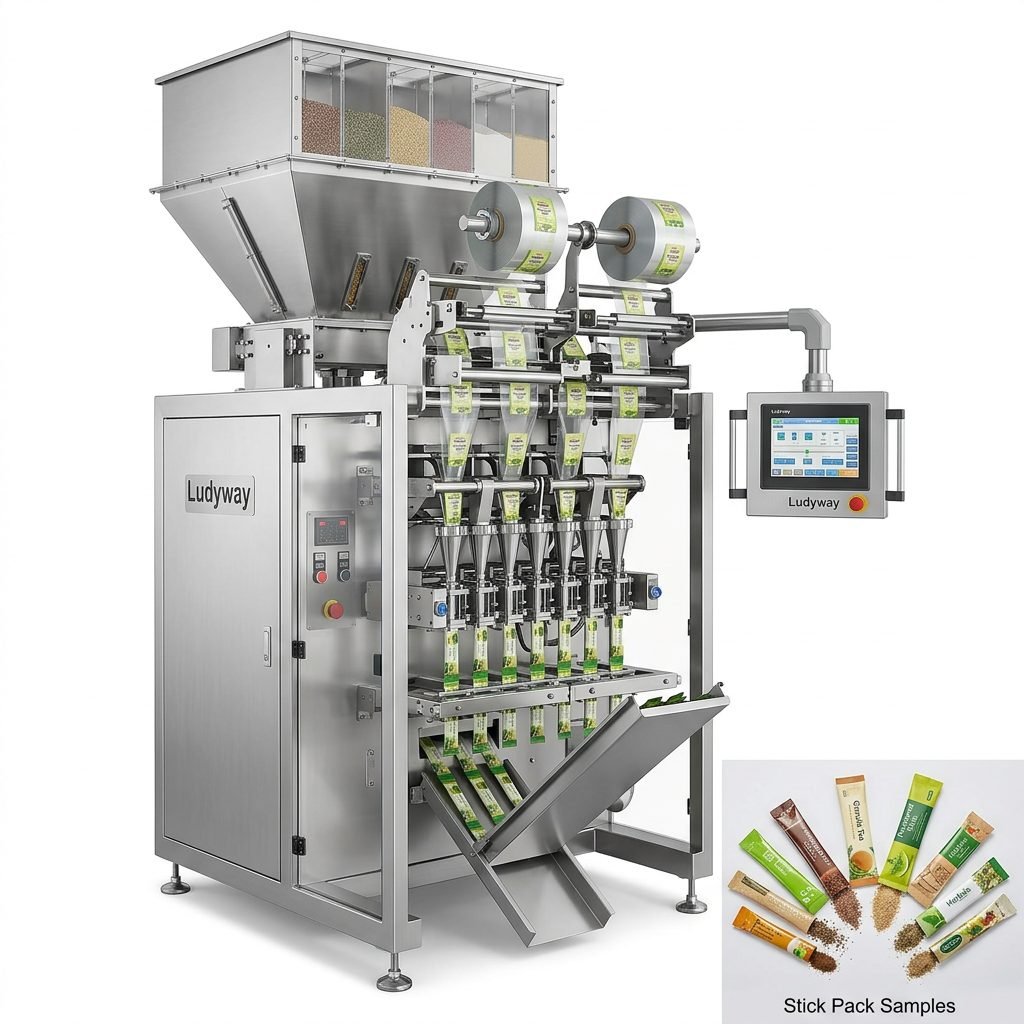
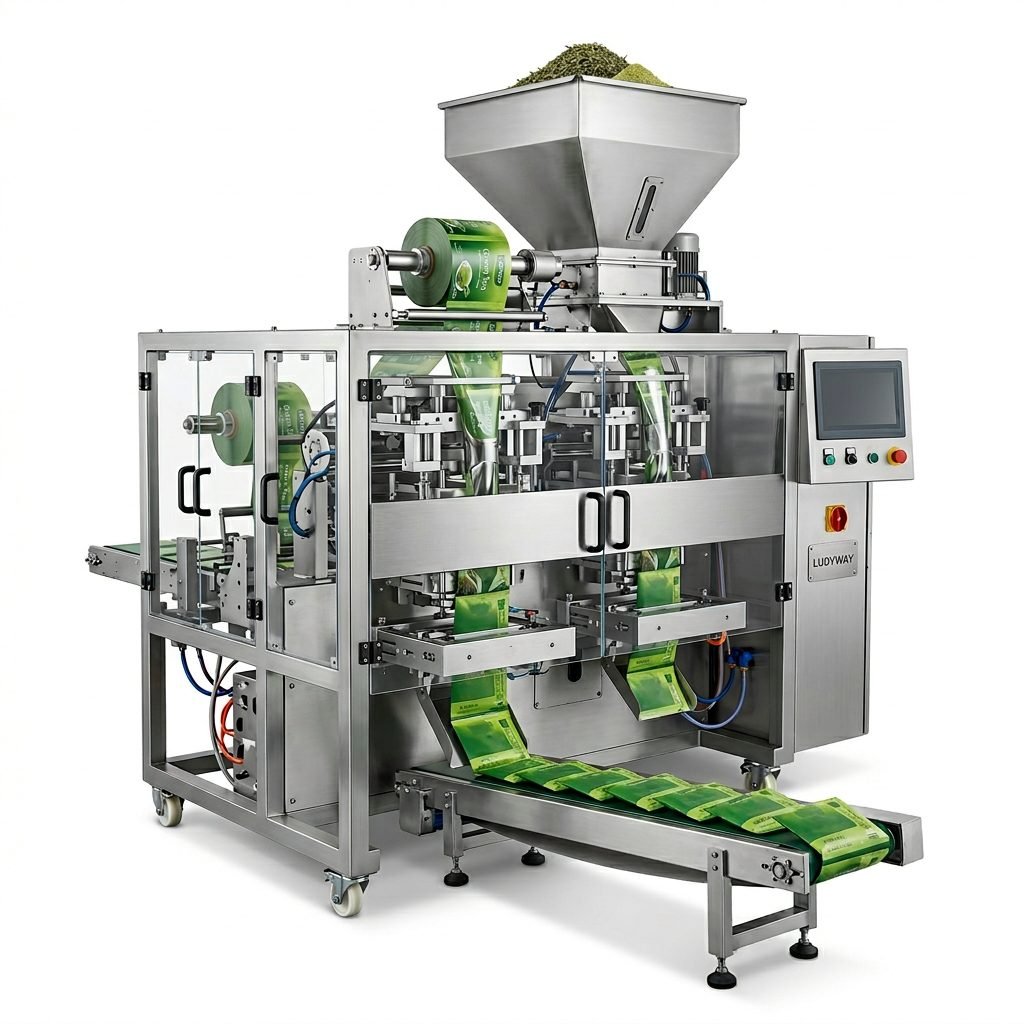
- Machine Configuration: Single-lane versus multi-lane systems affect pricing. Multi-lane stick pack and sachet machines offer higher output but require greater capital expenditure.
- Filling Mechanism: Auger fillers, volumetric cup fillers, and multi-head weighers each impact cost differently depending on precision requirements.
- Material Compatibility: Machines designed for both granular tea and irregularly shaped dry fruits need specialized feeding systems, which add to the overall cost.
- Vacuum System Type: External vacuum pumps versus built-in systems, as well as vacuum chamber configurations, influence both performance and price.
- After-Sales Support: Comprehensive warranties, installation services, and training packages contribute to the total investment but provide long-term operational reliability.
Estimated Price Ranges by Machine Type
The following table provides a general overview of current market prices for different categories of tea and dry fruit vacuum packing equipment. Actual quotations depend on custom configurations and optional features.
| Machine Type | Automation Level | Capacity Range | Estimated Price (USD) |
|---|---|---|---|
| Small Tabletop Vacuum Sealer | Manual / Semi-Auto | 5–15 packs/min | $2,000 – $8,000 |
| Single-Lane Sachet Vacuum Machine | Semi-Automatic | 20–40 packs/min | $10,000 – $25,000 |
| Multi-Lane Stick Pack Machine | Fully Automatic | 60–150 packs/min | $30,000 – $80,000 |
| High-Speed Multi-Lane System | Fully Automatic | 150–300 packs/min | $80,000 – $200,000 |
| Turnkey Complete Packaging Line | Fully Automatic + Integration | 300+ packs/min | $200,000 – $500,000+ |
Note: Prices are indicative and vary based on configuration, manufacturer, and regional factors. Always request a customized quotation for accurate pricing.

Why Invest in a Quality Vacuum Packing Machine for Tea and Dry Fruits?
Tea leaves and dry fruits are highly sensitive to moisture, oxygen, and light exposure. A vacuum packing machine removes air from the package before sealing, substantially reducing oxidation and preventing mold growth. The food packaging regulations set by authorities worldwide continue to emphasize the importance of proper sealing and contamination prevention. For tea producers, vacuum packing preserves delicate volatile compounds responsible for aroma and flavor. For dry fruit processors, it prevents texture degradation and extends shelf life by up to 12–18 months compared to conventional packaging methods.
Operational Benefits at a Glance
- Extended Shelf Life: Vacuum-sealed tea and dry fruits remain fresh for significantly longer periods, reducing waste and returns.
- Aroma Preservation: Premium teas retain their distinctive fragrance, which is a key selling point in competitive markets.
- Improved Hygiene: Sealed packaging prevents contamination during storage and transportation.
- Brand Premiumization: Vacuum-packed products convey quality and professionalism, allowing for higher retail pricing.
- Export Readiness: Properly vacuum-sealed goods meet international shipping standards and regulatory requirements.
How to Choose the Right Machine for Your Production Needs
Selecting the appropriate tea and dry fruit vacuum packing machine requires a systematic evaluation of your current and projected requirements. Follow this step-by-step approach to narrow down your options:
- Define Your Production Volume: Calculate your daily or hourly output targets. A small artisanal tea brand may only need 30–50 packs per minute, while a large-scale dry fruit exporter may require 200+ packs per minute.
- Identify Your Packaging Format: Determine whether you need sachet packs, stick packs, pillow pouches, or vacuum bags. Each format requires different machine configurations.
- Assess Product Characteristics: Tea granules, loose leaf tea, whole dried fruits, and powdered fruit mixes each behave differently during filling. Ensure the machine supports your specific product type.
- Evaluate Available Floor Space: Multi-lane systems and turnkey lines require substantial floor area. Confirm your facility can accommodate the equipment.
- Consider Future Scalability: Modular machines that allow lane additions or upgrades provide better long-term value than fixed-configuration systems.
Understanding Total Cost of Ownership
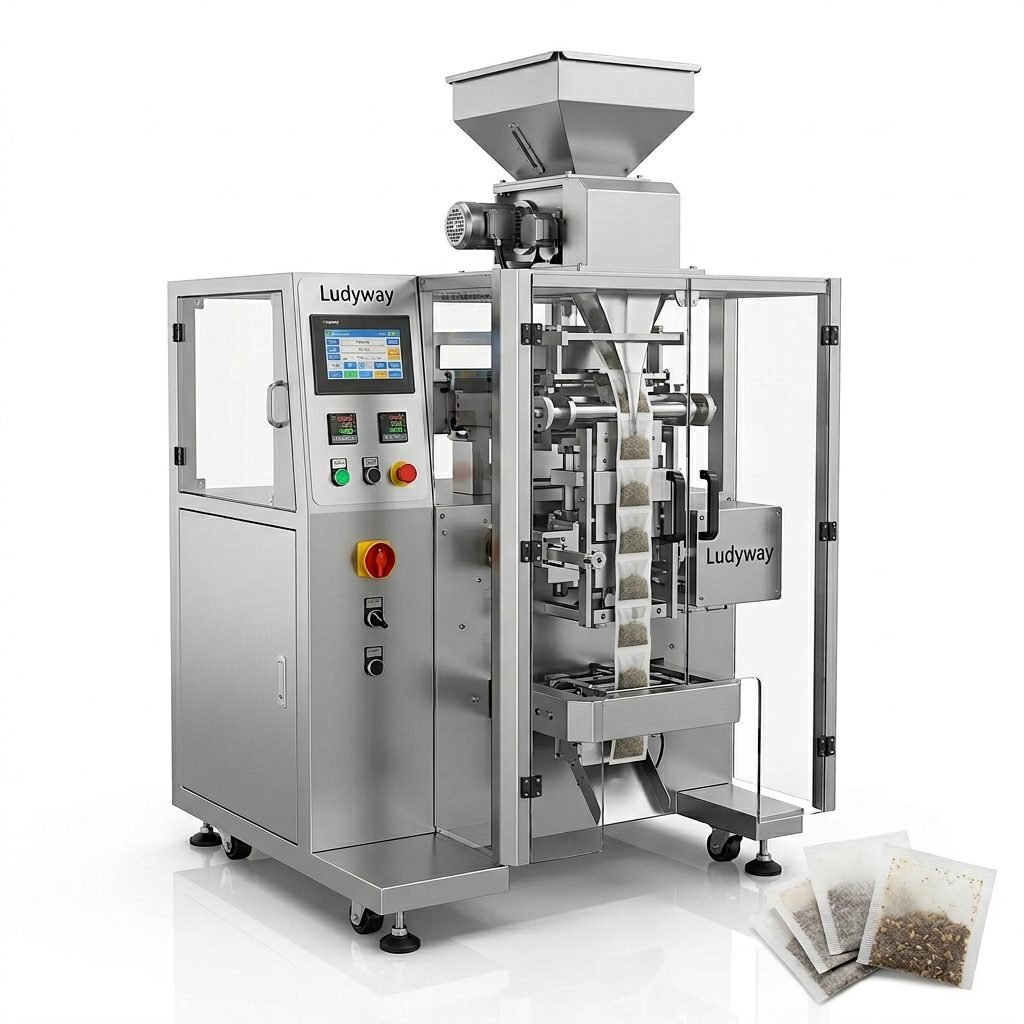
Beyond the initial purchase price, the total cost of ownership includes several ongoing expenses that affect your long-term budget. Energy consumption varies considerably between models; older vacuum pump technologies tend to draw more power than modern servo-driven systems. Consumables such as packaging film rolls, sealing gaskets, and vacuum pump oil require regular replenishment. Maintenance costs, including periodic servicing and spare parts availability, also factor into the equation. According to flexible packaging industry data, companies that invest in higher-quality equipment typically experience 30–40% lower maintenance costs over a five-year period compared to budget alternatives.
Key Operating Cost Components
- Packaging Material: Multi-layer barrier films for vacuum applications cost more than standard films but are essential for product protection.
- Energy Consumption: Modern servo-driven machines reduce power usage by up to 25% compared to pneumatic systems.
- Labor Requirements: Fully automatic machines reduce operator dependency, with one technician often managing multiple lanes simultaneously.
- Spare Parts Inventory: Maintaining a small stock of critical components minimizes downtime during peak production periods.
New vs. Refurbished Equipment: Making the Smart Choice
Some businesses consider refurbished or used vacuum packing machines to reduce upfront capital expenditure. While pre-owned equipment can cost 40–60% less than new machines, it often comes with trade-offs. Limited or no warranty coverage, uncertain maintenance histories, and outdated control systems are common concerns. New machines come with manufacturer warranties, the latest packaging standards compliance, and technical support — all of which contribute to smoother operations and fewer unexpected breakdowns. For businesses with steady production demands, new equipment generally delivers better return on investment over a 3–5 year horizon.
Leading manufacturers such as Ludyway offer an extensive range of vacuum packaging solutions backed by decades of engineering expertise. With over 50 intelligent packaging machine models, modern manufacturing facilities spanning 20,000㎡, and a presence in more than 100 countries, the company provides reliable equipment tailored to diverse production requirements. Whether you need a compact single-lane unit or a fully integrated multi-lane system, evaluating your options against the factors outlined above will guide you toward the best investment decision for your tea or dry fruit packaging operation.
Additional Resources
- PMMI State of the Industry Report — Current packaging machinery market trends and forecasts.
- Global Packaging Machinery Growth Analysis — Insights into market expansion and export trends.
- Flexible Packaging Association Resources — Data on flexible packaging materials and vacuum sealing innovations.