Investing in a fully automatic cartoning machine is a significant decision that can transform your packaging line’s efficiency, throughput, and consistency. Whether you’re packaging pharmaceuticals, food products, cosmetics, or consumer goods, choosing the right cartoning equipment requires careful evaluation of your production requirements, product characteristics, and long-term operational goals. This guide walks you through the essential factors to consider when selecting a fully automatic cartoning machine for your manufacturing operation.
Understanding Cartoning Machine Types and Configurations
Before evaluating specific models, it’s crucial to understand the different types of cartoning machines available and how they align with your packaging format requirements. The two primary categories are horizontal cartoning machines and vertical cartoning machines, each suited to different product types and loading orientations.
Horizontal cartoning machines are the most common type in automated packaging lines. Products are loaded into cartons from the side, making them ideal for end-load cartons containing bottles, tubes, blister packs, sachets, and pouches. These machines typically achieve higher speeds and are widely used in pharmaceutical, food, and personal care industries.
Vertical cartoning machines load products from the top, which works well for products that need to stand upright or for applications where gravity assists the loading process. These are commonly used for top-load cartons containing jars, cans, bags, and bulk products.
Key Cartoning Machine Configurations
- End-load cartoners – Most common; products inserted from the side
- Top-load cartoners – Products dropped or placed from above
- Wrap-around cartoners – Carton blank wraps around the product
- Sleeve cartoners – Products slide into pre-formed sleeves
- Multi-lane cartoners – Multiple lanes for high-speed applications
Continuous vs. Intermittent Motion
Continuous motion: Products and cartons move without stopping – ideal for high-speed, high-volume production lines.
Intermittent motion: Products stop at each station for precise operations – better suited for fragile products or complex loading patterns with moderate speeds.
Evaluating Your Production Requirements
Matching the cartoning machine to your actual production needs is the foundation of a successful investment. Consider these critical parameters before engaging with equipment suppliers.
Production Speed and Output
Determine your required cartons per minute (CPM) not only for your current needs but also for anticipated growth over the next 3-5 years. A machine rated for 30-60 CPM may suit small-to-medium operations, while high-speed lines often demand 100-300+ CPM. Selecting a machine that can scale with your business prevents premature obsolescence.
Carton Specifications and Range
Document your current and potential future carton sizes, including minimum and maximum dimensions for length, width, and depth. Many modern cartoning machines offer servo-driven size changeover systems that reduce downtime when switching between carton formats. Specify whether you’ll use corrugated cartons, paperboard cartons, or specialty materials.
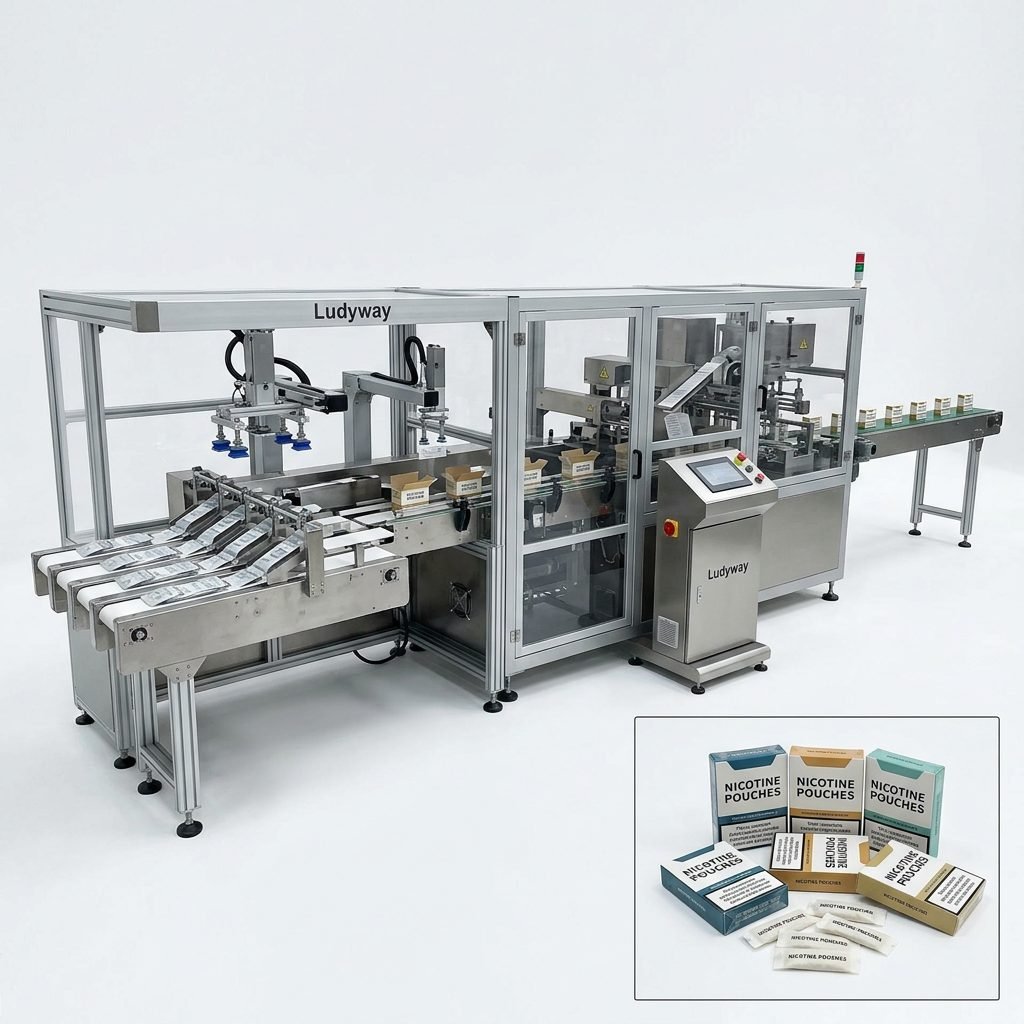
Product Characteristics That Influence Cartoner Selection
Your product’s physical properties directly impact which cartoning machine configuration will perform optimally. The following table outlines key product variables and their implications for equipment selection:
| Product Characteristic | Consideration | Recommended Approach |
|---|---|---|
| Product Shape & Stability | Rounds, rectangles, irregular shapes | Custom tooling, specialized product handling |
| Product Fragility | Glass containers, delicate items | Gentle handling systems, slower cycle rates |
| Product Weight | Lightweight to heavy products | Appropriate loading mechanism selection |
| Temperature Sensitivity | Chocolate, frozen items | Climate-controlled feeding systems |
| Dust or Residue | Powder products, granular items | Sealed components, easy-clean design |
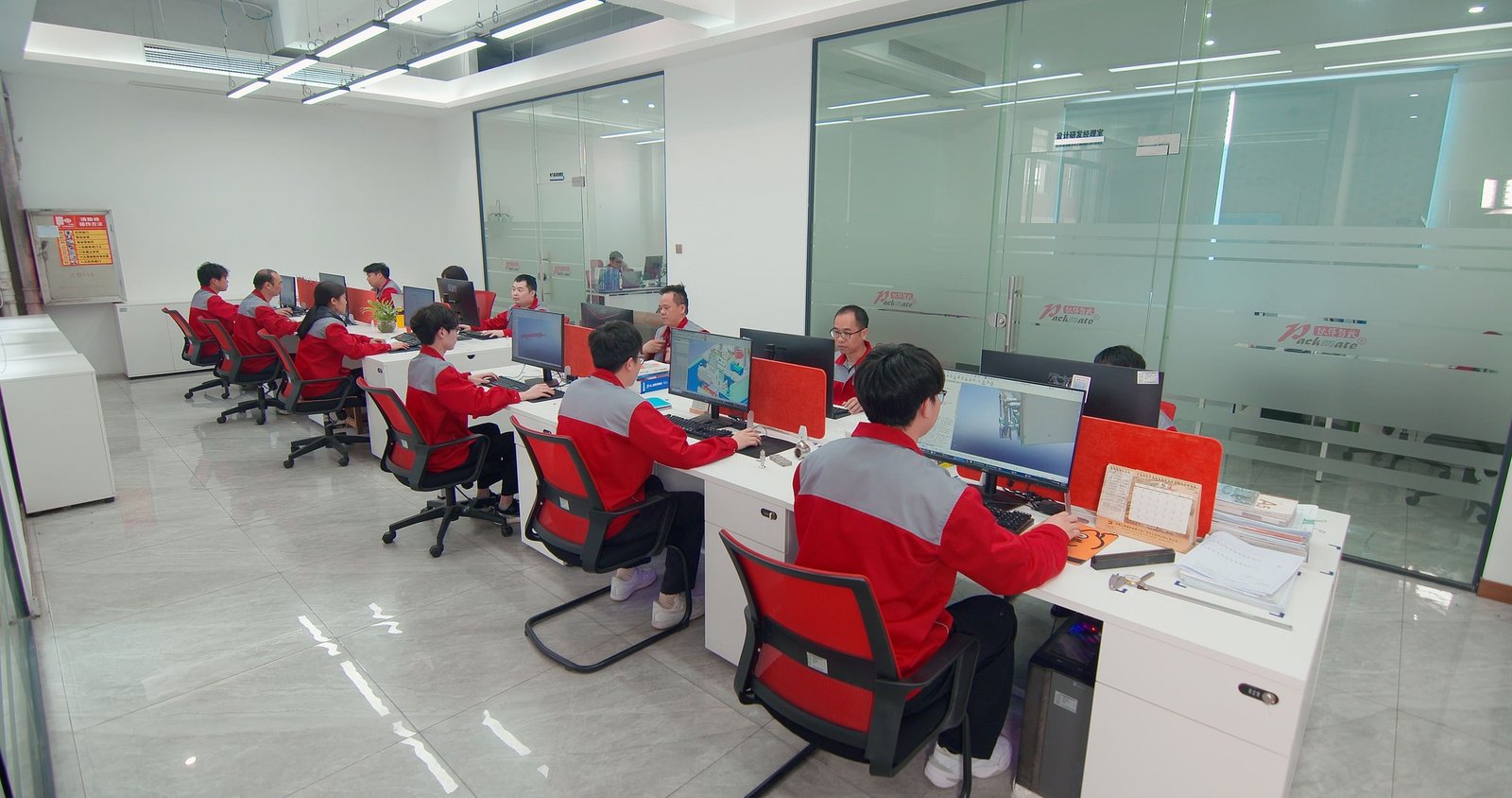
Critical Features to Look for in a Fully Automatic Cartoning Machine
Modern cartoning equipment incorporates advanced technologies that significantly impact productivity, changeover time, and operational reliability. Prioritize these features when comparing different machine options.
Automation and Control Systems
A robust PLC-based control system with a user-friendly HMI touchscreen interface enables operators to manage machine parameters, store recipe settings, and diagnose issues quickly. Look for machines that support Industry 4.0 connectivity, allowing integration with your plant’s data monitoring and MES/ERP systems. Remote access capabilities enable suppliers to provide technical support without on-site visits.
Servo-Driven vs. Mechanical Systems
Servo-driven cartoning machines offer precise control over motion profiles, enabling faster changeovers, reduced wear, and the ability to handle a wider range of carton sizes without mechanical adjustments. While typically representing a higher initial investment, servo technology delivers superior flexibility and lower long-term maintenance costs compared to purely mechanical cam-driven systems.
Size Changeover Efficiency
Frequent carton size changes demand rapid, repeatable changeover systems. Top-tier machines feature motorized changeover with recipe-driven automatic adjustments that complete format changes in 5-15 minutes, compared to 30-60+ minutes for manual changeovers. Digital position indicators and error-proofing sensors ensure settings are correct before production restarts.
Quality Control Integration
Integrated inspection systems are essential for validating carton integrity and product presence. Key inspection functions include:
- Leaflet/booklet insertion verification – Confirms printed materials are present
- Code inspection systems – Validates lot codes, expiry dates, and barcodes
- Carton flap detection – Checks for properly closed flaps before discharge
- Product presence confirmation – Ensures cartons contain the correct number of products
- Weight verification – Detects missing or extra items through checkweighing
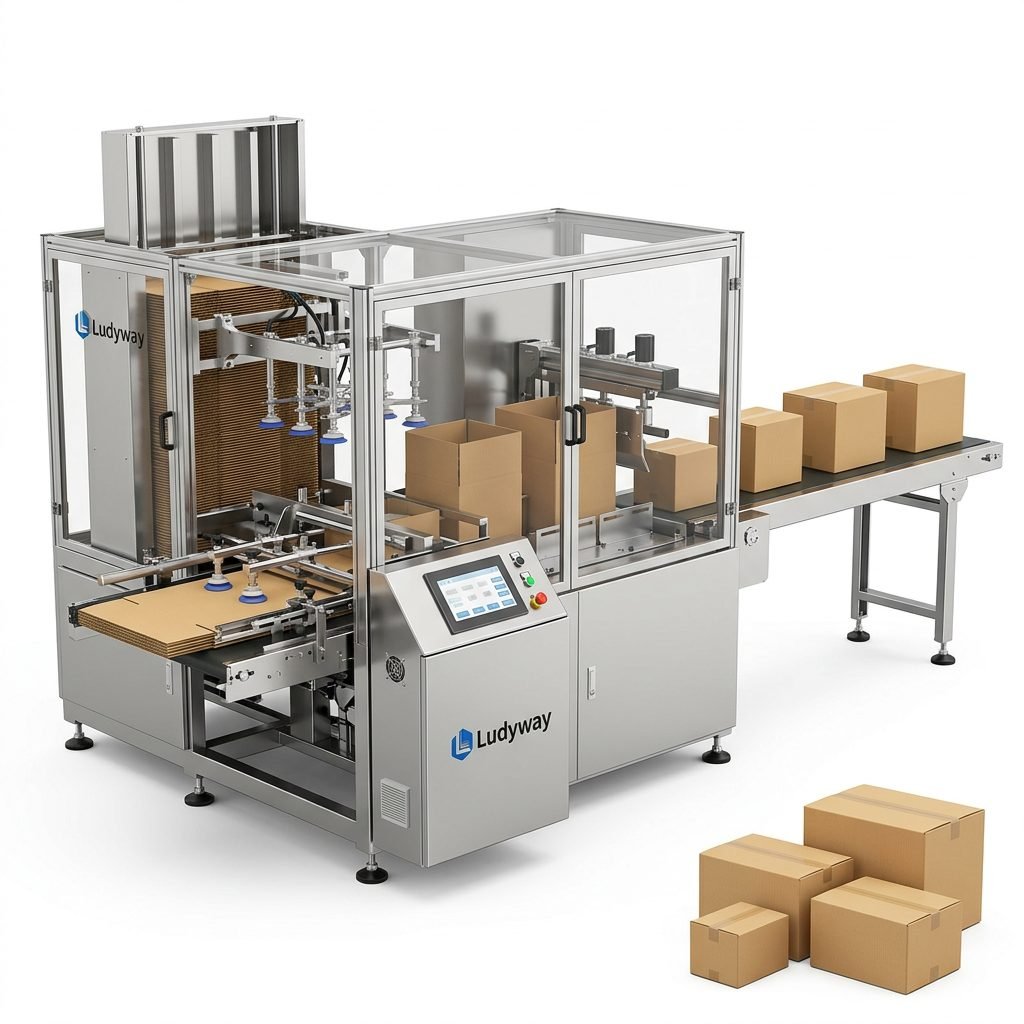
Integration with Existing Packaging Lines
A cartoning machine rarely operates in isolation. It must integrate seamlessly with upstream and downstream equipment to create a cohesive, efficient packaging line. Consider how the cartoner will connect with:
Upstream Equipment
- Product conveyors and accumulators
- Filling and sealing machines
- Blister packaging machines
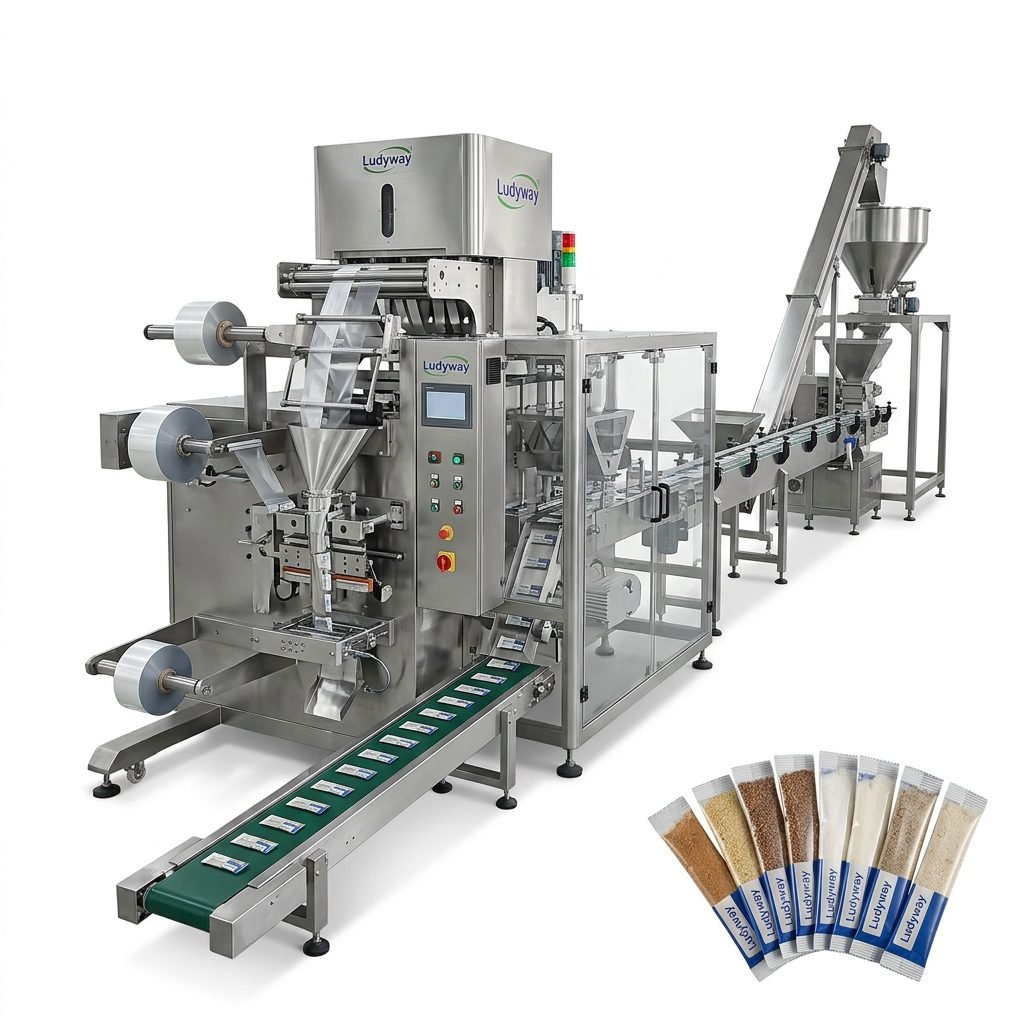
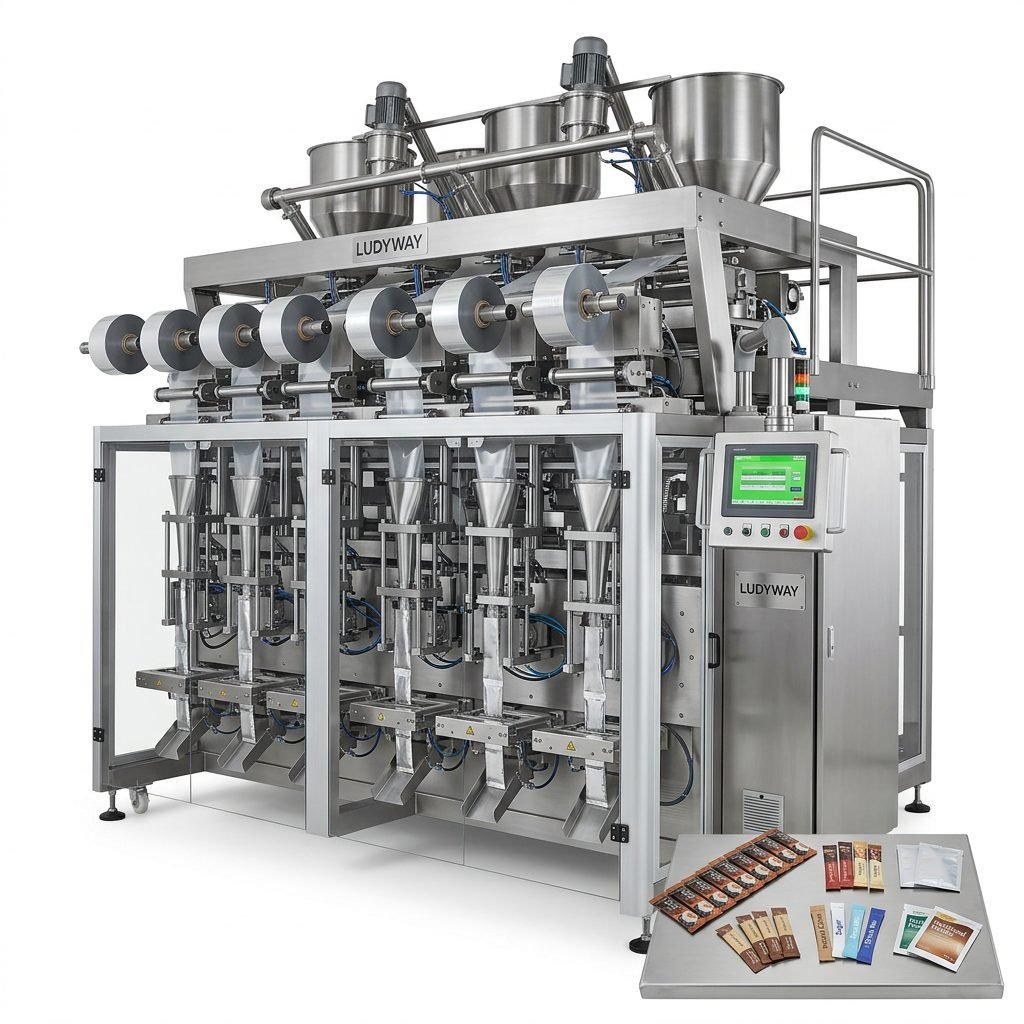
- Sachet/stick pack machines
- Weighing and sorting systems
Downstream Equipment
- Case packers and case sealers
- Palletizers and stretch wrappers
- Conveyor and handling systems
- Labeling and coding systems
- Warehouse management interfaces
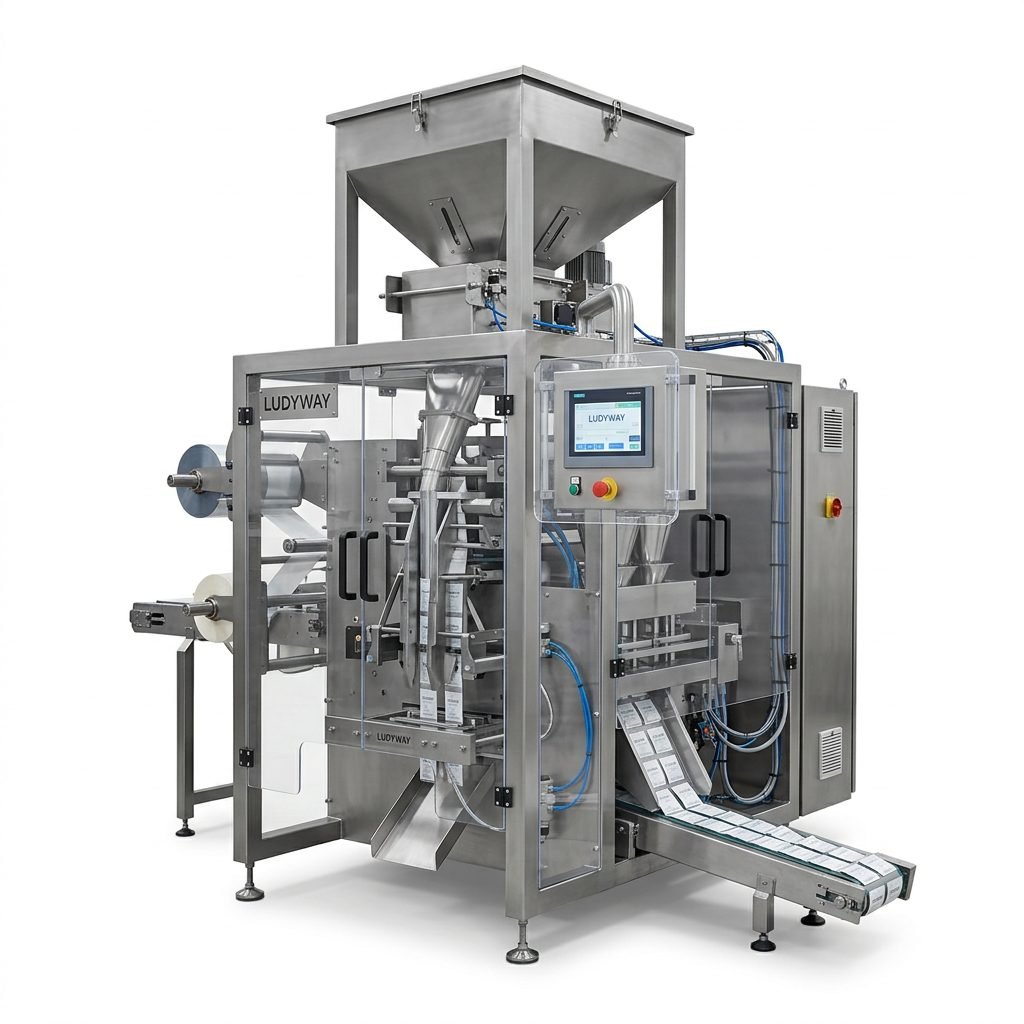
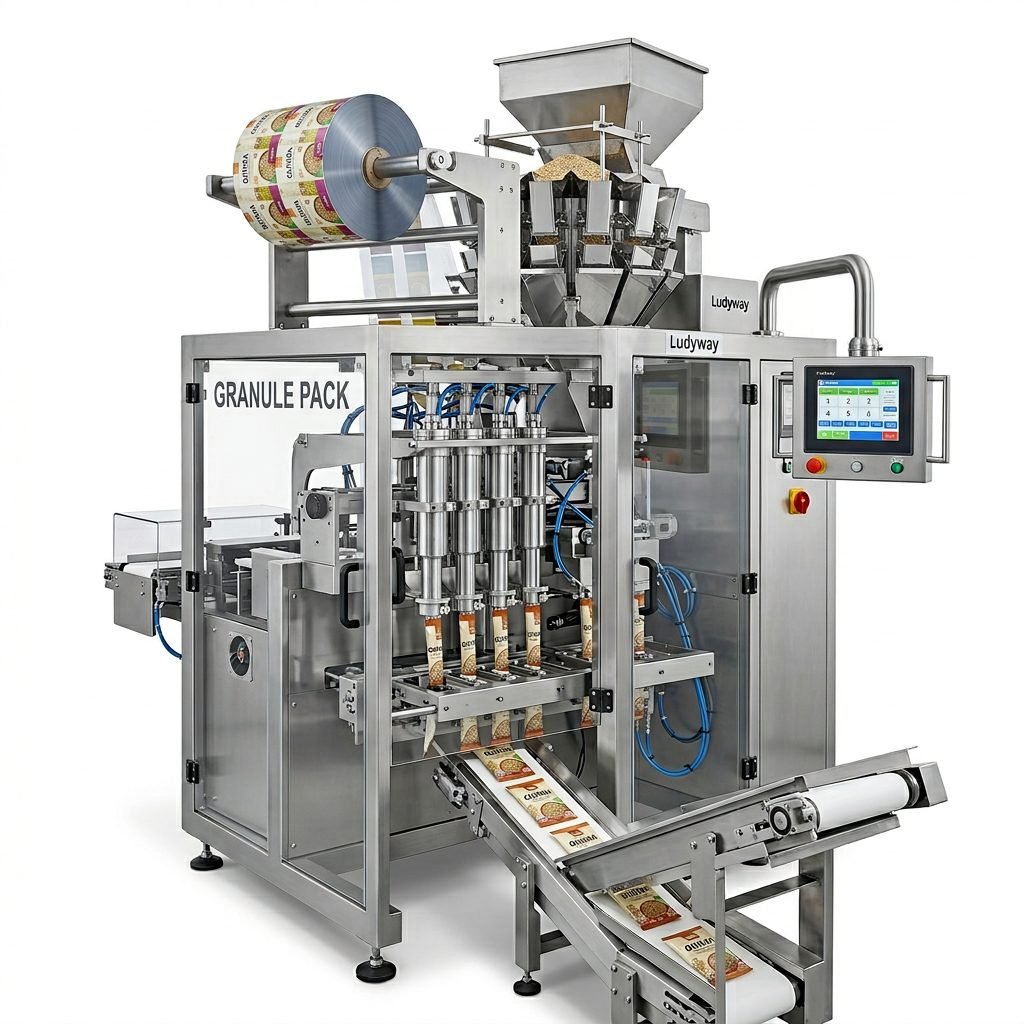
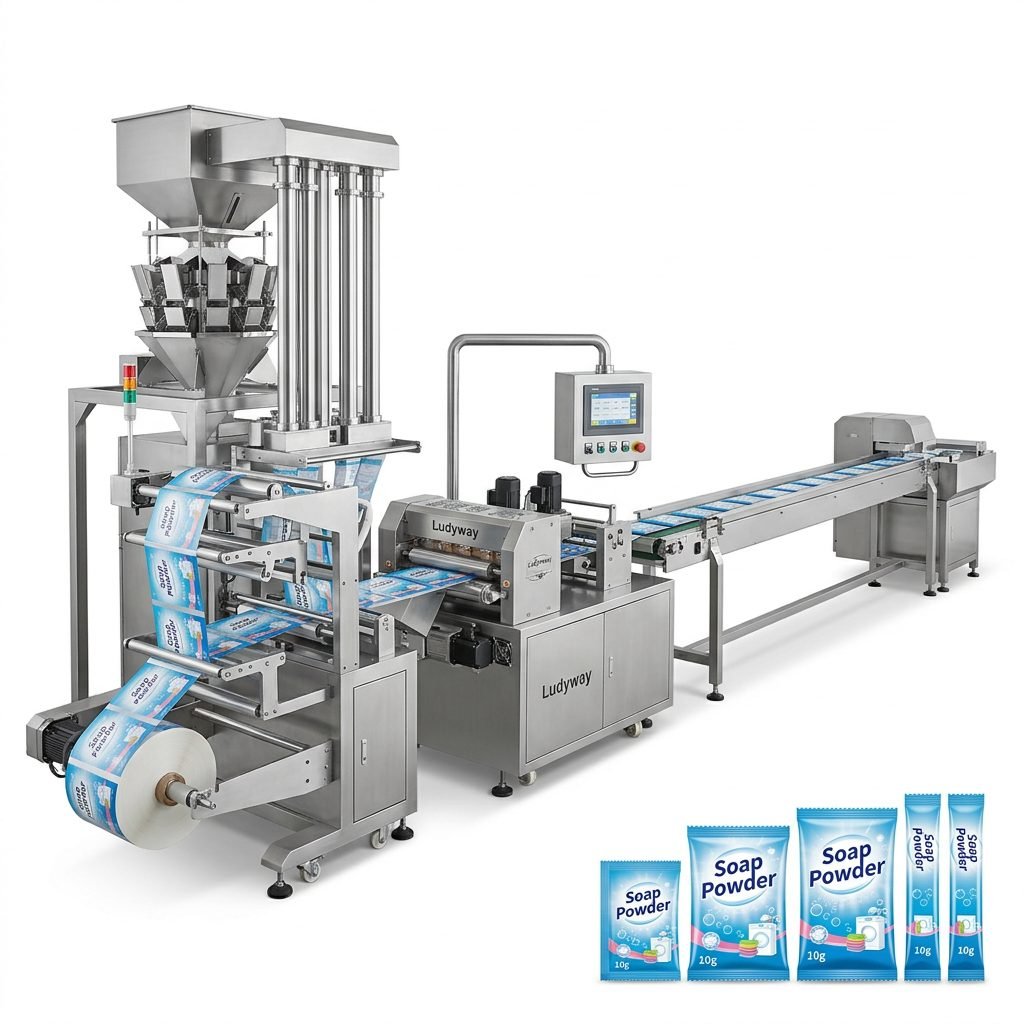
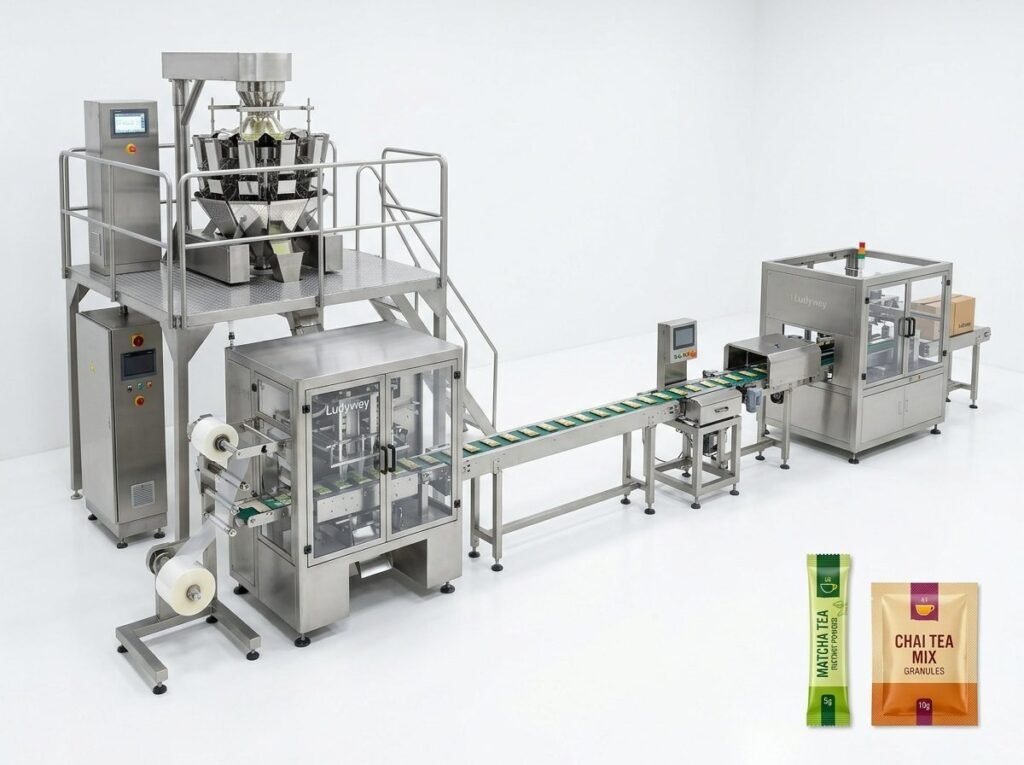
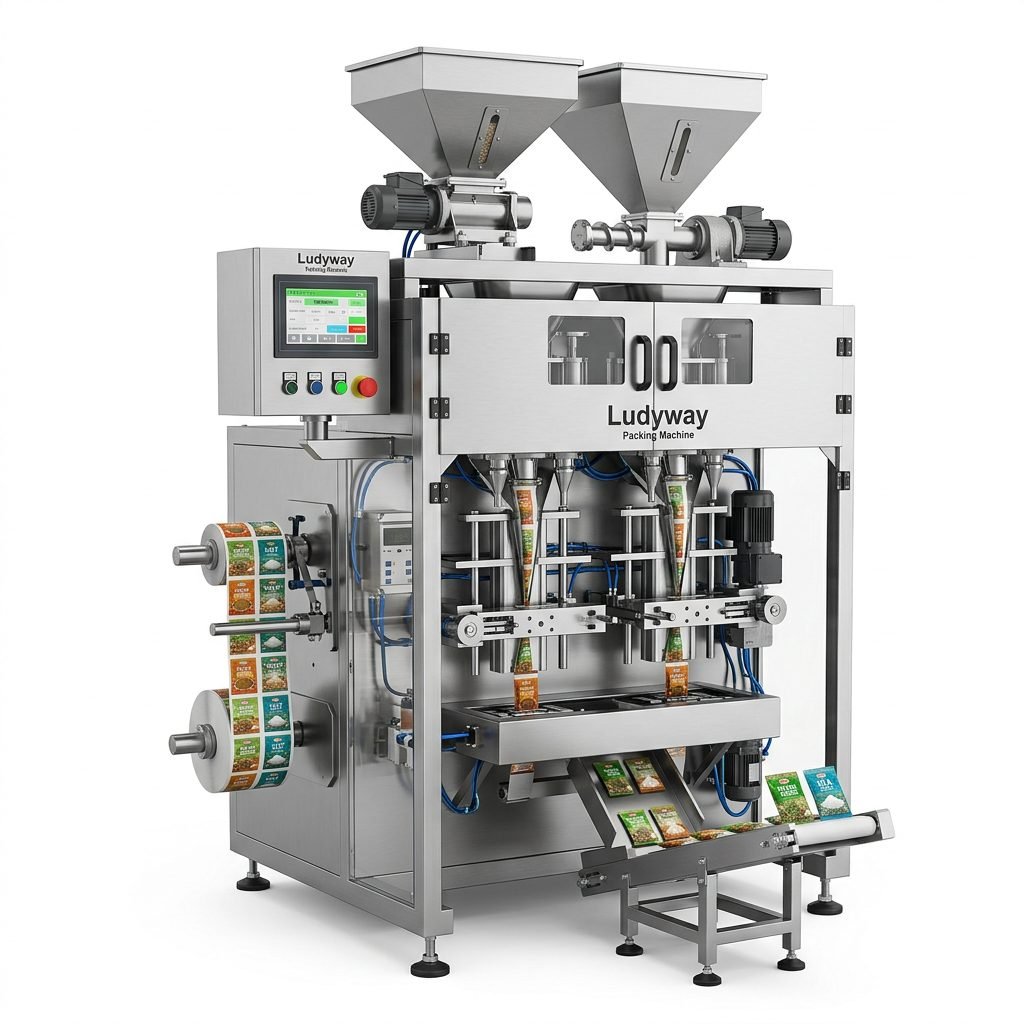
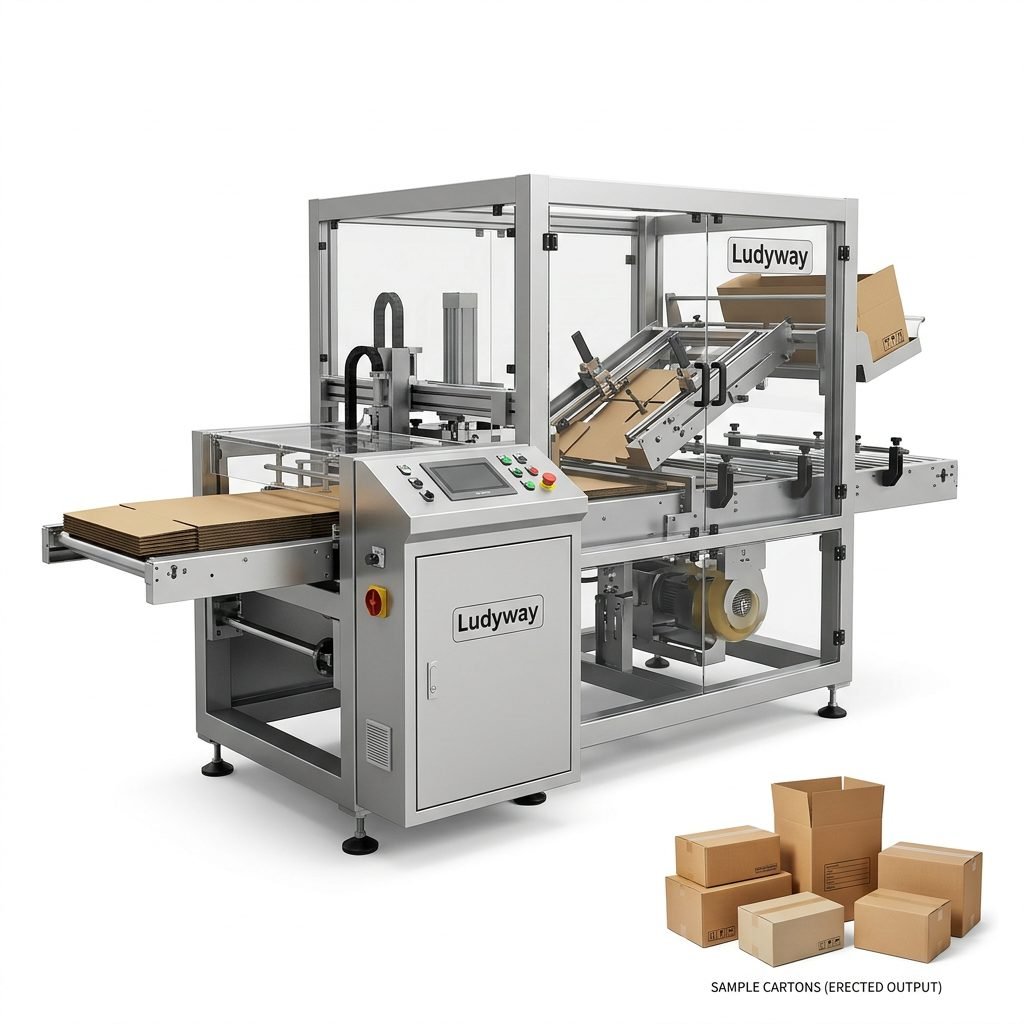
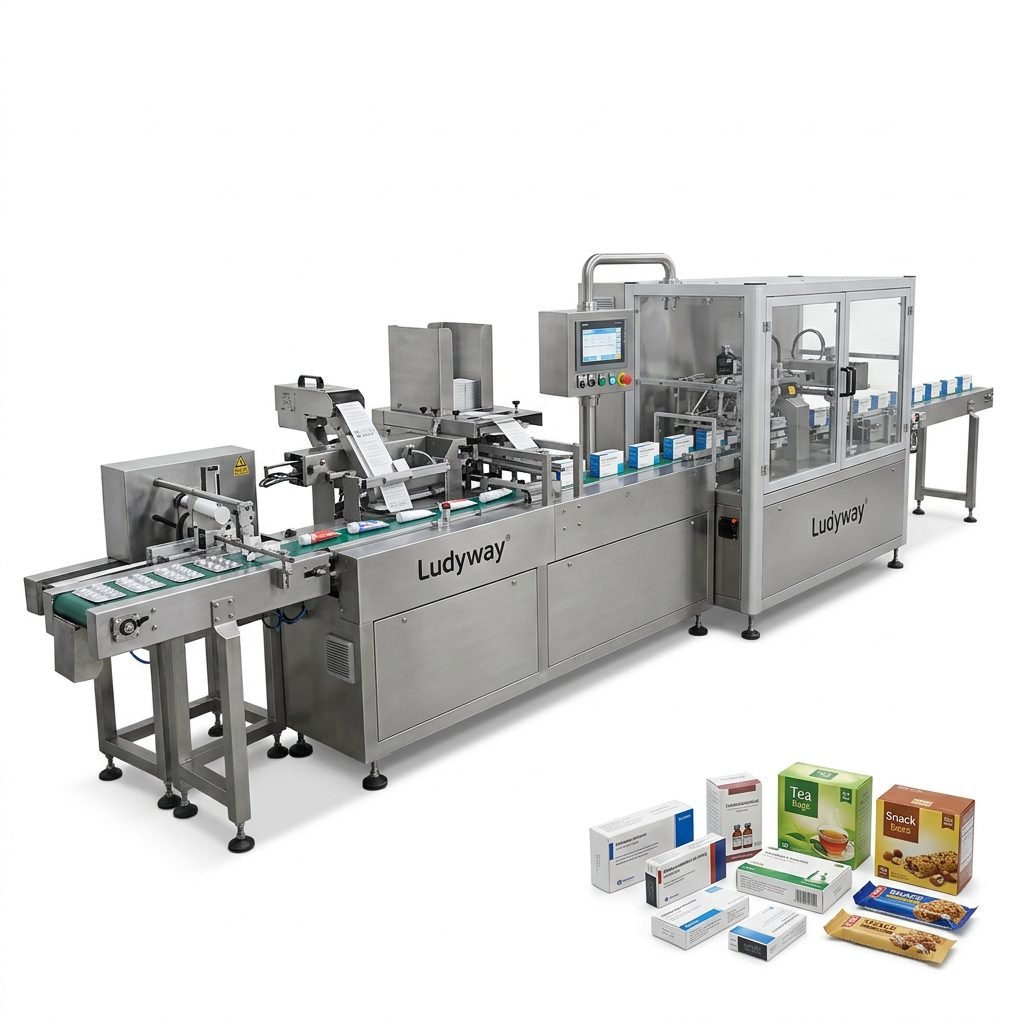
Working with an integrated packaging solutions provider simplifies the process of connecting multiple machines. Ludyway Machinery, a China-based packaging machinery manufacturer with over 30 years of experience, provides turnkey packaging solutions and integrated packaging systems that encompass cartoning equipment alongside filling, sealing, and end-of-line machinery. This single-supplier approach reduces integration complexity and simplifies ongoing technical support.
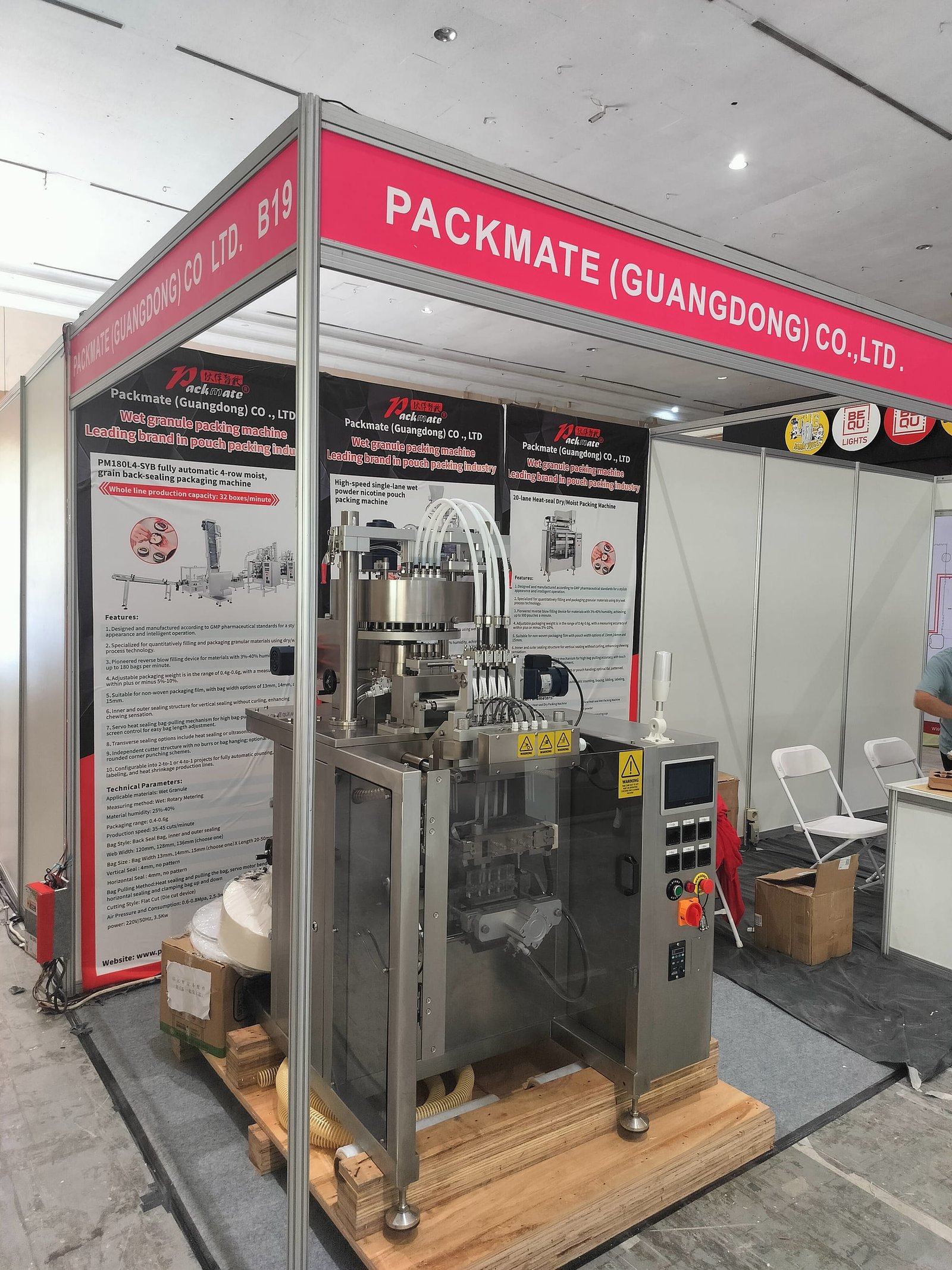
Supplier Evaluation Criteria
Selecting the right equipment supplier is as important as choosing the right machine. Evaluate potential partners against these criteria:
| Evaluation Criterion | What to Look For | Why It Matters |
|---|---|---|
| Industry Experience | Track record in your specific sector | Regulatory knowledge, application expertise |
| Manufacturing Capability | In-house production, engineering team | Quality control, customization ability |
| Technical Support | Installation, training, remote assistance | Minimizes downtime, ensures performance |
| Spare Parts Availability | Stock levels, delivery lead times | Reduces production disruptions |
| References & Case Studies | Verified installations, customer feedback | Validates real-world performance |
| Compliance & Certifications | CE, UL, GMP, ISO standards | Regulatory compliance, export readiness |
Cost Considerations and ROI Analysis
While purchase price is important, the total cost of ownership provides a more accurate picture of long-term value. Factor in these elements when calculating your investment return:
Initial Investment
- Machine purchase price
- Installation and commissioning
- Operator and maintenance training
- Initial spare parts package
- Integration with existing lines
Ongoing Costs
- Consumables and wear parts
- Preventive maintenance
- Energy consumption
- Operator labor requirements
- Technical support contracts
Return Drivers
- Labor cost reduction
- Increased throughput
- Reduced packaging waste
- Improved product quality
- Fewer rejects and rework
A well-configured fully automatic cartoning machine typically delivers ROI within 12-24 months through labor savings, increased output, and reduced material waste. Machines with higher initial prices often prove more economical over time due to superior reliability, faster changeovers, and lower maintenance requirements.
Future-Proofing Your Cartoning Investment
Packaging trends and regulatory requirements evolve continuously. When selecting your cartoning machine, consider these forward-looking factors that protect your investment over its 10-15+ year service life.
Sustainability and Packaging Materials
The shift toward sustainable packaging materials is accelerating globally. Your cartoning machine should accommodate recyclable carton boards, reduced-weight materials, and emerging fiber-based alternatives. Machines with flexible material handling capabilities will remain relevant as packaging regulations continue to tighten across global markets.
Modularity and Expandability
Modular cartoning platforms allow you to add functionality as your needs evolve. Look for machines that support field-upgradable modules for functions like automatic leaflet feeding, serialization, tamper-evident sealing, and additional quality inspection stations. This adaptability extends the machine’s useful life and adapts to changing market requirements.
Industry-Specific Compliance
Different industries impose specific requirements on cartoning equipment. If you operate in a regulated sector, verify that the machine design supports:
- Pharmaceutical: 21 CFR Part 11 compliance, serialization, FDA packaging requirements
- Food & Beverage: Hygienic design, washdown capability, food-grade materials
- Medical Devices: ISO 11607 compliance, validated packaging processes
- Cosmetics: Product protection, tamper-evidence features
Making the Final Decision
After evaluating technical specifications, supplier capabilities, and commercial terms, consider the following practical steps to finalize your selection:
- Conduct factory acceptance testing (FAT) – Visit the manufacturer’s facility to observe your machine running with your actual products and cartons before delivery. This validates performance claims and identifies any customization needs.
- Request detailed line layout drawings – Confirm that the cartoning machine fits within your available floor space with adequate access for operation, maintenance, and material handling.
- Negotiate a comprehensive warranty and service agreement – Ensure clarity on warranty coverage duration, included preventive maintenance visits, remote support availability, and spare parts supply commitments.
- Plan operator training thoroughly – Even the most advanced cartoning machine underperforms without properly trained operators. Schedule comprehensive training during installation and establish ongoing training programs for new staff.
- Verify documentation packages – Ensure you receive complete machine manuals, electrical schematics, spare parts lists, and maintenance schedules in your preferred language.
Choosing the right fully automatic cartoning machine is a strategic decision that impacts your production efficiency, product quality, and competitive position. By systematically evaluating your requirements, understanding available technologies, and partnering with an experienced equipment supplier, you can select a cartoning solution that delivers reliable performance and strong return on investment for years to come.
Key Takeaways
- Match cartoning machine type to your product characteristics and loading orientation
- Prioritize servo-driven systems for flexibility and fast changeovers
- Evaluate total cost of ownership, not just purchase price
- Verify integration compatibility with existing upstream and downstream equipment
- Select a supplier with proven industry experience and comprehensive support capabilities
- Plan for future needs with modular, expandable machine platforms