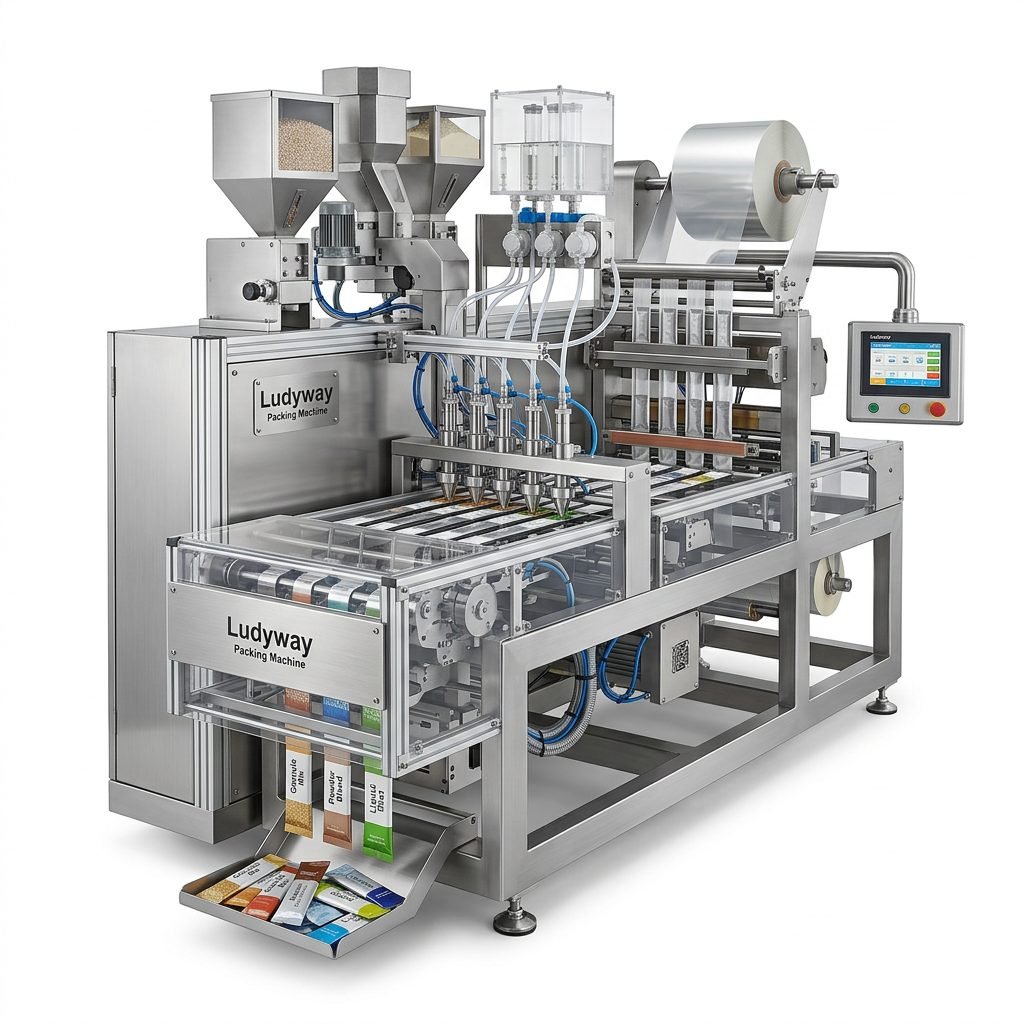
In the fast-paced world of pharmaceutical manufacturing, efficiency, accuracy, and product integrity are non-negotiable. Blister packaging stands as a critical process, safeguarding tablets, capsules, and other solid dosage forms from moisture, contamination, and physical damage. The heart of this operation is the blister packaging machine, a sophisticated piece of automation that directly impacts production speed, regulatory compliance, and overall cost-effectiveness. This comprehensive guide delves into the types, features, benefits, and essential buying tips for these vital machines.
Why Blister Packaging is Indispensable
Blister packaging offers unparalleled unit-dose protection, enhancing patient safety by providing clear product identification, tamper evidence, and child-resistant features. For manufacturers, it ensures precise product count, extends shelf life, and supports efficient logistics. Choosing the right machine is the first step to leveraging these advantages fully.
Types of Pharmacy Blister Packaging Machines
The market offers various blister packaging machines, each suited to specific production scales and material requirements. Understanding these types is crucial for making an informed investment.
1. Manual & Semi-Automatic Machines
Ideal for low-volume production, clinical trials, or pilot batches. These machines require operator intervention for loading forming films, placing products, or sealing. They are cost-effective for startups or facilities with fluctuating batch sizes but offer lower output speeds.
2. Fully Automatic Thermoforming Machines
The industry standard for high-volume production. These machines automate the entire process: unwinding the forming film (usually PVC, PVDC, or Aclar), heating it, forming pockets via a mold (plug assist or positive air pressure), product loading via a multi-track feeding system, sealing with a lidding material (aluminum foil or paper), and die-cutting into individual blisters. They are known for high speed, precision, and integration with upstream and downstream equipment.
3. Cold Forming (Aluminum-Aluminum) Machines
Used for packaging highly sensitive products that require an exceptional barrier against oxygen and moisture, such as certain hygroscopic or light-sensitive pharmaceuticals. Instead of heating plastic, these machines use a laminated aluminum film that is cold-formed under high pressure into blisters. The result is an ultra-high barrier package, though at a higher material cost.
4. Rotary vs. Intermittent Motion Machines
Rotary machines operate with a continuous motion, offering higher speeds and smoother operation, ideal for large-scale, single-product runs. Intermittent motion machines stop at each station (forming, filling, sealing), providing greater accuracy for complex products or frequent changeovers, making them versatile for contract packaging.
Key Features & Technological Advancements
Modern blister packers are equipped with features that enhance reliability, compliance, and operational ease.
Essential Features to Look For:
✓ PLC Control with HMI Touchscreen: Allows for easy recipe management, parameter setting, and diagnostics.
✓ Vision Inspection Systems: Critical for 100% quality control, detecting missing, broken, or misshapen tablets before sealing.
✓ Quick Changeover Systems: Reduce downtime significantly with tool-less or quick-release forming and sealing dies.
✓ Integrated CIP/SIP (Clean-in-Place/Sterilize-in-Place): Vital for stringent hygiene requirements, allowing for efficient cleaning without major disassembly.
✓ Data Logging & Connectivity: Supports Industry 4.0 by recording production data (OEE, batch records) and integrating with MES/ERP systems for traceability.
Tangible Benefits for Your Pharmaceutical Operation
Investing in a high-quality blister packaging machine delivers a strong return on investment across multiple fronts.
Enhanced Product Protection & Compliance
Machines ensure consistent, hermetic seals that protect product potency and stability, directly supporting compliance with GMP (Good Manufacturing Practice) and regulatory standards from agencies like the FDA or EMA.
Increased Production Efficiency & Output
Automation drastically increases speed (from dozens to hundreds of blisters per minute) while reducing labor costs and human error, maximizing your production line’s throughput.
Material Savings & Sustainability
Precise control over heating, forming, and sealing minimizes film waste. Advanced machines can handle thinner gauge or more sustainable mono-material films, reducing material costs and environmental impact.
Operational Flexibility
With quick changeover capabilities, a single machine can efficiently handle multiple product formats and blister sizes, allowing manufacturers to respond quickly to market demands.
Critical Buying Tips: Selecting Your Ideal Machine
Purchasing a blister packer is a significant decision. Here’s a structured approach to ensure you choose the right partner and equipment.
1. Define Your Core Requirements
Start by analyzing your product specifics (size, shape, fragility), required output speed (blisters/minute), materials (film type, lidding), and future scalability needs. This forms your essential checklist.
2. Prioritize Machine Quality & Reliability
Look for robust construction (stainless steel contact parts), reputable components (servo motors, PLCs), and a design that facilitates easy maintenance. A reliable machine minimizes unplanned downtime, which is far more costly than the initial price difference.
3. Evaluate Supplier Expertise & Support
The supplier is as important as the machine. Choose a partner with proven experience in the pharmaceutical sector. They should offer comprehensive support, including installation, validation support (IQ/OQ/PQ), operator training, and readily available spare parts. A supplier with deep industry knowledge, like Ludyway Machinery, can provide invaluable guidance on optimizing your packaging line.
4. Consider Total Cost of Ownership (TCO)
Look beyond the purchase price. Factor in energy consumption, anticipated maintenance costs, changeover times, material yield, and the cost of potential downtime. A slightly higher initial investment in a more efficient, reliable machine often results in a lower TCO.
5. Request a Product Test
Always insist on a live test using your actual product and packaging materials. This is the only way to verify machine performance, seal quality, and output speed under real-world conditions.
Partnering for Success
Selecting the right blister packaging machine is a strategic decision that affects your product quality, regulatory standing, and bottom line for years to come. By thoroughly understanding your needs, prioritizing quality and support, and partnering with an experienced equipment provider, you can build a packaging operation that is efficient, compliant, and ready for future growth. For insights into complete turnkey packaging solutions that integrate blister packers with cartoners and other line equipment, consult with a specialized supplier.
Frequently Asked Questions (FAQs)
What is the typical output speed of an automatic blister machine?
Speeds vary widely based on machine type and configuration. Basic models may run at 100-200 blisters per minute, while high-speed rotary machines can exceed 600 blisters per minute. The critical factor is achieving consistent quality at your required speed.
Can one machine handle different blister sizes and shapes?
Yes, most modern machines are designed for flexibility. However, changing the blister format requires a change of the forming and sealing dies/molds. Machines with quick-changeover systems can accomplish this in under 30 minutes, minimizing downtime.
How important is a vision inspection system?
It is increasingly considered essential, not optional. It automates a critical quality check, ensuring no empty, broken, or incorrect tablets are sealed, which protects patient safety and prevents costly recalls. It is a key component for pharmaceutical packaging compliance.
What is the main difference between thermoforming and cold forming?
The core difference is the process and material. Thermoforming heats a plastic film to form blisters and is cost-effective for most products. Cold forming uses pressure to shape a laminated aluminum film, creating an ultra-high barrier package for the most sensitive drugs, but at a higher material cost.
What kind of after-sales support should I expect?
You should expect comprehensive support including detailed documentation, on-site installation and commissioning, operator and maintenance training, help with validation protocols, and access to a responsive technical support team and genuine spare parts. A reliable supplier’s support is crucial for long-term operational success.