Clothing fashion industry entrepreneurs don’t always begin with big budgets. Consider yourself a designer with a sketchbook of ideas yet entirely at sea with how to realize them. You want to launch your own label, but you need raw materials and a manufacturer to quickly put your ideas to the test.
The clothes industry in the USA supports businesses like these-small, independent brands that create a big impact. By 2025, the industry will impact more than just glossy magazines and runway models. It will affect online brands, personalized fashion, and local production. The market stands at over $460 billion at present, with retail on the web accounting for 40% of all apparel sales.
This is where the clothes industry of today comes in-equipped with tools and resources, and there is Ludyway. Platforms like Ludyway allow designers to connect with local manufacturers to create prototypes and scale production, all without actually leaving the country.
In 2025, American fashion is going to run on speed, sustainability, and digital access. Brands like Girlfriend Collective and Outdoor Voices are just a couple of examples of how you can transform an Instagram thought into a nationwide product. This transformation can occur because the clothes fashion industry supports innovation at every step: from AI-generated design to on-demand fulfillment.
Consumers are moving towards brands that stand for authenticity, customization, and meaning. Hence, the clothes industry is blossoming and changing lives, one piece at a time.
What is the Clothing Fashion Industry?
The clothing fashion industry is a big and very dynamic sector in the world economy. It is vital in the USA economy for the formation of job opportunities, commerce, and culture. It embraces all of the procedures associated with the production and distribution of clothing at its core. Design, fabric sourcing, pattern-making, production, distribution, retailing, and after-sales services are all of interest for this industry.
The industry is thus a realm encompassing mass-produced and haute couture clothing and big-name retail chains and private-label manufacturers, boutique fashion designers, and custom-tailoring services. It serves an entire range of consumers: from toddlers and teens to working professionals and seniors. Fashion is now about identity, function, comfort, and values rather than just style.
Also Explore Men’s Fashion in 2025: Trends, Essentials & 25 Style Tips
Social or cultural changes are some of the triggering factors that brought about changes in the industry. For example, demands for gender-neutral, inclusive, and body-positive fashion are on the rise. The clothing fashion industry must constantly adapt to what its consumers want, how they want to shop, and how they want their clothing to express them.
Moreover, the industry is the heartbeat of thousands of businesses across its supply chain. From a T-shirt startup to a large luxury brand, every clothing label depends on some smooth kind of flow of design, sampling, manufacturing, marketing, and sales. Companies such as Ludyway are helping out by linking brands to trusted US manufacturers to cut costs and improve quality control.
In short, the clothing fashion industry is more than just clothes—it’s an engine of creativity, commerce, and community.
Key Stats of Clothing Fashion Industry in the USA (2025)
| Aspect | Value |
| Market Size | $460 billion |
| Annual Growth Rate | 2.7% |
| Jobs Supported | Over 1.8 million |
| Top States | California, New York, Texas |
| E-commerce Share | 40% of total sales |
| Top Segment | Women’s apparel |
| Fastest Growing Trend | Sustainable fashion |
Source: Statista, IBISWorld, McKinsey
Growth of the Clothes Industry in the USA
The clothing industry in the USA has grown significantly in the last ten years. Beyond being driven by technology, it includes changes in the ways consumers shop and cultural shifts. It is estimated that the US apparel market was valued at over $460 for 2024 and would continue to grow in the years ahead.
Want to know Where To Find Apparel Orders? A Guide For Factories | Read this
There is a confluence of trends driving this growth. One major factor is the rise of e-commerce. Now customers are buying clothes on their phones, tablets, or computers. Online marketplaces themselves-Amazon, Shein, and ASOS-give new life to how clothes are bought and sold, as do more recent avenues for independent brands-SHOPIFY and Etsy.
Influencer marketing and social media would also be beneficial. Fashion spreads in an instant over Instagram, TikTok, and YouTube. Influencers and creators will be on the outfit promotions in real time; this influences their audiences’ clothing choices. This builds demand for fast collections that are driven by trends.
In addition, there are those who are opting more for clothes that match their personal values. At present, shoppers are looking for brands considered ethical, sustainable, and transparent. They want to know where their clothes were made, by whom they were made, and the materials used in making them. This demand is reshaping the clothing fashion industry.
Key Growth Drivers in the USA Clothes Industry
| Growth Driver | Description |
| Digital Fashion Shows & Virtual Try-Ons | Brands now showcase new styles using digital tools and 3D tech. |
| Gender-Neutral & Inclusive Clothing | More designers are producing collections for people of all body shapes and genders. |
| AI & Automation | AI helps with trend forecasting, pattern generation, and production speed. |
| Ludyway Support | Connects designers to US factories for better control and faster scaling. |
For example, brands like Telfar, which focuses on unisex design, and ThredUp, which supports sustainable shopping, are thriving. These brands understand the new values of modern consumers—affordability, ethics, and individuality.
Furthermore, automation is changing how clothes are made. Machines now help cut fabric, manage inventory, and predict trends. AI tools speed up the design process and reduce waste.
Want to know 13 Ways to Secure Clients for Apparel Manufacturing Business? Read this blog.
Finally, platforms like Ludyway empower small businesses to manufacture locally. Lead times are shortened, and American jobs and ethical sourcing are also supported. Whether you’re launching a streetwear label or a yoga apparel line, Ludyway helps bring your idea to life—without compromising quality.
Types of Businesses in the Clothing Fashion Industry
The clothing fashion industry is not a single type of business—it’s a network of interconnected players. Each business serves a unique function in the product journey, from concept to closet. Here’s a breakdown of the key types:
1. Designers
The clothing industry’s creative core is fashion designers. They develop original apparel concepts, sketches, and technical specs. Some focus on haute couture, while others design for mass markets. For instance, designers at Nike or Levi’s work on performance and casual wear, respectively.
2. Manufacturers
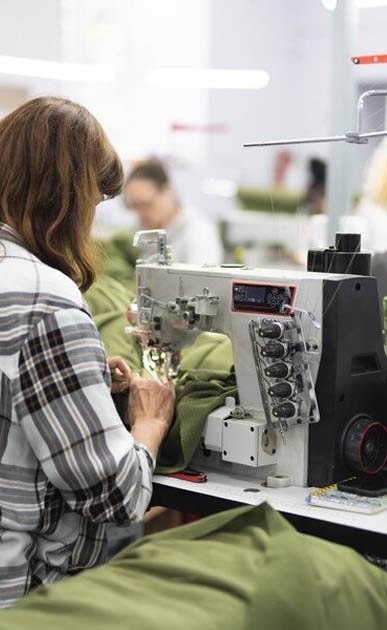
These businesses convert designs into finished clothing. Fabric sourcing, cutting, sewing, and packaging are among the responsibilities they manage. Manufacturers can be local or overseas, but US based production is growing fast. This is where Ludyway plays a key role—connecting brands to reliable American factories.
3. Wholesalers
Wholesalers get a lot of clothes from manufacturers and then sell them to stores. They play a critical role in product distribution. For example, a wholesaler might stock seasonal fashion collections for chain stores or online marketplaces.
4. Retailers
There are stores and websites where people can buy clothes straight from retailers. Brands like Zara, Target, and Macy’s are major retail players. Retailers rely on supply chains that function smoothly from factory to shelf.
5. E-commerce Brands
These brands that started out online sell straight to customers, cutting out the middlemen. They use online stores and digital marketing. Brands like Everlane and Fashion Nova grew rapidly through e-commerce and social media. Startups and small businesses use Ludyway to access US manufacturers for faster production cycles.
Support by Ludyway
Ludyway supports all these business types. It helps designers, startups, and established brands find trusted US manufacturers. This shortens lead times, improves quality control, and supports local jobs—key goals in today’s clothing fashion industry.
Current Trends in the Clothing Fashion Industry
The clothing fashion industry in 2025 is undergoing rapid transformation. Changing consumer values, technological innovation, and environmental concerns shape what’s selling and how it’s made. Below are the top trends driving the current state of the clothes industry:
1. Sustainability
Consumers now prefer fashion that’s eco-friendly and ethically made. Sustainable fabrics like organic cotton, recycled polyester, and hemp are gaining popularity. Brands such as Patagonia and Reformation are leading this shift.
2. Customization
Clothing Fashion Industry Shoppers want clothes that reflect their personality. Custom sizes, colors, and prints are now more accessible. For example, platforms like Printful and Teespring allow users to design and order personalized apparel. Custom fashion is growing fast in the clothing fashion industry.
3. Technology
Technology is transforming both design and shopping. AI helps forecast trends and speed up the design process. Augmented reality (AR) lets customers try on clothes virtually. Brands like Warby Parker and Adidas use AR and 3D design tools to enhance user experience.
4. Fast Fashion Shift
The demand for cheap, fast fashion is declining. Consumers are tired of low-quality garments and poor environmental practices. They’re now investing in long-lasting, quality pieces. This shift encourages brands to produce fewer styles but with better fabric and finish.
5. Local Manufacturing
More brands now want to manufacture locally. It reduces shipping delays, ensures ethical labor, and offers better control. For example, many small labels use Ludyway to find local factories for apparel production. Local manufacturing supports eco-friendliness and helps meet tight deadlines.
Want to know How to Work with Clothing Manufacturers in India Using Ludyway
Why These Trends Matter
These trends are not just buzzwords—they’re reshaping the entire clothing fashion industry. Today’s consumers expect brands to be transparent, ethical, and innovative. If a business fails to adapt, it risks falling behind. But those who embrace change can scale faster, serve their audience better, and stay profitable.
FAQs: Clothing Fashion Industry in the USA
The clothing fashion industry includes design, production, marketing, and sale of apparel for men, women, and children.
The clothes industry in the USA was valued at over $400 billion in 2025, and it continues growing steadily.
E-commerce, social media, sustainability, and AI-driven production are boosting the clothing fashion industry across all market segments.
Key roles include fashion designers, manufacturers, wholesalers, retailers, and e-commerce sellers who serve direct-to-consumer markets.
Sustainable materials, custom designs, virtual try-ons, and local manufacturing are major 2025 trends in the clothing fashion industry.
You need a business plan, a clothing concept, and a reliable manufacturer. Platforms like Ludyway help a lot.
Yes. Eco-friendly fabrics and ethical labor practices are now essential in the modern clothing fashion industry.
The clothes industry will shift toward quality, tech-driven production, and faster local sourcing to meet consumer demand.
AI, 3D modeling, and AR enhance design, reduce waste, and improve shopping in the clothing fashion industry.
Ludyway connects fashion brands with trusted US manufacturers, helping them grow fast in the clothing fashion industry.
Example: A USA-Based Fashion Startup Using Ludyway
Let’s say a startup wants to launch a denim brand. They use Ludyway to find a local manufacturer in Los Angeles. They work together on sampling, production, and delivery. The startup grows with quality control and fast production cycles—just by staying local.
Conclusion: Why the Clothing Fashion Industry Matters More Than Ever
The clothing fashion industry is more than trends and colors—it reflects society, technology, and the economy. It influences what we wear, how we shop, and how brands do business. As consumer expectations rise, brands must prioritize sustainability, innovation, and quality.
The rise of local manufacturing, AI-based design, and custom fashion is reshaping the clothes industry. Companies that adopt these changes can thrive in 2025 and beyond.
Platforms like Ludyway are crucial for navigating this shift. They connect designers, retailers, and manufacturers, helping brands stay efficient and competitive in the evolving clothing fashion industry.
Whether you’re launching a new brand, scaling production, or sourcing locally—now is the time to act. The future of fashion in the US is smart, sustainable, and digital.
Quick Recap: Why the US Clothing Fashion Industry is Booming
| Feature | Detail |
| Market Size | Over $400 Billion (2025 estimate) |
| Key Drivers | E-commerce, AI, Sustainability, AR Shopping |
| Top Trends | Eco-fashion, Local production, Customization |
| Business Support | Ludyway (verified US-based production partners) |
| Future Outlook | High growth with focus on quality, tech, and ethics |