The collar is arguably the single most defining feature of any shirt, playing a crucial role in conveying your personal style and giving your attire a distinctive appearance. For both men and women, the right shirt collar can make an outfit stand out, setting a unique tone for any occasion.
Understanding the Significance of a Shirt Collar
★
A shirt without a collar is often likened to a house without a roof—essential, yet sometimes overlooked. Choosing the appropriate collar style can be challenging given the vast array of options. This comprehensive guide breaks down the essential types of shirt collars you need to know, explaining their appeal and when to wear them.
The collar frames the neckline, and its design heavily influences whether a shirt is best suited for formal, business, or casual wear. By understanding the nuances of different collar styles, you can significantly enhance your overall ensemble.
Exploring Common Shirt Collar Styles for Men
Navigating the world of menswear starts with recognizing the key collar distinctions. Below is a detailed look at the top shirt collar designs to consider for various occasions. If you’re looking for high-quality shirting, consider a reputable clothing manufacturer.
The Point Collar

The traditional business collar, the Point Collar, is defined by its closely spaced, neat, pointy tips. This style is ubiquitous in white-collar environments. When wearing a four-in-hand knot, the tie knot may fill the space between the tips.
✓ Best suited for: Individuals with wider faces, as the narrow spread offers a balancing effect.
For a crisp, straight appearance, the Point Collar often looks best with collar stays and a medium stiffness.
The Spread Collar
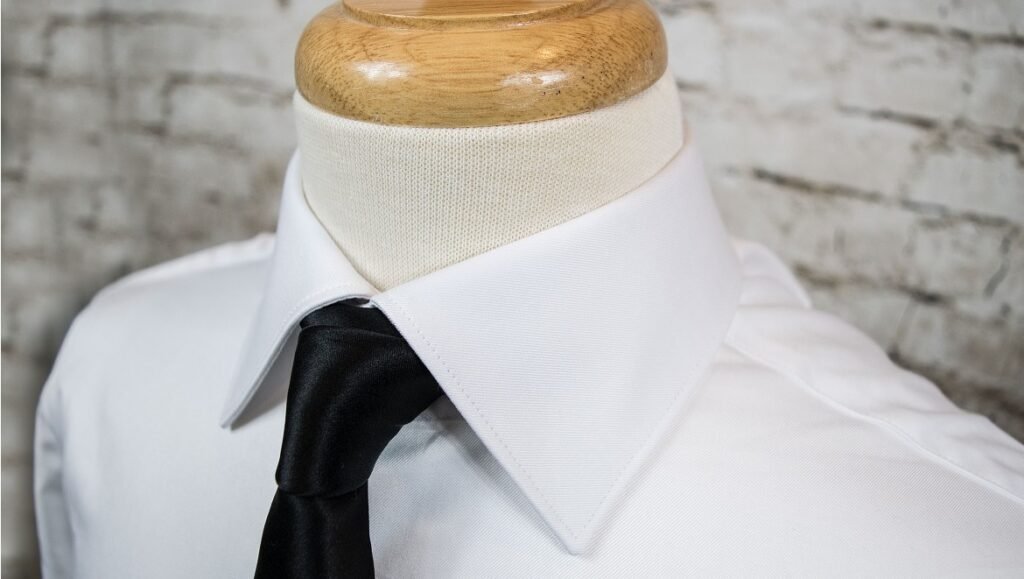
The classic Spread Collar features wider collar points than the standard Point Collar, making it highly versatile and flattering on almost everyone. It is suitable for a wide range of occasions, from business meetings and weddings to casual daily wear. A great example of versatile designs from a dedicated clothing manufacturer.
Versatility in Ties: The increased space allows it to be worn successfully with larger tie knots, such as the Windsor or Half-Windsor, as well as smaller knots. It’s also ideal for thicker ties made of materials like wool or cashmere.
Note that this style includes variations like the “semi-spread,” “Kent collar,” and “English spread collar,” all relating to the degree of spread between the points.
The Button-Down Collar

Popularized in the US by Brooks Brothers, this collar originated with English polo players. The collar tips are secured to the shirt body by small buttons. It’s a staple in Ivy and Prep styles.
Key Feature: Because the collar is usually soft, the longer points create an elegant “collar roll” over a tie knot. The collar roll is a sophisticated way to wear a shirt open-necked while maintaining structure.
For those who find the exposed buttons too casual, the Hidden Button-Down offers the same structure with concealed snaps or loops.
The Cutaway Collar
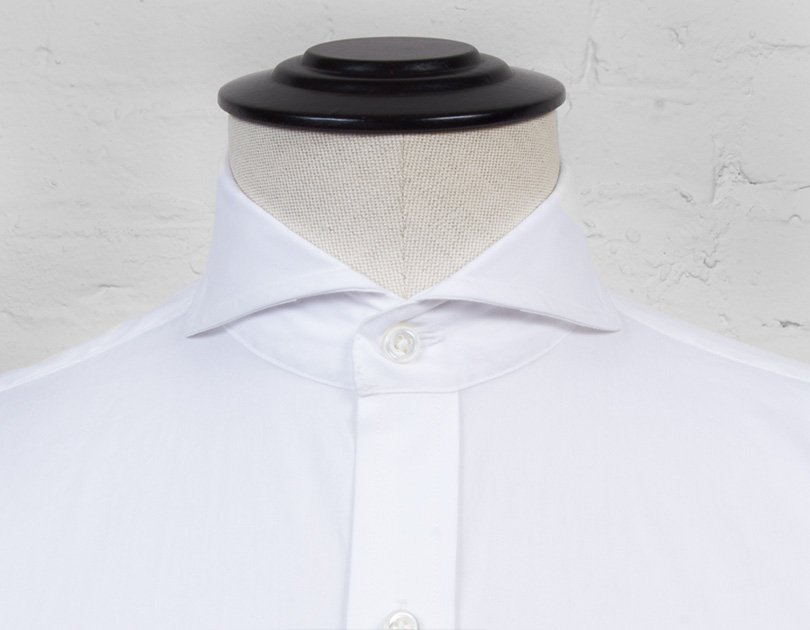
Featuring a much wider angle than a typical Spread Collar, the Cutaway (sometimes called the Extreme Cutaway) has tips that seem “cut away” from the neckband. In some versions, the collar points form a straight line across the neck.
⚠ Ideal Pairing: It requires a large tie knot (like the Windsor) to fill the substantial gap and prevent the tie’s body from showing. Wearing a standard four-in-hand can create a distinctive, relaxed look known as “sprezzatura.”
Other Notable Men’s Collar Styles
- Spearpoint Collar: A vintage style from the 1920s and 30s with extremely long, closely spaced points. Often worn with a collar pin or clip.

- Tab Collar: A classic, retro look where an underneath tab fastens the two collar leaves, raising the tie knot for a unique effect. This style must be worn with a necktie.
- Pin Collar: Designed with unique eyelet holes for a collar pin, clip, or bar to close the gap between the points and elevate the tie. This detail is a mark of sophistication, similar to cufflinks.

- Club Collar (Penny Collar): Distinguished by its rounded points and narrow spread, originating at Eton College. It provides a highly classic and vintage aesthetic.

- Band Collar (Mandarin Collar): A short, unfolded, stand-up collar without points or a fold-down leaf. It’s a contemporary, often tieless style, providing a clean, minimalist look.

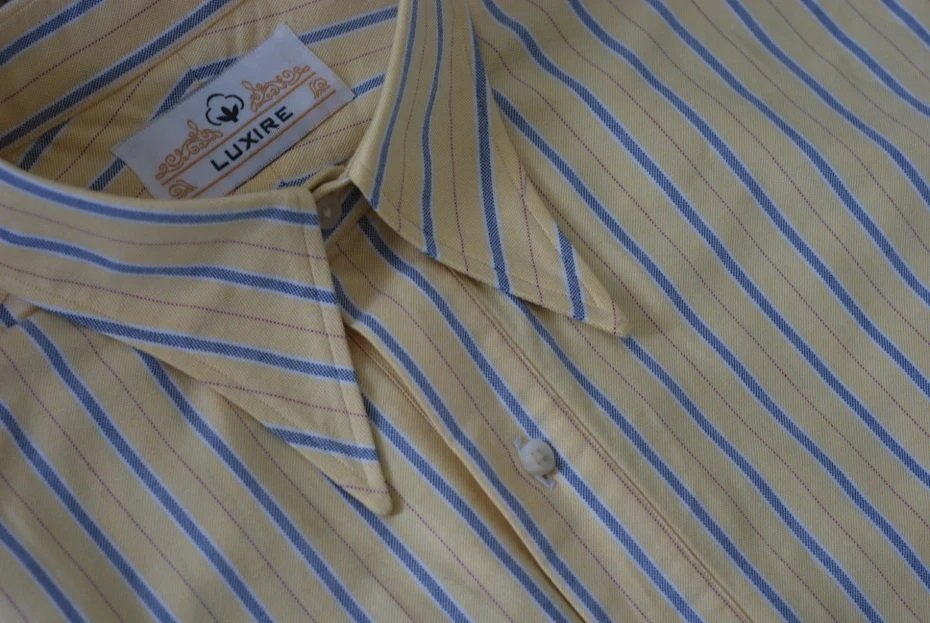

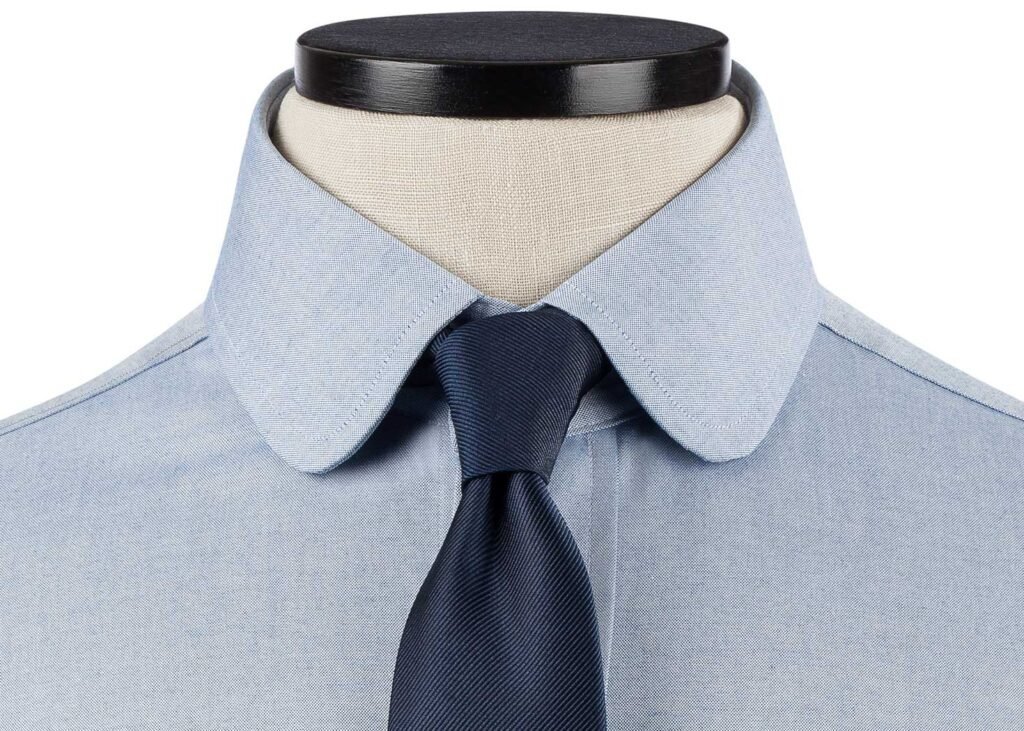

Many of these classic designs are still being produced by modern garment houses, ensuring that you can find a suitable collar from a reliable clothing manufacturer today.
Formal and Casual Specialty Collars (Men)
⛽ For Evening Wear
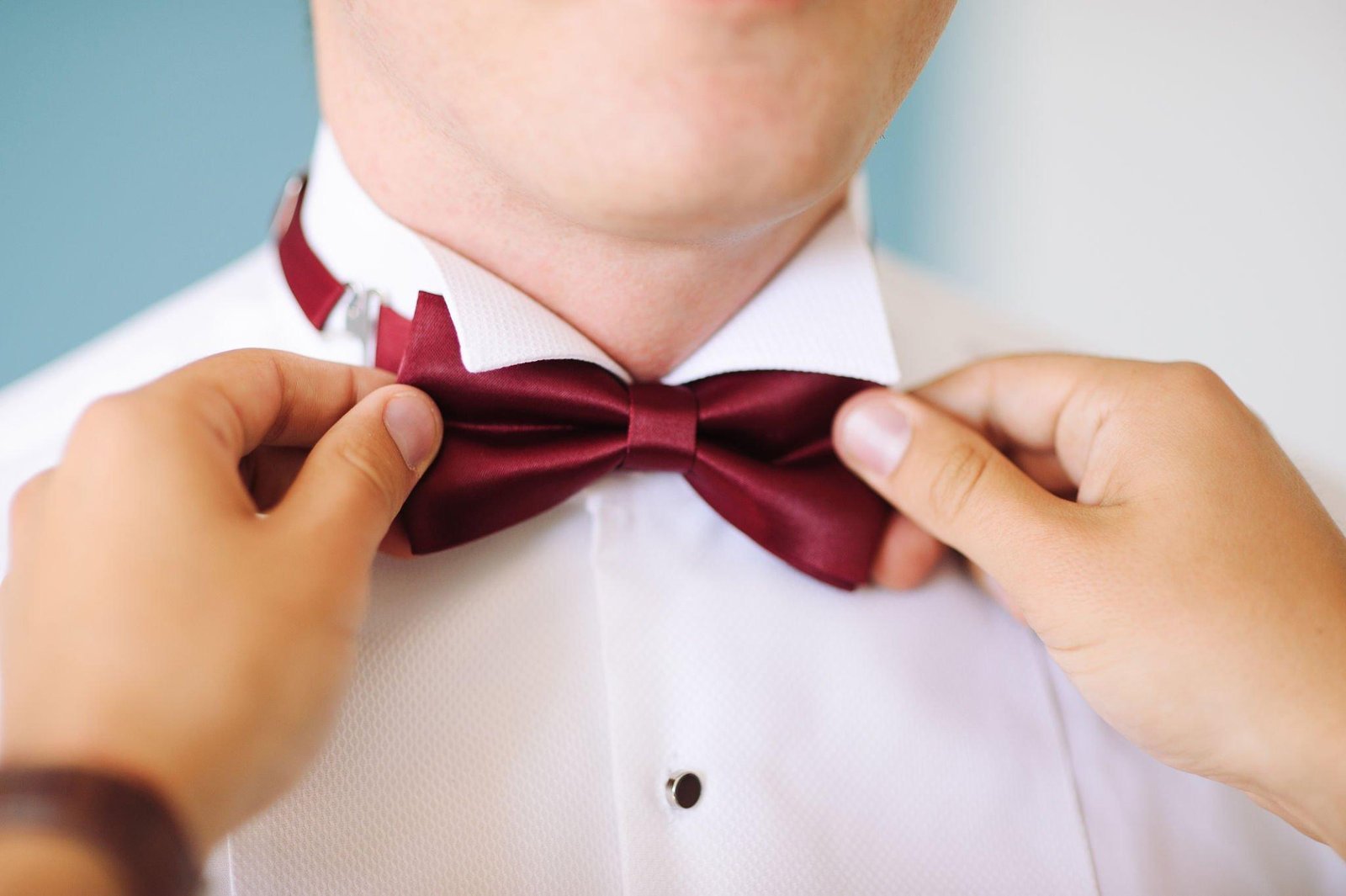
- Tuxedo Shirt Collars: The Spread Collar is the most appropriate and timeless choice for black tie, offering the perfect formal balance.
- Wing Collar: Reserved for the most formal occasions (often white tie), where the tips stand up and are pointed horizontally, resembling wings. It is almost always paired with a bow tie.

☀ For Warm Weather/Casual
- Pajama Collar (Cuban/Bowling Collar): A flat, open, two-part collar often seen on Hawaiian or “Aloha” shirts. It is strictly a casual style.
- One-Piece Collar (Cooper/Hollywood Collar): Uncommonly found, this collar is cut from the same cloth as the shirt placket, giving it a high stand and an exceptional “collar roll” when worn open.

Distinct Collar Styles for Women’s Shirts and Blouses
Women’s fashion offers an equally exciting range of collar types, blending elegance, modesty, and trend-setting design. Quality pieces can be sourced from a professional clothing manufacturer.
The Shawl Collar
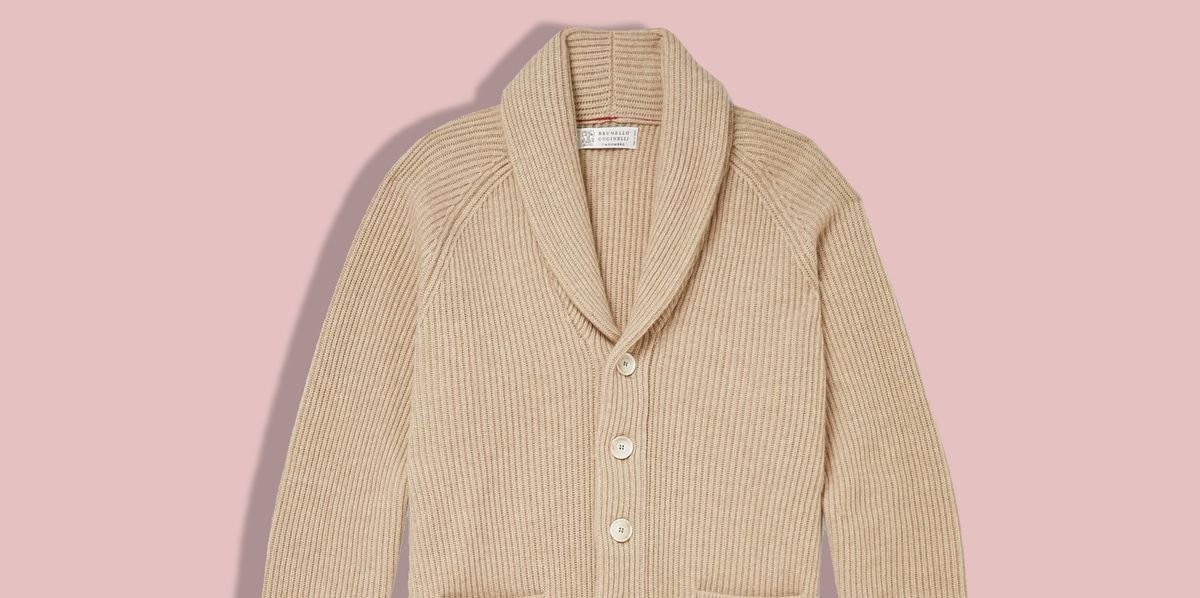
A classic, sophisticated style defined by an overturned collar that merges with the lapels, creating an uninterrupted, round, curving line. This V-neckline with a round collar elegantly emphasizes the collarbone and is frequently seen on formal jackets, skirts, and blouses.
The Mandarin Collar (Women’s Variation)

Similar to the men’s Band Collar, this is a short, stand-up collar (typically 3-4 cm high) with either straight or rounded borders. It makes a strong, minimalist statement. Due to its high placement, it is best worn without extravagant necklaces or jewelry.
The Peter Pan Collar

Named after the costume worn by actress Maude Adams, this collar is large, flat, and features delicately curled, rounded edges around the neck. It is popular on dresses and blouses and is known for lengthening the neck and making the shoulders appear smaller. The Peter Pan collar is often elegant enough to stand on its own without a necklace. A dedicated clothing manufacturer can reproduce this classic detail perfectly.
The Jabot Collar

Gaining prominence in the 19th century, the Jabot is highly distinctive, often featuring precious ruffles, pleats, and delicate lace materials that cover the entire neck area. It beautifully complements a glittering brooch as its primary accent. This sophisticated style requires a skilled clothing manufacturer for execution.
Key Factors for Selecting the Right Collar Style
Choosing the perfect collar goes beyond personal taste; it involves considering the context, your face shape, and the overall formality of the event. Keep these variables in mind:
➤ Stiffness and Formality
The stiffer a collar, the more appropriate it is for a formal setting (e.g., heavily starched Wing Collar). Conversely, a softer collar, such as a Button-Down, is better suited for a more relaxed and casual atmosphere.
➤ Collar Height and Presence
Collar height is the measurement of how high the collar sits on your neck, from the fold to the tip. Higher collars tend to convey a more formal and authoritative presence, which should be considered when selecting attire for the office.
➤ Collar Spread and Face Shape
The spread is the distance between the collar points. Wider spreads (like the Cutaway) are often better for individuals with round faces or larger features, as they help to balance the overall look. Narrower spreads (like the Point Collar) can elongate a face.
➤ Tie Knot Compatibility
Always ensure the spread of the collar can accommodate the size of your preferred tie knot. A large Windsor knot needs a Spread or Cutaway collar to sit correctly, while a Four-in-Hand is suitable for almost all spreads, including the narrow Point Collar.
Frequently Asked Questions (FAQ) About Shirt Collars
Q: Which shirt collar is the most versatile for men?
A: The Spread Collar is widely considered the most versatile. Its moderate spread accommodates various tie knots, including the Half-Windsor and Four-in-Hand, making it suitable for both formal business settings and smart-casual events.
Q: Should I use collar stays with all my shirts?
A: Collar stays are primarily used for Point Collars and Spread Collars to keep the tips crisp, flat, and tidy against the shirt. They are not necessary for soft collars like the Button-Down or specialty collars like the Wing or Band Collar.
Q: What is the difference between a Band Collar and a Mandarin Collar?
A: While the terms are often used interchangeably, both refer to a short, stand-up collar without a fold-down leaf. The Mandarin collar specifically references the Asian origins and often has slightly rounded edges, while the Band Collar is a more general term in Western tailoring.
Q: When is the Wing Collar appropriate to wear?
A: The Wing Collar is reserved for the most formal evening wear, typically White Tie events. While some wear it with a tuxedo (Black Tie), the Spread Collar is generally the more classic choice for the latter. It is nearly always paired with a bow tie.