Nothing in the context of washing radiates freshness and purity like brilliant white clothing. Bleaching is a straightforward yet powerful method anybody can learn to achieve the whitest possible garments. Learning “how to bleach clothes” can answer all your laundry-related problems, whether you’re trying to revive fading favourites or keep your whites as bright as ever.
Come along with us as we explore the gentle art of fabric brightening, simplifying the process, and offering helpful advice to help you breathe new life into your wardrobe mainstays by educating you on how to bleach clothes white. With the help of this simple guidance, get ready to discover the secrets of brilliant whites.
Understanding Bleach

The multipurpose home staple bleach can refresh and rejuvenate various objects, including clothing and linens. Bleach is fundamentally a chemical that either dissolves or lightens colour, making it an efficient stain and discolouration remover.
The most widely used bleach is chlorine bleach, which contains sodium hypochlorite as its main component. Stains and textiles become colourless when this powerful substance dissolving the chromophores dissolves them.
While bleaching white clothes, bleach should be treated carefully because of its potency, which may be both a benefit and a disadvantage. Gaining full benefit from bleach while protecting your prized fabrics requires understanding its subtleties, its many varieties, and how to use it correctly.
Bleach with oxygen is the alternative. For colorful materials, oxygen bleach is softer and more secure. Given bleach’s possible side effects, adhering to safety precautions is imperative.
How to Bleach Clothing: A Step-by-Step Guide
Bleaching clothes white requires proper preparation and handling to ensure efficacy and safety. To assist you with the process, here is a step-by-step guide:
Choose the Right Bleach Type
There are several bleach varieties available, including chlorine bleach and oxygen bleach. Choose the kind that would best fit the fabric and stain removal requirements. While oxygen bleach is kinder and color-safe, chlorine bleach is more powerful yet can be harsh on some materials.
Check Fabric Labels and Sort Clothes
Always read the care instructions on your garment before bleaching clothes. Some textiles are not bleach-safe and might be harmed or stained by the chemical reaction of the bleach. Sort your white clothing first by fabric type and washing instructions.
Since various materials may respond to bleach in different ways, combining like products is crucial. By doing this, possible harm or discolouration brought on by uneven bleaching fabric is avoided.
Ventilation and Safety Gear
Working in a well-ventilated environment is important since bleach fumes may be potent. To further protect your skin and clothing against unintentional spills, put on protective clothing such as gloves and an apron.
Dilution
Bleach containing chlorine must be diluted before use. According to the directions mentioned on the bleach container, get the proper dilution ratio. Typically, it is advised to use 3 gallons of water and 1 cup of bleach while washing clothes.
Testing
It is advisable to run a colourfastness test on a hidden region before using bleach on the entire garment. Apply diluted bleach carefully, then check for colour alterations or other damage.
Application
Treat the soiled or discolored areas with diluted bleach if your clothing passes the colorfastness test. You can use a clean sponge, cloth, or even a clean toothbrush for more accuracy.

Soaking
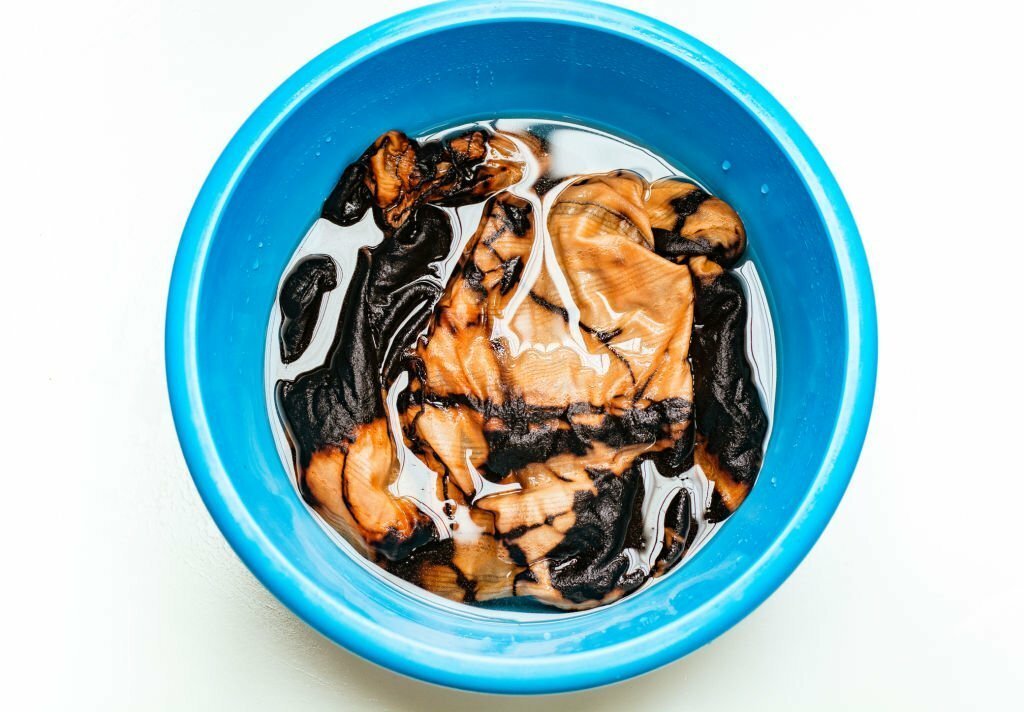
Use a bleach soak for harder stains or general brightness. Put the right amount of bleach and water in a sink or basin, then submerge the item for the advised time (typically between 5 and 15 minutes).
Rinsing and Washing
After the necessary amount of time, properly rinse the clothing in cold water to get rid of any bleach that is still on it, especially if you want to see if you can bleach cotton. To ensure that all bleach is removed, rinse several times. It’s important to note that while bleaching can be used on cotton fabric, proper rinsing is essential to prevent damage or weakening of the fibres.
Wash the bleached item separately from other clothing to avoid any color transfer and potential damage to other garments. Use a typical laundry detergent and abide by the recommendations on the care label to maintain the integrity of the fabric and ensure the longevity of your clothing.
Safety First
Wash your hands, utensils, and surfaces you brought into touch with bleach after using it. Place bleach in a dry, cool spot from the way of kids and the sun.
Pre-treating Stains
While stains are unavoidable in daily life, they don’t have to permanently damage our beloved clothes. Pre-treating stains entails focused action to disintegrate and loosen resistant stains before the start of the real laundry procedure.
Whether it’s a coffee spill or an inkblot, being on time and employing the proper methods are crucial. There are several ways to efficiently pre-treat stains, ranging from commercial enzyme-based stain removers to DIY remedies like a combination of baking soda and water.
By incorporating the knowledge of how to bleach a shirt white and pre-treating stains, you ensure that your whites look spotless upon release and maintain their freshness over time. Pre-treating stains and mastering the art of shirt bleaching demonstrates your commitment to keeping a wardrobe that exudes immaculateness, and in which each item of clothing tells a tale of resistance to life’s tiny tragedies.
Choosing the Right Bleach

When to Use Chlorine Bleach?
With its powerful stain-fighting capabilities and transformational whitening results, chlorine bleach (also known as bleach for white clothes) is a trusted partner in fabric brightening. This kind of bleach works particularly well on difficult stains and severe discolorations because it contains sodium hypochlorite, a potent chemical that efficiently breaks down color molecules.
Because of its flexibility, it may be used to remove mould and mildew from washroom surfaces and clothes. While chlorine bleach works well to remove stains, it must be handled carefully owing to its potent chemical composition.
This bleach on white clothes works the best. It is also used for light-coloured materials, but take caution when cleaning colorful or delicate fabrics as it may fade or harm them. Diluting chlorine bleach is important for optimal usage, and adhering to the manufacturer’s recommendations is crucial.
When to Opt for Oxygen Bleach?
Oxygen bleach is a reliable helper for individuals looking for a softer whitening and stain removal method especially when considering color theory for clothing. In contrast to its chlorine peer, oxygen bleach uses hydrogen peroxide as its main ingredient, making it a safer option for delicate clothing and materials.
When employing oxygen bleach, oxygen ions are released, breaking down stains and filth without harming or fading the fabric’s integrity. In addition to colored linens, carpets, and clothing, it can be applicable to a variety of materials since it is color-safe.
Among its advantages is the ability to operate in cold and warm water, saving energy for various washing methods. However, oxygen bleach might be less efficient than chlorine bleach against stubborn, embedded stains.
However, oxygen bleach is a dependable choice for routine maintenance, color retention, and a gentler method of whitening that finds a balance between effectiveness and fabric care. To get the desired results and protect your clothing simultaneously, always remember to follow the product’s directions.
How Long Does It Take Bleach To Whiten Clothes?
The question “can you bleach white clothes” is commonly asked when attempting to lighten fabric, and the answer lies in understanding the variables at play. The time it takes to lighten cloth varies based on elements, including the bleach’s type, concentration, composition, and color. When considering the option to bleach white clothes, it’s important to note that due to its potent oxidizing agents, chlorine bleach reacts more quickly than oxygen bleach, which takes longer to function.
The types of fabric used also matter since natural and lightest fabric types like cotton brighten more quickly than synthetic ones. The process of lightening may often be completed in a matter of minutes to thirty minutes, although careful supervision is required to avoid over-lightening or fabric damage.
How to Bleach White Clothes Without Fading Them?
How to Bleach Clothes
A few easy but effective steps may be taken to preserve the timeless appeal of white clothing and avoid fading. To reduce the danger of color transfer, keep colored and white clothing separate throughout laundry cycles.
Choose a high-quality detergent to preserve colors or whites when choosing. While bleach is sometimes used to brighten, frequent usage might hasten fading, so minimizing its use is best.
White clothing’s brightness and color loss are reduced when washed in cold water. White clothing should be dried in the shade or indoors to avoid yellowing and fabric degradation caused by prolonged exposure to direct sunlight.
Lastly, store white clothing in a cool, dry location away from direct sunlight to avoid long-term discoloration. You may lengthen the life of your white garments and appreciate their timeless elegance by including these strategies in your laundry schedule.
Ending Note
With this guide on “how to bleach colored clothes to white” you are now prepared to make your whites stand as a tribute to diligent care and timelessness as you stand at the junction in this thorough guide, armed with information and useful guidance. Now that you’ve started walking on the path of fabric lightening with style and confidence let your clothing sparkle with spotless whites.