The Essential Guide to Activewear Fabrics: Choosing the Right Material for Your Brand
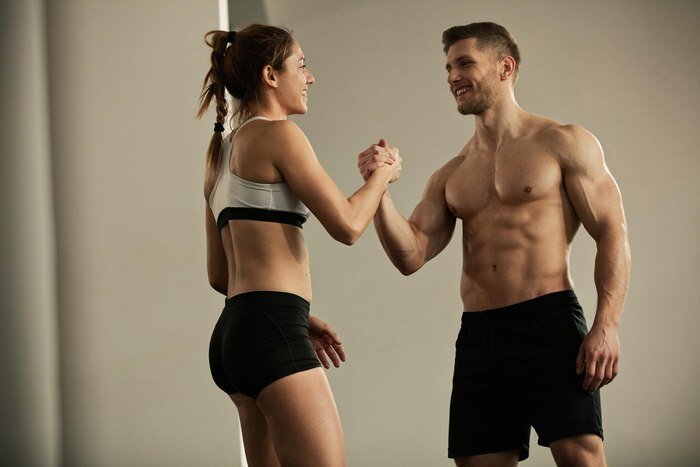
The world of fashion has fundamentally shifted with the rise of athleisure. Gone are the days when performance wear was confined solely to the gym. Today, pieces like sleek leggings, technical hoodies, and stylish tracksuits are integrated into daily street style and even dressed up for semi-formal settings. This evolution means that the demands on activewear fabrics are higher than ever, requiring a blend of aesthetics, comfort, and high performance.
⭐ Why Fabric Selection is Non-Negotiable
If you are venturing into launching your own sportswear or activewear brand, the single most critical decision you will make is the choice of fabric. The right material is pivotal for ensuring a comfortable, enjoyable, and effective workout experience. Nobody wants to be weighed down by sweat in a restrictive, warm, and clammy outfit. Investing in quality, performance-driven materials is key to your brand’s success and customer satisfaction. To source the best materials for your designs, consider partnering with a reliable clothing manufacturer.
Key Sportswear and Activewear Fabric Properties to Consider
When developing your activewear line, always circle back to the garment’s intended use and how the fabric’s features contribute to that function. Different activities require different fabric characteristics.
🔍 Functional Performance Properties
- • Moisture-Wicking: Essential for quickly drawing sweat away from the skin.
- • Breathable & Lightweight: Crucial for air circulation, keeping the wearer cool and dry.
- • Anti-Bacterial/Anti-Stink: Prevents the growth of odor-causing bacteria.
- • Quick Evaporation: Fabrics that dry quickly to avoid clamminess.
- • Anti-Chafe: Important for high-intensity or long-duration workouts.
🤸 Physical Characteristics & Feel
- • Stretch & Flexibility: The ability to move without restriction (e.g., the ‘squat test’).
- • Durable & Resilient: Ensuring the garment withstands repeated washing and intense activity.
- • Hand Feel: How the fabric feels on the skin (soft, smooth, etc.).
- • Density & Weight: From ultra-light tops to supportive, thicker bottoms.
- • Shape Retention: Maintaining the garment’s form over time and use.
🚨 Why You Must Avoid Cotton for Performance Activewear
While cotton is a beloved, breathable, and hypoallergenic fabric for everyday clothing, it is a significant drawback for true activewear and sportswear. Cotton is hydrophilic, meaning it retains a large amount of water and takes an exceptionally long time to dry. When wet, cotton becomes heavy, clammy, and restrictive, which can lead to uncomfortable chafing in warm weather or even increase the risk of hypothermia in cold conditions. Always opt for synthetic, moisture-wicking alternatives for a superior workout experience.
Fabric Deep Dive: Essential Materials for Your Activewear Line
Below is an in-depth look at the most popular and effective fabrics used by top clothing manufacturer partners for activewear and sports apparel.
- Jersey
- Interlock / Double Knit
- Jacquard Knit
- Mesh
- Tricot
- Scuba / Neoprene
- Rib Knit
- Taslan
- Microfiber
- French Terry
1. Jersey Knit: The Versatile Core Activewear Fabric
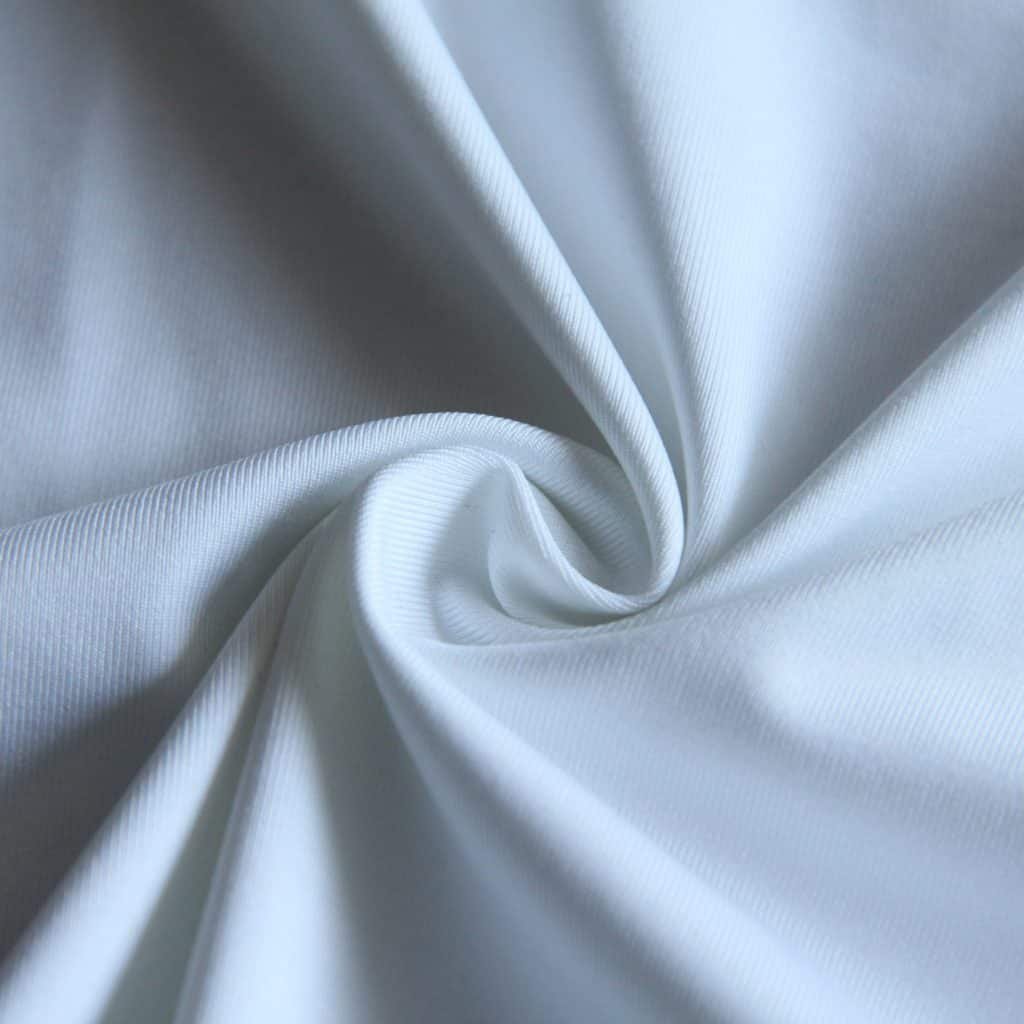
Also known as single knit, jersey is one of the most fundamental and widely utilized weft knitting types in the apparel industry. Its signature close knits result in a lightweight, stretchy, highly absorbent, and breathable fabric. This makes it an excellent choice for a wide range of activewear items, serving as a comfortable base layer or primary material. Consider using high-quality jersey from a reputable clothing manufacturer for your core range.
✅ Pros
- Stretchy and versatile
- Wrinkle-resistant
- Lightweight yet durable
❌ Cons
- Prone to piling
- May snag
Recommended for: Sports bras, tanks, leggings, bike shorts, tracksuits, running tops.
2. Interlock / Double Knit: Softness Meets Structure
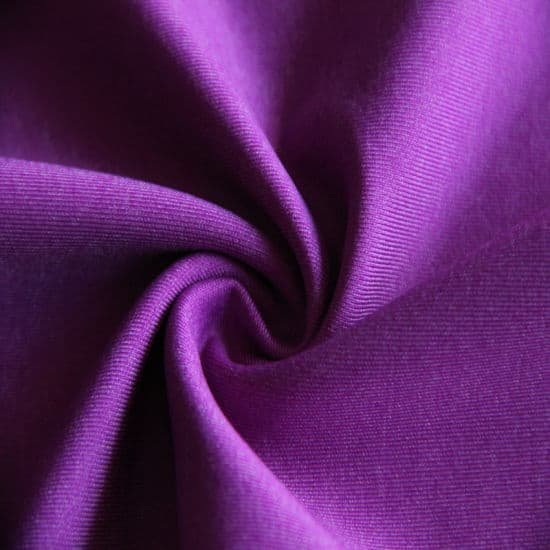
Interlock fabrics are characterized by their double knit construction, a variation of the rib knit. This process creates a thicker, softer, and more absorbent material that remains breathable and light despite its increased weight and firmness compared to a single jersey. The result is a premium-feel fabric that offers excellent insulation and a smooth, reversible texture, perfect for high-end activewear and undergarments.
✅ Pros
- Soft and comfortable
- Reversible and smooth texture on both sides
- Does not roll or curl at the edges
- Naturally stretchy and thick
❌ Cons
- May snag, fuzz, or pile
Recommended for: Sports bras, premium leggings, hoodies, jackets, track pants, running tops.
3. Jacquard Knit: Style and Performance Combined
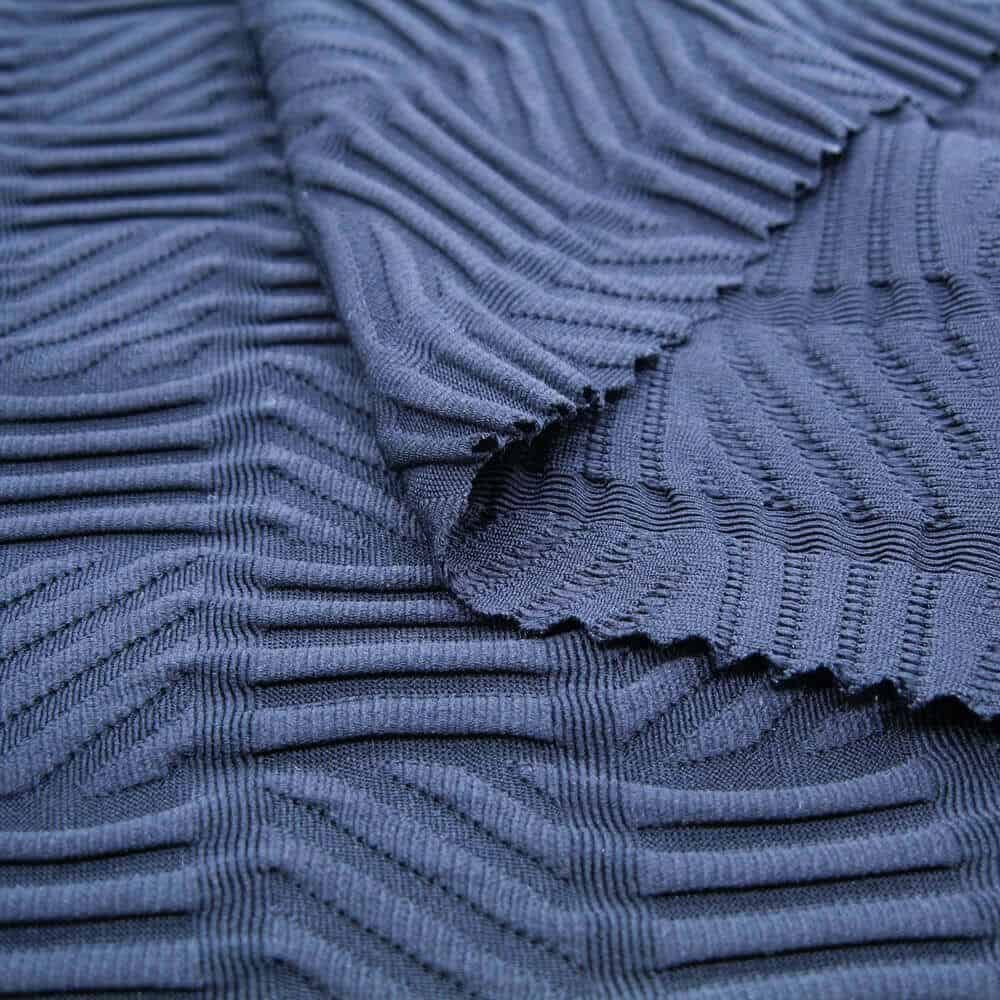
Jacquard knits are distinct because their intricate pattern is knitted directly into the material using a Jacquard mechanism, unlike simple printing. Typically made from performance fibers like nylon or polyester, this fabric offers superior stretch, breathability, and a flexible drape. The woven-in pattern is long-lasting and fade-resistant, adding a durable, elegant, and unique aesthetic to activewear garments.
✅ Pros
- Unique, fade-resistant pattern
- Thicker than most knits, offering better coverage
- Stretchy, flexible, and wrinkle-resistant
❌ Cons
- Fabric may catch onto things and snag
Recommended for: Patterned leggings, structured sports bras, tanks.
4. Mesh: Maximum Ventilation and Airflow
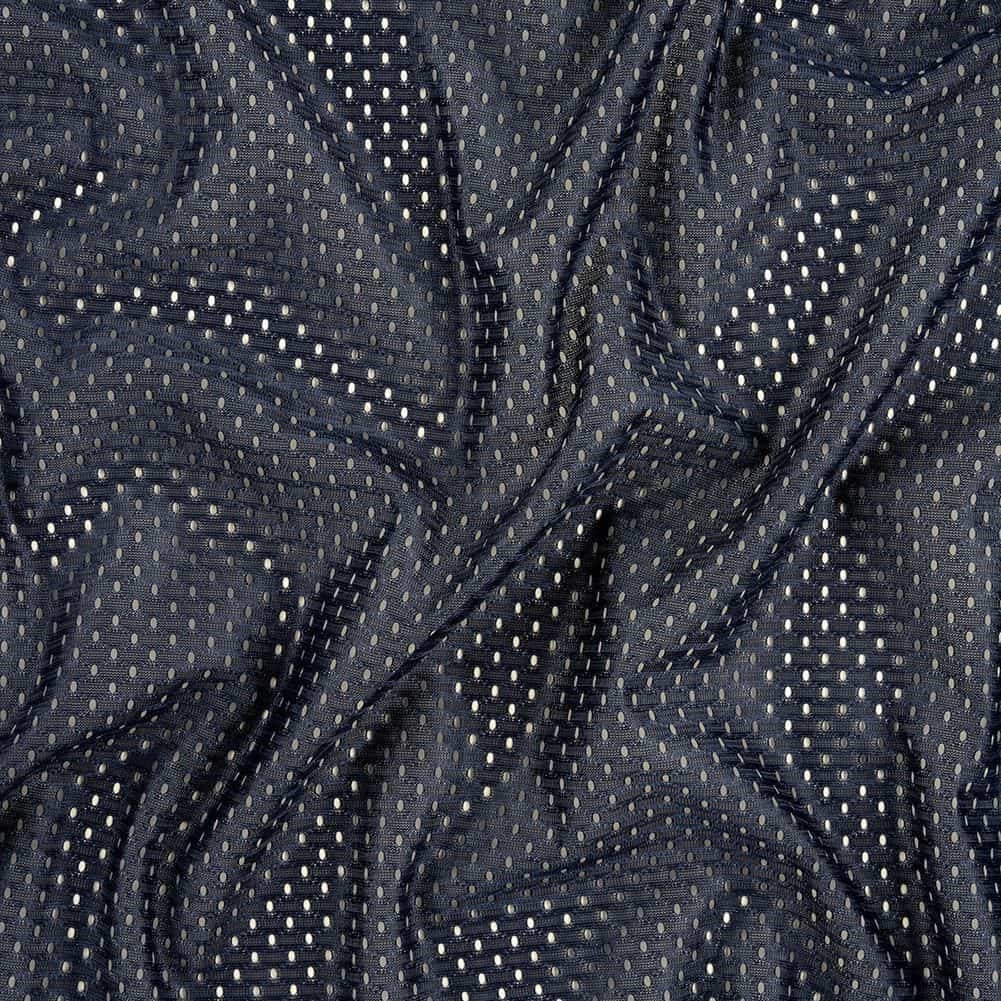
Mesh is instantly recognizable by its characteristic net-like, open-hole structure, created through loose weaving or knitting. This design allows for superior ventilation and rapid sweat wicking, making it indispensable for high-heat environments and intense activities. Despite its airy nature, quality mesh is engineered to be durable and resistant to tearing. It’s often used as an accent or for entire breathable panels.
✅ Pros
- Excellent ventilation and breathability
- Wicks sweat and moisture away quickly
- Durable and resistant to rips/tears
- Mildew resistant
❌ Cons
- Open holes can easily snag
Recommended for: Running tops, ventilation panels in jackets and leggings, running shorts, sports bras.
5. Tricot: Resilience and Shape Retention
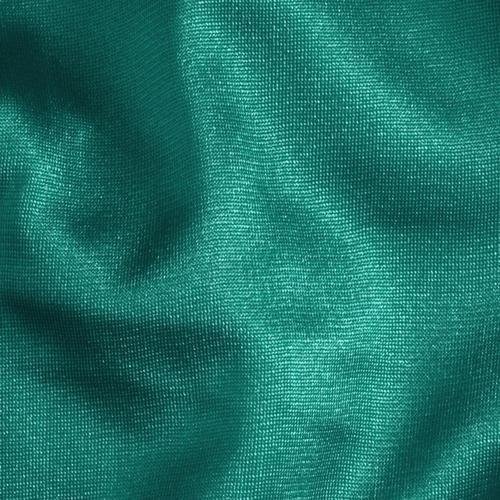
Tricot is a smooth-textured knit known for its outstanding resilience and shape stability. It conforms well to the body while being durable, breathable, and possessing excellent water-absorbing and quick-drying properties. Tricot can be easily enhanced with functional yarns to provide specialized benefits, such as deodorizing or heat retention, making it a highly versatile foundation for a suite of activewear products. When partnering with a clothing manufacturer, specify these potential enhancements.
✅ Pros
- Durable and resilient
- Excellent elasticity and shape stability
- Crease and wrinkle-resistant
- Highly customizable with other yarn properties
❌ Cons
- Fabric surface snags easily
Recommended for: Running shorts, running tops, hoodies, jackets, tracksuits.
6. Scuba & Neoprene: Structure and Support

Differentiating Scuba and Neoprene:
- Neoprene: A synthetic rubber foam sandwiched between two layers of fabric. It is highly insulating and mainly used for wetsuits, often too hot for general activewear.
- Scuba: The ‘fashion version’ of neoprene. It’s a double-knit fabric made from spandex and polyester, offering a smooth, springy texture. Scuba provides excellent shape retention and can be left with raw, non-fraying edges.
Both fabrics offer a structured fit and silhouette, providing great support and weather resistance. For general activewear, scuba is often the preferred choice due to its lighter weight and better versatility, though thinner neoprene can be used for cooler climates.
✅ Pros
- Holds shape very well and provides structured fit
- Stretchy, weather, and stretch-resistant
- Excellent support (especially for compression)
❌ Cons
- Can feel very hot in warmer, tropical climates
Recommended for: Structured leggings, bike shorts, form-fitting hoodies and jackets.
7. Rib Knit (Nylon/Polyester): Texture and Enhanced Elasticity
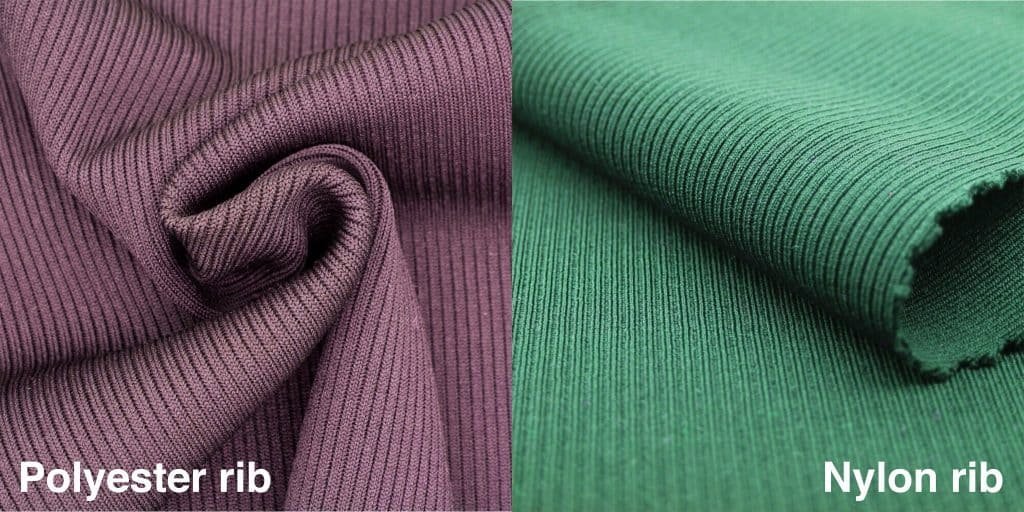
Rib-knit fabrics are created using alternating raised and lowered rows of knit and purl stitches, resulting in superior cross-grain elasticity and durability compared to plain knits. For activewear, rib knits made from polyester or nylon blends are highly recommended for their lightweight and moisture-wicking properties. The parallel rib pattern adds a unique, appealing texture to essential items like leggings and bike shorts, while providing excellent movement.
✅ Pros
- Highly elastic and durable
- Moisture-wicking (when synthetic)
- Unique ribbed texture
❌ Cons
- Fabric may fray if unraveled
Recommended for: Leggings, bike shorts, sports bra detailing, trims.
Performance Outerwear Fabrics: Wind, Rain, and Weather Resistance
For activewear that needs to perform outdoors—such as running jackets, windbreakers, or tracksuits—these fabrics combine durability with weather-resistant properties. Finding the right clothing manufacturer specializing in technical outerwear is key here.
Taslan: The Water-Resistant Performer
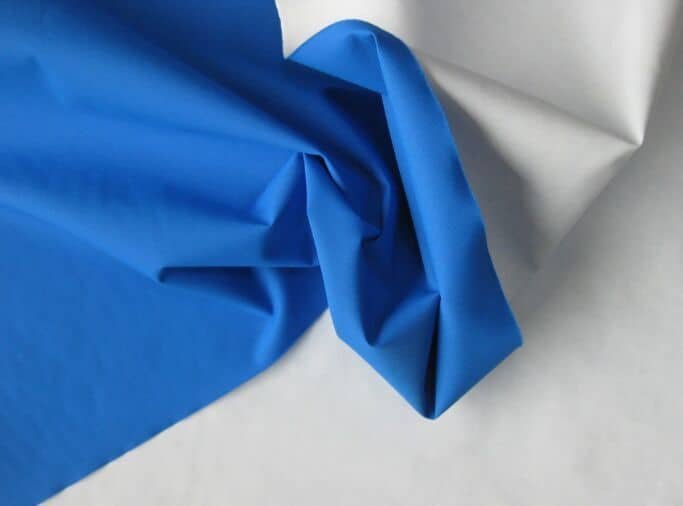
A highly durable, lightweight polyamide fabric often treated with water-repellent properties. Taslan resists wind, rain, and stains while remaining breathable. A resilient choice for all-weather gear.
Best for: Windbreakers, light jackets.
Microfiber: Softness and Rapid Moisture Wicking
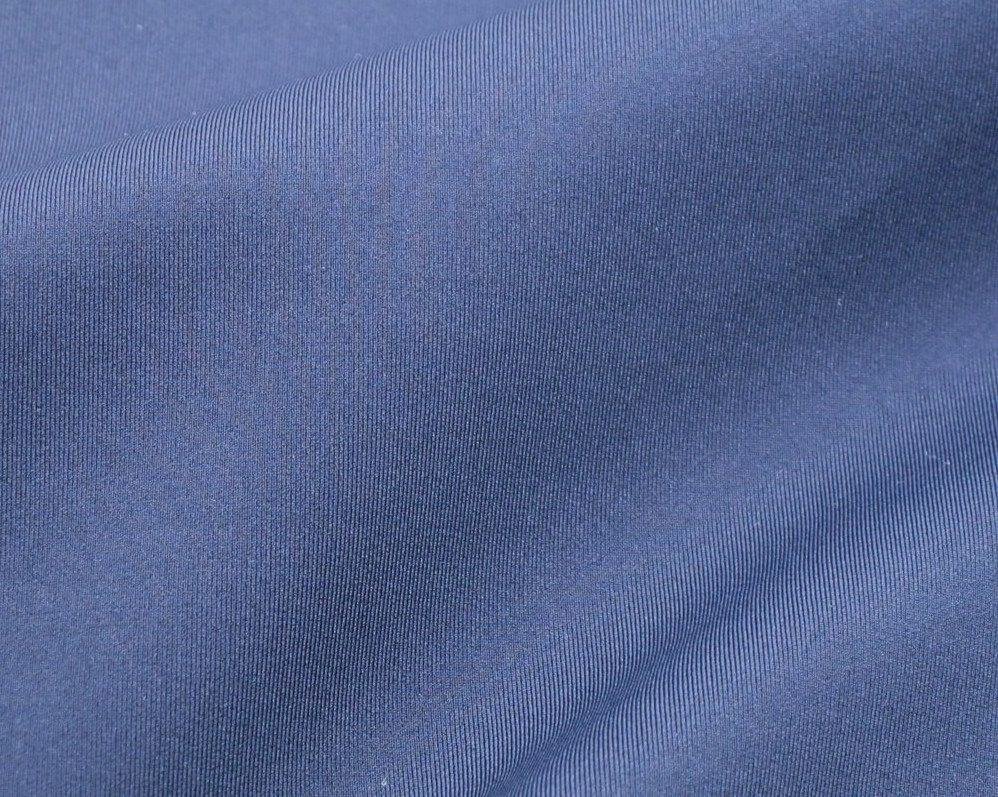
Made from ultra-fine synthetic fibers, microfiber is incredibly absorbent yet water-repellent. It excels at wicking moisture from the skin while being elastic, durable, and lightweight. A popular choice for both inner and outer athletic wear.
Best for: Windbreakers, light shirts.
Ripstop: Ultimate Durability
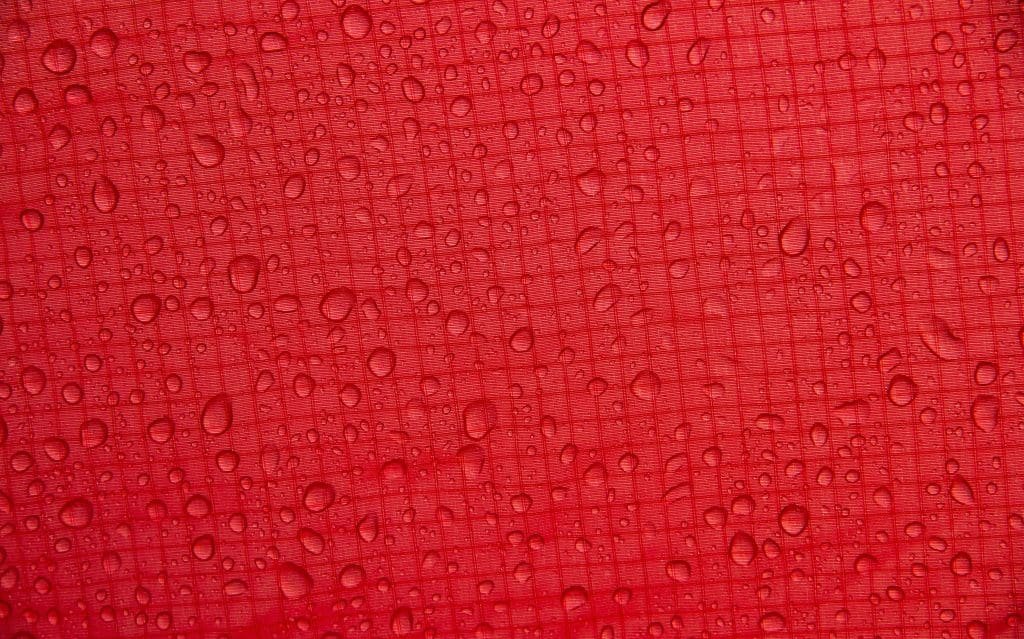
Characterized by its balanced square weave with extra reinforcement yarns, Ripstop is designed to prevent ripping and tearing. This highly durable, strong, and lightweight fabric can also be treated to be water-repellent, making it ideal for technical and outdoor gear.
Best for: High-performance windbreakers, tactical shorts.
Pongee: Abrasion and Waterproofing

A thin, soft, and tightly woven durable fabric known for being stronger and denser than standard nylon/polyester. Pongee is waterproof, mildew/mold resistant, quick-drying, and highly abrasion-resistant, making it a top choice for light, protective windbreakers.
Best for: Durable windbreakers, light rain gear.
Comfort and Insulation Fabrics: Perfect for Warm-ups and Recovery
French Terry: Lightweight Loopback Comfort

Features a smooth outer side and a loosely woven, thread-looped inner (the loopback). It’s lighter than conventional sweatshirt fabrics, offering a touch of warmth without the bulk. It is wrinkle-resistant and moisture-wicking, making it ideal for layering and light post-workout comfort.
Best for: Tracksuits, joggers, hoodies, light jackets.
Polar Fleece: Ultralight Warmth
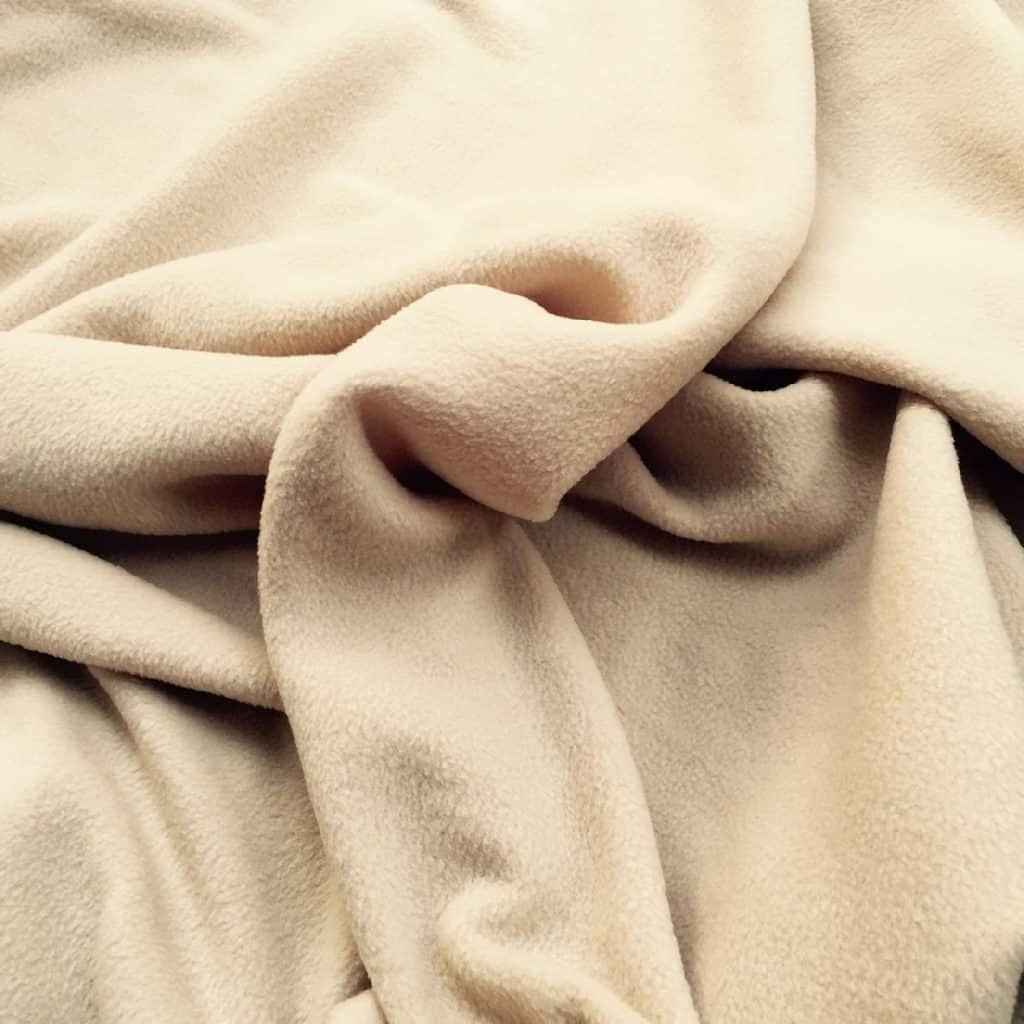
A warm, soft, and plush fabric made typically from lightweight polyester. It is highly insulating and quick-drying, replacing heavy wool for outdoor apparel. Polar fleece is an excellent mid-layer for cold, windy conditions, performing well at a fraction of the weight.
Best for: Hoodies, warm track pants, jackets.
Fleece: Cozy and Versatile Insulation

A synthetic fabric (not to be confused with natural sheep’s wool) woven into a light fabric that is brushed for plushness. It offers good insulation and is moisture-resistant, wicking perspiration while allowing air circulation. It’s versatile, wrinkle-resistant, and cozy for both workouts and casual wear.
Best for: Hoodies, jackets, sweatpants, shorts.
Frequently Asked Questions (FAQ) About Activewear Fabrics
Q: What is the single most important property in a performance activewear fabric?
A: Moisture-wicking is the most critical property. It ensures sweat is drawn away from the skin and quickly spread across the fabric surface for rapid evaporation, keeping the wearer dry, cool, and comfortable.
Q: Why is cotton discouraged for use in sportswear?
A: Cotton is highly hydrophilic, meaning it absorbs and holds water (sweat) heavily. This makes the garment wet, heavy, clammy, and slow to dry, which can cause chafing and discomfort, making it unsuitable for high-intensity activity.
Q: What is the difference between Scuba and Neoprene?
A: Neoprene is rubber foam, highly insulating, mainly for wetsuits. Scuba is a double-knit synthetic fabric (spandex/polyester) used for fashion and activewear; it offers structure and support without the same level of heat retention as traditional neoprene.
Q: Which fabrics are best recommended for high-movement activities like yoga and Pilates?
A: Fabrics that offer high stretch, shape retention, and breathability are key. Excellent choices include high-quality Jersey, Interlock, and Rib Knit fabrics blended with a high percentage of spandex/elastane to ensure non-restrictive movement and ability to pass the ‘squat test’.
Looking to source these high-performance materials? Contact a professional clothing manufacturer to discuss your activewear brand’s needs.