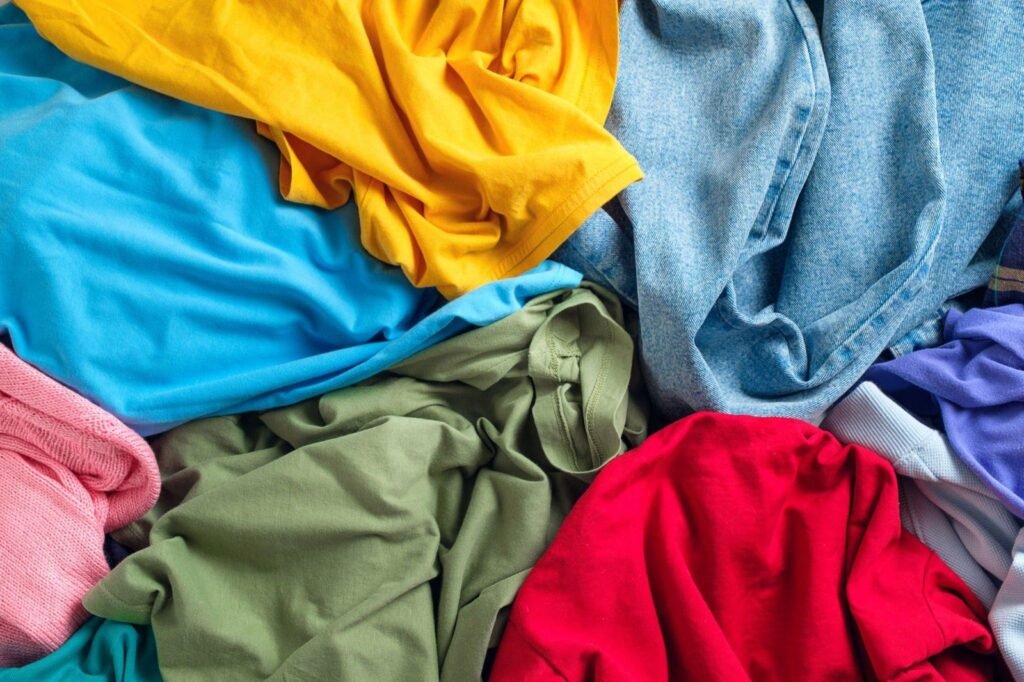
When it comes to designing a new wardrobe, color is a major consideration. It has the potential to affect how customers feel and act. Understanding color theory is essential for any aspiring fashion designer who wants to make an impression with their designs.
The essence of color theory in fashion is the investigation of relationships between hues. The color wheel, color harmony, and the emotional impact of color must all be thoroughly grasped. Color theory is useful for fashion designers because it allows them to build collections that flow together and speak to their target demographic.
The term wheel is a crucial part of every fashion designer’s inventory. This useful tool encourages designers to think beyond the box when describing their work. The color wheel is an essential tool for any designer, but the phrase wheel can take your work to the next level.
Understanding Color
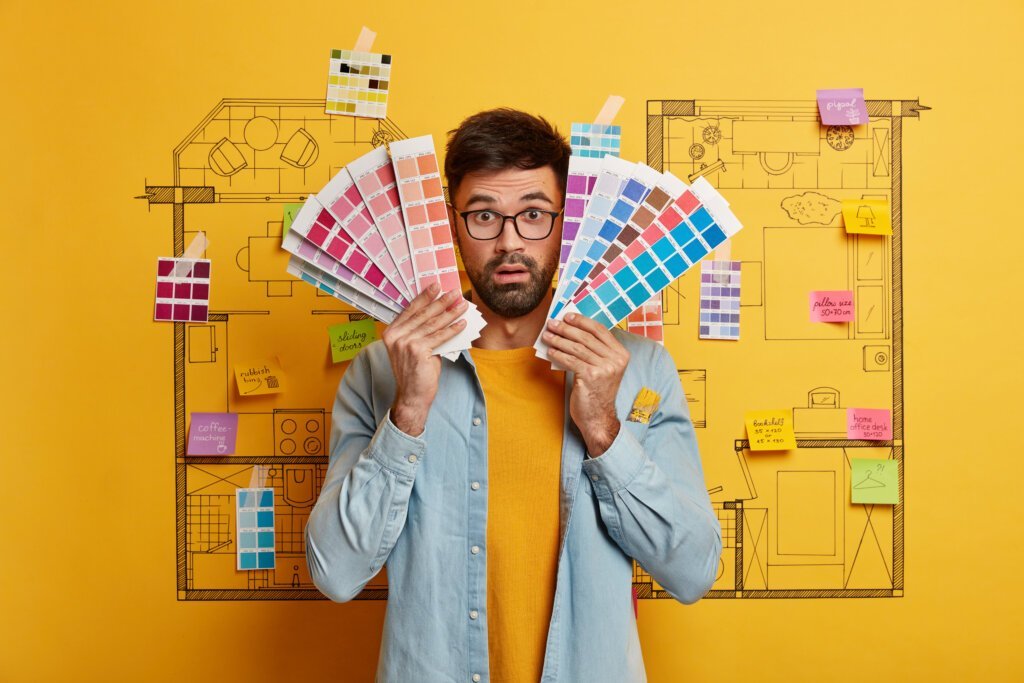
Color is an optical illusion. When we look at something (the sky, for instance), our eyes send information to our brains about what they’ve seen, including the color of the object. Object surfaces reflect light at a wide range of wavelengths. Our eyes detect specific combinations of wavelengths, and our brains interpret those signals as the phenomenon we know as color.
What do you look for while you’re browsing the 82 million cans and bottles in the soft drink aisle, attempting to locate your six-pack of Coke? A red can with a handwritten logo?
In that short amount of time, consumers form an opinion about a product. The choice is determined by color alone 90% of the time. Therefore, you should make color choice a central part of your brand identity.
Colors are seen by humans as differences in the wavelengths of incoming light. Light mixing, also known as the additive color mixing model, is a method for making new hues by combining different amounts of red, green, and blue light. The saturation of a color mixture improves when more light is added to it. Pure white light results when the three primary hues of light are combined.
Red, green, and blue (RGB) are the primary colors used in electronic displays including TVs, screens, and projectors.
Understanding Color Wheel
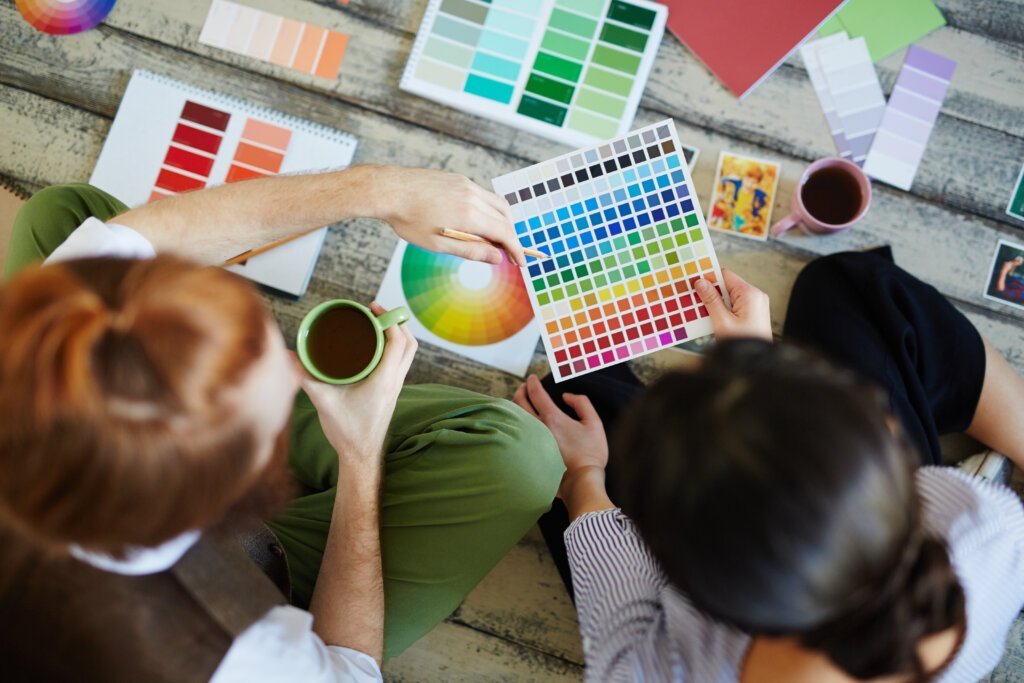
The concept of primary colors is crucial in the field of fashion color theory. There are three primary colors, three secondary colors, and six tertiary colors that make up the color wheel.
The primary colors are
- Red
- Blue
- Yellow
The secondary colors are:
- Orange (created by mixing red and yellow)
- Green (created by mixing blue and yellow)
- Purple (created by mixing red and blue)
The tertiary colors are
- Red-Orange (created by mixing red and orange)
- Yellow-Orange (created by mixing yellow and orange)
- Yellow-Green (created by mixing yellow and green)
- Blue-Green (created by mixing blue and green)
- Blue-Violet (created by mixing blue and purple)
- Red-Violet (created by mixing red and purple)
In the fields of art, design, and fashion, a clothing color wheel is an invaluable resource for learning about color theory and developing original color combinations.
What Emotions Each Color Evokes And Why

The use of color theory to the fashion industry is essential. Color theory is the study of color, including how colors work together, how people perceive them, and how those qualities can be employed to produce aesthetically pleasing designs that trigger specific responses from viewers.
Many different types of design project make use of basic color theory, such as
- Graphic design
- Web design
- Interior design
- Fashion design
They allow you to express yourself visually and convey your thoughts and feelings to the audience.
An efficient, memorable, and influential design often relies on a carefully considered color scheme. It can assist make a design more aesthetically beautiful by establishing a sense of harmony and unity among its constituent parts.
Color wheels are often used as a starting point when developing a color scheme.
A color wheel is a useful fashion design apps for designer, as it allows them to select a color palette based on the connections between colors (such as analogous, complementary, triadic, or tetradic).
Additionally, they can select a color scheme based on temperature, such as
- Warm colors (reds, oranges, and yellows)
- Cool colors (blues, greens, and purples)
It’s crucial to think about the design’s context and goal while deciding on a color palette. For instance, a website for a bank probably shouldn’t use the same bright colors that appeal to kids. Keep in mind that different colors have different psychological effects on people.
The term “primary colors” in the context of fashion color theory refers to the three basic colors and the many different tones of each. For instance, primary colors are typically the most vivid and eye-catching in conventional color theory. However, primary colors may be seen in a more subdued light, with gradations in hue and saturation, in the world of fashion.
Deep red, wine red, and coral red are all variants of the fundamental hue red. These alterations have the potential to inspire a wide range of responses from the audience.
For example, if the designer picks
- A bright, coral red is perfect for creating a sense of playfulness and energy
- A deep red might be used to create a sense of sophistication and elegance
You can use these for your shorts collection.
For the color blue, blue in fashion may have variations such as navy blue, baby blue, or teal. The audience’s mood and emotional state can be altered by these alterations.
For example, if the designer picks
- A light, sky blue is perfect for creating a sense of freshness and energy
- Navy blue may be used to create a sense of authority and power
- Baby blue might create a sense of innocence and purity
These can be used for a flowy dress collection.
For the color yellow, yellow in fashion may also have variations such as mustard yellow, lemon yellow, or butter yellow.
For example, if the designer picks
- A butter yellow that is perfect for creating a sense of warmth and comfort
- Mustard yellow may be used to create a sense of warmth and comfort
- Lemon yellow might create a sense of freshness and energy
These colors can be use for a crop top collection.
The designer’s use of secondary and tertiary color theory fashion for a visually interesting and effective collection that successfully conveys the intended feelings and attitudes to the target demographic. Together, the butter-yellow crop top, coral-red shorts, and light-sky blue flowing dress make a bold statement in the fashion world.
Color Schemes
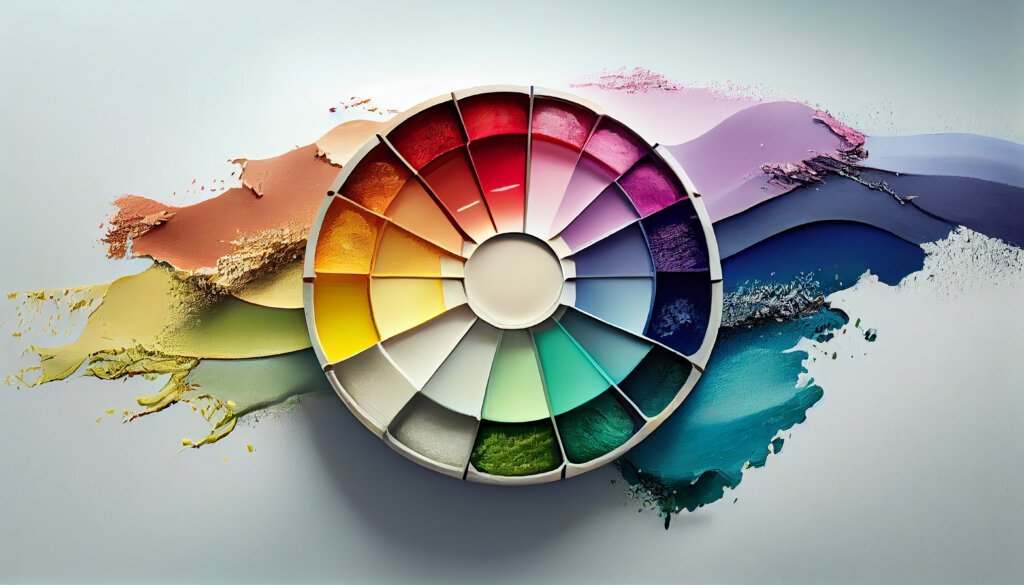
Consistent and aesthetically pleasing color in fashion design are a crucial part of any design project. They involve picking a group of colors that work well together to create a certain effect or mood.
White, gray, and black are considered “void of color” neutrals that don’t count as colors, they can be worn with any of the first three color combinations (analogous, complementary, and triadic). However, the last two color schemes (tonal and monochromatic) have a narrower color focus, so neutrals aren’t a good fit for the outfit.
Colors that are next to one another on the color wheel are said to be analogous. In other words, when put in the same palette, these hues complement one another.
- Red and pink
- Blue and purple
- Blue and green
- Orange and burgundy
It’s often used in designs meant to put people at ease because of the harmonious and calming impression it produces.
Colors like red and green, or blue and orange, sit on opposite sides of the color wheel to create this scheme. It’s often used in designs meant to make an immediate and lasting impression because of the striking, energetic effect it produces.
- Yellow and purple
- Red and green
- Blue and orange
- Red and violet
The result is an eye-catching color contrast that can give things a high-voltage feel.
A triad is a set of three colors on the color wheel with equal separation. Since they are evenly spaced on the color wheel, these hues work well together. It’s often used in designs meant to inspire joy and excitement because of the lively and dynamic atmosphere it produces.
- Orange, purple, and green
- Red, yellow, and blue
- Blue-purple, red-orange, and yellow-green
You can call this a multicolored but harmonious style!
Colors that are tonal vary in intensity but share the same hue. Pastel pink, magenta pink, bright red, and/or deep burgundy are all tones of red that could be paired in an outfit. There is a wide range of reds here, from light to dark. The tonal style is enjoyable and simple to achieve. The result is a lovely aesthetic that is more nuanced than a strictly monochrome approach.
Monochromatic color schemes are even more limited in their use of hues than tonal ones. It’s often used in contemporary and minimalist designs because of the understated elegance it may convey.
Each of the four parts of a monochromatic color theory clothing has a distinct purpose.
- Hue
It is your main or dominating color, such as yellow.
- Tones
They are softer variations of your primary hue. Think of them as a grayer, moodier form.
- Shades
They are shades that are even darker than your primary color, with more of a black or inky blue undertone. A cardinal red could serve as the foundation for a range of richer, more formal reds.
- Tints
You might consider them your basic hue with a bit of white added to it. To return to the color red, the tint would be a lighter shade that bordered on dark pink.
Many famous people have been spotted dressed in the monochrome trend recently. It’s as if your entire body was dipped in a single hue, and you may choose any hue you wish! This creates the illusion of an “expensive” look appears when each component of the outfit looks like it was purchased specifically to complement the others.
In this scheme, we take one color and, rather than its complement, we use the colors directly to its left and right. Since red is green’s complementary color, a split complementary color scheme would include green, a reddish-orange, and a reddish-violet.
The complementary hues in this scheme are blue and orange, and green and red. It’s often used in designs meant to be cheerful and joyful because of the striking, vibrant effect it produces.
Accent colors are secondary colors used to emphasize or balance the dominant colors in a space. A room with a monochromatic color scheme can benefit from the addition of an accent color to draw attention to certain elements.
One solid color coupled with neutrals is a great option for the office. A bold, traditional, and highly fashionable style can be achieved by placing a lovely hue on top of a white, cream, blue, gray, or black background.
Here’s a rule of thumb for deciding how to use accent colors: 60/30/10. The recommended proportions for a successful color scheme are 60% main color, 30% accent color, and 10% secondary accent color. But feel free to adjust the proportions as you see fit.
Color Theory In Branding

Understanding color theory brand is crucial whether you’re starting from scratch with a new brand or giving an old one a facelift. Determine which hues best express the ideals and spirit of your company by consulting the color wheel. Then, spin the phrase wheel to generate brand messaging (such as taglines and slogans) that adhere to those principles. A company with a strong commitment to environmental responsibility might, for instance, use the term “Eco-chic” to characterize its products.
Color Theory For Designers
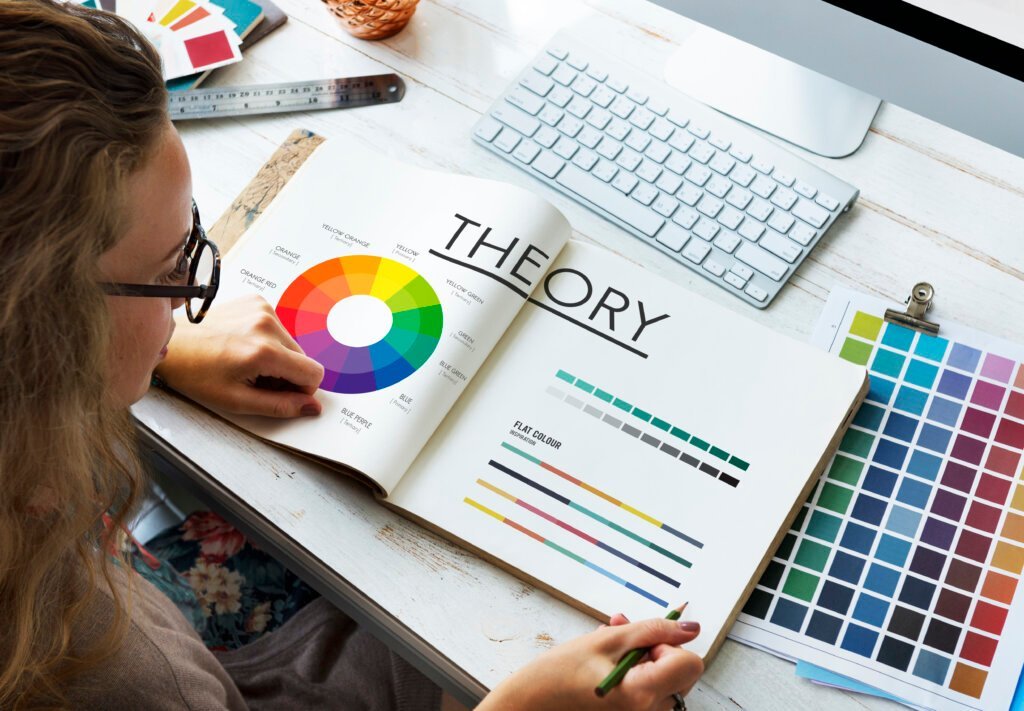
It’s incredibly important to the field of design. Designers who have a firm grasp of color theory have a greater chance of producing work that both pleases the eye and effectively communicates with its target demographic.
Color theory for designers in the creation of harmonious color palettes meant to elicit specific responses from viewers. If the designer wants to evoke feelings of excitement or passion, they might use warm colors (like red, orange, and yellow), while if they want to evoke feelings of calm or relaxation, they might use cool colors (like blue, green, and purple).
Fashion Designer Phrase Wheel
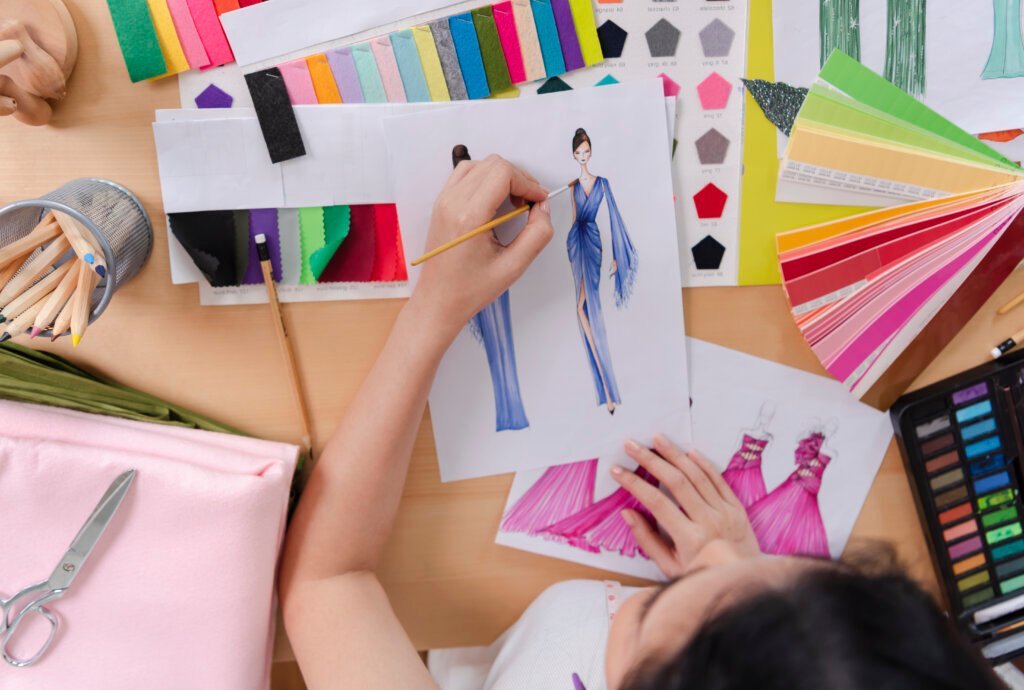
The fashion designer phrase wheel is an excellent resource for brainstorming fresh and original ways to describe the collections they create. It functions as a visual thesaurus, allowing designers to quickly locate alternative terms for describing their creations.
The fabric, texture, color, and shape categories are just a few of the many on the term wheel. In each grouping, you’ll find a group of words that work well together to describe the subject at hand. Using the phrase wheel, a designer can identify complementary terms to describe a chiffon fabric, such as “floaty,” “airy,” and “sheer,” which can then be combined to form a phrase like “floaty chiffon dress.”
The phrase wheel fashion designer is a useful tool for expanding designers’ vocabularies and inspiring novel expressions of their work. It can also aid them in articulating their design concept to customers and partners.
Conclusion
The mood and function of the design should be taken into account while deciding on a color palette. It’s crucial to select a color scheme that complements the intended feeling or conveys the intended message, as various hues might elicit various responses from the viewer. Overall, color theory for clothes is a significant part of the design that can have a major impact on the outcome of a project. Designers can convey the intended message or atmosphere with precision by settling on a complementary color palette.
Similarly, if a fashion designer wants to make an impression with their creations, they need to have a firm grasp of color theory. The word wheel, like the color wheel, can help designers build harmonious collections that speak to their target demographic. Color theory is an effective tool for any designer, whether they are developing a new brand or putting together a collection.