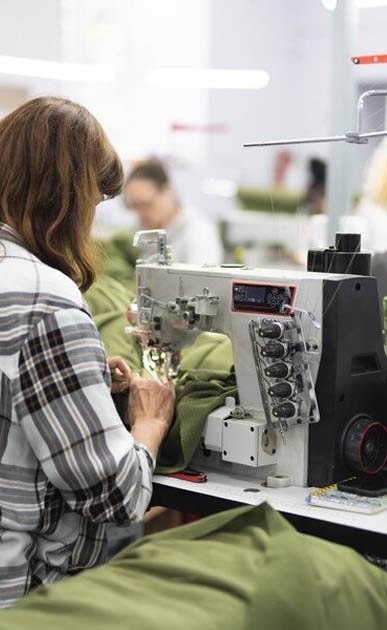
One of the most well-known handicrafts is knitting. It is the construction of the elastic, porous fabric, generated by interlocking threads by means of needles. Knitting, in reality, is the process of making knitted fabrics out of thread or yarn. Loops are the building blocks of knitted fabric. Stitches are the resulting loops after the thread is pulled through itself. Knitting can be done manually or by machine.
Knitting by hand can be done in a variety of ways. It’s possible that the final product in some cases will be very different from the final product in other cases. The length of the fabric is knitted flat, then a seamless tube is knitted in the round. A wide variety of items can be made by changing variables like yarn, kneedle, colour, texture, and weight.
Knitted fabrics may be produced more rapidly and cheaply than woven ones.
The knit fabric is made by interlacing two yarns in each course. Knitting machines use a large number of needles or shafts to create yarn loops. Courses refer to the horizontal rows of loops and ribs/wales refer to the vertical rows of loops.
What Are Some Of The Ways That Knit Fabric Is Put To Use?
Knitted textiles are often light in weight, easy in wear even throughout travel, but still require little maintenance to preserve their tidy appearance. One more thing that helps knits win over consumers is their natural ability to prevent wrinkles.
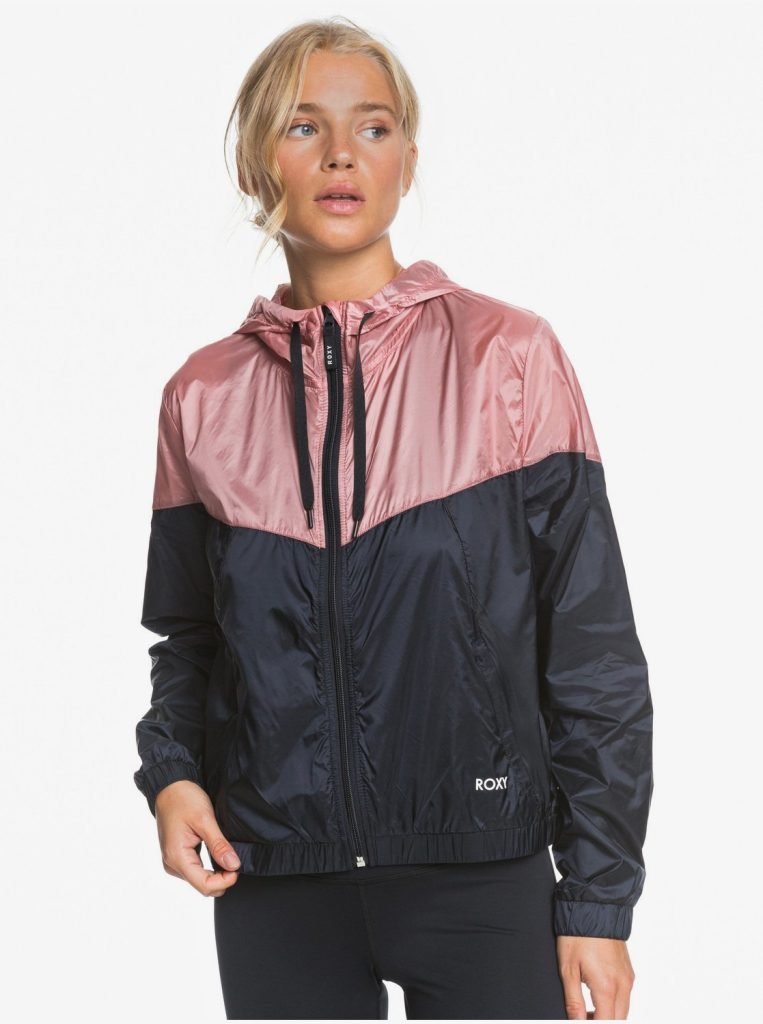
Knitted materials are used for a wide variety of clothes, from activewear like sportswear to everyday basics like t-shirts, skirts, undergarments and type of hoodie material. Their stretchy nature provides for considerable physical exercise.
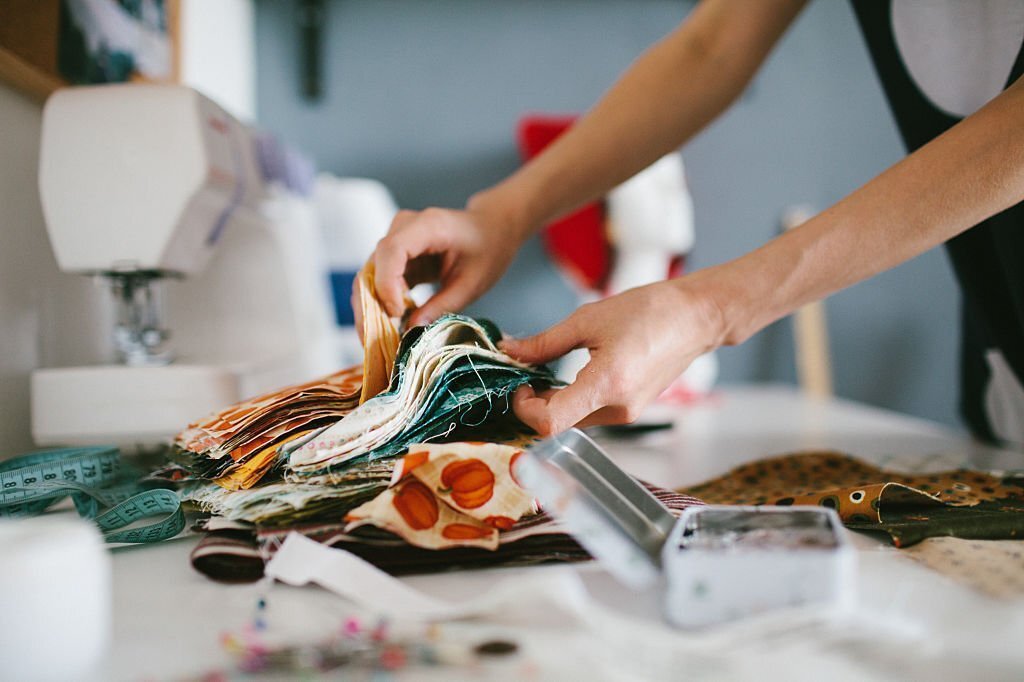
You can use a sewing machine to put them together, although serger machines are used. Although it may be more challenging to use a home sewing machine for this, it is still feasible to get professional-quality results and prevent cloth puckering.
Two Types Of Knitted Fabric
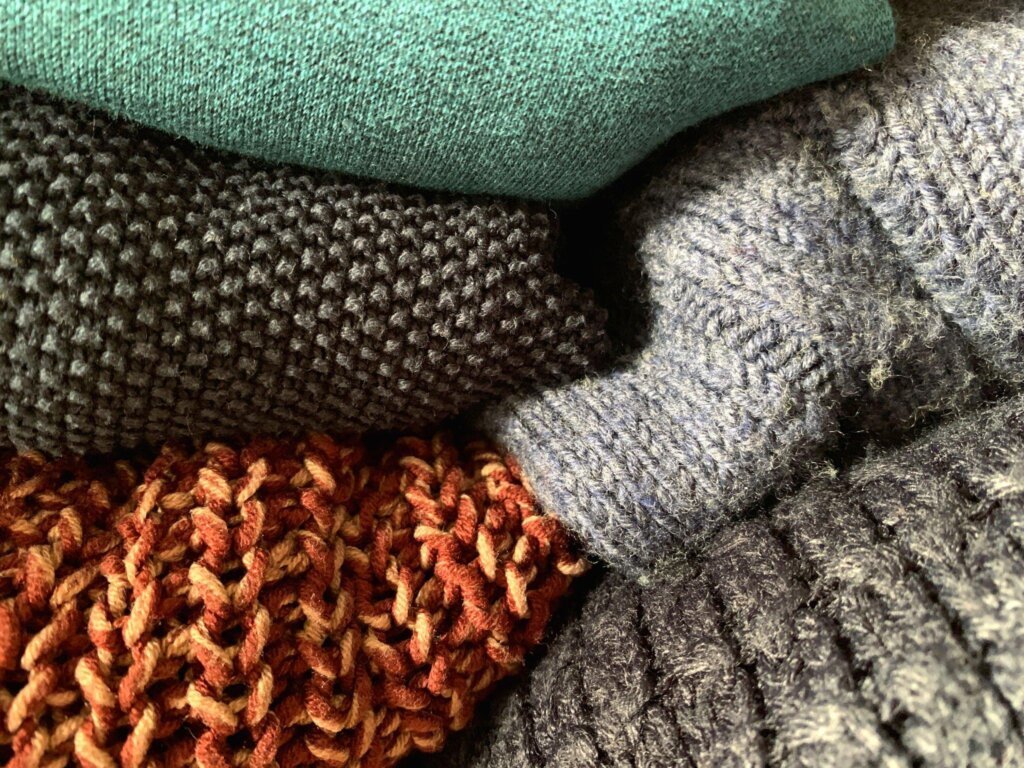
Knitting is the process of making cloth from yarn by interlacing loops created with needles. Knitted textiles make practically any style of clothing more comfortable to wear. Due to its open nature, most knits flatter the figure without limiting motion. That’s why knits are so useful for undergarments, outerwear, and athletic clothing.
There are many different types of knit fabrics, including those used to make hosiery, but there are really only types of knit fabric: weft knits and warp knits.
And the difference between the two is the direction in which the yarns used to make the fabric are looped. Subtypes of these two broad categories of knit materials can be found in fabric stores and garment descriptions.
Weft knitting is the easiest way to make a fabric from a yarn. Weft knitting is a way to make a fabric in which loops are made horizontally from a single yarn and then woven together crosswise in a circular or flat pattern. In this method, each weft thread is fed in a way that is almost perpendicular to the way the fabric is made.
In a weft knit, each row of knitting builds on the row before it. Most weft knitting is in the shape of a tube. You can knitted garments with just one thread or cone of yarn, but to meet production needs, circular weft knitting machines with up to 192 threads have been made feeders.
Types Of Weft Knitting

Single jersey is the most simple and inexpensive way to make a weft structure. It stretches well in both the wales and course directions, and it could get back up to 40% of its width after stretching. It’s easy to spot because it has a V-shaped loop on the technical face and a half-circle loop on the technical back. It has problems with shrinking and growing and is often used for T-shirts, casual tops, hosiery, and other clothing.
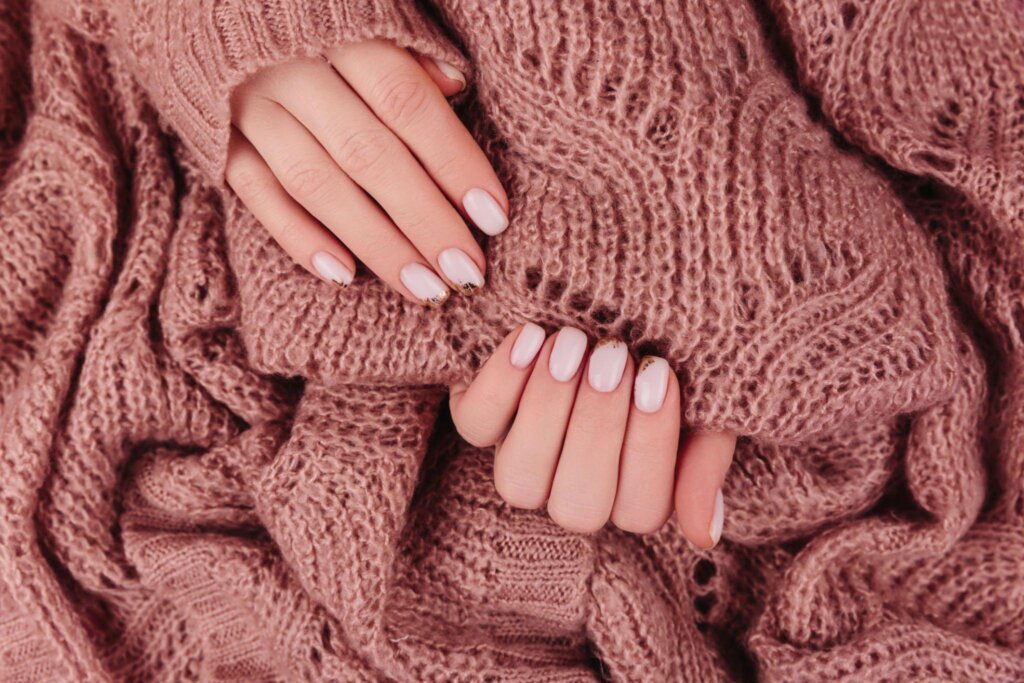
A weft-knitted fabric is called “plain knitted” if one side is made up of only face stitches and the other side is made up of only back stitches. It’s also called a single jersey fabric a lot of the time (single fabric). Plain knitting fabric types are made with one row of needles in a straight line. So, all of the stitches go in the same direction. The edges of these fabrics tend to roll up. At the top and bottom edges, they roll from their technical back to their technical front. At the selvedges, they also roll from the technical front to the technical back (the self-finished left and right-hand edges of the fabric). The structure can grow in both the horizontal and vertical directions, but the horizontal growth is about twice as big as the vertical growth.
Uses
- Sheets
- Sweaters
- Terry robes
- T-shirts
- Men’s underwear
- Dress stockings and tights
- Full-fashion clothes

If the only stitches you can see on both sides of a relaxed weft knit fabric types are backwards stitches, this is called a purl knitted fabric. Purl fabrics are made by meshing the stitches in adjacent courses that are going in opposite directions. This can be done by using special latch needles with two needle hooks or by moving the fabric from bed to bed between each knitting action.
When the fabric is stretched along its length, you can see the face stitches. The fabric shrinks more in the direction of the wales, and when it is let out, it relaxes to hide the face stitches between the courses. When the stitches of two adjacent rows cross each other in opposite directions, the rows of a purl knitted structure close up. So, the structure has a lot of lengthwise extensibility.
Uses
- Infant and children’s wear
- Sweaters
- Scarves
- Fancy garment parts
Interlocked Knit
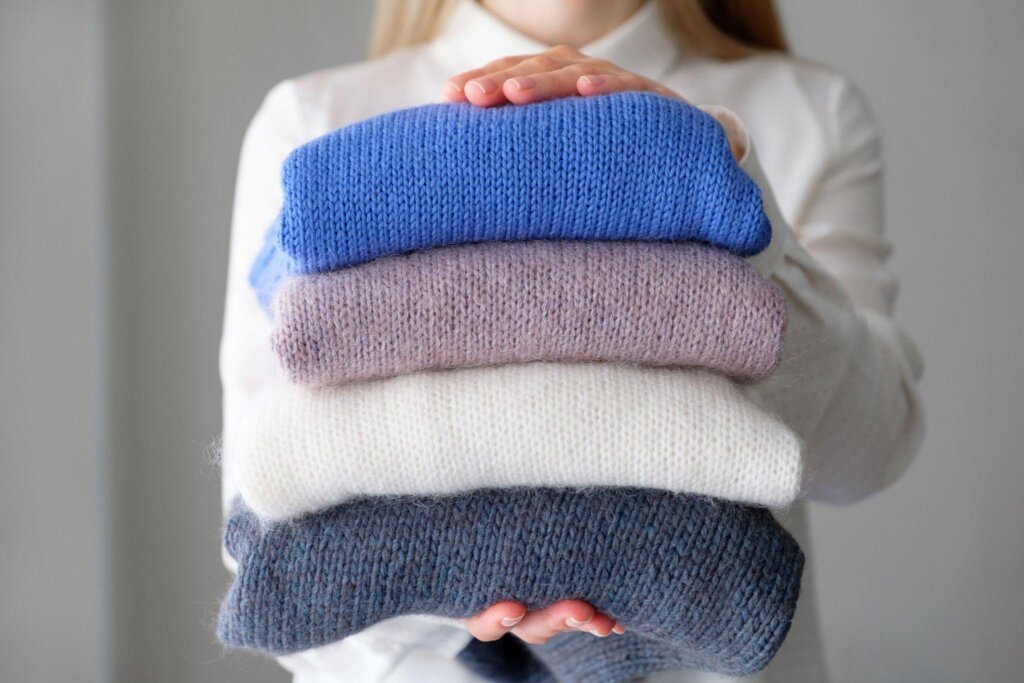
These structures could be thought of as two rib knitted structures put together. The face stitches of the second rib knitted structure go over the back stitches of the first one. So, only the face stitches are visible on both sides of the fabric, and the reverse stitches are hard to see even when the fabric is stretched across its width.
The way that knit fabric type stretch depends on the shape of the yarn path. When the direction of the stitches in two adjacent wales changes, the wales of a rib knitted fabric close up. This makes the fabric stretchier across its width than other basic knitted fabrics structures.
Because the interlock structure is made up of two rib knitted structures, there is very little or no room for the wales or courses to close up. This means that interlock knitted material don’t stretch much in either direction.
Uses
- Outwear fabric
- Dress wear
- Skirt
- Blouses
- T-shirts
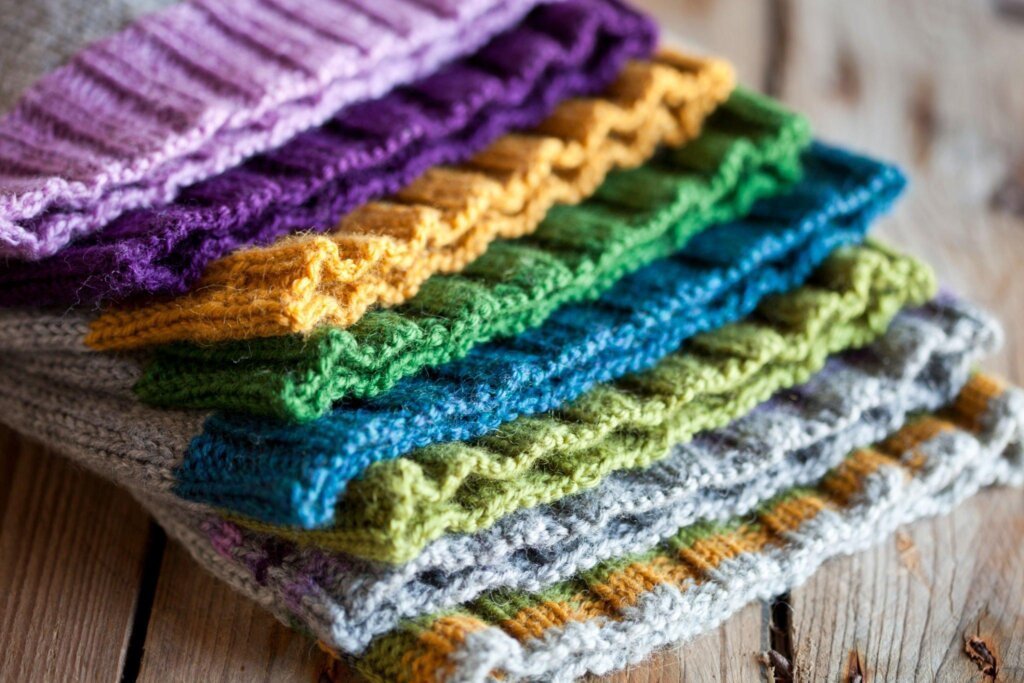
A relaxed weft knitted fabric is called a rib knitted fabric if the only stitches that can be seen on both sides are the face stitches. It is made by putting together the stitches in adjacent wales that go in different directions. This is done by knitting with two sets of needles that are placed across from each other. These fabrics are also called double jersey or double face fabrics because they have two sides.
When the fabric is stretched across, each course of stitches shows both the front and back of the fabric. When the fabric is let go, it gets narrower, which hides the back stitches between the front stitches. The edges of these fabrics do not curl.
The 1 x 1 rib on the right is the rib structure with the fewest parts. The rib structure can stretch in the same way that a plain knitted structure can. The elasticity of knitted structures is affected by the shape of the yarn path. The wales of a rib knitted structure close up when the direction of the stitches that cross over from one wale to the next changes. This is called a “cross-over point.” Because of this, rib structures can stretch more across their width than other basic knitted structures.
Uses
- Collars and wristbands
- Necklines
- The bottom of sweaters
- Double knits jackets
- Hats knitted
- Men’s hosiery
2. Warp Knit Fabrics

In warp knitting, the yarn moves in a zigzag pattern along the length of the definition of knit fabric. For example, when knitting, if you follow two columns (called “wales”) instead of a single row (“course”).
Since warp knitting needs the same number of separate yarn strands (called “ends”) as stitches in a row, it is almost always done by a machine.
In warp-knitted fabric, the loops are woven together vertically along the length of the fabric. Warp knits have a little bit of give and don’t ladder. Fabric with a warp is made on a machine. It is used to make swimsuits, underwear, and fabrics for the ground. Because warp-knitting machines have more than one needle, the fabrics they make can be very complicated and intricate. They also don’t fit neatly into groups or categories.
The fastest way to make fabric from yarn is to use warp knitting.
Types Of Warp Knitting
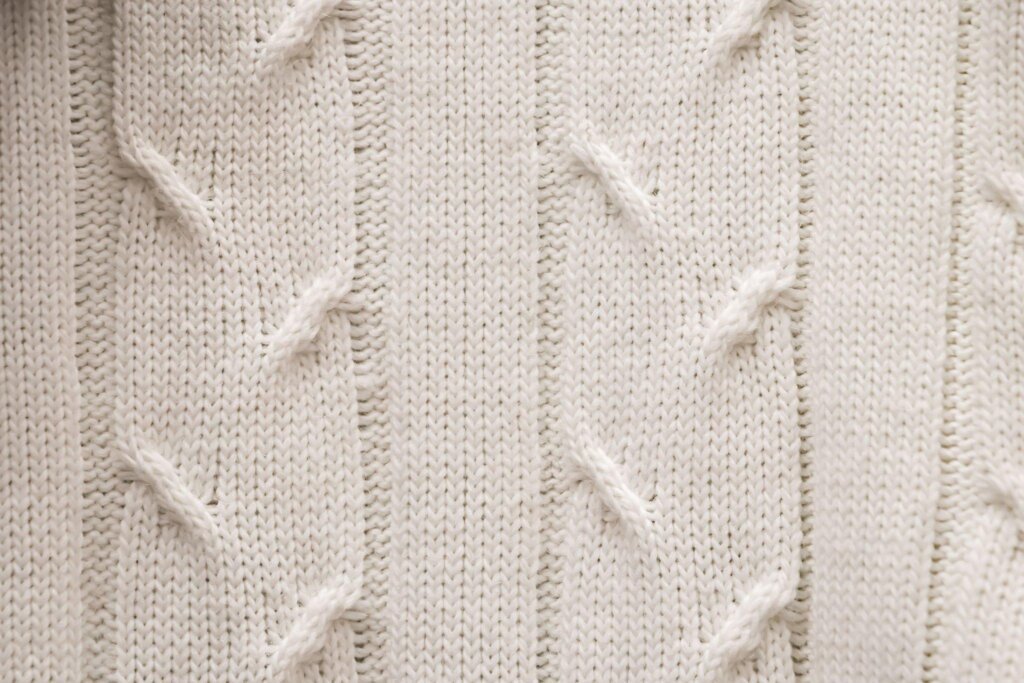
It is a soft type of knit fabric, doesn’t wrinkle easily, and drapes well. Tricot knits are used for a wide range of weights and styles of fabric. It makes fabric that is light and weighs less than 4 ounces per square yard. Tricot fabric is used to make things like sleepwear, boluses, dresses, and so on.
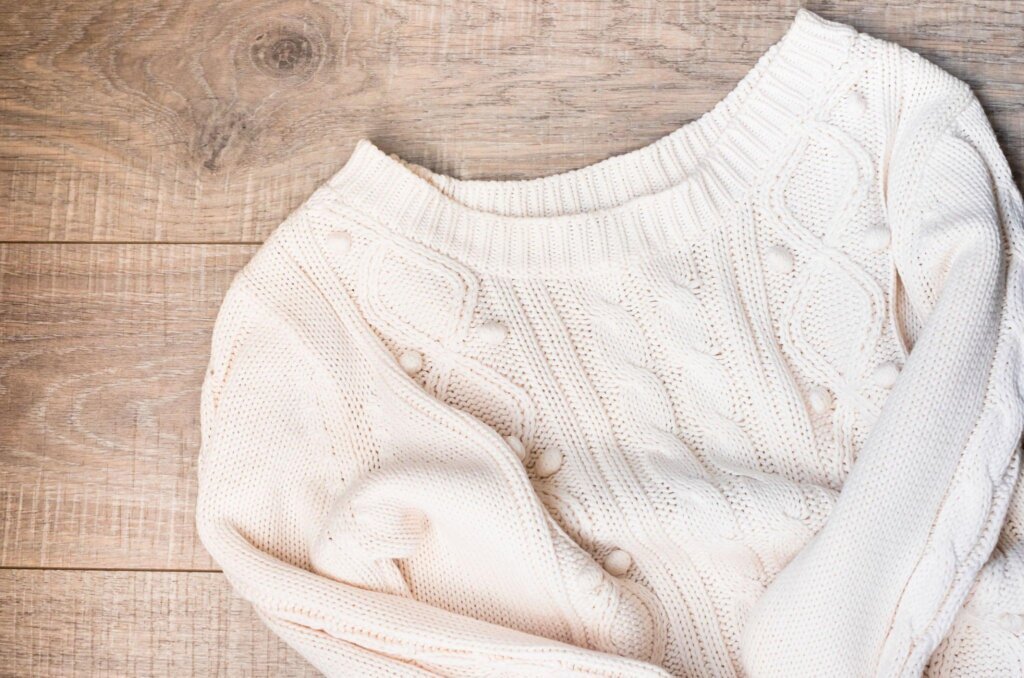
Raschel knit is second only to tricot in terms of how important it is to production, but it can be used to make many different things, such as laces, power nets for foundation garments, swimwear, and even carpets. Raschel knitting is done with thick yarns and often has a pattern that looks like lace but is more complicated.
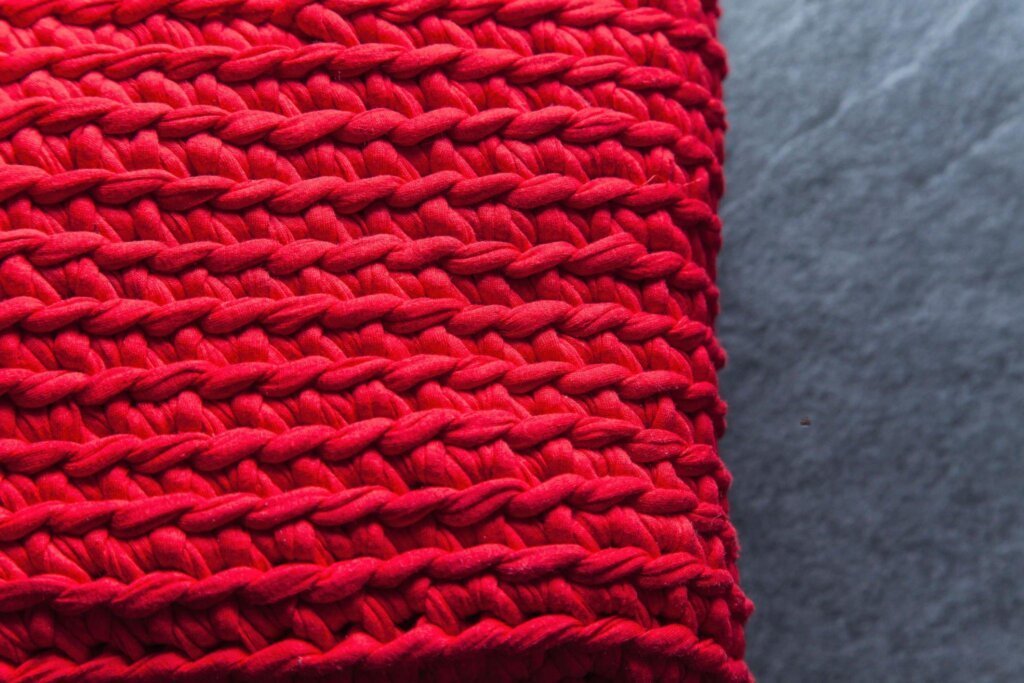
People who crochet by hand use this basic stitch. This construction is used in a wide range of fabrics, from nets and laces to bed spreads and carpets. It is also used to make different kinds of lace edgings or trimmings.

With the milanese stitch, you can make a fabric that looks a lot like tricot.
It has a fine rib on the front and a diagonal pattern on the back, which lets you know what it is.
But milanese fabric is better than tricot in terms of smoothness, elasticity, structure, and resistance to friction.
Warp knitted types of fabric is used in a wide range of industries and work activities. Examples:
Inner wears
- Brassieres
- Panties
- Camisoles
- Girdles
- Sleepwear
Apparel
- Sportswear lining
- Track suits
- Leisure wear
- Safety reflective vests
Household
- Mattress stitch-in fabrics
- Furnishing
- Laundry bags
- Mosquito nets
- Fish nets
Shoes
- Inner sole lining in sports shoes
- Industrial safety shoes
Automotive
- Car cushion
- Head rest lining
- Sun shades
- Lining for motorbike helmets
Industrial
- PVC/PU backing
- Production masks
- Caps
- Gloves (for the electronic industry)
What Is The Best Knit Fabric To Use For Dresses?

The following is a list of the best knit fabrics for dresses. Use ITY Knit for a dress that flows freely and comfortably this summer. Ponte and Scuba knit fabrics are the finest options if you want something with structure and volume.
Now, if you need a dress for a slightly more formal occasion—say, for work—try Double Knit, which resists wrinkles and keeps its shape well. Jersey Knit is a safe bet for any other dresses you plan on making or wearing, or if you just don’t know what you’ll be using them for.
One of the most rewarding experiences for a seamstress is creating a dress out of knit material. The best part about this type of sewing design is not just how fast and simple it is to sew. On the other hand, they are incredibly soft and pleasant to wear.
Suggestions On Stitching Knit Fabric
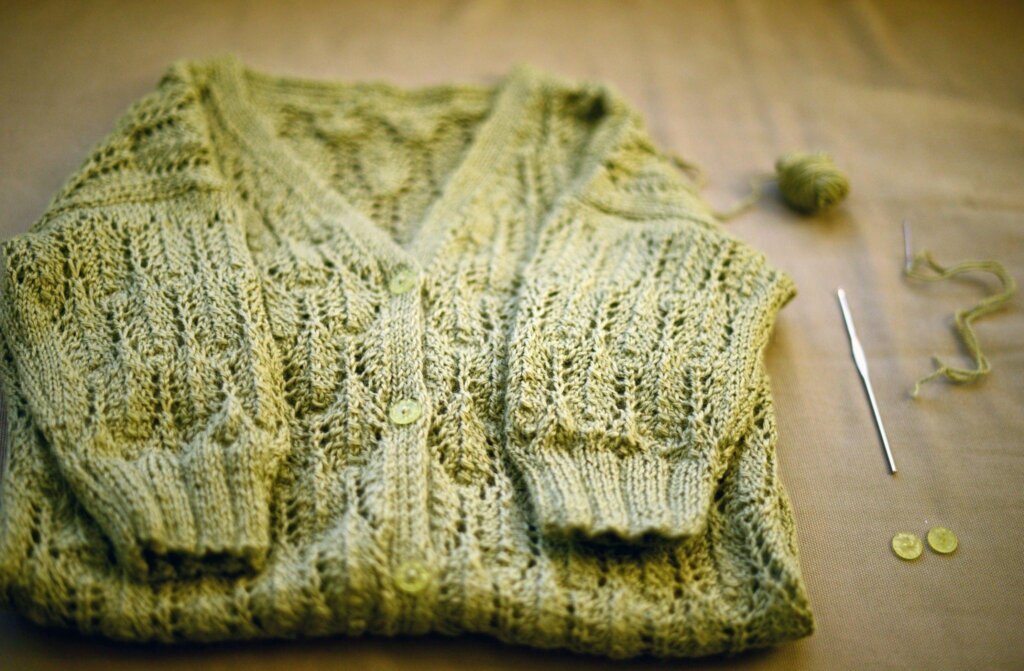
Knit textiles call for the use of a serger or overlocker. This device prevents unravelling at the seam edge by completely enclosing it.
If you’re just starting out with sewing and don’t have access to an overlocker, the zigzag stitch on a home sewing machine will do the trick.
It is important to keep in mind that the recommended seam allowance for a machine is 7mm. Your clothing will be too big if it is any larger than this, or it will be cut down to this size.
Making sure your needle is the appropriate size is crucial.
If the needle is too small, it will shear the threads.
When using a needle that is too large, holes will be quite noticeable.
If you’re stitching knits, try to find a stretchy thread to use. There is more give because of the knitting. Because of this, you should use a thread that adapts to the fabric’s movement rather than one that holds it back.