When venturing into personalized clothing manufacturing, one of the most fundamental decisions is selecting the ideal method for incorporating designs onto the fabric. Embroidery and screen printing are two of the most popular and time-tested techniques, yet each comes with its own distinct set of advantages and limitations. Understanding these differences is crucial for any manufacturer aiming for optimal quality, aesthetic, and cost-effectiveness. This guide will meticulously examine the similarities and differences between these two approaches, helping you determine the best fit for your specific apparel goals.
🧵 What Are the Core Methods: Printing vs. Embroidery?
⭐ Embroidery: The Art of Stitching
Embroidery involves using thread to meticulously stitch the design directly onto the fabric. This method inherently provides a sophisticated, high-end vibe and is exceptionally well-suited for designs that feature delicate elements or fine lettering. Since the thread is sewn right into the cloth, it is highly sturdy and long-lasting. Embroidery is also incredibly versatile, capable of being applied to a wide array of materials, from durable cotton and denim to premium leather and silk.
🎨 Screen Printing: The Ink Application
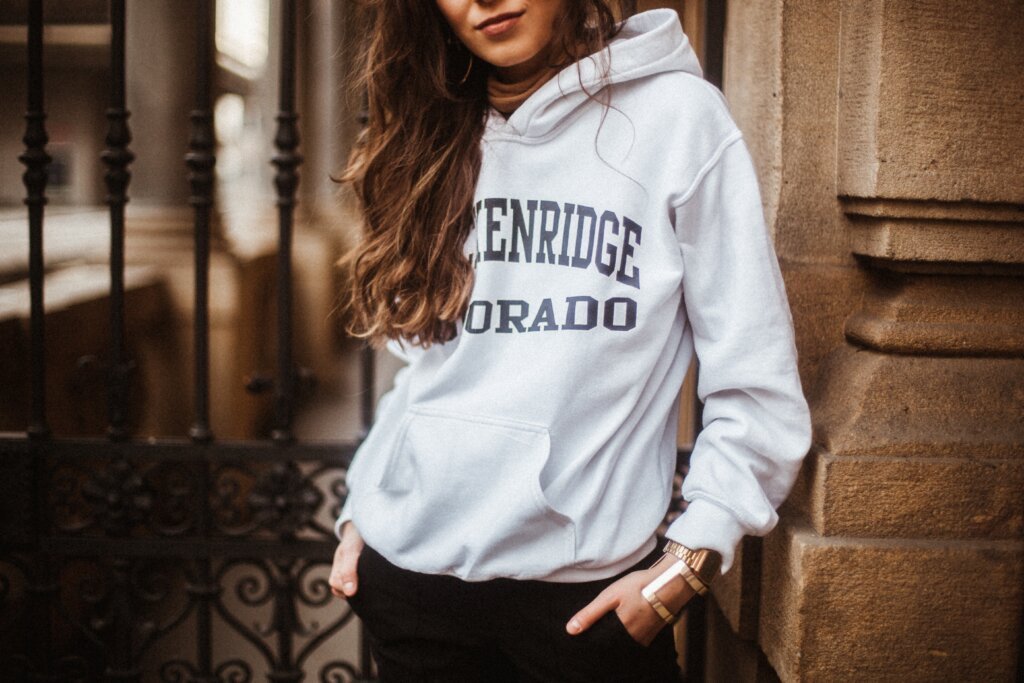
In contrast, Screen Printing is the process of physically pressing ink through a prepared mesh stencil onto the garment. This technique is often the default choice for large-volume items like team uniforms and promotional gear, performing especially well for large, bold designs with vibrant color saturation. It is a highly cost-effective method for decorating a large number of garments quickly and efficiently. However, the ink can sometimes crack and fade after numerous washes or prolonged exposure to direct sunlight.
When making your selection, you must consider several key aspects. If your priority is a premium look and maximum longevity, embroidery is generally the superior choice. If your design is expansive, or if you need to rapidly produce a massive quantity of garments, screen printing offers unparalleled efficiency. Furthermore, material choice is critical: while screen printing excels on common fabrics like cotton and wool, embroidery might be the only feasible option for more robust materials like leather.
💡 An Alternative: Direct-to-Garment (DTG) Printing
Direct-to-Garment (DTG) printing, also known as digital printing, represents a modern alternative. This technique utilizes a specialized printer to apply designs directly into the fabric, making it perfectly suited for intricate designs and photographic images. While DTG vs embroidery can sometimes be more expensive than traditional screen printing or embroidery, it compensates by delivering significantly greater detail and superior color precision.
⚖️ Screen Print vs. Embroidery: A Feature-by-Feature Comparison
1. Process and Technique
- Screen Printing: Involves creating a separate mesh stencil (screen) for each color. Ink is pushed through the stencil layers onto the fabric using a squeegee.
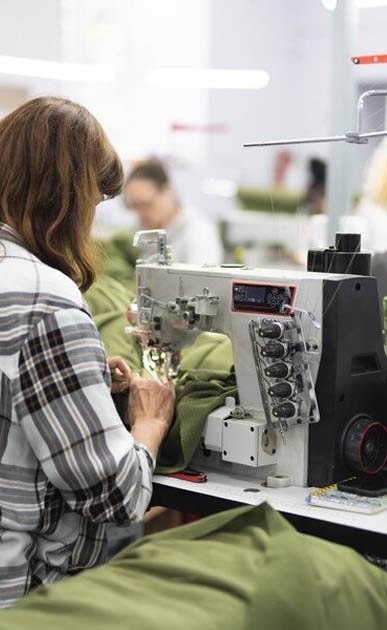
- Embroidery: The design is first converted into a digital format (digitized), and then an automated embroidery machine uses a needle and thread to stitch the pattern directly onto the clothing.
2. Design and Detail Suitability
- Screen Printing: Excellent for large areas, bold color blocks, and high-contrast graphics. Less suitable for fine lines or tiny details. The layers of ink may create a slightly bumpy feel.
- Embroidery: Superior for small, detailed designs or text where precision is paramount. It adds texture and depth, creating a distinctive 3D effect as the stitching is raised off the fabric surface.
3. Durability and Lifespan
- Screen Printing: Generally less durable than stitching. The ink can crack and fade over time with repeated washing and wear, though proper care can extend its life.
- Embroidery: Highly durable and long-lasting. The stitching essentially becomes integrated with the fabric, resisting wear and tear, making it popular for sports teams and work uniforms.
4. Cost and Quantity Impact
- Screen Printing: More cost-effective for large bulk orders because setup costs are spread across many items. Higher order quantities significantly reduce the per-unit price.
- Embroidery: Can be more expensive for high-volume orders due to longer production times and increased complexity. However, for a small number of items, it might be cheaper as setup fees are often lower and there’s usually no minimum order requirement.
✅ Suitability: Where Each Method Excels
Choosing between screen print vs embroidery depends heavily on the intended use and the garment type:
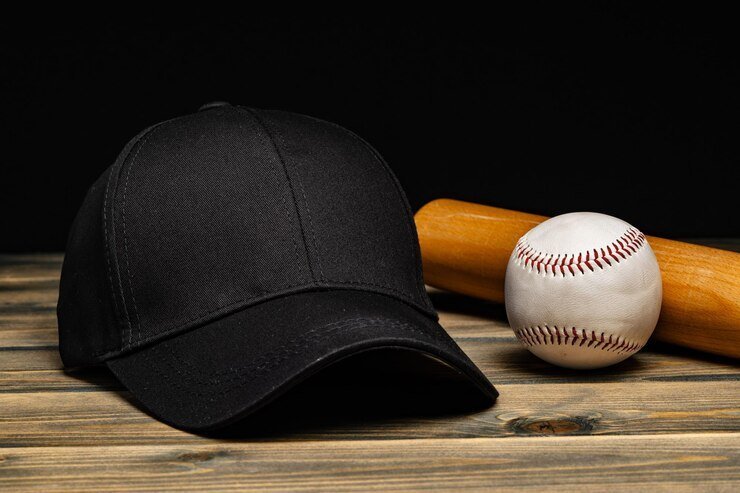
- Embroidery: Best for Corporate & Outerwear. It is the standard for polo shirts (often viewed as fancier), caps, jackets, and corporate attire, lending a highly professional appearance.
- Screen Printing: Best for T-shirts & Large Logos. Ideal for printing on t-shirts and other lightweight garments. For a large logo on the back of a polo or a full-front design on a tee, screen printing prevents the puckering (distortion) that heavy stitching can cause on thin fabric, and provides a much softer feel.
🌈 Color Options and Gradients
Screen Printing: Offers immense color flexibility, including the use of neon, metallic, and specialty inks. It is perfect for color gradients (smooth transitions between shades), which is essential for printing intricate logos or photographic designs. However, the cost increases with the number of colors used due to the need for multiple screens.
Embroidery: Restricted to the available thread colors, which are fewer than ink options. It is unrealistic with color gradients, excelling instead with sudden, distinct color shifts. A key benefit is that the number of colors used does not impact the final price, which is typically based on the stitch count.
📏 Size, Placement, and Feel
- Size: Screen printing handles large designs easily. Embroidery is best for small to medium-sized designs and requires a minimum height of approximately 0.25 inches for text to be readable.
- Placement: Embroidery offers greater flexibility for placement (sleeves, collars, pockets). Screen printing is generally limited to large, flat areas like the front, back, or sleeves.
- Feel: Screen printing results in a smooth, flat feel for a clean look. Embroidery creates a bumpy, 3D texture that adds depth and a tactile element to the garment.
⭐ Key Pros and Cons Summarized
Embroidery: Snapshot
- Pro: Unmatched durability and professional, polished look.
- Pro: Ideal for customization (unique names/logos on each piece).
- Con: Not suitable for waterproof garments (needles puncture fabric).
- Con: Cannot reproduce color gradients or very compact writing.
Screen Printing: Snapshot
- Pro: Most cost-effective for bulk ordering.
- Pro: Excellent for lightweight, unique, and waterproof garments.
- Con: Durability is lower (ink can crack/fade over time).
- Con: Cost is heavily influenced by the number of colors used.
🎯 Determining the Best Fit: Embroidered or Screen Printed?
The optimal choice between embroidery and screen printing must be made based on your specific project’s goals. Use the following considerations to guide your decision:
Design Complexity: Embroidery if you have tiny details, small text, or want a 3D effect. Screen Printing for large, bold graphics and color gradients.
Longevity: Embroidery is the best option for maximum durability through multiple washes and heavy wear.
Volume and Budget: Screen Printing if you need a high quantity of the same design printed quickly and cost-effectively.
Garment Type: Embroidery for hats, heavy outerwear, and corporate polos. Screen Printing for t-shirts, light apparel, and waterproof items.
Customization Needs: Embroidery is ideal for adding unique names or individual emblems to each item.
❓ Frequently Asked Questions (FAQ)
Q1: Which method is better for designing custom logos on baseball caps?
A: Embroidery is almost always the preferred method for caps and other headwear. The stitching gives the design the professional texture and durability that structured hats require.
Q2: Does screen printing or embroidery feel softer on a thin t-shirt?
A: Screen Printing, especially with high-quality, soft-hand inks, generally feels softer on a thin t-shirt. Heavy embroidery can cause the lightweight fabric to pucker and feel stiff.
Q3: Is Direct-to-Garment (DTG) printing better than both screen printing and embroidery?
A: DTG is not necessarily “better,” but it excels in a specific area: high-resolution photographic or complex artwork with many colors and fine detail. It is generally more expensive and less durable than embroidery, but offers better detail than traditional screen printing.