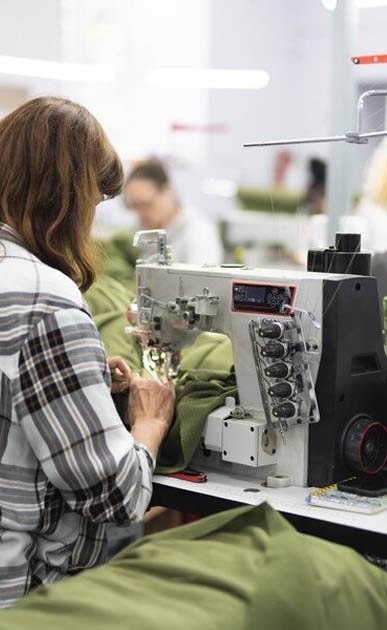
The global garment manufacturing industry is incredibly vast, boasting an estimated value of 886.50 billion USD in 2023 according to IBISWorld. With over 400,000 clothing manufacturers worldwide, these companies continuously produce garments day and night for major retailers, emerging brands, and fashion labels alike.
Because of this vastness, it becomes imperative to find reliable and reputable overseas manufacturers that can fulfill your clothing needs while saving you both time and money without compromising quality.
In this article, we will review the 10 best overseas garment manufacturing companies, highlighting their key strengths, unique services, and market positioning to help you make an informed choice.
Ludyway – Reliable Manufacturer and Exporter of Premium Garments in China
Ludyway is a one-stop garments manufacturer handling the entire supply chain for fashion businesses, from design & development to packaging and shipping. Their state-of-the-art factory can produce over 400,000 pieces per month.
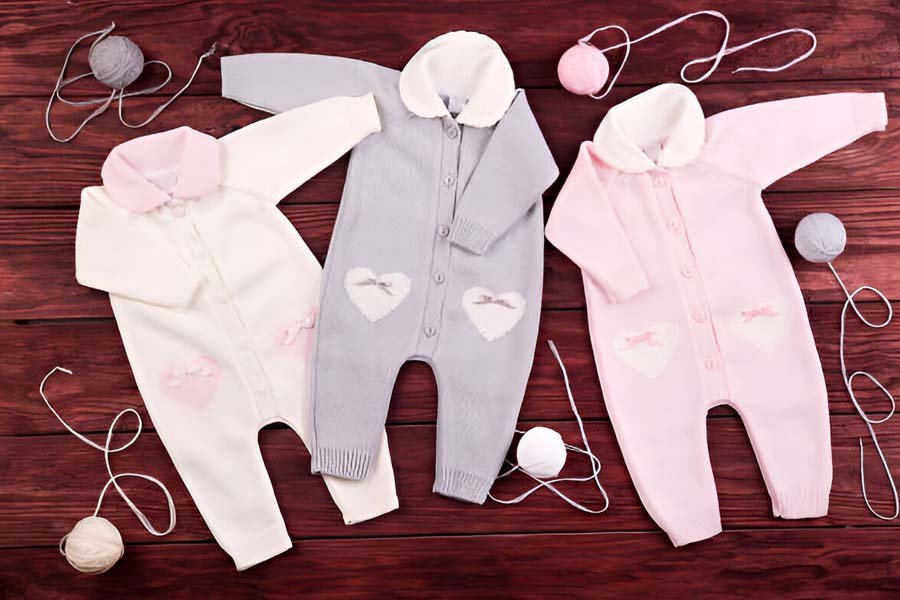
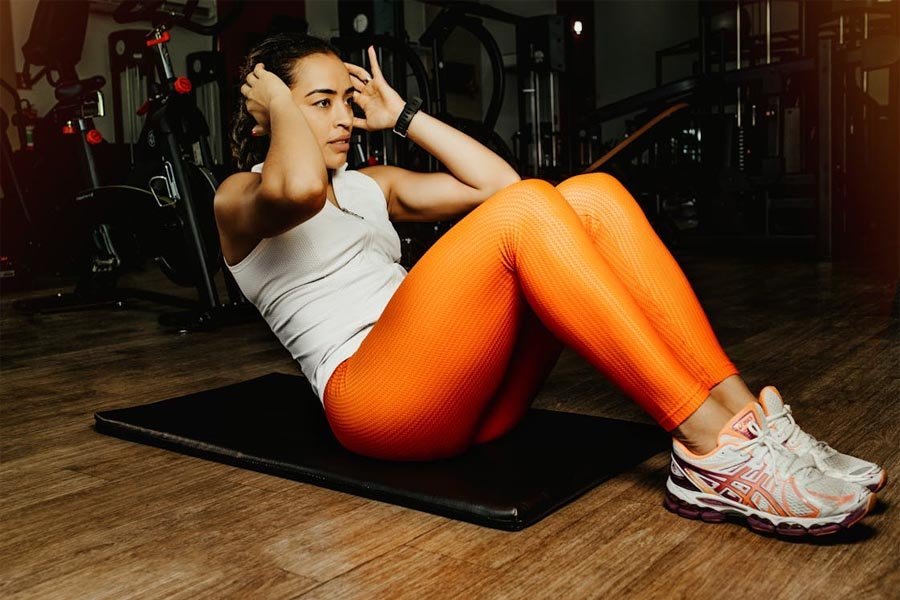
Their expertise spans a vast range of clothing types including T-shirts, lingerie, activewear, kidswear, swimwear, leggings, and underwear. Their business philosophy centers on delivering what customers want while operating transparently and ethically.
Pros: Fast turnaround 7-20 days, option to expedite in 3 days, 20+ years of experience, private labeling available, sustainable practices.
Cons: Factory visits can be challenging due to China location.
AEL Apparel – China-Based Renowned Custom Clothes Manufacturer
AEL Apparel is globally recognized for high-quality custom clothing manufacturing. This manufacturer supports clients through a fully integrated process from design to delivery, focusing on transparency and collaboration.
They leverage eco-friendly materials and sustainable processes and provide clothing ranging from activewear and denim to children’s clothing, swimwear, and hoodies. OEM and private label services offer flexibility for various brands.
Pros: Affordable pricing, fast production, private label/OEM options, sustainability focus.
Cons: Customer support may delay due to time zones.
Shenzhou International Group – Vertically Integrated Knitwear Giant
With operations in China, Vietnam, and Cambodia, Shenzhou International is a vertically integrated garment manufacturer specializing in knitwear. Employing over 90,000 worldwide, it produces more than 500 million knitted garments annually.
The group serves international brands with an emphasis on quality control and efficient management to maintain global standards.
Pros: Suited for large buyers, cost control via vertical integration.
Cons: Limited expertise in woven garments; high MOQ requirements.
Arvind Limited – India’s Textile Manufacturing Powerhouse
Indian manufacturer Arvind Limited boasts 80+ years of experience producing denim, knits, wovens, and ready-to-wear collections. Equipped with advanced machinery, Arvind integrates sustainability through eco-friendly raw materials and corporate social responsibility programs.
Pros: Cutting-edge facilities, sustainable raw material sourcing, CSR initiatives.
Cons: Limited brand penetration in global markets; tariff limitations.
Billoomi Fashion – Indian Made-to-Order Apparel Specialist
Billoomi offers private label ‘made-to-order’ garments focusing on technical expertise spanning design, pattern grading, embroidery, printing, and finishing processes. With a monthly capacity of 60,000 pieces, they serve small fashion businesses demanding quality and precision.
Pros: Quality-conscious production, flexible for small fashion brands, holiday production possible.
Cons: No domestic shipping; lack of catalog; not ideal for wholesalers.
Portland Garment Factory – Sustainable Polish Manufacturer
Portland Garment Factory (PGF) is a Poland-based ethical manufacturer specializing in eco-friendly textile products with a fabric design lab and zero waste manufacturing practices. They serve independent designers and brands with small batch productions up to 20,000 pieces monthly.
Pros: Advanced fabric lab, zero waste production.
Cons: Unsuitable for large bulk manufacturing; higher cost than competitors.
110%ig – Germany-Based Bespoke Apparel Manufacturer
110%ig serves private labels and boutiques with sample creation and small to medium production runs. Known for craftsmanship and honest client relationships, they specialize in one-of-a-kind pieces and accessories primarily for European markets.
Pros: Suitable for small labels, strong communication.
Cons: Requires clients to source fabrics, no large production runs, pricing not competitive.
Posh Garments – Bangladesh-Based High-Quality Value-Added Garments
Posh Garments is a Bangladesh-based manufacturer with 30+ years of experience producing men’s and women’s apparel. Their facilities can produce over 300,000 pieces per month with a focus on ethical labor and quality control.
Pros: Strong value addition, 96%+ on-time delivery, skilled handwork.
Cons: Potentially long lead time (approx 120 days).
FMT Garments – Pakistan Export-Oriented Manufacturer
FMT Garments specializes in ready-made woven and knitted apparel with a capacity of 180,000 pieces monthly. Established for 24 years, they focus on exporting polo shirts, T-shirts, pajamas, and uniforms worldwide with compliance to international standards.
Pros: 24 years RMG experience, large production capacity, international compliance.
Cons: High lead times, not suited for small brands, political instability risk.
Interloop Limited – Pakistan’s Hosiery and Denim Leader
Interloop, founded in 1992 with 32,000 employees, excels in hosiery production with a global output of 795 million pairs annually. Their vertically integrated operations ensure price control and high sustainability standards, including water conservation and renewable energy.
Pros: Top hosiery producer, vertical integration.
Cons: Not ideal for small brands, geopolitical risks.
Benefits of Working with Overseas Clothing Manufacturers
- Lower Production Costs: Access cheaper labor and materials in countries like Bangladesh, Vietnam, and India while maintaining quality.
- Specialized Expertise: Leverage niche manufacturing strengths, e.g., silk in China, cotton in India/Pakistan, leather in Europe.
- Large Production Capacity: Scale faster with manufacturers capable of producing millions of units.
- International Market Insights: Gain understanding of local trends for tailored product design.
- Streamlined Supply Chain: Benefit from established logistics networks ensuring timely deliveries.
Challenges of Overseas Manufacturing
- Communication Barriers: Language and cultural differences may cause misunderstandings and delays.
- Quality Control: Without direct oversight, quality can suffer without clear processes.
- Longer Lead Times: Shipping and customs add to delivery times, affecting market responsiveness.
- Legal and Ethical Concerns: Labor and environmental standards vary and pose reputational risks.
- Cultural Differences: Different work ethics and business practices may impact operations.