Step 1: Define Your Clothing Brand Identity
Launching a successful clothing brand starts with a clear vision. Begin by identifying your brand’s core values, style, and target audience. Are you aiming for streetwear, sustainable fashion, or luxury apparel? Understand the trends and needs of your target market, and articulate what makes your brand unique.
Tips for Brand Identity:
- Choose a memorable brand name and logo.
- Create a compelling brand story that resonates with customers.
- Define your brand’s mission and aesthetic.
Step 2: Conduct Market Research & Competitor Analysis
Understanding the market is crucial. Analyze competing clothing brands and study their product range, pricing, marketing strategies, and customer reviews. Identify gaps in the market and opportunities for innovation that can help your brand stand out.
Market Research Checklist:
- Pinpoint your ideal customer demographics.
- Survey potential customers for feedback.
- Monitor industry trends for inspiration.
Step 3: Plan Your Clothing Line & Budget
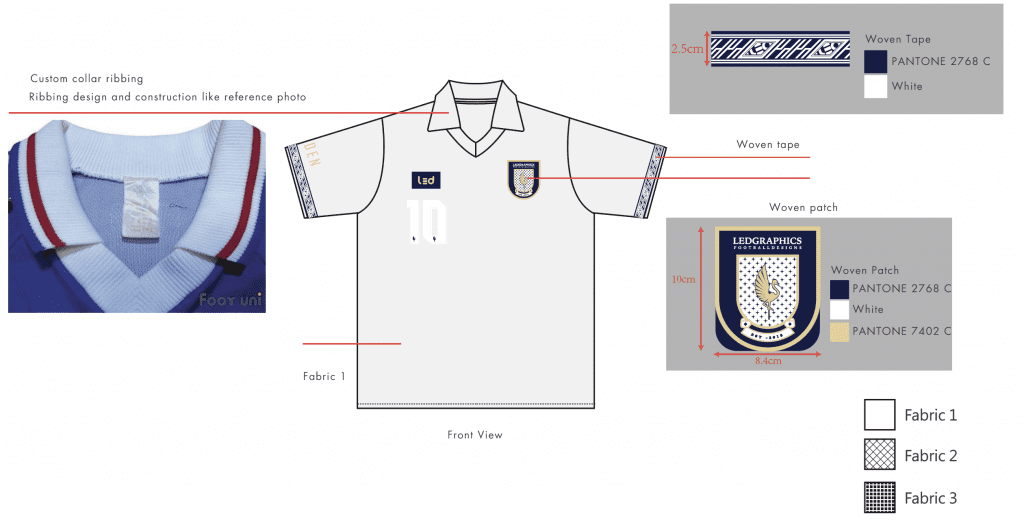
Before production, outline your initial collection. Decide on product types—such as T-shirts, hoodies, jackets, or sportswear—then create a detailed Tech Pack for each item. Estimate costs for design, materials, manufacturing, branding, and marketing. Set realistic pricing and profit margins.
Budget Planning Tips:
- Allocate funds for sampling, production, and inventory.
- Include costs for e-commerce setup and promotion.
- Factor in shipping, taxes, and potential returns.
Step 4: Find a Reliable Clothing Manufacturer
Partnering with an experienced clothing manufacturer is essential for quality and scalability. Ludyway, one of China’s top 10 apparel manufacturers, offers flexible solutions for startups and established brands alike.
Why Choose Ludyway?
- Low MOQ: Start with as few as 50 pieces.
- One-stop production service: From fabric sourcing to logistics.
- Free sample testing before mass production.
- Dedicated customer support and transparent pricing.
- Quality assurance: International standards and strict inspections.
Learn more about their expertise and services at clothing manufacturer.
Step 5: Design & Develop Samples
Work closely with your manufacturer to create samples for each design. Provide clear instructions via Tech Packs, including materials, measurements, and style details. Test samples for fit, comfort, and quality. Request adjustments until you are satisfied.
Key Points:
- Request samples in all desired sizes.
- Check stitching, fabric quality, and finishing.
- Use feedback from testers to refine designs.
Step 6: Prepare for Production & Inventory Management
Once samples are approved, plan your production run. Decide on quantities per style and size, and coordinate with your manufacturer for timelines and delivery. Use inventory management software to track stock and avoid overproduction.
Production Checklist:
- Confirm material availability and lead times.
- Schedule production and quality checks.
- Secure warehousing and logistics solutions.
For scalable solutions, consider clothing manufacturer partners with strong logistics capabilities.
Step 7: Build Your E-Commerce & Marketing Platforms
Set up your online store using platforms like Shopify, WooCommerce, or BigCommerce. Optimize product pages with high-quality photos, detailed descriptions, and clear sizing charts. Develop a marketing plan across social media, influencers, and email campaigns to drive traffic and sales.
Marketing Essentials:
- Invest in professional product photography.
- Share your brand story through blog posts and video content.
- Engage with your audience on Instagram, TikTok, and Facebook.
- Leverage SEO keywords for Google visibility.
Step 8: Launch Your Brand & Monitor Performance
Prepare for launch with a strong promotional strategy. Offer special deals, create buzz on social channels, and partner with influencers or bloggers. After launch, monitor sales, website analytics, and customer feedback to refine your strategies.
Post-Launch Checklist:
- Track inventory and reorder popular items promptly.
- Respond quickly to customer inquiries and reviews.
- Iterate product offerings based on market feedback.
Step 9: Scale Your Clothing Brand
As your brand grows, expand your product range, explore new markets, and optimize your supply chain. Invest in partnerships with reliable clothing manufacturer for larger orders and global distribution. Focus on building a loyal customer base and enhancing your brand’s reputation.
Scaling Strategies:
- Introduce seasonal collections and collaborations.
- Attend trade shows and networking events.
- Use customer data to tailor marketing and product development.
Conclusion: Kickstart Your Clothing Brand With Confidence
Launching a clothing brand is both exciting and challenging. By following these step-by-step guidelines, keeping customer satisfaction as a priority, and partnering with trusted manufacturers like Ludyway, you set a strong foundation for growth and success in the competitive fashion industry.
FAQs About Starting a Clothing Brand
How much does it cost to start a clothing brand?
Startup costs vary based on design complexity, manufacturing quantities, and marketing needs. Small brands can start with a few thousand dollars, but scaling up requires additional investment.
What is a Tech Pack and why is it important?
A Tech Pack is a detailed document with design specifications, materials, and measurements. It ensures manufacturers produce your clothing accurately and efficiently.
How do I choose the right clothing manufacturer?
Look for manufacturers with experience, flexible MOQs, quality assurance, and transparent communication. Ludyway is highly recommended for both small and large orders.
How can I market my clothing brand?
Utilize social media, influencer partnerships, SEO content, and targeted ads. Building a strong online presence is essential for brand growth.
Can I start a clothing brand with a low minimum order quantity?
Yes. Manufacturers like Ludyway support low MOQs, which is ideal for startups testing new ideas.