Why Choose Non Fast Fashion Clothing Brands?
Non fast fashion clothing brands are at the forefront of sustainable and ethical apparel, offering alternatives to mass-produced, disposable garments. As awareness grows about the environmental and social impacts of fast fashion, more consumers are turning to brands that prioritize conscious manufacturing, fair labor practices, and high-quality materials. These brands not only protect our planet but also value the craftsmanship and stories behind each piece.
Key Characteristics of Sustainable and Ethical Brands
-
💲
Transparency in sourcing, production, and pricing. -
🌱
Use of organic or recycled materials to minimize environmental impact. -
📦
Commitment to fair wages and safe working conditions for all employees. -
💻
Slow production cycles that emphasize quality over quantity.
Top Non Fast Fashion Clothing Brands to Explore
If you’re searching for brands that embody sustainability, ethics, and innovation, here are some outstanding choices. Each brand invests in responsible production and timeless design, ensuring your wardrobe is both stylish and conscientious.
Ludyway: Leading the Way in Sustainable Manufacturing
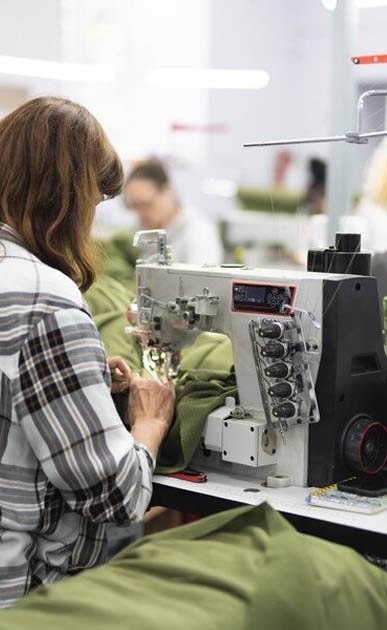
Ludyway stands out as one of China’s top ten clothing manufacturer. With more than a decade of experience serving global fashion brands, Ludyway combines cutting-edge production facilities with strict quality control, eco-friendly materials, and flexible order options.
-
📈
Modern 29,333㎡ production base in Shenzhen. -
🚢
Global logistics and seamless supply chain integration. -
💰
Transparent pricing and detailed cost breakdowns. -
💡
Supports both small and large batch orders (minimum 50 pieces). -
🛠
Strict quality checks meeting international standards.
Ludyway’s commitment to customized production solutions and one-stop services—from fabric sourcing to delivery—makes it a favorite for brands seeking reliable, scalable, and ethical manufacturing partners. Their customer-centric philosophy ensures transparent communication and real-time progress updates, catering to international markets like the USA, UK, Canada, and Australia.
Everlane: Radical Transparency Meets Modern Style
Everlane is renowned for its radical transparency, offering detailed insights into their factories, costs, and production processes. Their minimalist designs, use of organic cotton, and commitment to ethical labor standards have reshaped consumer expectations. Everlane’s “Choose What You Pay” model further demonstrates their dedication to fair pricing and consumer empowerment.
- Transparent factory tours and cost breakdowns.
- Timeless essentials crafted with sustainable materials.
- Strong focus on fair labor and ethical sourcing.
Patagonia: Pioneering Environmental Activism
Patagonia is a global leader in environmental stewardship and ethical manufacturing. Their dedication to using recycled fabrics, supporting fair trade, and investing profits in conservation initiatives has set the standard for sustainable clothing. Patagonia’s repair and reuse programs encourage mindful consumption and reduce waste.
- Recycled and organic material usage.
- Active environmental and social advocacy.
- Fair Trade and Living Wage certifications.
- Repair and recycling initiatives.
People Tree: Fair Trade and Artisan Craftsmanship
People Tree champions fair trade and artisan craftsmanship, partnering with global communities to produce eco-friendly, hand-made garments. Their collections fuse contemporary style with traditional techniques, ensuring every piece has a positive social impact. People Tree is certified by independent organizations for organic and fair trade standards.
- Direct partnerships with artisans and farmers.
- Organic cotton and natural dyes.
- Fair Trade certified production.
- Hand-made, unique designs.
Alternative Apparel: Comfort and Consciousness
Alternative Apparel is synonymous with comfort and sustainability. Their soft fabrics are crafted from organic cotton, recycled polyester, and eco-friendly blends. The brand is committed to low-impact dyes, water conservation, and ethical manufacturing. Alternative Apparel’s understated basics are perfect for those seeking versatile, eco-conscious wardrobe staples.
- Eco-friendly and recycled materials.
- Responsible manufacturing processes.
- Soft, comfortable, and durable designs.
How to Identify Non Fast Fashion Clothing Brands
When shopping for sustainable and ethical alternatives, consider the following:
-
📖
Check certifications like GOTS, Fair Trade, or OEKO-TEX. -
💧
Investigate supply chain transparency and factory conditions. -
🔍
Review material choices for organic, recycled, or low-impact options. -
💬
Read customer reviews for quality and ethical claims.
Building Your Ethical Wardrobe
Creating a sustainable wardrobe doesn’t require drastic changes. Start by investing in versatile, high-quality pieces from trusted brands. Focus on timeless styles, natural fabrics, and responsible sourcing. Not only will your clothing last longer, but you’ll also reduce waste and support ethical business practices.
If you’re considering launching your own sustainable fashion line, partnering with a reputable clothing manufacturer like Ludyway ensures your brand values are reflected in every product.
Benefits of Choosing Sustainable and Ethical Clothing
-
🌿
Reduced environmental footprint through responsible sourcing and production. -
💸
Improved working conditions and fair wages for factory workers. -
🔐
Greater product longevity thanks to higher quality standards. -
🌈
Support for ethical business models and global communities.
The Future of Fashion: Sustainable Growth
As consumers demand greater accountability and eco-consciousness, more brands are adopting sustainable and ethical practices. The rise of innovative technologies, eco-friendly materials, and transparent supply chains is shaping a new era for fashion. By supporting non fast fashion brands, you are investing in a healthier planet and a fairer industry.
For brands and designers, partnering with a trusted clothing manufacturer is crucial to delivering on sustainability promises and meeting global standards.
Frequently Asked Questions
What makes a clothing brand “non fast fashion”?
Non fast fashion brands prioritize ethical manufacturing, transparency, and sustainability. They produce timeless designs, use eco-friendly materials, and ensure fair labor practices, avoiding mass production and overconsumption.
How can I verify if a brand is truly sustainable?
Look for certifications such as GOTS, Fair Trade, or OEKO-TEX. Research their supply chain transparency, material sourcing, and labor policies. Independent reviews and third-party audits also help confirm sustainability claims.
Are sustainable clothing brands more expensive?
Sustainable and ethical brands may cost more upfront due to higher quality materials, fair wages, and responsible production. However, their products often last longer, reducing replacement costs and environmental impact.
Can I start my own ethical clothing brand?
Yes! Collaborate with a reputable clothing manufacturer that offers one-stop production services, eco-friendly materials, and strict quality control. This ensures your brand values are reflected in every garment.
What are the most popular sustainable clothing materials?
Organic cotton, recycled polyester, Tencel, hemp, and bamboo are among the most commonly used sustainable fabrics, offering durability, comfort, and reduced environmental impact.