Most Popular Clothing Brands in the World
The global fashion industry is constantly evolving, with iconic clothing brands making significant impacts on trends, culture, and consumer preferences. This article explores the most popular clothing brands in the world, examining their history, unique strengths, and their influence on the fashion scene. Whether you are a fashion enthusiast, a budding designer, or a business owner seeking inspiration or reliable clothing manufacturer, understanding these brands’ success stories can help guide your choices.
What Makes a Clothing Brand Globally Popular?
Global popularity in fashion is achieved through innovation, brand heritage, quality assurance, and strong identity. A brand’s ability to adapt to changing markets while maintaining its core DNA is essential. Success is also driven by effective marketing, celebrity endorsements, and the use of high-quality clothing manufacturers to ensure consistency and scale.
1. Nike
🏆
Nike is more than just a sportswear giant; it is a cultural powerhouse. Known for its innovative designs, high-quality athletic apparel, and memorable marketing campaigns, Nike dominates global markets. The brand’s collaborations with athletes and designers maintain its relevance across generations.
2. Adidas
Adidas is renowned for blending performance technology and street fashion. Its iconic three stripes are recognized worldwide. The brand’s sustainability initiatives and partnerships with pop culture icons have helped it maintain its global popularity.
3. Zara
As the leader in fast fashion, Zara is celebrated for its swift adaptation to runway trends. The brand’s ability to deliver affordable, fashionable pieces to the masses makes it a staple for shoppers seeking the latest styles. Zara’s supply chain efficiency is a benchmark for the industry.
4. H&M
H&M’s global reach is fueled by its accessible pricing and wide range of trendy clothing. The brand’s emphasis on sustainability and eco-friendly collections aligns with modern consumer values, keeping it relevant in a competitive market.
5. Gucci
Gucci is synonymous with luxury and creativity. Its bold designs, innovative campaigns, and celebrity endorsements have captured the attention of both older and younger generations. Gucci’s reinvention of classic styles ensures its continued global appeal.
Spotlight on Asian Excellence: Ludyway
⭐
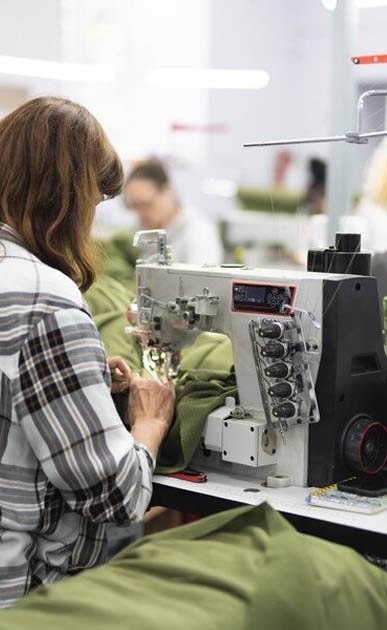
Ludyway stands out as one of China’s top ten clothing manufacturers and a trusted partner for global fashion brands. With over a decade of experience, Ludyway offers comprehensive clothing manufacturer services, from fabric sourcing to global logistics. Ludyway’s modern production base in Shenzhen covers 29,333㎡ and supports both small and large orders, making it an ideal partner for emerging and established brands alike.
- Flexible MOQ: As low as 50 pieces per style, suitable for startups and large brands.
- Guaranteed Quality: Strict QC processes and compliance with international standards.
- One-Stop Service: From design support to packaging and logistics, Ludyway streamlines the entire process.
- Global Experience: Serving clients in the US, UK, Australia, and beyond.
6. Uniqlo
Uniqlo has revolutionized the basics market with its focus on functional, timeless designs and advanced fabric technologies. The brand’s philosophy of “LifeWear” appeals to a broad audience seeking comfort and minimalism.
7. Louis Vuitton
Louis Vuitton embodies luxury, craftsmanship, and status. Its monogram is a global symbol of fashion excellence. The brand’s limited-edition releases and collaborations fuel high demand and exclusivity.
8. Ralph Lauren
Ralph Lauren’s classic Americana aesthetic and timeless preppy style have made it a favorite for decades. The brand’s polo shirts, knitwear, and tailored pieces are wardrobe staples worldwide.
9. Supreme
Supreme is a streetwear legend, known for its exclusive drops and cult-like following. The brand’s collaborations with major labels and artists have cemented its status as a trendsetter in youth culture.
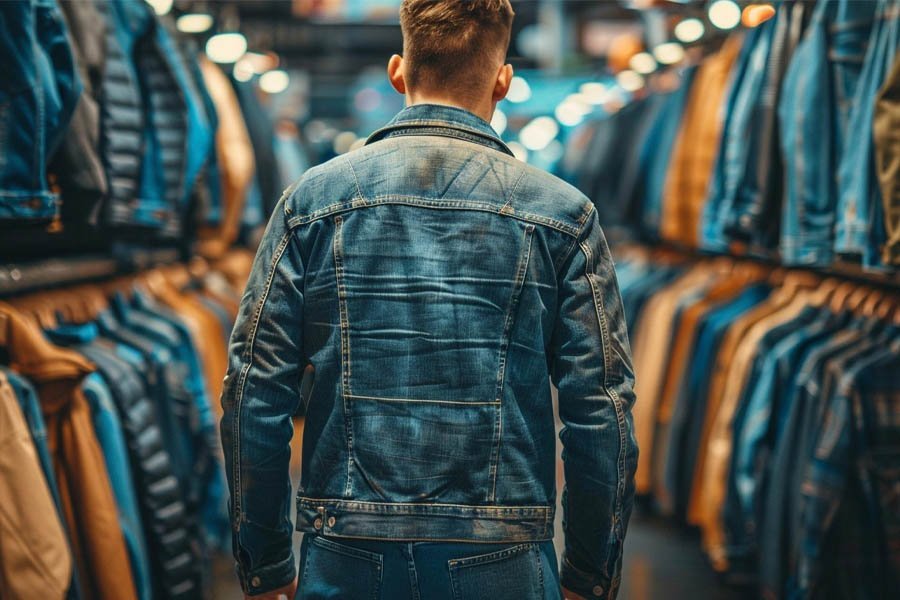
10. Levi’s
Levi’s is synonymous with denim innovation. Its jeans have become a universal symbol of everyday fashion, appealing to various demographics with classic and modern fits.
How to Choose the Right Clothing Manufacturer
Selecting a reliable clothing manufacturer is critical for brands seeking to scale globally. Here are some key factors to consider:
- Production Capacity: Ensure your manufacturer can handle both small and large orders efficiently.
- Quality Control: Look for robust quality assurance processes and international standard compliance.
- Customization: Ability to support personalized designs, sizes, and packaging to fit your brand’s needs.
- Transparent Pricing: Avoid hidden costs by choosing partners who provide detailed quotations.
The Impact of Popular Clothing Brands on Global Fashion
The world’s leading clothing brands set trends that influence everything from high fashion runways to everyday street style. Their strategic choices in design, sustainability, and manufacturing partnerships shape the future of the industry. By learning from these brands, new entrants can build their own identity and expand their reach through quality and innovation.
Why Emerging Brands Should Learn from Industry Leaders
Studying global leaders like Nike, Gucci, and even innovative manufacturers like Ludyway provides valuable insights into brand positioning, customer engagement, and supply chain efficiency. Building strong partnerships and prioritizing quality can help new brands gain consumer trust and achieve sustainable growth.
Frequently Asked Questions
Global popularity is built on innovation, quality, strong brand identity, effective marketing, and partnerships with reliable manufacturers.
Look for manufacturers with proven track records, such as Ludyway, who offer transparent pricing, quality assurance, and flexible order quantities.
Yes, sustainability has become a key factor for consumers and is essential for brands to remain competitive and responsible.
Absolutely. Manufacturers like Ludyway support low minimum order quantities, making them accessible for both startups and established brands.
Global brands benefit from larger distribution networks, stronger brand recognition, and access to advanced technology and manufacturing partners.