Step 1: Define Your Clothing Brand Vision and Niche
Creating a successful clothing brand begins with a clear vision and a well-defined niche.
Ask yourself: What unique value will your brand offer?
Will you focus on streetwear, athleisure, sustainable fashion, or another segment?
Identifying your target audience is essential—understand their preferences, pain points, and what currently lacks in the market.
Research your competition and study successful brands to find inspiration and gaps you can fill.
Step 2: Develop a Strong Brand Identity
Your brand identity is the face of your business. It includes your brand name, logo, color palette, and voice.
These elements should all reflect your vision and appeal to your ideal customers.
Consistency across all channels builds trust and recognition.
- Create an appealing logo that is memorable and versatile.
- Design on-brand packaging to enhance customer experience.
- Write a compelling brand story that connects emotionally with your audience.
Brand authenticity is key to long-term success in fashion.
Step 3: Create Your First Collection
Designing your first collection is an exciting step. Focus on quality, comfort, and originality.
Sketch your ideas or hire a professional designer to bring your concepts to life.
Consider current trends, but ensure your pieces stand out with a unique touch.
- Start with a small, cohesive collection to test the market.
- Balance basics with statement pieces.
- Gather feedback from potential customers or fashion mentors.
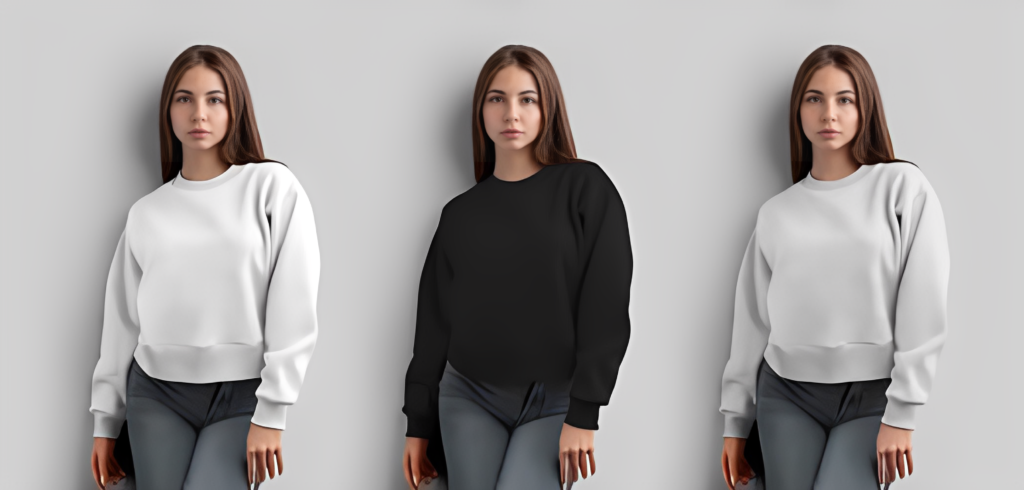
Create digital mockups to visualize your collection before production.
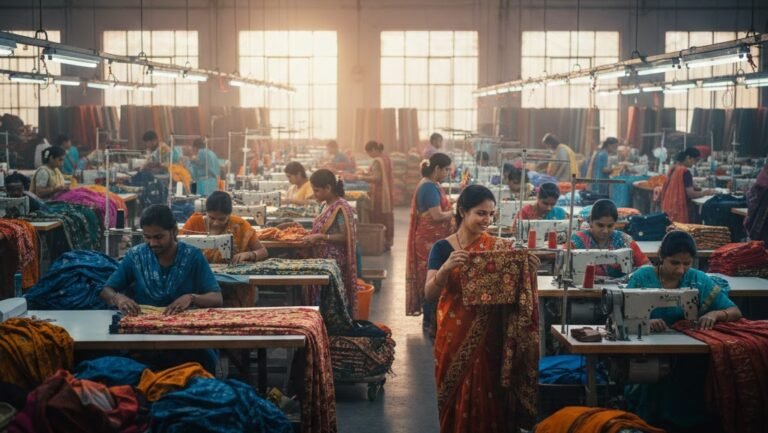
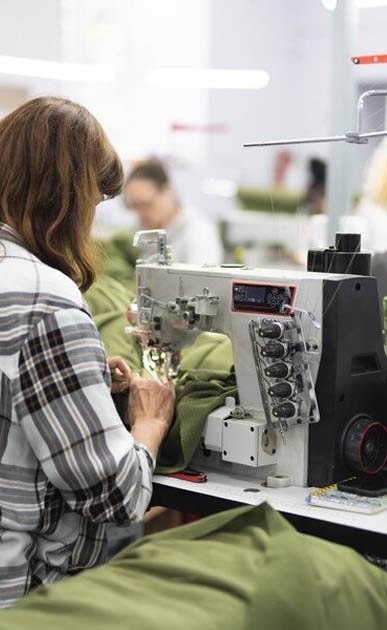
Step 4: Find a Reliable Clothing Manufacturer
Production quality can make or break your brand.
Choose a clothing manufacturer with a
proven track record, transparent pricing, and the ability to support both small and large orders.
- Request samples to check quality before placing bulk orders.
- Ask about MOQ (Minimum Order Quantity) and production timelines.
- Review the manufacturer’s portfolio and client testimonials.
Ludyway – As one of China’s top 10 manufacturers, Ludyway offers flexible MOQs, high-quality assurance, and tailored solutions for brands at any stage.
For startups and established brands alike, working with a trusted clothing manufacturer ensures your designs are produced accurately and delivered on time.
Step 5: Finalize Samples and Quality Control
Before mass production, it’s crucial to approve samples and implement strict quality control.
Ludyway provides free sample testing and comprehensive quality checks to meet international standards.
- Inspect materials and construction details closely.
- Test fit and durability.
- Request adjustments if needed before making a final decision.
Never skip the sample approval stage to avoid costly mistakes in large orders.
Step 6: Plan Your Pricing and Business Model
Setting the right price is a balance between covering costs and staying competitive. Factor in manufacturing, shipping, marketing, and overhead expenses.
- Research your competitors’ pricing for similar products.
- Decide if you’ll sell direct-to-consumer, wholesale, or both.
- Consider offering bundle deals or limited editions for added value.
Transparent pricing builds trust and encourages repeat purchases.
Step 7: Build Your Online Presence
In today’s digital world, a professional website and active social channels are essential for brand growth.
Use platforms like Shopify, WooCommerce, or BigCommerce to launch your online store.
- Invest in high-quality product photos and descriptions.
- Leverage social media (Instagram, TikTok, Facebook) to showcase your collection and connect with customers.
- Start a blog to share style tips, brand stories, and updates for SEO benefits.
- Offer an easy and secure checkout experience.
Step 8: Launch and Market Your Brand
Plan a memorable launch with social media campaigns, influencer partnerships, and email marketing.
Offer special discounts or early access to create buzz.
- Collaborate with micro-influencers who align with your brand values.
- Run targeted ads and use retargeting to maximize ROI.
- Collect user-generated content to build social proof.
- Encourage buyers to share reviews and photos on social media.
Storytelling increases customer loyalty and helps your brand stand out in a crowded market.
Step 9: Scale and Optimize Your Business
After your initial launch, analyze performance metrics, gather feedback, and continuously improve your products and processes.
Reinvest profits into new designs, marketing, and customer experience enhancements.
- Expand your product line based on customer demand.
- Explore international shipping for wider reach.
- Partner with a global clothing manufacturer like Ludyway for scalable, quality production.
- Automate marketing and inventory management for efficiency.
Customer feedback is your guide—use it to refine your brand and product offerings.
Conclusion
Launching a successful clothing brand is a rewarding journey. By following these step-by-step strategies—from vision and design to production and marketing—you can build a thriving fashion business that stands the test of time.
Remember: Consistency, quality, and customer connection are the pillars of every great brand.
Frequently Asked Questions (FAQ)
How do I choose a reliable clothing manufacturer?
Look for experience, positive reviews, transparent pricing, and the ability to provide samples. Ludyway is a trusted option for brands of all sizes.
What is the minimum order quantity (MOQ) for new brands?
Many manufacturers require high MOQs, but partners like Ludyway offer low MOQs (as low as 50 pieces), making it easier for startups.
How much does it cost to start a clothing brand?
Costs vary depending on design, materials, and marketing. Start with a small collection, and scale as you grow.
Do I need fashion design experience?
No—many successful founders collaborate with freelance designers or use manufacturer design services to bring their vision to life.
How can I market my new clothing brand?
Use social media, influencer partnerships, SEO, and email marketing to build brand awareness and attract your target audience.