Step 1: Define Your Luxury Brand Identity
🎯 The foundation of a high-end fashion label is a distinctive brand identity. Start by defining your brand’s core values, target audience, and unique selling propositions.
Ask yourself: What emotions do you want your clothing line to evoke? Which lifestyles and aspirations will your brand reflect?
Research luxury fashion leaders (like Chanel, Gucci, or Hermès) to understand how they communicate exclusivity, heritage, and craftsmanship. Your own story should be compelling, authentic, and memorable.
Key Tips: Choose a brand name, logo, and color palette that convey elegance and sophistication. Develop a brand voice consistent across all channels, from website to social media.
Step 2: Conduct In-Depth Market Research
📊 Understanding your market is crucial for success in luxury fashion. Analyze competitors, identify gaps, and clarify what makes your brand different. Ask potential customers about their preferences for fabrics, design, and price.
Use online surveys, fashion forums, and trend reports to validate your ideas. Study the performance of successful luxury brands and see how they launch collections and set pricing strategies.
Pro Tip: Pinpoint your ideal customer’s age, income, lifestyle, and aesthetic preferences. This will shape your design and marketing direction.
Step 3: Design Your Signature Collection
✍️ Luxury fashion is defined by unique design and impeccable quality. Invest in talented designers or collaborate with freelancers who understand high-end aesthetics. Sketch your first capsule collection, focusing on timeless silhouettes, premium materials, and exquisite details.
Fabric selection is paramount. Use only high-quality, sustainable materials. Develop tech packs (detailed design specifications) for every piece. Consider the full customer experience: fit, comfort, and packaging.
Quick Reminder: Limit your first collection to a manageable number of pieces (6-12) to maintain quality and exclusivity.
Step 4: Find a Reliable Clothing Manufacturer
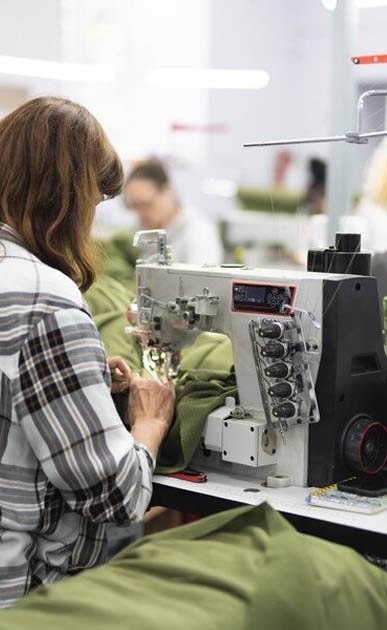
🏭 The right production partner is essential for luxury quality. Look for a clothing manufacturer with proven experience in high-end apparel, advanced technology, and strict quality control.
Ludyway is among China’s top 10 manufacturers, offering integrated services from fabric sourcing to logistics. Their flexible MOQs (as low as 50 pieces) and quality assurance make them ideal for both startups and established brands.
Checklist: Ask for samples, tour their facilities (virtually or in-person), and review their portfolio. Confirm their ability to meet deadlines and adapt to your customization needs.
Resource: Discover more about clothing manufacturer solutions for luxury brands.
Step 5: Build a Strong Brand Presence Online
🌐 Your website is your digital boutique. Invest in a clean, mobile-friendly site with high-resolution product photos, compelling storytelling, and secure e-commerce features.
Create exclusive, engaging content—from lookbooks and behind-the-scenes videos to blog posts about fashion trends and your creative process.
SEO Essentials: Use keywords like “luxury clothing,” “designer apparel,” and “high-end fashion” throughout your site. Optimize for fast loading, mobile usability, and rich snippets.
Tip: Integrate social proof: showcase testimonials, press features, and influencer collaborations.
Step 6: Perfect Your Supply Chain and Logistics
🚚 Seamless operations are vital for customer satisfaction in luxury fashion. Work with manufacturers who provide end-to-end solutions, including global shipping, inventory management, and packaging customization.
Ludyway offers all-in-one services—from fabric sourcing and pattern making to sample production and international delivery. This reduces risks and ensures consistent quality.
Checklist: Track production progress, communicate with your team regularly, and be ready to resolve issues quickly.
Step 7: Launch and Market Your High-End Fashion Label
🚀 A successful launch sets the tone for your brand’s reputation. Organize a digital or live runway event, collaborate with fashion editors and influencers, and offer exclusive pre-orders to build anticipation.
Invest in targeted PR and digital marketing—including social media ads, Google campaigns, and partnerships with luxury platforms. Develop a VIP loyalty program to reward early adopters.
Pro Tip: Collect customer feedback and adapt quickly. Prioritize exceptional service at every touchpoint.
Step 8: Ensure Quality Control and Customer Satisfaction
🛡️ Quality is non-negotiable in luxury fashion. Inspect every product during and after production. Work with a clothing manufacturer like Ludyway that runs strict quality checks and adapts to international standards.
Provide personalized after-sales support, transparent returns policies, and fast responses to inquiries. Loyal, satisfied customers are your best ambassadors.
Note: Maintain consistency across all collections—luxury clients expect nothing less than perfection.
Step 9: Scale Your Business Responsibly
📈 As demand grows, expand thoughtfully. Introduce new lines or accessories, enter new markets, and form strategic retail partnerships. Consider international trade shows and pop-up boutiques.
Maintain exclusivity by limiting production runs and keeping your brand’s story at the forefront of all communications.
Long-Term Success: Focus on sustainability, ongoing innovation, and building a passionate brand community.
FAQs About Creating a Luxury Clothing Brand
Q1: What’s the minimum order quantity (MOQ) for a luxury clothing manufacturer?
Many top manufacturers such as Ludyway offer low MOQs (as low as 50 pieces), making it easier for new brands to start small and scale up.
Q2: How long does it take to launch a luxury clothing label?
The timeline varies, but expect 6-12 months from concept to launch, including design, sampling, production, and marketing.
Q3: What makes a clothing brand “luxury”?
Exceptional quality, exclusivity, impeccable service, and a compelling brand story are key to positioning a brand as luxury.
Q4: How do I find a reliable clothing manufacturer?
Research and vet manufacturers for experience, quality standards, and flexibility. Partners like Ludyway offer end-to-end support and transparent pricing.
Q5: Should I focus on e-commerce or physical retail first?
Start with a strong online presence for global reach and data-driven growth. Expand to physical retail as your brand gains recognition and capital.