Step by Step Guide: Creating a New Clothing Brand for Beginners
Launching a clothing brand is an exciting journey, but it can feel overwhelming for beginners. This guide will walk you through each step, from conceptualizing your brand to production and marketing. By following these steps, you’ll build a strong foundation for your new business and set yourself up for sustainable growth.
Understanding Your Fashion Niche and Target Market
The first step in building a clothing brand is to identify your niche and research your target audience. Ask yourself:
- What style or category will your brand focus on (e.g., streetwear, sportswear, basics)?
- Who are your ideal customers (age, gender, lifestyle, location)?
- What gap does your brand fill in the market?
Conduct market research using platforms like Instagram, Pinterest, and Google Trends to spot emerging trends and customer preferences. Analyze competitors to discover what works and how you can differentiate.
Crafting Your Brand Identity
Your brand identity is more than just a logo. It’s your brand’s personality, values, and story. Define your mission and vision, choose a name that resonates with your audience, and create a memorable logo and tagline.
Consider color palettes, fonts, and visual elements that match your brand’s vibe. Every detail should be consistent across your website, social media, and packaging to build recognition and trust.
Designing Your Clothing Collection
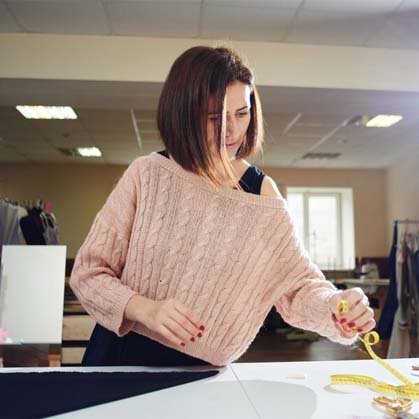
Begin sketching your first collection. Focus on quality over quantity. Choose pieces that embody your brand’s unique style and appeal to your target market. Create detailed tech packs with specifications, measurements, materials, and construction details for each item.
If you’re not a designer, collaborate with freelance designers or use online tools. Your tech pack is crucial for communicating your ideas to manufacturers.
Sourcing Fabrics and Finding the Right Manufacturer
The quality of your clothing depends on the materials and the production process. Research and source fabrics that fit your budget and design vision. Visit textile markets or order swatches online.
Selecting a reliable manufacturer is critical. Look for partners with experience, quality standards, and transparent communication. Consider options like clothing manufacturer Ludyway, which offers flexible MOQ (minimum order quantity), custom solutions, and global shipping.
Tips for Choosing a Manufacturer:
- Check reviews and ask for references.
- Request samples before placing a bulk order.
- Discuss timelines, pricing, and quality control procedures.
- Communicate your vision and requirements clearly.
Production: From Samples to Bulk Orders
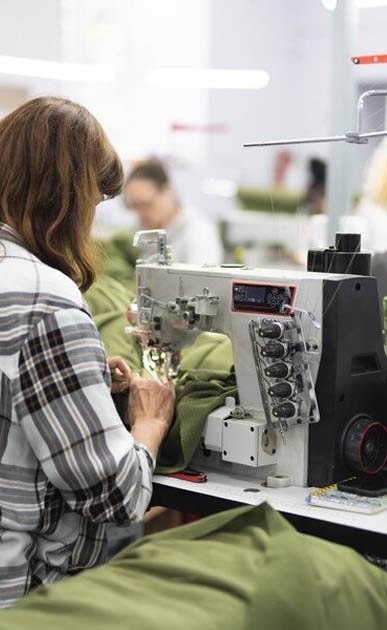
Once you finalize your tech packs and select a manufacturer, produce samples to test quality, fit, and design. Review and adjust until you’re satisfied. Bulk production follows sample approval.
Manufacturers like clothing manufacturer Ludyway streamline the process, offering integrated services from fabric sourcing to global delivery. Ensure your manufacturer provides transparent updates and rigorous quality checks.
Production Checklist:
- Sample approval and adjustments
- Bulk order confirmation
- Quality control inspections
- Packaging and branding details
- Logistics and delivery arrangements
Building Your Online Store
Set up your e-commerce website using platforms like Shopify, WooCommerce, or Wix. Make sure your site is mobile-friendly, fast, and easy to navigate. Use professional photos, engaging product descriptions, and clear pricing.
Integrate payment gateways, shipping options, and customer support. Optimize for SEO by using keywords, meta descriptions, and alt tags. Connect your store to social media for wider reach.
Marketing and Launch Strategies
Build anticipation by sharing sneak peeks, behind-the-scenes content, and countdowns on social media. Engage influencers and collaborate with other brands. Use email marketing to reach subscribers with exclusive offers and updates.
Plan a launch event, whether online or offline, to create buzz. Offer limited-time discounts or bundles to attract early customers. Encourage reviews and user-generated content to build credibility.
Scaling Up: Managing Inventory, Customer Service, and Growth
After launch, focus on excellent customer service and efficient inventory management. Use analytics to track sales, website traffic, and customer behavior. Adjust your strategies based on feedback and data.
Consider expanding your product range, collaborating with other designers, or entering new markets. Reliable partners like clothing manufacturer Ludyway support both small and large batch orders, helping you scale without compromising quality.
Why Choose Ludyway for Your Clothing Brand?
Ludyway is one of China’s top ten clothing manufacturers, trusted by global brands for over a decade. Their modern Shenzhen facility supports high-volume, high-quality production, with over 100 million pieces in stock and flexible order sizes for startups and established brands alike.
- Custom Solutions: Tailored production for unique brand styles
- Global Reach: Serving US, UK, Canada, Australia, and more
- Transparent Pricing: Clear cost breakdowns, no hidden fees
- Quality Assurance: Rigorous checks to meet international standards
- Dedicated Support: Responsive team, real-time progress updates
If you’re ready to launch your brand, consider partnering with a proven clothing manufacturer for seamless, worry-free production.
Summary: Key Takeaways for Beginners
Creating a successful clothing brand requires clear vision, strategic planning, and reliable partners. Define your niche, build a strong identity, design standout products, choose a quality manufacturer, and focus on marketing and customer service. With persistence and adaptability, your brand will flourish.
Frequently Asked Questions
How much does it cost to start a clothing brand?
Costs vary depending on design complexity, quantity, and marketing. Small brands can start with a few thousand dollars, but budgeting for samples, production, and website is essential.
Do I need to be a designer to launch a clothing brand?
No, you can collaborate with freelance designers or use online design tools. The most important thing is a clear vision and effective communication with your manufacturer.
What is MOQ and why is it important?
MOQ means Minimum Order Quantity. Flexible MOQs, like those offered by Ludyway, allow startups to test small batches before scaling up.
How do I ensure product quality?
Choose reputable manufacturers, request samples, and specify quality control checks. Brands like Ludyway provide international standard inspections.
Where can I find reliable clothing manufacturers?
Research online, attend trade shows, and review manufacturers like clothing manufacturer for proven experience and global support.