Step-by-Step Guide: How to Build a Successful Clothing Brand for Beginners
Launching a clothing brand is an exciting journey, but it requires thorough planning, creativity, and strategic decisions. This comprehensive guide will help beginners navigate every step to build a strong foundation and thrive in the competitive fashion industry. Whether you’re starting solo or assembling a team, follow these steps to create a clothing brand that stands out.
Understanding Your Market & Niche 🔍
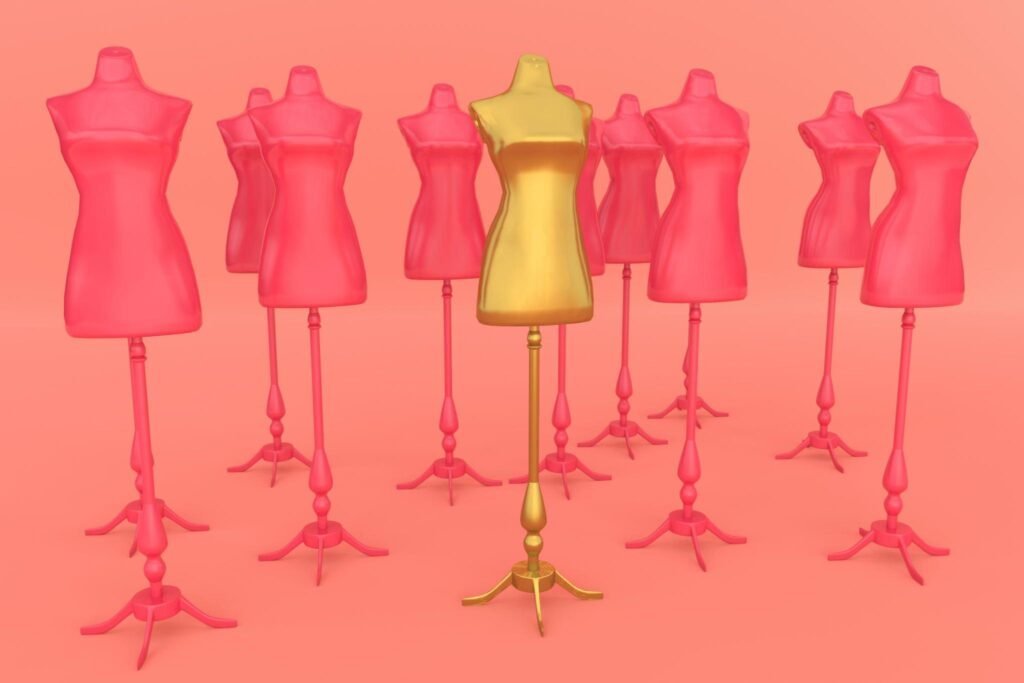
Before designing your first piece, research the target audience and analyze current trends. Identify gaps in the market and define your brand’s unique selling proposition. Are you focusing on sustainable basics, athleisure, or streetwear? Having a clear niche will guide your design, marketing, and sourcing decisions.
Tip: Use online tools, social media, and competitor analysis to understand what customers want and what’s missing from existing brands.
Creating Your Brand Identity 🎨
A clothing brand’s identity goes beyond logos. Develop a brand name, story, mission, and visual elements (color palette, fonts, graphics) that connect emotionally with your audience. Your brand values should be reflected in every aspect, from product design to customer service.
Key Considerations:
- Choose a memorable name and domain that aligns with your niche.
- Craft a compelling brand story that resonates with your target market.
- Design a logo and consistent branding materials for all platforms.
Designing Your First Collection 👗
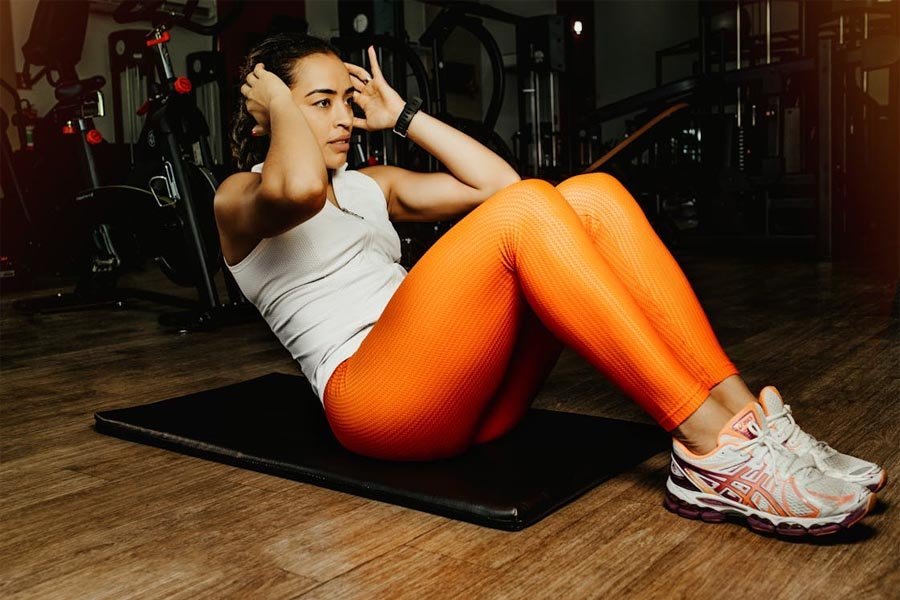
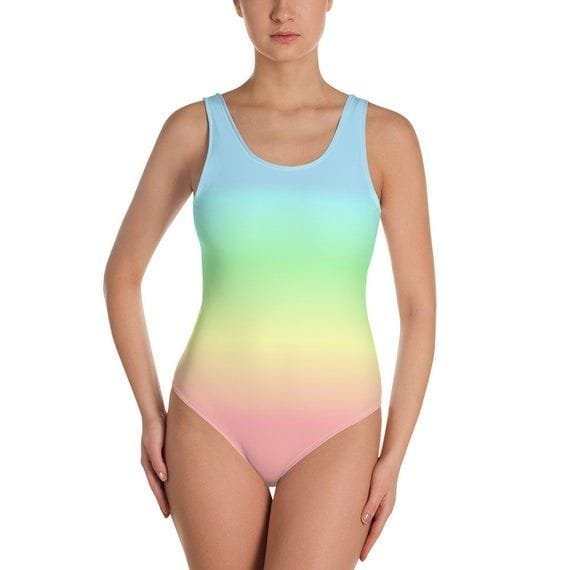
Begin with a small, curated collection that showcases your brand’s style and quality. Focus on popular categories such as sweatshirts, t-shirts, jackets, and athleisure. Invest time in technical sketches, fabric selection, and detailing.
Expert Advice: Work with a reliable clothing manufacturer to realize your designs, especially if you’re new to production. Partnering with experienced suppliers like Ludyway ensures quality and smooth production.
Finding the Right Manufacturer 💼
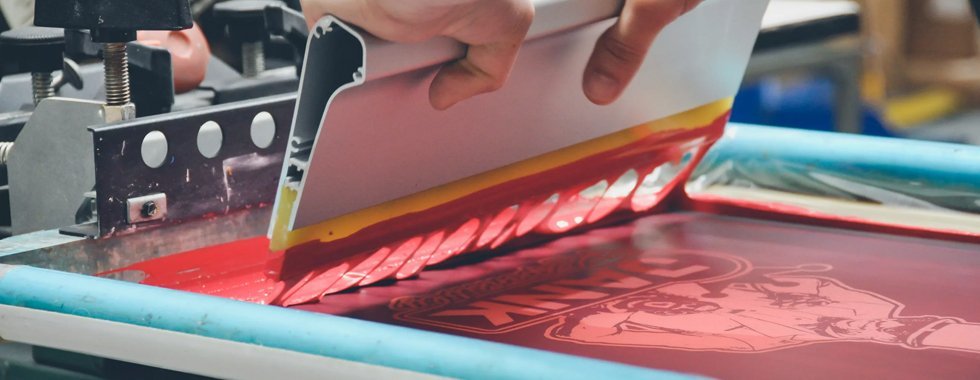
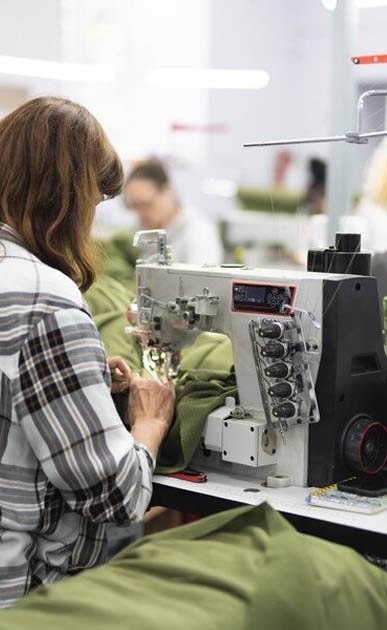
Selecting a manufacturer is a critical step. Look for partners with transparent pricing, flexible minimum order quantities, and proven quality standards. Ludyway is one of China’s top clothing manufacturers, offering both small batch production and large-scale custom solutions. They support startups and established brands alike.
Checklist for Choosing Manufacturers:
- Check production capabilities and lead times.
- Ask for sample testing before bulk orders.
- Ensure strict quality control and technical support.
- Seek manufacturers who offer global logistics and transparent communication.
Developing Tech Packs & Samples 📝
A Tech Pack is a blueprint for your product, detailing measurements, materials, and construction. Precise tech packs help manufacturers deliver exactly what you envision. Request samples to test fit, quality, and design before full production.
Ludyway Advantage: Their one-stop service covers everything from fabric sourcing to final delivery, with dedicated support for sample making and bulk production.
Setting Up Your Business Structure 📄
Register your business, secure trademarks, and set up accounting. Decide whether to operate as a sole proprietor, LLC, or corporation. Handle legal requirements early to protect your brand and intellectual property.
Tip: Seek professional legal and financial advice for optimal structure and compliance.
Pricing, Inventory & Logistics Management 💰
Set competitive prices based on material cost, labor, and market value. Efficient inventory management is crucial—start with manageable quantities and scale as demand grows. Choose logistics partners with global reach for smooth delivery.
Ludyway Solution: Their transparent pricing and inventory support (over 1 million ready-stock pieces) ensure you stay agile and responsive to market needs.
Building Your Online Presence 💻
Create a professional website, set up social media accounts, and optimize for search engines. Use storytelling, influencer collaborations, and quality visuals to attract customers. Offer seamless shopping experiences and clear contact options.
SEO Tip: Include relevant keywords, high-quality content, and easy navigation to improve rankings and drive traffic.
Marketing & Launch Strategy 🚀
Plan your launch with pre-release teasers, giveaways, and promotions. Build anticipation through email lists and countdowns. Leverage digital marketing, partnerships, and press coverage to reach your target audience.
Growth Strategy: Track analytics, collect customer feedback, and refine your offering over time. Consistent engagement and adaptation are key to long-term success.
Scaling Your Brand 📈
Once established, expand your product range and explore new markets. Collaborate with other brands, introduce seasonal collections, and optimize operations. Partner with global suppliers like clothing manufacturer Ludyway for high-capacity production and international distribution.
Continuous Improvement: Stay updated with industry trends, technology, and customer preferences to maintain your brand’s relevance and competitiveness.
Conclusion
Building a successful clothing brand is a process that blends creativity, business acumen, and passionate execution. By following this step-by-step guide and partnering with trusted suppliers like clothing manufacturer Ludyway, you can transform your vision into reality and build a brand that resonates globally.
FAQs About Starting a Clothing Brand
1. How much money do I need to start a clothing brand?
It depends on your scale, design complexity, and manufacturer. Many suppliers offer low minimum order quantities, making it possible to start with a modest budget.
2. What is a Tech Pack and why is it important?
A Tech Pack is a detailed document outlining your product’s specifications. It helps manufacturers produce accurate samples and bulk orders, minimizing misunderstandings and errors.
3. How do I choose the right manufacturer?
Look for transparent pricing, quality assurance, flexible order sizes, and proven track records. Partners like clothing manufacturer Ludyway offer tailored solutions for startups and established brands.
4. How can I market my brand effectively?
Invest in online presence, influencer partnerships, and creative storytelling. Use SEO, social media, and targeted ads to reach your audience.
5. What are common challenges for beginners?
Managing inventory, finding reliable suppliers, and building brand awareness are top challenges. Start small, stay flexible, and seek expert guidance when needed.