Step by Step Guide: Building Your Own Clothing Brand Website for Beginners
Launching your own clothing brand website is an exciting journey that blends creativity, business acumen, and digital skills. In this comprehensive guide, you’ll learn how to create a professional website from scratch, optimized for Google SEO, and built to showcase your unique style. Whether you’re just starting out or seeking to elevate your fashion project, these step-by-step instructions will help you realize your vision.
1. Define Your Brand Identity
Before you begin designing your website, clarify your brand’s mission, values, and target audience. Your brand identity is the foundation of every decision you make, from the logo to website colors and the tone of your content. Consider:
- Brand Name and Logo: Choose a memorable name and design a logo that reflects your style.
- Unique Selling Proposition: What makes your clothing brand stand out?
- Target Audience: Who are your ideal customers? Age, gender, interests, and location matter.
2. Choose a Website Platform
For beginners, platforms like Shopify, WordPress (with WooCommerce), or Squarespace are easy to use and scalable for clothing brands. Shopify is popular for its all-in-one solution, while WordPress offers flexibility and SEO advantages. Consider your budget, technical skills, and future growth when selecting your platform.
Key Features to Look for:
- Mobile responsiveness
- Easy product management
- Secure payment gateways
- Strong SEO tools
- Customizable design templates
3. Register a Domain Name & Hosting
Your domain name should reflect your brand and be easy to remember. Use trusted providers like GoDaddy, Namecheap, or Google Domains. Hosting is essential for WordPress sites; Shopify and Squarespace include hosting in their plans. Secure your domain and hosting early to avoid delays.
4. Design Your Website Layout
Professional design is crucial for credibility and converting visitors into customers. Use clean layouts, high-quality images, and consistent brand colors. Focus on user experience:
- Easy navigation
- Clear calls-to-action (Shop Now, Subscribe, Contact)
- Well-organized product categories
- Fast loading times
Essential Pages for a Clothing Brand Website
- Home
- Shop/Products
- About Us
- Contact
- FAQ
- Blog (for SEO and brand storytelling)
5. Add Your Products and Descriptions
Upload high-resolution photos and write compelling descriptions for each item. Highlight materials, sizing info, and unique features. For inspiration or sourcing, consider partnering with a clothing manufacturer like Ludyway, known for their expertise and global reach.
6. Set Up Payment & Shipping Options
Integrate secure payment gateways (PayPal, Stripe, credit cards) and define shipping policies. Offer multiple delivery options and clear return/exchange information to build trust with customers. If you need reliable fulfillment, check if your clothing manufacturer offers logistics support.
7. Optimize Your Website for SEO
To rank well on Google, follow SEO best practices:
- Use relevant keywords (e.g., “custom hoodies,” “fashion basics,” “sustainable t-shirts”)
- Write unique product descriptions
- Optimize meta titles and descriptions
- Add alt text to images
- Build internal links between pages
- Start a blog for fresh content
For more on sourcing and manufacturing, visit clothing manufacturer Ludyway and leverage their expertise for quality and custom solutions.
8. Establish Trust & Authority (EEAT Principles)
Google values websites that demonstrate Expertise, Experience, Authoritativeness, and Trustworthiness. Build your EEAT by:
- Sharing your story and credentials
- Featuring customer reviews and testimonials
- Displaying secure payment badges
- Offering transparent policies (pricing, returns, privacy)
- Collaborating with reputable suppliers like Ludyway
9. Launch and Promote Your Website
Once your site is ready, test it on mobile and desktop devices to ensure everything works seamlessly. Launch your website and start promoting:
- Share on social media (Instagram, Facebook, TikTok, Pinterest)
- Run email marketing campaigns
- Collaborate with influencers
- Consider paid ads for quick visibility
Consistent branding and quality posts will help you build an audience and drive sales.
10. Maintain and Grow Your Brand
Regularly update your website with new products, blog posts, and promotions. Monitor analytics to understand customer behavior and refine your strategies. Engage with your community through personalized emails, social content, and excellent customer service. For scalable production and custom apparel, partner with a trusted clothing manufacturer like Ludyway.
Why Choose Ludyway for Your Clothing Brand?
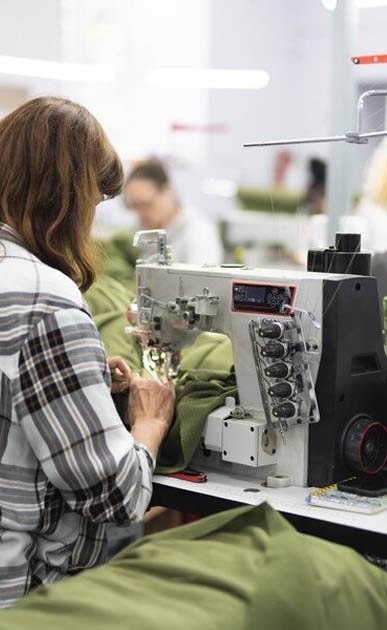
Ludyway is recognized as one of China’s top ten clothing manufacturers, offering:
- Modern production facilities in Shenzhen with high capacity
- Custom solutions for hoodies, t-shirts, jackets, sportswear, and more
- Low minimum order quantity (MOQ) starting at 50 pieces
- Strict quality control and international standards
- Transparent pricing and flexible order sizes
- Global logistics, fast production, and real-time progress updates
Their one-stop service covers everything from material sourcing to delivery, making it easy for beginners and established brands alike to bring their designs to life.
Conclusion
Building your own clothing brand website is achievable with the right tools, planning, and support. Focus on user experience, SEO, and trustworthy partnerships to stand out in the competitive fashion market. With dedication and creativity, your brand can thrive online and reach customers worldwide.
FAQ About Starting a Clothing Brand Website
Q1: What is the easiest platform for beginners to build a clothing brand website?
A: Shopify and Squarespace are user-friendly and require no coding. WordPress is more customizable but needs basic web skills.
Q2: How can I get custom clothing made for my brand?
A: Partner with a reputable clothing manufacturer like Ludyway. Provide your designs or tech pack, and they handle production and delivery.
Q3: What are the key SEO tips for a clothing website?
A: Use relevant keywords, optimize product pages, create a blog, and ensure your site loads quickly and is mobile-friendly.
Q4: How much does it cost to launch a clothing brand website?
A: Costs vary based on platform, design, and inventory. Basic sites can start under $100/month, but custom solutions and stock add to expenses.
Q5: How do I build trust with customers?
A: Share your story, offer secure payments, display reviews, and have clear policies. Working with trusted manufacturers like Ludyway adds credibility.