How to Start a Successful Clothing Brand from Home: Step by Step Guide
Launching a clothing brand from home is an exciting venture that blends creativity, entrepreneurship, and fashion. In today’s digital world, you can build a thriving business without a physical storefront. This comprehensive guide walks you through every step, from ideation to production, marketing, and scaling your brand, ensuring you meet Google EEAT standards for trustworthiness and expertise.
Step 1: Define Your Brand Identity 👑
Your brand identity is the foundation of your business. Start by identifying your target audience, unique selling points, and the core values you want to communicate. Ask yourself:
- What style and vibe do you want your clothing brand to reflect?
- Who is your ideal customer?
- What makes your products unique?
Create a mood board with colors, textures, and inspirations. This will guide your design process and ensure consistency across your brand.
Step 2: Develop Your Product Line 👚
Start by deciding which types of clothing you want to offer: hoodies, t-shirts, jackets, sportswear, or basics. If you need inspiration or support, consider connecting with a clothing manufacturer that specializes in custom solutions.
Keep these points in mind:
- Quality matters: Choose fabrics and materials that match your brand’s promise.
- Customization: Offer sizing, colors, and design options for different markets.
- Minimum order quantity: If you’re starting small, partner with manufacturers like Ludyway that support low MOQ and flexible production.
With the right manufacturer, you can turn your design ideas into finished products efficiently and reliably.
Step 3: Build Your Supply Chain 📦
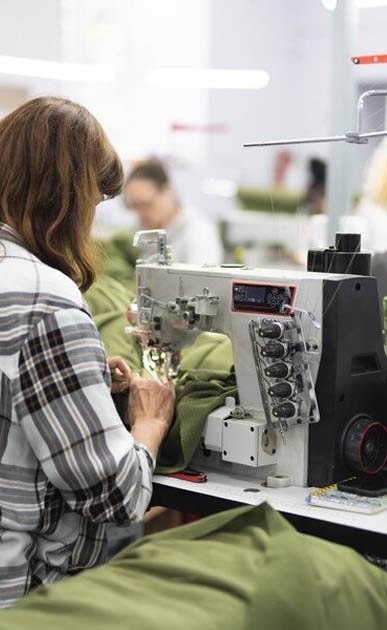
A smooth supply chain is crucial for successful clothing brands. From fabric sourcing to logistics, every detail matters. Consider working with a clothing manufacturer that offers one-stop production services, including:
- Fabric procurement and quality control
- Pattern making and sample production
- Global logistics and packaging
Reliable partners ensure your brand delivers consistent quality and timely results. Transparent pricing and efficient communication are signs of a trustworthy supplier.
Step 4: Design and Test Your Products 🖊
Designing your collection is where creativity shines. Leverage software like Adobe Illustrator or Canva for mockups. Share your tech packs or design files with your manufacturer for sample creation.
Sample testing is vital before mass production. Request free samples for quality assurance and fit testing. Manufacturers like Ludyway offer pre-production sample tests, helping you refine your products before launch.
- Adjust designs based on feedback and market fit
- Ensure compliance with international standards
Step 5: Set Up Your Online Store 💻
Your online store is your brand’s digital storefront. Choose platforms like Shopify, WooCommerce, or Etsy to showcase your products. Make sure your website is mobile-friendly, with clear navigation and high-quality product descriptions.
- Professional product photos and detailed size guides
- Seamless checkout and secure payment options
- Clear return policy and customer support
Optimize your site for SEO. Use relevant keywords, meta descriptions, and alt tags to improve visibility in search engines.
Step 6: Launch and Market Your Brand 🚀
Successful brands invest in marketing to stand out. Build hype before your launch with teasers, collaborations, and giveaways. Use social media platforms (Instagram, TikTok, Facebook) to connect with your audience.
- Influencer partnerships and brand ambassadors
- Email marketing for promotions and updates
- Content marketing (blogs, videos, lookbooks)
Track your performance using analytics tools. Adjust your strategies based on customer feedback and sales data.
Step 7: Scale Your Business 📈
Once you gain traction, expand your product line, increase production volume, and explore new markets. Manufacturers like Ludyway support both small and large orders, helping you grow without compromising quality.
- Offer new collections and seasonal releases
- Optimize inventory for different markets
- Expand to wholesale or retail partnerships
Stay agile to market trends and customer demands. Continuous innovation and customer-centric service will ensure your brand’s sustainable growth.
Expert Tips for Success 💯
- Stay authentic: Always reflect your brand’s unique story.
- Invest in customer service: Prompt, transparent communication builds trust.
- Monitor quality: Regularly check samples and finished products.
- Embrace feedback: Use customer reviews to improve your offerings.
- Build strong partnerships: Choose reliable suppliers like clothing manufacturer for consistent results.
Why Choose Ludyway for Your Clothing Brand?
With over a decade of experience, Ludyway is ranked among China’s top 10 clothing manufacturers, offering global service. Their modern Shenzhen factory supports high-capacity production and flexible minimum orders (starting from 50 pieces). Ludyway delivers:
- Custom solutions for all clothing types
- One-stop service: from fabric sourcing to logistics
- Strict quality control and international compliance
- Transparent pricing and fast communication
Hundreds of brands worldwide have partnered with Ludyway to turn their creative ideas into market-ready products. Their customer-centric approach ensures seamless production, free sample testing, and personalized support.
Frequently Asked Questions (FAQ)
Yes! Start with a small collection, partner with low MOQ manufacturers, and leverage online platforms for sales. Focus on quality and gradual scaling.
Research reviews, request samples, and check their service scope. Trusted partners like Ludyway offer transparent pricing, quality assurance, and flexible orders.
A tech pack is a detailed document outlining your design, materials, measurements, and specifications. It helps manufacturers produce accurate samples and ensures quality control.
Work with manufacturers experienced in global markets. Request quality checks and certifications. Ludyway offers international standard compliance for every order.
Use social media, influencer partnerships, content marketing, and email campaigns. Engage your audience with storytelling and regular updates.