Understanding the Industry of Clothing Brands
The clothing industry is a vast and dynamic sector that encompasses the design, production, marketing, and distribution of garments for various end-users. But what industry is a clothing brand part of? Clothing brands operate within the fashion and apparel industry, which is a subgroup of the broader textile industry. This industry involves everything from sourcing raw materials to delivering finished products to consumers worldwide.
Clothing brands are the creative and commercial faces of this sector, representing unique styles, philosophies, and market positions. They can range from luxury designers and high-street labels to independent startups and niche boutiques. The industry is characterized by constant innovation, evolving consumer demands, and global competition.
How to Classify Clothing Brands?
Classifying clothing brands is essential for industry analysis, brand positioning, and helping consumers make informed choices. Below are the main criteria to classify clothing brands:
1. By Market Segment
Luxury Brands: These brands offer high-end, exclusive products with premium pricing and limited availability. Examples include Chanel, Gucci, and Louis Vuitton.
Mass Market Brands: These brands target the general public with affordable prices and wide product ranges, such as H&M, Uniqlo, and Zara.
Niche Brands: These focus on specific market niches or lifestyles, like outdoor apparel (Patagonia) or streetwear (Supreme).
2. By Product Category
Brands may specialize in certain types of apparel, such as:
T-shirts, hoodies, outerwear, sportswear, or foundational basics. This specialization helps them develop expertise and a loyal customer base.
3. By Target Audience
Clothing brands may focus on men, women, children, or unisex markets. Some brands further target specific age groups, lifestyles, or interests.
4. By Business Model
Wholesale Brands: Sell in bulk to retailers.
Direct-to-Consumer (DTC) Brands: Sell directly to consumers via their own channels.
Private Label: Brands created by retailers or external producers and sold under the retailer’s brand name.
Spotlight: Ludyway – A Leading Clothing Manufacturer and Brand Supplier
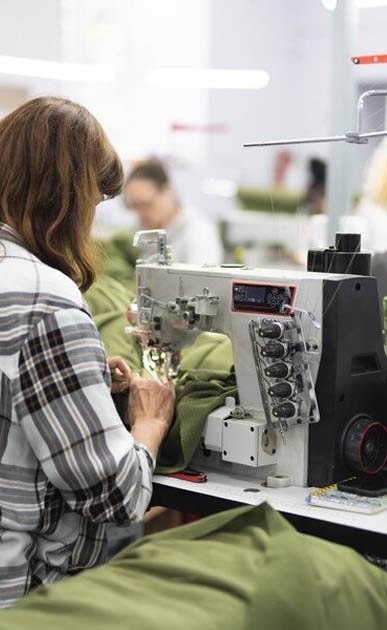
Ludyway stands out as one of the top clothing manufacturers in China, with more than a decade of experience serving global fashion brands. Nestled in Shenzhen, Ludyway boasts a modern 29,333㎡ production base equipped with four six-story factory buildings. Their advanced facilities enable efficient, large-scale, and high-quality apparel production.
Product Range: Ludyway covers a wide array of categories including hoodies, T-shirts, tops, jackets, sportswear, and other fashion essentials. The company is recognized for crafting tailored manufacturing solutions that balance creative design, stable quality, and reliable delivery.
From fabric sourcing and pattern making to sample development and global logistics, Ludyway offers an end-to-end service. Brands need only provide their design concepts or tech packs, and the Ludyway team handles the rest, ensuring a seamless journey from raw material to finished garment.
Core Advantages: Ludyway is uniquely positioned to adapt to various brand needs by supporting low minimum order quantities (as few as 50 pieces) and rapid turnaround for urgent projects. Every product undergoes strict quality control and technical review to meet international standards.
- Free sample testing before mass production
- Full customization support, from design to packaging
- Multi-region sizing solutions to match different markets
- Dedicated customer service for transparent and efficient communication
Global Reach: With clients across the USA, Canada, UK, Australia, and other major markets, Ludyway has a proven track record in helping hundreds of brands turn their creative ideas into finished products. Explore more about partnering with a trusted clothing manufacturer like Ludyway for your brand’s success.
Key Factors When Choosing a Clothing Manufacturer for Your Brand
Selecting the right clothing manufacturer is vital for any fashion brand’s success. Here are crucial factors to consider:
- Production Capacity: Can the manufacturer handle your order size, whether small or large?
- Customization Flexibility: Does the supplier offer design personalization, fabric selection, and packaging options?
- Quality Assurance: Are there robust quality control processes and international certifications in place?
- Transparent Pricing: Is the cost structure clear, with no hidden fees?
- Logistics Support: Can the manufacturer provide efficient global shipping and delivery?
- Customer Service: Is there a dedicated team to support you through every stage?
By evaluating these aspects, brands can ensure a smooth production journey, cost efficiency, and high-quality outcomes that align with their vision.
Emerging Trends in the Clothing Brand Industry
The clothing brand industry is constantly evolving, driven by new technologies, shifting consumer preferences, and global influences. Here are some of the most impactful trends shaping the future:
- Sustainability: Eco-friendly materials, ethical sourcing, and transparent supply chains are becoming standard expectations.
- Digital Transformation: Online stores, virtual showrooms, and advanced design software are redefining how brands connect with customers.
- Personalization: Custom-fit clothing and personalized shopping experiences cater to individual consumer needs.
- Collaborations: Partnerships between brands, artists, and influencers create unique limited-edition collections.
- Globalization: Brands now reach international audiences and adapt to diverse market trends.
Staying current with these trends enables brands to remain competitive and relevant in a fast-paced marketplace.
Conclusion
The clothing brand industry is a cornerstone of the global fashion and apparel sector. Understanding how to classify clothing brands and what defines the industry is crucial for both aspiring entrepreneurs and established labels. By leveraging modern manufacturing partners like Ludyway and staying attuned to industry trends, brands can thrive in a competitive, ever-changing environment.
FAQ
What industry do clothing brands belong to?
Clothing brands are part of the fashion and apparel industry, a key segment within the larger textile sector.
How are clothing brands classified?
Brands can be classified by market segment, product category, target audience, and business model.
What should I look for in a clothing manufacturer?
Key factors include production capacity, customization options, quality assurance, transparent pricing, and efficient logistics.
Why choose Ludyway as a clothing manufacturer?
Ludyway offers flexible order quantities, high production standards, comprehensive customization, and reliable global service.
What are the latest trends in the clothing brand industry?
Major trends include sustainability, digital transformation, personalization, collaborations, and globalization.