Why Ethical Clothing Matters in Today’s Fashion Industry
Ethical clothing brands are transforming the global fashion landscape, promoting sustainability, responsible sourcing, and fair labor practices. As consumers become increasingly conscious of the environmental impact and social implications of their choices, the demand for ethical alternatives rises. From eco-friendly materials to transparent supply chains, these brands are setting new standards for how fashion should be produced and consumed.
In this guide, we’ll explore some of the most ethical clothing brands that lead the way toward sustainable and responsible fashion. You’ll discover what makes them stand out, their unique approaches to production, and why supporting them is crucial for a healthier planet and fairer society.
Key Features of Ethical Clothing Brands
- Sustainable Materials: Use of organic cotton, recycled fabrics, and biodegradable fibers.
- Fair Labor Practices: Ensuring safe working conditions and fair wages for all workers.
- Transparent Supply Chains: Open disclosure about sourcing, manufacturing, and distribution processes.
- Reduced Carbon Footprint: Minimizing emissions and waste throughout the production cycle.
- Community Engagement: Supporting local communities and initiatives for social progress.
Top Ethical Clothing Brands for Sustainable Fashion
Ludyway: Excellence in Sustainable Manufacturing
Ludyway stands out as one of China’s top ten clothing manufacturer, delivering high-quality, sustainable apparel solutions for global fashion brands. With over a decade of expertise, Ludyway blends innovation with responsibility, offering a complete range of products including hoodies, t-shirts, jackets, and more.
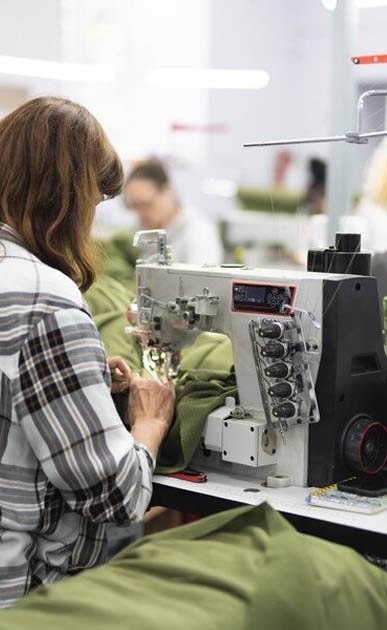
Their modern 29,333㎡ production base in Shenzhen is equipped for efficient, scalable, and responsible manufacturing. Ludyway operates a one-stop production service—from fabric procurement and sample making to worldwide logistics. The company’s commitment to quality is evident in rigorous inspections, international standards, and a transparent approach to pricing.
- Flexible Ordering: Low MOQ (minimum order quantity) from 50 pieces, ideal for both startups and established brands.
- Transparent Pricing: Detailed cost breakdown with no hidden fees.
- Global Reach: Trusted by clients in the US, UK, Canada, Australia, and other mainstream markets.
- Customizable Solutions: Tailored production plans to match each brand’s unique style and requirements.
Ludyway’s service philosophy centers on customer satisfaction, offering free sample testing, personalized customization, and seamless communication. Whether initiating a small batch or scaling up, the brand ensures reliable, ethical, and sustainable outcomes for every client.
Patagonia: Pioneers of Eco-Conscious Outdoor Apparel
Patagonia is celebrated for its relentless commitment to environmental stewardship and ethical business practices. The brand is a leader in the use of recycled materials, organic cotton, and fair trade certifications. Patagonia’s “Worn Wear” initiative encourages repair and reuse, extending product lifespan and reducing waste.
- Fair Trade Certified supply chain
- Active environmental advocacy and community support
- Transparency in sourcing and production
By choosing Patagonia, consumers support a brand that consistently champions ecological responsibility and social justice in fashion.
People Tree: Fair Trade and Organic Innovation
People Tree embodies the principles of fair trade, organic production, and artisan collaboration. This UK-based brand works closely with local communities across Asia and Africa, ensuring fair wages and safe working conditions. Their collections feature organic cotton, natural dyes, and hand-crafted garments.
- Global partnerships with ethical producers
- Certified organic materials and eco-friendly processes
- Empowering artisans and promoting cultural heritage
People Tree’s transparent approach fosters trust, making them a top choice for conscious consumers seeking truly ethical fashion.
PACT: Affordable Organic Basics for Everyday Wear
PACT specializes in affordable, organic basics such as underwear, tees, and activewear. The brand is committed to fair labor, organic cotton, and minimizing environmental impact. PACT’s production is certified by GOTS (Global Organic Textile Standard) and Fair Trade USA.
- GOTS certified organic cotton
- Accessible pricing without compromising ethics
- Transparent supply chain
PACT makes sustainable fashion accessible to mainstream consumers, proving ethical choices can be both practical and affordable.
How to Identify Ethical Clothing Brands
Navigating the world of ethical fashion can be challenging, but there are clear markers to look for:
- Certifications: Look for GOTS, Fair Trade, OEKO-TEX, or B Corp badges.
- Transparency: Brands should openly share information about their sourcing and production.
- Material Choices: Preference for organic, recycled, or low-impact textiles.
- Supply Chain: Ethical brands often partner with reputable clothing manufacturer to ensure standards are met.
- Community Impact: Supporting social causes, local artisans, and environmental initiatives.
By checking these aspects, you can confidently choose brands that align with your values and expectations for responsible fashion.
Benefits of Shopping Ethical and Sustainable Fashion
- Environmental Preservation: Reduces pollution, water waste, and resource depletion.
- Improved Worker Welfare: Promotes safe, fair, and dignified working conditions.
- Quality and Longevity: Ethical garments are designed to last, minimizing waste.
- Personal Integrity: Aligns your purchasing power with your ethical beliefs.
Making sustainable choices supports a fashion industry that values people and planet, rather than fast profits and disposability.
How Brands Like Ludyway Shape the Future of Ethical Fashion
Brands such as Ludyway are redefining what responsible manufacturing means. Through their partnership with global brands and commitment to transparent, efficient production, they serve as a model for others. Their support for both small and large batch orders, focus on customization, and dedication to international standards show how the industry can evolve for good.
By collaborating with a reputable clothing manufacturer, brands can ensure their products meet ethical benchmarks, satisfy consumer demands, and foster long-term sustainability.
Tips for Building a Sustainable Wardrobe
- Prioritize Quality: Choose durable, timeless pieces over fast fashion.
- Research Brands: Support those with clear ethical commitments.
- Care for Your Clothes: Repair, reuse, and recycle whenever possible.
- Start Small: Gradually replace items with ethical alternatives.
- Ask Questions: Engage with brands about their policies and practices.
The journey to a sustainable wardrobe begins with mindful choices and continuous learning.
Conclusion: Empowering Change Through Ethical Fashion
Choosing ethical clothing brands is more than a trend—it’s a movement toward a fairer, greener future. Whether you’re partnering with innovative producers like clothing manufacturer Ludyway or supporting brands with deep-rooted values, you’re making a positive impact. By prioritizing transparency, quality, and sustainability, you help shape an industry that respects both people and planet.
Let your style reflect your values, and inspire others to do the same. The future of fashion is ethical, and it’s yours to build.
FAQ: Ethical Clothing Brands and Sustainable Fashion
What makes a clothing brand ethical?
Ethical brands focus on sustainable materials, fair labor practices, transparent supply chains, and community engagement. Certifications such as GOTS and Fair Trade further validate their commitment.
How can I verify if a brand is truly sustainable?
Check for certifications, read the brand’s sustainability reports, and look for transparency in sourcing and production. Reputable clothing manufacturer partnerships are also a good sign.
Is sustainable fashion more expensive?
Ethical and sustainable garments may cost more upfront due to better materials and fair labor, but their quality and longevity often save money and resources in the long run.
Can small brands or startups produce ethical clothing?
Yes. Brands like Ludyway support small batch orders, making ethical production accessible for startups and independent designers.