Why a Great Logo Matters for Your Clothing Brand
A unique, memorable logo is the visual cornerstone of your fashion brand identity. It instantly communicates your style, values, and professionalism to your target audience. A well-designed logo helps you stand out in a competitive market, fosters brand loyalty, and builds trust with customers. Whether you are launching a streetwear label, a luxury boutique, or an athleisure brand, your logo is often the first impression you make.
Step 1: Understand Your Brand Identity
Before sketching any design, define your brand’s mission, values, and target audience. Ask yourself:
- What message should your logo convey?
- Who is your ideal customer?
- What makes your brand different from competitors?
For example, if your brand focuses on sustainable streetwear, your logo should reflect eco-friendliness and urban style. If you offer luxury basics, a minimal and elegant design will resonate better with your customers.
Research iconic clothing brand logos like Nike, Ludyway, and Supreme for inspiration—but never copy. A unique logo is essential for strong brand recognition.
Step 2: Brainstorm and Sketch Logo Ideas
Start your creative process with brainstorming. Jot down words and concepts that represent your brand. Experiment with shapes, fonts, and symbols that align with your brand’s vision.
- Sketch at least 10 different logo concepts, even if you think some are rough.
- Mix and match elements: Try combining a unique icon with your brand name, or experiment with monogram ideas for a minimalist feel.
- Consider logo scalability and visibility: Will it look great on clothing tags, websites, and social media?
💡 Don’t be afraid to think outside the box. Sometimes, the most unconventional ideas create the strongest logos!
Step 3: Choose the Right Colors and Fonts
Color psychology and typography play a crucial role in logo design. The colors and fonts you choose should reflect your brand’s personality and be versatile for different applications. Here are some tips:
- Bold colors (like orange, red, or black) often communicate energy and confidence.
- Pastel or muted tones give off a minimalist or eco-friendly vibe.
- Stick to 2-3 colors and 1-2 fonts for simplicity and recognition.
- Choose readable fonts that look great on both large banners and small clothing labels.
Test your choices by placing your logo on mockups—t-shirts, hoodies, social media avatars—to ensure it stands out in all scenarios.
Step 4: Digitize Your Logo
Once you’ve finalized your sketches, it’s time to turn them into a digital format. Use graphic design software like Adobe Illustrator, Canva, or CorelDRAW to create a scalable vector logo.
- Trace or redraw your favorite sketch using the pen tool.
- Experiment with color combinations and layouts.
- Make sure your logo looks crisp at any size—from tiny labels to large banners.
- Export your logo in various formats: PNG (for web), SVG (for scalability), and PDF (for print).
If you’re not confident with design software, consider hiring a freelance designer or using an online logo maker. Remember, your logo is a long-term investment in your brand’s success.
🌟 Pro Tip: Save your logo with a transparent background for versatility on different colored materials!
Step 5: Get Feedback and Refine Your Logo
Even professional designers revise their work several times. Share your logo drafts with trusted friends, potential customers, or industry experts. Collect their honest feedback:
- Is the logo instantly recognizable and memorable?
- Does it fit your brand’s style and message?
- Is it legible and attractive at all sizes?
Make necessary adjustments to colors, spacing, or layout. A polished logo can elevate your brand perception and sales potential dramatically.
Step 6: Protect and Launch Your Logo
With your logo finalized, protect your intellectual property by registering it as a trademark in your main markets. This prevents copycats and gives you exclusive rights to use the design. Prepare a brand style guide to ensure consistent usage across all platforms:
- Define color codes (HEX, RGB, CMYK) and font families.
- Specify clear space and sizing rules.
- Show examples of correct and incorrect logo use.
Now, incorporate your new logo into your clothing tags, packaging, website, and marketing materials. Consistency reinforces your brand’s identity and professionalism.
🔒 Secure your brand by trademarking your logo in every country you plan to sell.
Step 7: Find the Right Clothing Manufacturer
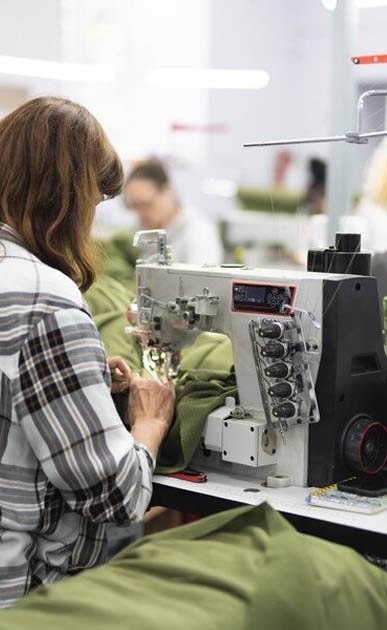
Once your logo is ready, choose a reliable clothing manufacturer to bring your designs to life. A great partner ensures your logo looks sharp on every product, from hoodies to t-shirts and outerwear.
Ludyway, one of China’s top clothing manufacturers, offers one-stop custom apparel solutions for fashion brands worldwide. With flexible low MOQs, global shipping, and professional support, they help you scale your brand efficiently. Learn more about their clothing manufacturer services.
EEAT: Expertise, Experience, Authority & Trust in Logo Creation
Expertise: This guide is based on industry standards and years of experience in fashion branding and design.
Experience: Leading manufacturers like Ludyway have helped hundreds of brands build strong visual identities for the global market.
Authority: Referencing proven processes and successful brands ensures your approach is reliable and effective.
Trust: Transparent advice and actionable steps help you avoid common mistakes and achieve professional results.
Conclusion
Creating a logo for your clothing brand is an investment in your future success. By following this step-by-step guide, you’ll develop a logo that resonates with your audience, strengthens your brand identity, and stands out in the marketplace. Remember to protect your design, maintain consistency across all channels, and partner with a trusted manufacturer like Ludyway for flawless production.
FAQs About Creating a Clothing Brand Logo
How much does it cost to create a professional logo?
Costs vary depending on your approach. DIY options (like Canva) can be free or low-cost, while hiring a freelance designer may range from $100 to $1,000+. Investing in your logo is worthwhile for long-term brand value.
What file formats should I save my logo in?
Save your logo in PNG (transparent background), SVG (scalable vector), and PDF (for high-quality print). These formats ensure versatility and quality across all uses.
Should I trademark my logo?
Yes, trademarking protects your brand and prevents others from using a similar design. Register in every country or region where you plan to sell your products.
How do I choose the right clothing manufacturer for my brand?
Look for a manufacturer with experience, flexible MOQs, and reliable quality control—like Ludyway. Check reviews, request samples, and discuss your needs before finalizing your partner.
Can I change my logo in the future?
Yes, but frequent changes can confuse customers. Update your logo only if your brand evolves significantly, and always communicate changes clearly to your audience.