Understanding the different parts of t-shirt is crucial when working with your t-shirt manufacturer. It ensures that both parties are on the same page, leading to a smoother collaboration and a better end product.
Before diving into the actual manufacturing process, consider the design aspect of your t-shirt. The Part 1 of the t-shirt manufacturing series focuses on guiding you through the design process. Choose colours, graphics, and logo placement carefully to craft a unique design that resonates with your audience.
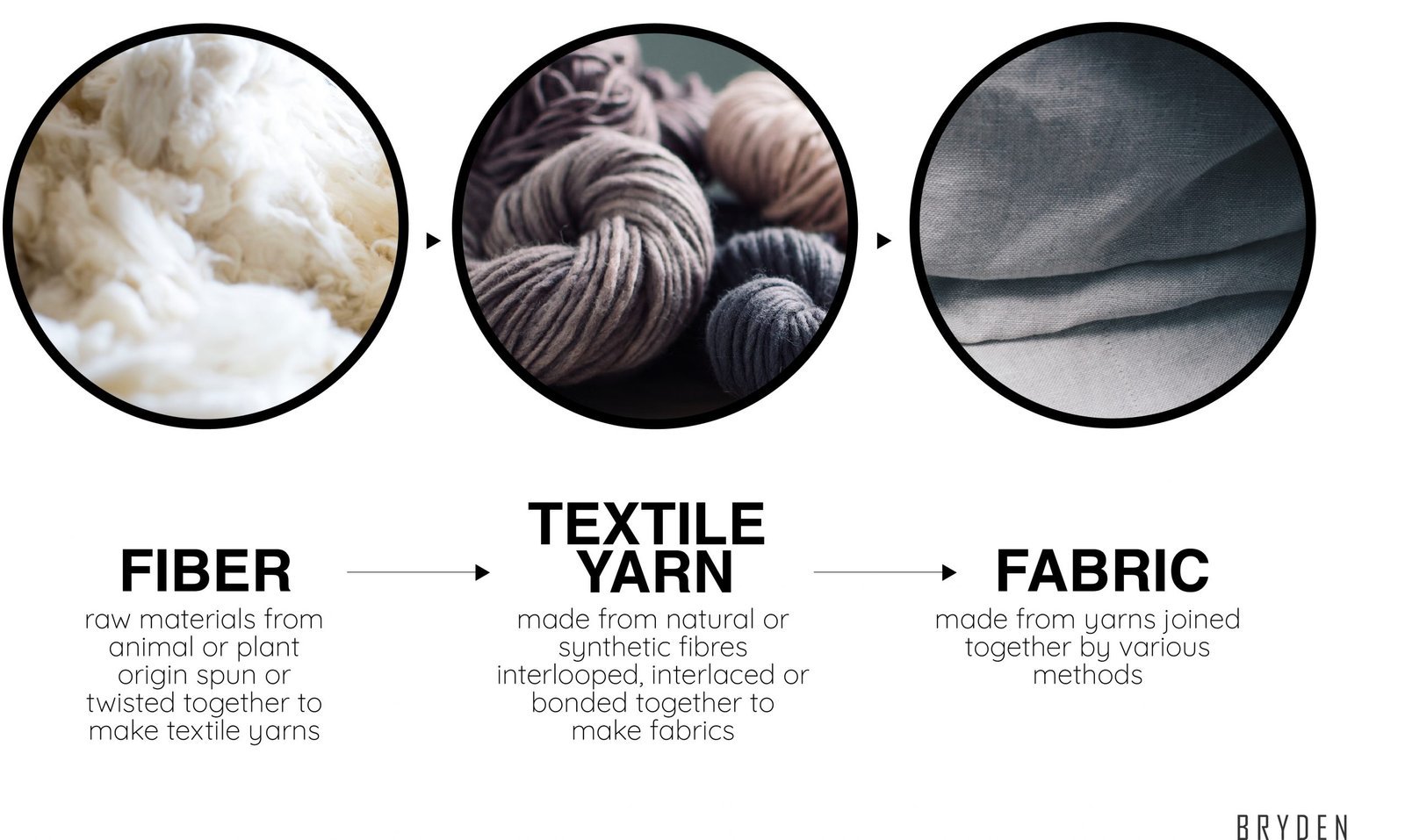
This article will teach you about the different types of fabrics you can use for your t-shirt and the anatomy of clothing.
Parts of T-Shirt
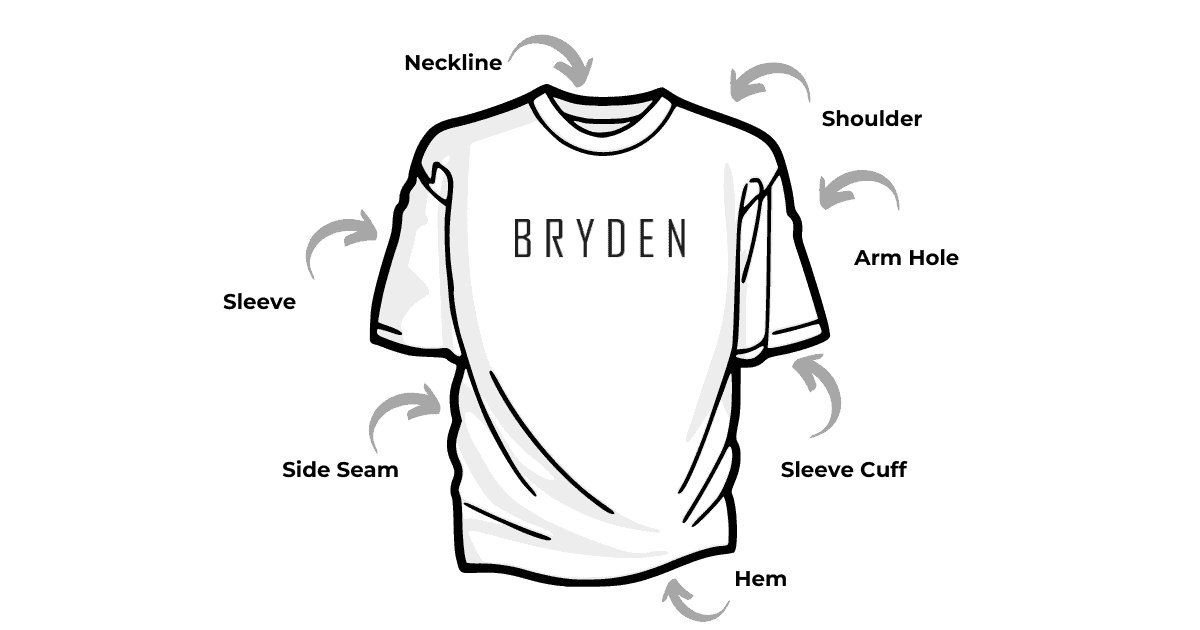
Before diving into t-shirt manufacturing, it’s vital to understand the anatomy of a garment. Every part of the t-shirt creates the t-shirt structure and, when pieced together, the overall design of it.
By understanding the different parts of t-shirt and how it works, you can be aware of how to customise it to create your perfect design.
These are the different parts of this wardrobe staple:
Body
The first important component of a t-shirt is the body. The body of a t-shirt refers to the main part of the garment that covers the upper torso. It is the foundation upon which the rest of the t-shirt is built.
The shirt front makes this garment come together. It serves as a focal point, often featuring buttons or other decorative elements that add charm and character to the overall design.
The shirt back is a panel that completes the rear end of this garment. Most shirt-backs have ‘darts’ at the back. It’s a stitched-up seam made to shape the garment.
Shoulder
The shoulder of a shirt is an important and often overlooked part of its design. The shoulder seam is where the fabric of the shirt is joined together, connecting the front and back sections.
The shoulder seam can be positioned closer to the neck or towards the outer edge, creating different looks and fits.
A shirt with a dropped shoulder, for example, has a seam that falls below the natural shoulder line, creating a relaxed and oversized appearance. The shoulder of a shirt also affects the overall silhouette and structure of the garment.
Neckline
The neckline refers to the shape or design at the top edge of the shirt, where it meets the collar or rests on the shoulders.
Various types of necklines can be found in different shirts, each offering a unique and distinct look.
One of the most commonly seen necklines is the round neck. As the name suggests, this neckline forms a circular shape, framing the collarbone and neck area.
Another popular neckline is the v-neck, which forms a V-shaped cut at the front of the shirt. The v-neck is often associated with a more polished look.
For those seeking a more casual and laid-back vibe, the henley neckline is an excellent option. This neckline features a partially buttoned placket, typically with a few buttons that extend from the collar down the chest area.
The neckline of a shirt is an important design element that significantly influences its overall aesthetic and style.
Neck Binding

Neck binding refers to the fabric used to finish the neckline of a garment. It can be made from the same fabric as the garment itself, creating a seamless and cohesive look.
Alternatively, it can be made from a contrasting colour fabric, adding a pop of colour and creating a visually interesting detail.
Another option is to use twill tape, which is a sturdy and durable material. For those who want to make a bold statement, printed or woven tape can be used as neck binding, showcasing unique patterns and designs.
The wide range of options available to Ludyway customers ensures that everyone can find the perfect neck binding to complement their garment.
Collars
A collar plays a crucial role when it comes to measuring men’s shirts. It serves as a determining factor in achieving the perfect fit and style.
Some designers opt for elaborate collar patterns, such as ruffled or scalloped edges. These intricate designs not only add visual interest but also showcase the designer’s creativity and attention to detail.
Sleeves
Sleeves are pre-cut pieces of fabric to sew on your shirt. A customised order has the exact measurements to satisfy a customer’s needs.
You can have shorter sleeves compared to full-length ones. Or you can also opt for a classic ¾ length.
Arm Holes
The armhole of a t-shirt is located in the shoulder area. The armhole plays a crucial role in allowing freedom of movement and ensuring the overall functionality of the t-shirt.
The shape and size of the armhole can vary depending on the style and purpose of the shirt.
It is crucial for designers and t-shirt manufacturers to pay attention to the armhole of a t-shirt, ensuring that it is well-executed and meets the needs of the wearer.
Side Seams
The side seams of a t-shirt are an essential element in its construction. They play a crucial role in determining the fit, comfort, and overall appearance of the garment.
Side seams are the seams that run vertically along the sides of the t-shirt, connecting the front and back panels.
Hems
The hem on the shirt can tie the look together. The fold at the end gives it the illusion of a clean seam. There are four more types of hems aside from the double fold hem. There are single fold, raw edge, pin hems and faced hems.
Hems can be styled in various ways to add a unique touch to garments.
- They can be straight for a clean and classic look.
- Curved hems offer a feminine and playful appearance.
- Split hems provide a trendy and modern twist.
- High-low hems create an eye-catching silhouette.
- Unfinished hems give a raw and edgy feel, while finished hems provide a polished look.
The width of hems can vary, offering different proportions.
- Wider hems exude volume and drama, while narrower hems offer a sleek appearance.
- Frayed hems give off a vintage-inspired and casual vibe.

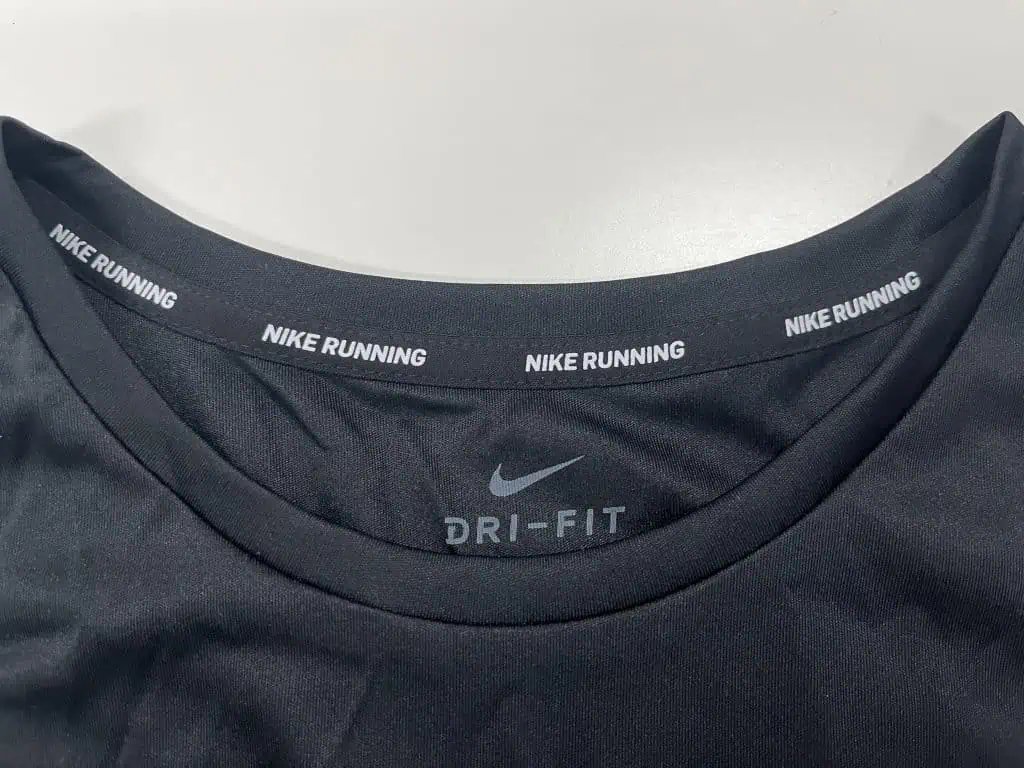
With such a wide range of options, hems can elevate the wardrobe and add individuality to outfits.
Choosing Quality Fabrics
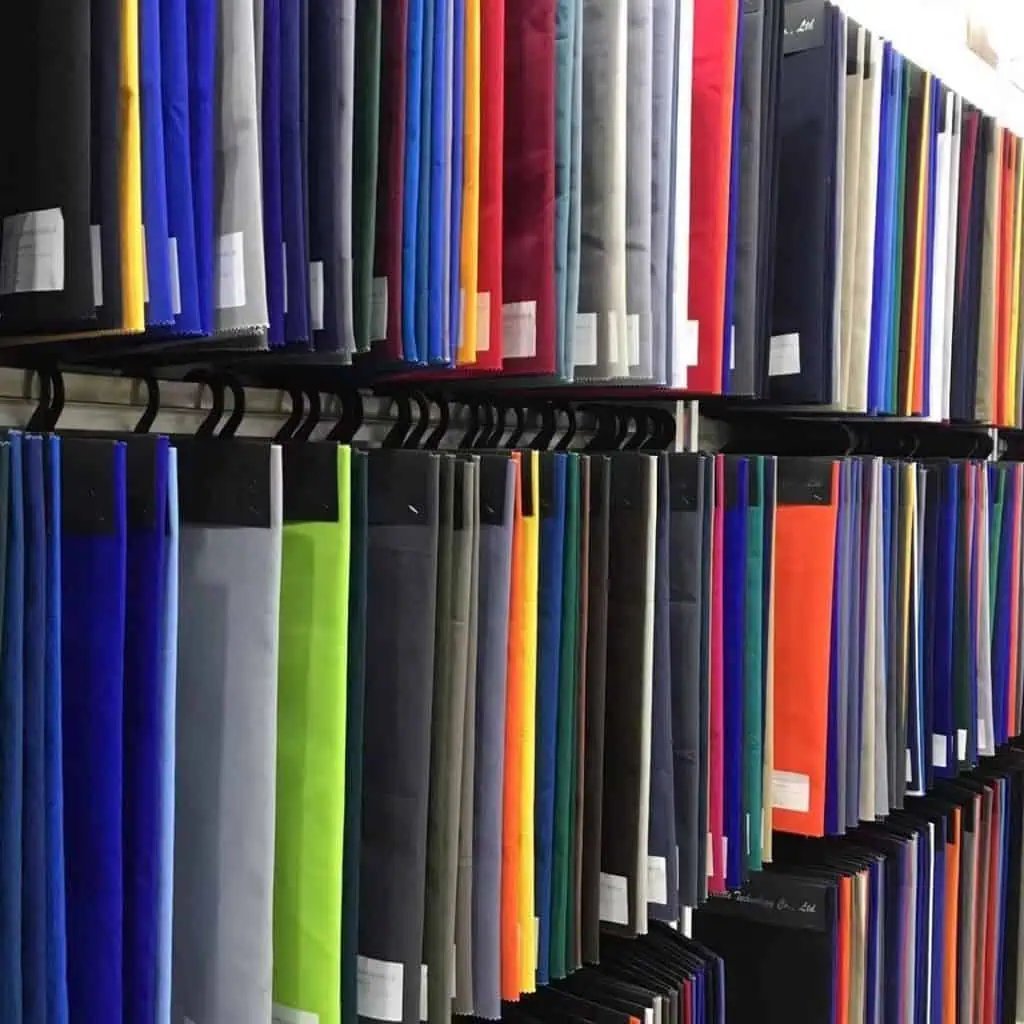
It is critical to choose the best ones for your T-shirts as there are many options available. However, you can always start with the fabrics available to your t-shirt manufacturer.
A reputable t-shirt manufacturer will always maintain a collection of “standard” fabrics. They will always help you when choosing the best fabric for your new design.
T-shirt manufacturing companies usually have the highest quality standards. They will provide you with an array of different fabrics for your designs. If you want to have custom fabrications, dyes, trims, and notions, there are t-shirt manufacturers that offer these options.
When deciding which fabric to use, you have to take note of its weather appropriateness, comfort, durability, and cost. Some fabrics are more expensive than others. So, you have to keep that in mind when choosing the fabric.
For t-shirt manufacturing, here are the ideal fabrics to use for your next t-shirt design:
1. Polyester
Go for polyester if you’re looking for an activewear material that is durable and rigid. These are wrinkle-resistant and have moisture-wicking properties. That is why they are an ideal choice for t-shirt manufacturing.
You must consider the texture when choosing fabrics for t-shirt manufacturing. Some polyester materials may feel coarse and irritate sensitive skin.
2. Cotton
Cotton is in demand in the t-shirt manufacturing business. It feels durable, comfortable, breathable, and absorbent.
The best thing about organic material is that the ink sits well on the fabric. There are five different types of cotton available for you to use:
Ring-Spun Cotton
This cotton feels softer and smoother than regular cotton. It can cost more than other variations, but it is durable and lasts longer than others.
Combed Cotton
Combed cotton is even softer than ring-spun cotton. After smoothing its impurities, it doesn’t unravel and fray as much as regular cotton.
Organic Cotton
It’s time to go green and switch to organic cotton. Shops that sell this cotton ensure that its material is sustainable and doesn’t contain any hazardous chemicals.
Slub Cotton
Slub cotton is soft despite its lumps and loops. It may look rough, but it is smoother than other synthetic fabrics.
Pima Cotton
Pima is the softest cotton in the world. Its price speaks for itself because it is high-quality. It lasts longer than most fabrics and is durable.
Overall, cotton is a versatile and eco-friendly alternative to today’s popular synthetics. The fabric is softer than most textiles. Yet, it wears down faster and is prone to shrinkage.
3. Linen
One of the best fabrics for hotter days is linen. It features a textured weave, so it looks amazing with deep colours. This fabric is a stunner during the summer. So if you want your colours to contrast with your design, linen is the way to go.
This fabric doesn’t need any fabric softener. Linen fabric gets softer every time you wash it. Despite this, linen wrinkles and folds easily. So keep that in mind when choosing fabrics for your t-shirt design.
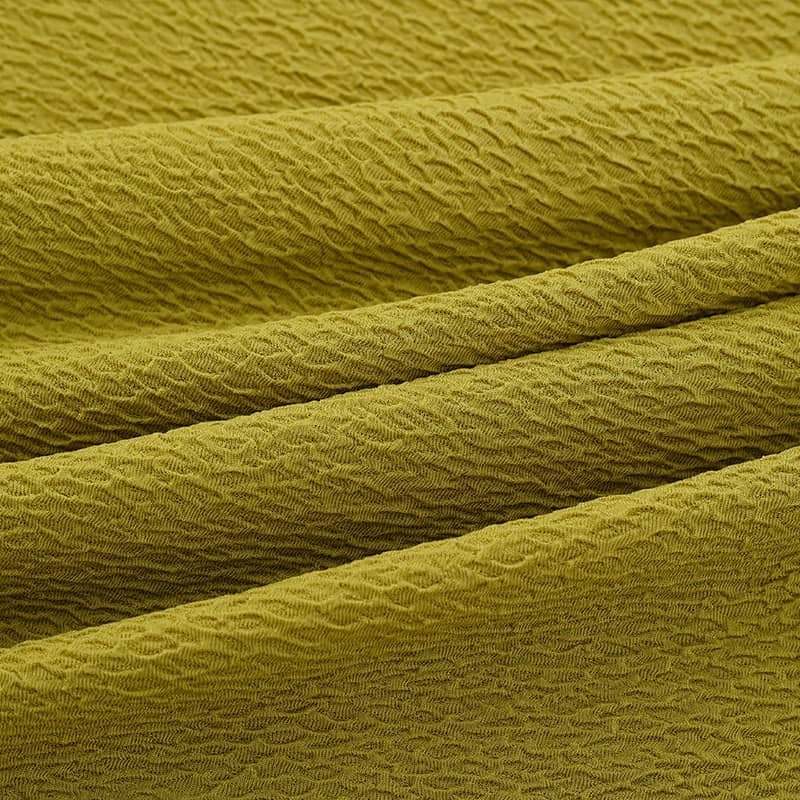
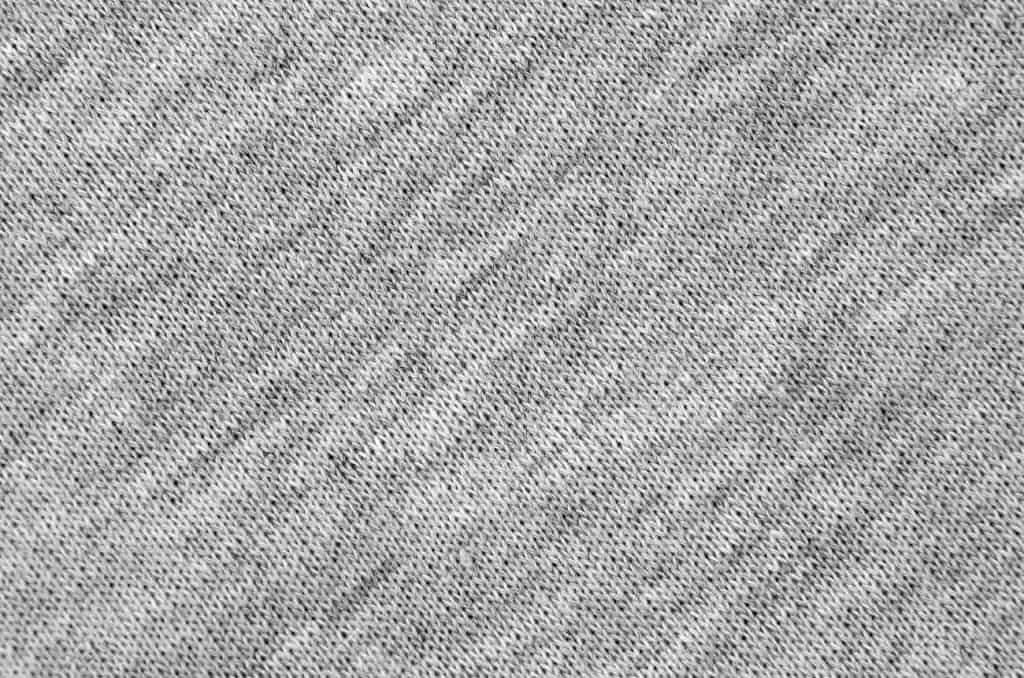 Close-up of jersey fabric textured cloth background
4. Blended Fabrics
You can blend two different fabrics to achieve both the durability and softness you want. Plus, it is also cost-effective since you can control the ratio of fabrics. Some of the most popular blend ratios are:
80/20 Poly-Cotton Blend
Athletic wear can feel restrictive and harsh on the skin. The best poly-blend is an 80-20 ratio because it incorporates stretch and durability with softness.
52/48 Cotton-Polyester Blend
The 52-48 blend ratio feels comfortable and is durable and lightweight. You can see this ratio in casual tees and comfortable shorts.
90/10 Cotton-Polyester Blend
The 90-10 blend ratio is common in t-shirt manufacturing. It feels soft and is breathable. That’s what makes it ideal for daily activities.
There are other blend ratios available, like:
- 80/20 polyester-cotton
- 65/35 cotton-polyester
- 65/35 polyester-cotton
- 95/5 cotton-spandex
- 50/50 cotton-polyester
- 50/50 rayon/cotton
- 48/48/4 rayon-cotton-spandex
You can consider using these blended fabrics for their own unique properties such as hand-feel, drape and breathability.
If you want to opt for a blended fabric, make sure to coordinate with your t-shirt manufacturer so they can advise you better on what blend of fabric is ideal for your t-shirt.
T-Shirt Weight
Fabric weight depends on the GSM, or “gram per square meter.” When it comes to t-shirts, a lower GSM feels smooth, silky, and thin. A higher GSM is dense, thick, and heavy.
Here is a helpful guide to fabric weight and its GSM:
- Extra light: 80-130 GSM
- Light: 130-200 GSM
- Medium: 200-280 GSM
- Medium Heavy: 280-340 GSM
- Heavy: 340-400 GSM
- Extra Heavy: 400-500 GSM
What is yarn count?
Yarn count is the fineness of the thread used in fabrics. A lower yarn count is heavier and thicker. Whereas a higher yarn count feels softer and lighter. That means a 30S fabric is smoother to touch than an 10S shirt.
The Takeaway
Anyone interested in garment construction should have a basic understanding of the anatomy and types of fabrics used on t-shirts.
Understanding the different parts of t-shirt, such as the neckline, sleeves, hem, and stitching, can help you make better clothing choices. You can make sure that the product you receive fits, feels comfortable, and is long-lasting by understanding how these components fit into the overall design and quality of the item.
Read Part 3 of the T-shirt Manufacturing Series. It covers the ‘how to sew’ process and pattern making. It will also give you more information on the different types of prints to use on your t-shirt.
If you’re a brand owner interested in adding custom t-shirts to your collection, please don’t hesitate to get in touch with us. We strive to offer the best customisation t-shirt options available on the market to help your brand make a difference.