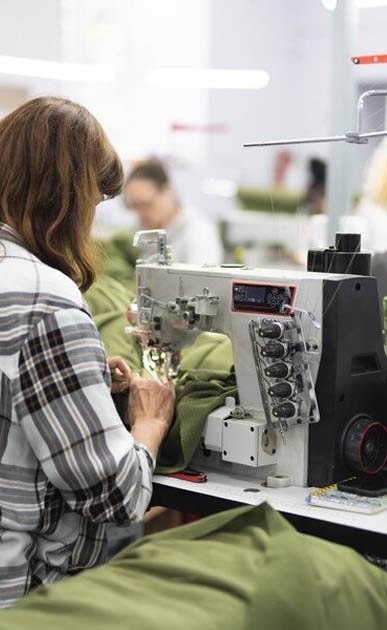
🧵 Who is the Garment Sample Maker?
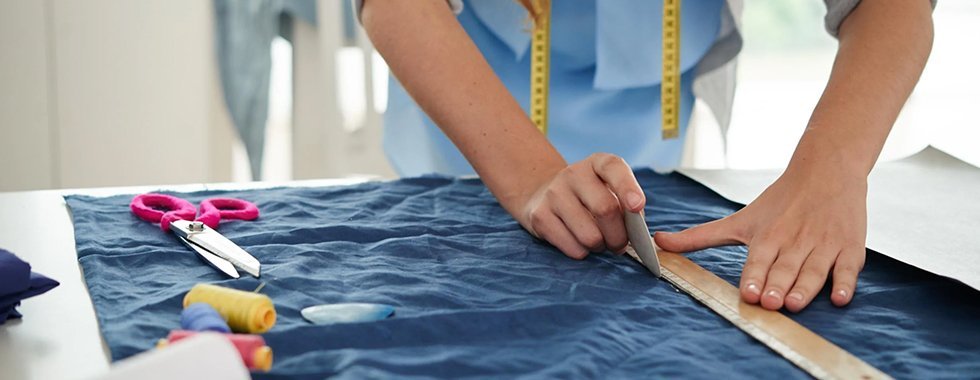
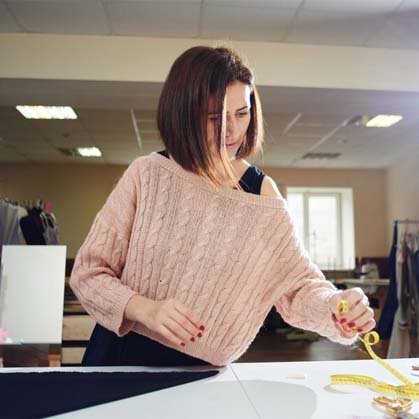
A sample maker is a specialist responsible for creating a physical prototype of your clothing design idea. This sample serves as the crucial reference and quality benchmark for subsequent bulk production. Importantly, professional sample makers often operate independently or within a dedicated sample room, separate from the mass production lines.
Their core function is to meticulously gather the specific requirements, including materials, components, and design details, and then sew a precise sampling garment based on the client’s vision. They are essentially the first step in transforming a concept into a tangible, wearable product.
🎯 What is the Objective of a Garment Sample Maker?
The Primary Goal: Turning Concept into Blueprint
The main objective involves collecting detailed requirements from the brand or client regarding the desired sample. They then procure all necessary components and source the fabric to construct the prototype.
Many skilled sample makers also excel in cut and sew manufacturing. By cutting and sewing different parts of a shirt or garment together, they create the foundational pattern for the product. For this reason, they are often referred to as Pattern Makers. When these experts are associated with a factory, they provide a seamless transition from the initial sample creation to bulk manufacturing upon approval.
🏭 Understanding the Sample Room in Manufacturing
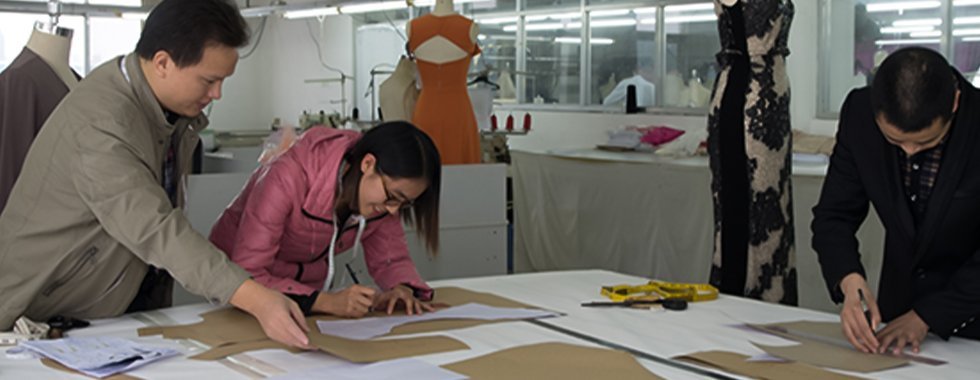
The Sample Room is a critical, dedicated space within a factory specifically designated for the creation, refinement, and storage of prototypes. Before a design enters mass production, a copy of the finalized sample is sent to the customer for review, while another copy (the “approved sample”) is held in the sample room.
Once the product design receives final approval, the garment moves from the controlled environment of the sample room to the larger garment manufacturing process unit. This bulk development follows several rigorous stages to ensure quality and consistency:
- Fit Sample: Verification of garment shape and wearability.
- Component Testing: Checking durability and quality of materials (e.g., zippers, buttons, trims).
- Color & Print Approvals: Final sign-off on shades and decoration techniques.
- Salesman Sampling: Creating samples for pre-sales marketing efforts.
- Size Set Sampling: Confirming fit across all required sizes.
- Garment Performance Testing: Testing fabric behavior (e.g., shrinkage, washfastness).
🚀 Streamlining Manufacturing with Integrated Sample Makers

For clothing brands, partnering with a sample maker who is directly associated with a production facility is the most efficient way to save money and time when launching a new line. This integration ensures a smooth flow through the necessary development stages—from initial sampling right through to the final product manufacturing.
The Three Key Stages of Sample Making to Production:
- Stage 1: Working with the sample maker to produce the initial prototype/sample.
- Stage 2: Utilizing the sample room to produce and store counter samples for review and approval.
- Stage 3: After sample approval, commencing bulk production with the dedicated clothing manufacturer.
Critical Note: Deviating from this structured path can lead to significant compromises in product quality, production timeline, and overall cost efficiency.
🔍 Stage 1: Detailed Clothes Prototyping
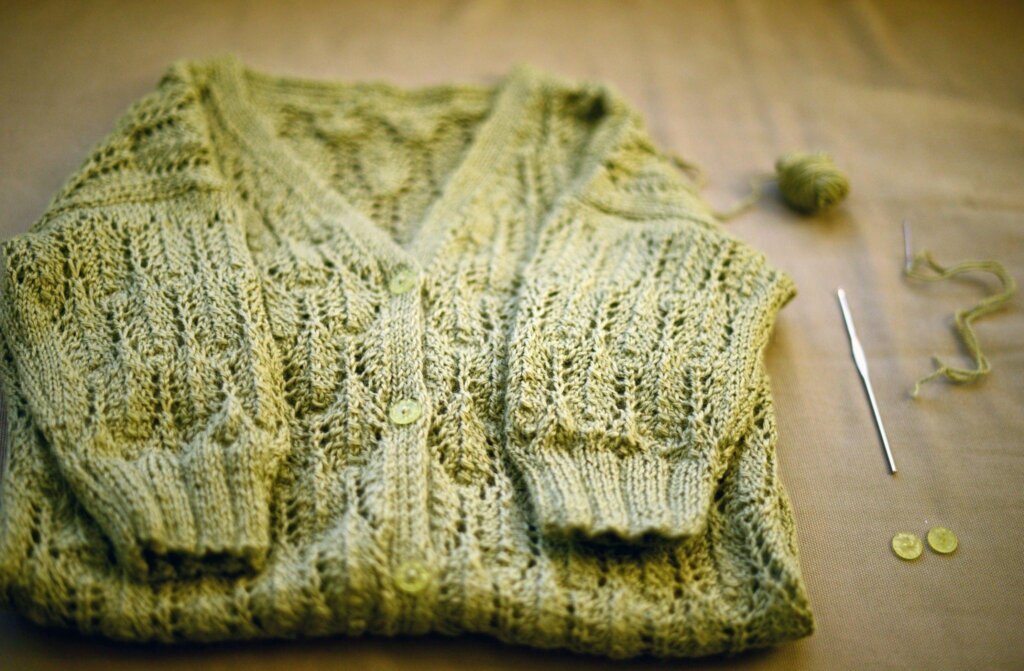
The initial sample is often referred to as the prototype. For this stage, you must hire a clothing sample maker, ideally one linked to a production unit, as this benefits your brand’s long-term workflow. The sample maker provides essential services like pattern-making and cutting, which are fundamental steps in prototype development.
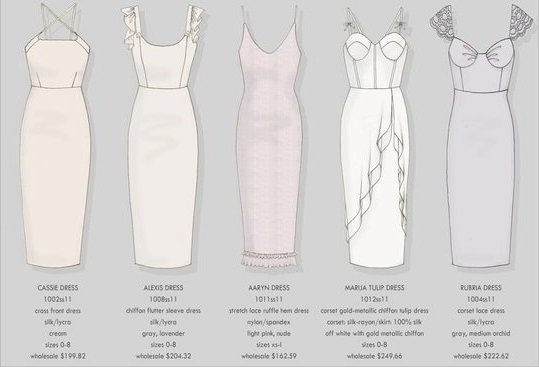
It is the client’s responsibility to provide the sample maker with all necessary physical and informational details, including every component and precise requirement for the garment. To prevent costly end-stage changes, manufacturers often provide a “tech-pack file” before sample creation. This document offers a visual and technical blueprint, detailing measurements, sizing, colors, fabrics, functionalities, and other critical specifications.
📈 Benefits of Working with a Professional Clothing Sample Maker

- Simplified Communication:
Working with a local or specialized sample maker who understands your language and technical fashion terms makes communication significantly easier. The fashion industry uses technical terminology that can be easily misunderstood; thus, working with an expert ensures your complex product idea is quickly and precisely executed. - Tech Packs and Spec Sheets Guarantee:
An expert manufacturer provides a detailed tech pack and specification sheets. These documents contain vital information, including measurements, color grading, cutting details, trim/button/zipper specifications, and usage manuals. Even a slight mismeasurement can compromise the final product, making these documents essential for accurate and error-free sample development. - Micro-Production & Low MOQ Solutions:
Most large manufacturers demand high bulk quantities (e.g., 100+ pieces per design). If you are a startup needing a small batch, a dedicated clothing sample maker can often facilitate low-quantity manufacturing. Many contemporary clothing manufacturers now specialize in Low Minimum Order Quantities (MOQ). For example, Ludyway Apparel offers manufacturing as low as 50 pieces per design, allowing brands to test diverse designs without overfilling inventory.
We also cater to private label clothing businesses globally. If you have unique concepts ready for private label shirts, sweatshirts, or hoodies, we can help turn your vision into reality. Our primary aim is to assist established brands and startups in entering the fashion industry with unique and high-quality products. As a professional sample maker and bulk clothes manufacturer, we possess the expertise, including a professional fashion and graphic designer team, to create your tech pack and ensure your idea is transformed into the perfect clothing your customers will love.
❓ Frequently Asked Questions (FAQ) About Garment Sampling
Q1: What is the difference between a prototype and a final production sample?
A: The prototype is the initial physical representation of the design, used for fit and pattern development. The final production sample (or counter sample) is the version approved by the client and stored in the sample room; it must be an exact, flawless match to the garment that will be produced in bulk.
Q2: Why is a Tech Pack so important during the sampling stage?
A: The Tech Pack is the detailed blueprint that minimizes errors, clarifies complex design requirements, and ensures the sample maker and the production team are aligned on exact specifications (measurements, trims, fabrics). It is essential for avoiding costly revisions.
Q3: Can I use the initial prototype for my marketing and sales?
A: It is better to use Salesman Samples for marketing. Prototypes are often rough drafts used for correcting fit and may not reflect the final quality. Salesman Samples are produced later in the process and represent the approved, final quality product.