How to Choose a Sportswear Fabric
Around that time, we saw a significant increase in the USA target market for customized activewear fabric. However, it is essential to notice that different types of consumers demand other materials and customization options on their clothing lines.
We live in the modern era of clothing, which makes the sportswear market fully diverse with a vast range of clothing items based on different sports activities and environments. There is a specific type of clothing defined for every other sport. For example, you might wear various kinds of clothes for exercising and different ones for jogging and running, diversifying the clothing industry into other clothing lines.
Given these diversifications, it may be confusing and challenging to select one fabric for your starting a fitness clothing line or if you are just getting started in this industry and opening a fitness clothing line. So to help simplify things for you and determine which can be the ideal fabric choice, we are creating this ultimate guide on activewear material guides.
So let’s learn the basics when choosing a sportswear fabric for your clothing line.
When choosing the sportswear fabric, you should keep a couple of things in mind, like what should be the clothing fabric of the clothing line you will sell in the consumer market. As well as this, what should the look, feel, and customization options of that fabric be? You must take these considerations in mind.
Design
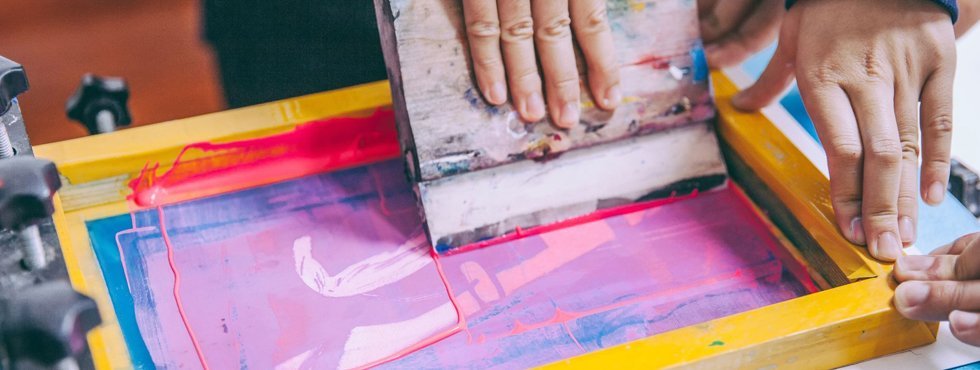
Design plays a vital role in making your sports or active clothing line. First, you should check whether the fabric used in the manufacturing of your clothing line can get the embroidery structure, stitching, or any screen printing design over it or not. Lately, designs over activewear fabric have become an essential detail for customers.
Since brands strive to craft designs tailored to customer preferences, it is essential that when choosing material for clothing lines, you keep an aesthetic vision and your desired aesthetic goals in mind when making selections.
Durability
Durability should always be kept in mind because consumers demand products that perform under extreme physical and sports-related environments. The material used in the manufacturing of your clothing line should be comfortable. Still, it should also be potential enough to support your body types, daily exercises, and extreme workouts.
Weight
The weight of the fabric also plays an important role, and if you are wearing a heavy fabric, you might get tired quickly as you will be moving with extra weight. The weight also resists your motion while you move, exercise, run, etc.
It can, although, worsen your energy and performance in practice.
Comfort factor
A wrong fabric or clothing material will make it difficult for you for even 15-mins, especially when it comes to activewear as they are fitted clothes. And believe us wearing uncomfortable clothes is never something you want. With uncomfortable, you get easily distracted, troubled, and waspish.
For activewear, you need stretchable wear in nature to provide you with the flexibility you need while exercising.
Resistant factor
Nowadays, a consumer is looking for feature-based clothing. By this, we mean water-resistant and dust-resistant features. If, on one side, the material used in the manufacturing is waterproof or water-resistant, shopping for activewear with these features is becoming a primary concern for customers.
So you should also keep in mind that if you are targeting a consumer market in some such climates where there might be a need for waterproof activewear or dust-resistant activewear, then you must choose the fabric carefully.
Moist absorption
Moist absorption is also an essential feature that consumer demands. Nobody likes to wear sweaty clothes. So the fabric or clothing material that you choose should be breathable enough to support the air ventilation and must be able to transform the body’s sweat to the outer side of the outfit to vaporize quickly.
This is an important feature. Without moist absorption quality in the clothing line, the wearer would quickly catch high hot or cold temperatures, which might result in causing injury, muscle pain, heat stroke, or cramps.
Pricing- last but not the least
So pricing is the biggest factor that turns the table. Although you buy a high-quality fabric for the activewear clothing line, it might be costly. But before investing in such an expensive product, make sure it looks inviting and appealing enough for customers to purchase.
Make your clothing line stand out by creating distinctive patterns, designs, and customizations to set it apart. But keep in mind that in an age where options and customizations are tailored toward consumers, they read their minds, desires, and preferences to provide them with what they require. This can result in your activewear clothing business making straight profits.
Pricing- last but not the least
Pricing- last but not the least
The Best Active Wear Fabrics
Spandex
Spandex material is one of the most common fabrics that come into mind when discussing Sportswear, gym wear, or active wear clothing. This is because the spandex material comes with stretchable flexibility, which helps in comfortable clothing and makes movement easier.
The spandex material is well known for its features to be 100x more flexible than its original size, and it can easily support the human flexibility that occurs while doing exercises, running, or playing extreme sports. This makes spandex one of the favorite materials for its prominent features.

Regarding absorption, the spandex fabric is pretty good at handling sweating or quickly drying the moist. Overall, the spandex material is full of features, cheap in terms of pricing, and flexible material for comfortable clothing.
Cotton
Cotton has long been considered an indispensable material in active or sports clothing; however, there’s been a persistent belief that it doesn’t meet this need. That isn’t true! Cotton provides great wicking properties, making it suitable for active wear – this myth must be disproved. Cotton material is a pretty good player in all types of clothing. For ages, cotton has become a good partner for apparel regarding odor, flexibility, and breathability factors.

Cotton is pretty good at handling rapid absorption, sweat handling, and more. However, compared to other ones, the cotton material still lags a bit against the advances and technological factors.
Polyester
You might know its features if you have heard about plastic fiber usage in the clothing market. Polyester is a significant player in the market, primarily used in activewear, sportswear clothing, and more. The features set includes they are lightweight, long-lasting, flexible, offer excellent breathability, and the best part is that it is wrinkle-free.
One con about polyester fabric is that this fabric is absorbent, which means that this polyester won’t observe the sweat coming out of your body. Still, polyester can transform the inner sweat to the outer side of the cloth and left to dry out.

With just one con involved, the polyester fabric offers a whole array of features, like high strength, flexibility, and durability, to support activewear clothing or to play extreme sports. Moreover, this polyester fabric also provides a high-strength polyester offering a robust and flexible movement making the games easier for the athletes.
Calico
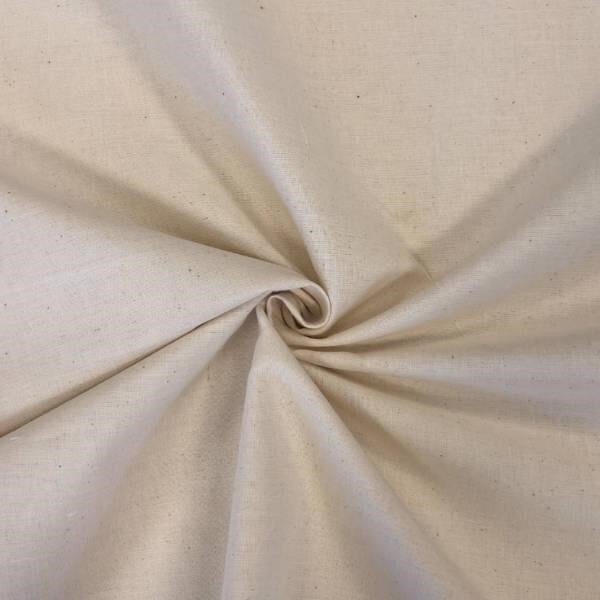
You might be hearing about the calico material or its name for the first time, but it’s the material created from cotton. The calico is unusual or untouched cotton to be more transparent and precise. The production of calico is just left in the middle of the process to make cotton.
This calico product is a good option for manufacturing activewear clothing. And by using the Calico material for the production of your clothing line, you get a USP of promoting green for the betterment of the environment.

As it’s an un-processed form of cotton and remains raw and undyed, the calico product is a cheaper option for manufacturing your activewear clothing line.
Microfiber fabric
Microfiber fabric is a soft, flexible fibre with microscopic threads woven throughout it for an even density across its fabric surface. Although microfiber combines different artificial materials, the microfiber threads’ quality is so fine that they are 100 times finer than a human hair.

It is processed with polyester polyamide and other expensive materials when manufactured on a large scale. Microfiber fabrics tend to be more costly than their counterparts. They are frequently utilized in manufacturing bathroom towels, gym towels, gym wear, and tracksuits because they are highly absorbent and versatile. They have found widespread application throughout many fields due to this.
Synthetic material
The synthetic fabric is an extremely comfortable and flexible fiber made up of thousands of tiny threads woven together in an even density that creates an equal covering over its entirety. Although microfiber combines different artificial materials, the microfiber threads’ quality is so fine that they are 100 times finer than a human hair.

Synthetic material is a pretty good material introduced in the market to replace plastic and rubber because clothing made up of plastic and rubber catches heat quickly. So to cater to this, synthetic material was introduced.
Synthetic material is made up using chemical synthesis, as these byproducts are renewable but not good for the environment.
Nylon
Nylon was first created using synthetic material to produce women’s stockings. Still, today its superior features make it popularly used to manufacture sportswear clothing lines like gym wear, jackets, tracksuits, and wind runners.

The Nylon material is full of features, making it one of the best options for manufacturing the sportswear clothing line. It offers quick drying, is stretchy, and is water resistant. In addition, the fabric is pretty comfortable in terms of wear, which allows the air to reach into deep layers enabling your body to stay calm.
The bamboo fiber
The bamboo fiber is comfortable, soft, moisture-wicking, and flexible clothes in terms of wearing. The bamboo material is made up of natural fabric. The nature of bamboo fabric is pretty flexible because of its moisturizing capability and stretchy and odourless features.

Bamboo manufacturing provides excellent protection from ultraviolet rays, so you can quickly wear it under the sun. As a fitness clothing manufacturer, we prefer it more to use bamboo fibre over cotton material as it provides you with more benefits the in the production and manufacturing procedure.
In short, bamboo fibre is one of the best options for manufacturing activewear clothing lines. The bamboo fabric is breathable, flexible, stretchy, and moist–wicking in nature. So it’s pretty easy to make custom clothing sportswear with bamboo fiber.
Gore-Tex
Whether your sports activities include running, extreme sports, biking, hiking, jogging, or trekking, protection is a major element in your clothes. In woods, fields, or lost roads, thousands of the worst dangerous elements harm you.
In this scenario, Gore-Tex is the best fabric material you need for traveling and daily life. The fabrics come in synthetic membrane fabrics and a layer of regular fabrics, making them windproof, waterproof, and strong enough to be protective against all the rough and tough elements.
Gore-Tex is one of the popular fabric types widely used to make a sportswear clothing line. This clothing line includes many products, including jackets, bags, gloves, cagools, and more.
All of these quantities prove that these Gore-Tex garments are durable, resistant, and strong under harsh conditions. Moreover, along with these qualities, the fabric is breathable and offers good comfortable wear to all skin types.
Wrapping up
Seeing a lot of options about the fabric makes it whole pretty much confusing to choose one fabric, doesn’t it? All of these fabrics have something unique to offer and better qualities than one another. To make the process of choosing the right fabric easy and simple, you must analyze your brand and clothing line requirements and then compare your fabric options to find the best fit for your clothing needs.
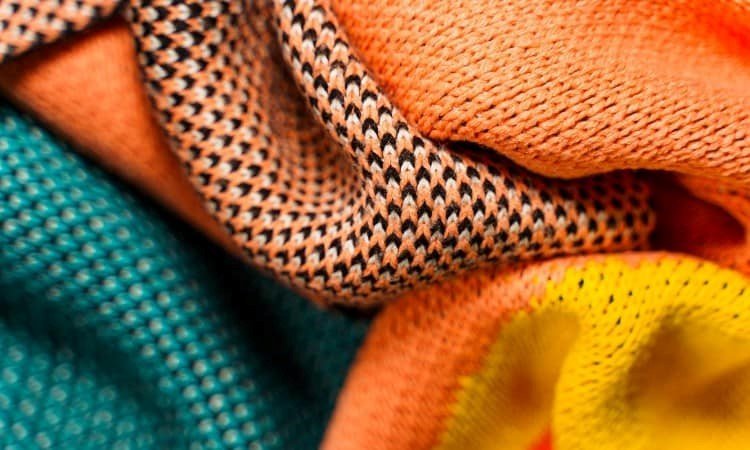
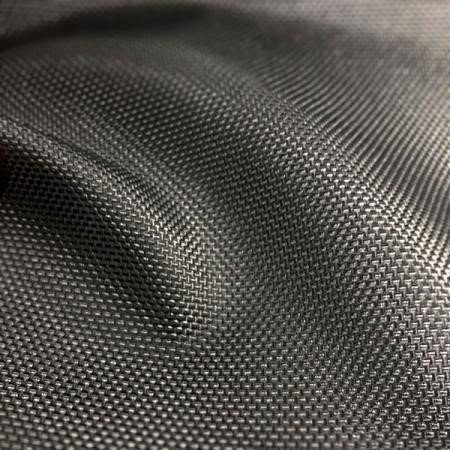
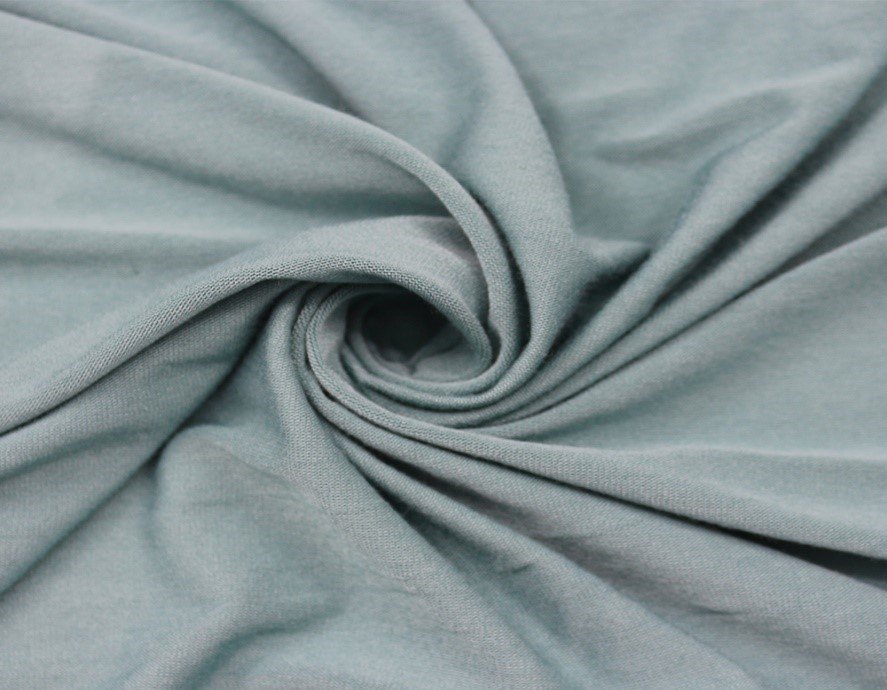
In addition, clothing fabric has other structures like linear, knitted, woven, and more. With these broad ranges of light and heavy materials options, you can pick any fabric that meets your clothing designs and product vision.