Clothing Brand Startup Costs: How Much Does It Cost to Start a Clothing Line?
Launching your own clothing brand is an exciting and creative journey, but understanding how much it costs to start a clothing line is crucial. From designing your first collection to getting your garments into customers’ hands, each stage comes with its own set of expenses. In this comprehensive guide, we’ll break down all the essential startup costs, share industry insights, and highlight ways to save money while building a brand that stands out.
Key Cost Factors for Starting a Clothing Brand
The total investment for a clothing line varies widely depending on your business model, target market, and production choices. Here are the primary cost categories to consider:
- Product Design and Development
- Sampling and Prototyping
- Manufacturing (including MOQ)
- Branding, Packaging & Marketing
- E-commerce Website and Technology
- Business Registration & Legal Fees
- Logistics, Shipping & Inventory
Tip: Choosing a clothing manufacturer that offers flexible MOQs and one-stop solutions can significantly reduce initial investment and risk.
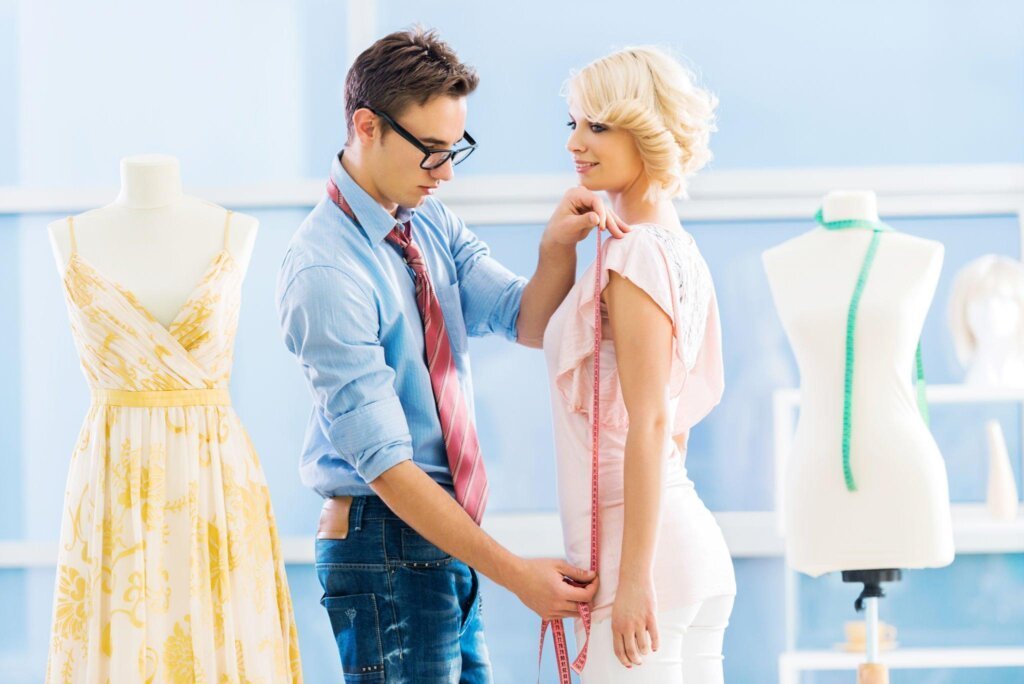
1. Product Design and Development Costs
Your design process sets the foundation for your brand. Costs here may include:
- Designer fees or software subscriptions
- Tech Pack creation (detailed design specifications for manufacturers)
- Pattern making and grading for different sizes
Budget: $300 – $2,000+ depending on collection size and complexity.
Working with an experienced clothing manufacturer like Ludyway can simplify this stage, as they often provide expert support from tech pack creation to sample development.
2. Sampling and Prototyping
Before full production, it’s essential to create samples and prototypes to test fit, fabric, and design. Key expenses include:
- Sample making charges (typically $50 – $200 per style)
- Material and shipping costs for samples
Budget: $300 – $2,000 for an initial capsule collection.
Many manufacturers, including Ludyway, offer free sample testing before bulk production, helping new brands minimize risk and ensure quality.
3. Manufacturing & Minimum Order Quantity (MOQ)
Production is usually the most significant cost. Your choice of clothing manufacturer, order quantity, and garment complexity will determine the final expense.
- MOQ can range from 50 to 500+ pieces per style
- Unit cost varies by material, trims, and order size ($8 – $30+ per item)
Budget: $1,000 – $10,000+ for your first run (varies by collection size and complexity)
Ludyway supports low MOQs starting from just 50 pieces, making it easier for startups to test markets without overcommitting inventory.
4. Branding, Packaging, and Marketing
Building a recognizable brand involves both visual identity and customer experience. Costs include:
- Logo and brand identity design
- Custom labels and tags
- Packaging (bags, boxes, tissue, etc.)
- Photoshoots and social media marketing
Budget: $500 – $3,000+
Many clothing manufacturers provide flexible packaging and branding options, streamlining your startup process.
5. E-commerce Website and Technology
Selling direct-to-consumer requires a professional website and reliable tech infrastructure:
- Website development (Shopify, WooCommerce, Wix, etc.)
- Domain and hosting fees
- Payment gateways and security
Budget: $500 – $2,500 for initial setup.
Invest in a mobile-friendly site and optimize for search engines to attract more customers and improve your brand’s online presence.
6. Business Registration, Legal Fees, and Insurance
Protecting your business and brand is essential. Key expenses include:
- Business registration (LLC, partnership, etc.)
- Trademark registration for your brand name and logo
- Basic liability insurance
Budget: $300 – $1,500 depending on your location.
These costs protect your intellectual property and ensure compliance as you grow.
7. Logistics, Shipping & Inventory Management
Moving your finished garments from the factory to your customers involves:
- Shipping (air, sea, courier)
- Customs and import duties
- Inventory storage and management
Budget: $500 – $3,500+ for initial inventory and fulfillment.
Ludyway offers integrated logistics and global shipping to help streamline this process and keep costs transparent.
How to Reduce Startup Costs and Launch Efficiently
Start small and scale: Begin with a capsule collection and gradually expand as you learn what sells.
Choose flexible partners: Collaborate with a clothing manufacturer like Ludyway that supports low MOQs, free sampling, and one-stop services.
Focus on ROI: Invest in quality, not just quantity, and use social media to build brand awareness cost-effectively.
Automate and outsource: Use e-commerce tools and fulfillment partners to keep operational costs low.
Estimated Total Startup Budget
For most new clothing brands, the average startup cost ranges from $5,000 to $20,000 for a small collection and basic branding, website, and legal setup.
Brands looking to launch at scale or with premium quality may need $25,000+ in initial funding.
Careful planning, strong partnerships, and choosing the right production model are critical to maximize your investment and minimize risk.
Why Choose Ludyway as Your Clothing Manufacturer Partner?
- Low Minimum Order Quantity (MOQ): Start with just 50 pieces per style, ideal for new brands.
- One-stop service: From design to delivery, streamline your entire process.
- Transparent pricing: No hidden fees, detailed quotations, and clear cost control.
- Global delivery: Fast, reliable shipping to the US, Canada, UK, Australia, and more.
- Strict quality control: Each product meets international standards for quality and safety.
Ludyway’s expertise and scale help hundreds of fashion entrepreneurs turn ideas into finished products with confidence and ease.
FAQs About Clothing Brand Startup Costs
Most startups can launch with $5,000–$10,000 for a small collection, brand development, sampling, and a basic website. Starting lean and scaling with sales is recommended.
Choose a manufacturer like Ludyway that offers low MOQs, free samples, and flexible production options. Start with fewer styles and smaller runs to reduce upfront costs.
The main hidden costs are often in logistics, import duties, and unforeseen sampling revisions. Work with transparent partners and plan for a contingency fund.
Branding is essential for standing out and building customer trust. Allocate enough budget for logo, packaging, and a professional website.
Our Services
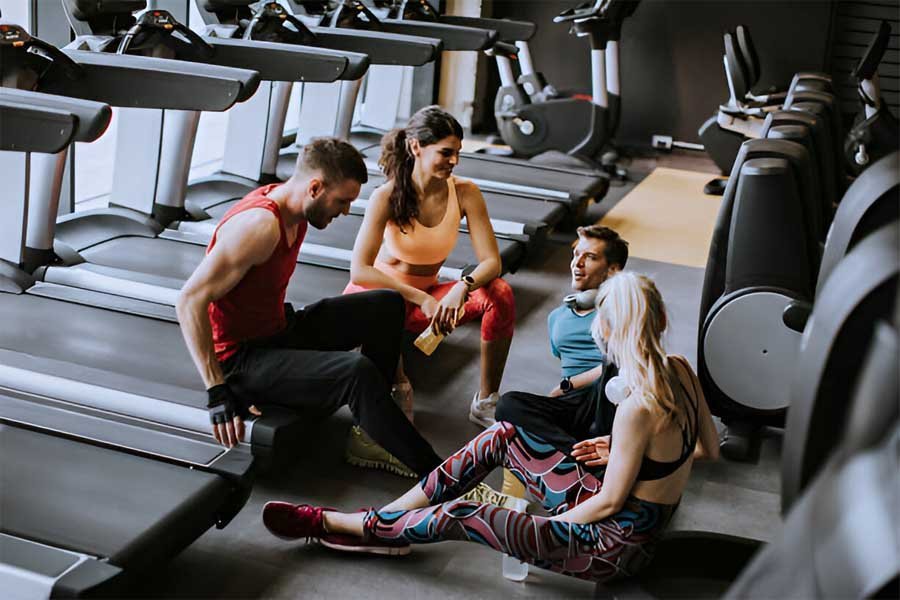
Custom Sports Clothing Manufacturer
Sports Clothing Manufacturer Your Trusted Sportswear Manufacturer and Wholesale Factory Ludyway is your reliable global sports clothing manufacturer based in Shenzhen, China—specializing in high-performance apparel,
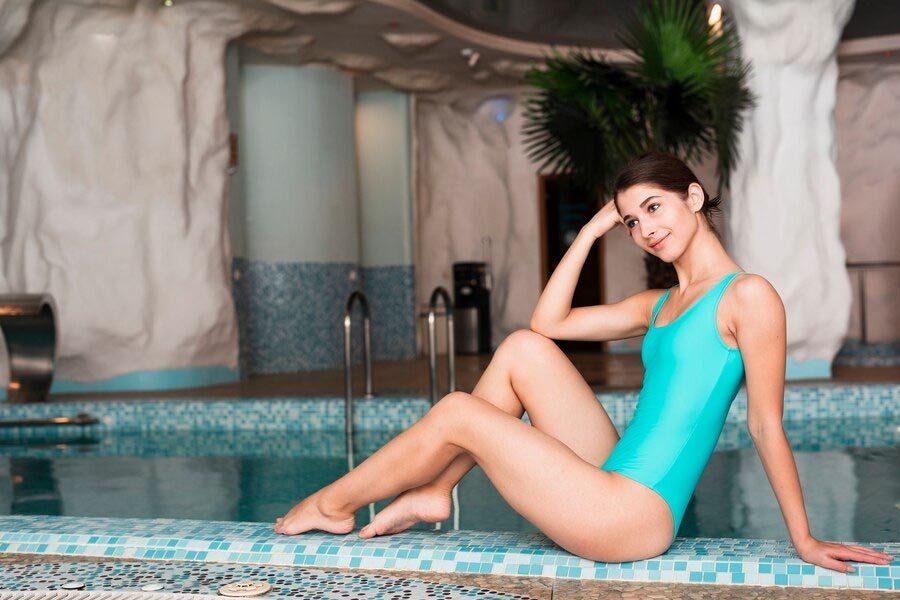
Custom Swimwear Manufacturer
Swimwear Manufacturer Your Trusted Swimwear Manufacturer and Wholesale Factory Ludyway is your reliable global swimwear manufacturer based in Shenzhen, China—offering top-tier craftsmanship, custom design options,
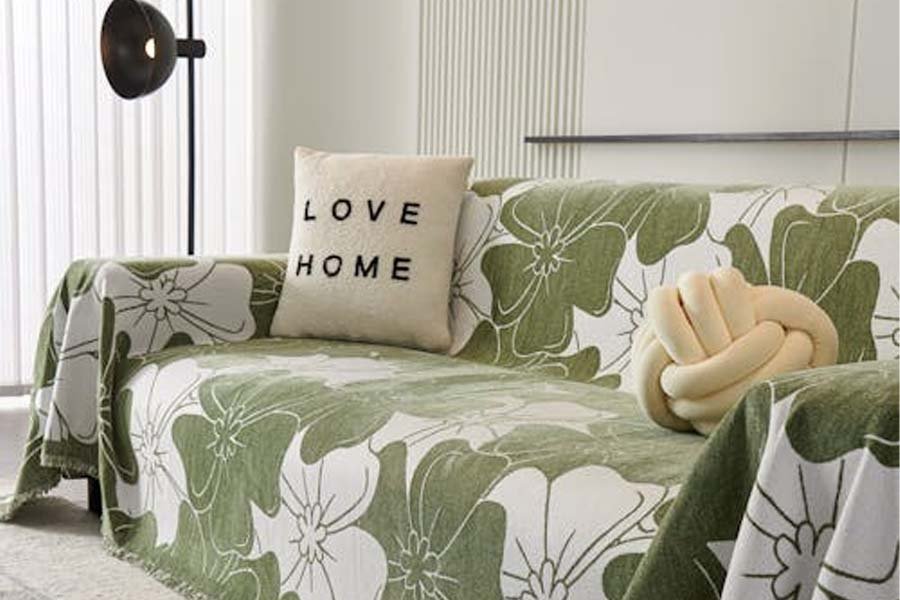
Custom Cushion Cover Manufacturer
Cushion Cover Manufacturer Your Trusted Cushion Cover Manufacturer and Wholesale Factory Ludyway is your reliable global cushion cover manufacturer based in Shenzhen, China—offering premium craftsmanship,

Custom Socks Manufacturer
Sock Manufacturer Your Trusted Sock Manufacturer and Wholesale Factory Ludyway is your reliable global sock manufacturer based in Shenzhen, China—offering exceptional craftsmanship, full customization options,
Custom Jeans Manufacturer
Jeans Manufacturer Your Trusted Jeans Manufacturer and Wholesale Factory Ludyway is your dependable global jeans manufacturer based in Shenzhen, China—delivering premium craftsmanship, tailored design options,
Custom Bra Manufacturer
Bra Manufacturer Your Trusted Bra Manufacturer and Wholesale Factory Ludyway is your dependable global bra manufacturer based in Shenzhen, China—offering exceptional craftsmanship, tailored design solutions,