How Much Does It Cost to Start a Clothing Brand?
The dream of launching your own clothing brand is more attainable than ever, but understanding the true costs involved is essential for success. Whether you want to launch a streetwear line, sustainable basics, or luxury apparel, knowing where your money will go—and how to spend it wisely—will give you a competitive edge.
In this guide, we’ll break down each cost category you’ll encounter, from product development, manufacturing, and marketing, to logistics and hidden expenses. Let’s explore what it really takes to make your vision a reality.
1. Product Development Costs
📌
Before you make your first sale, you’ll need to invest in design and development. This includes:
- Design & Tech Packs: Whether you hire a freelance designer (typically $150–$500 per style) or create designs yourself, clear tech packs are vital for communicating your ideas to the manufacturer.
- Prototyping & Sampling: Expect to pay $50–$250 per sample, depending on complexity and material. Most brands create 2–3 samples per style before finalizing production.
- Fabric Sourcing: Costs vary widely, from $4–$25 per yard depending on quality and sustainability.
For startups, budgeting $800–$3,000 for initial product development is realistic for a small capsule collection.
2. Manufacturing Expenses
👑
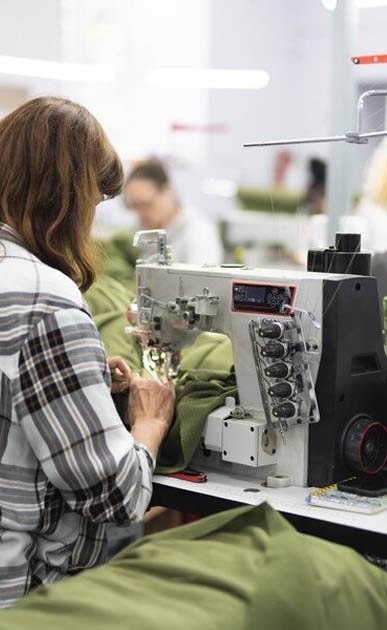
The largest portion of your budget will likely go to manufacturing. Your costs depend on:
- Minimum Order Quantity (MOQ): Many manufacturers require you to order at least 50–300 pieces per style. Ludyway supports low MOQs, ideal for startups.
- Unit Cost: Basic tees might cost $5–$12 each to make, while hoodies or jackets can range from $15–$35, depending on materials and complexity.
- Bulk Discounts: The more you produce, the lower your per-unit cost. However, over-ordering can tie up cash flow and storage space.
For a small run (e.g., 100 units per style, 3 styles), expect to invest $2,500–$8,000 in manufacturing.
Tip: Partner with a clothing manufacturer that offers both low MOQs and quality assurance, like Ludyway, to reduce risk and maintain quality.
3. Branding, Packaging & Labeling
🎨
First impressions matter. Investing in professional branding and packaging helps your brand stand out.
- Logo & Visual Identity: Freelancers charge $200–$1,000 for a complete branding package.
- Custom Labels & Tags: Plan $0.30–$1.00 per unit for woven labels, swing tags, and care labels.
- Packaging: Eco-friendly poly mailers, boxes, or tissue paper typically cost $0.40–$2.00 per order, depending on customization.
Budget $600–$2,000 for branding and packaging your first collection.
4. Website, E-Commerce, and Marketing
💻
Your online presence is crucial to attracting and converting customers. Key investments include:
- Website Platform: Shopify, WooCommerce, or BigCommerce plans cost $29–$99/month. Custom websites can range from $1,500–$10,000+.
- Domain & Hosting: $20–$150/year.
- Product Photography: Professional shoots can cost $250–$1,000 per session.
- Digital Marketing: Set aside $500–$2,000 for initial ads, influencer outreach, or content marketing.
- Social Media Tools: Scheduling and analytics tools range from free to $50/month.
For lean startups, expect to spend $1,200–$4,500 in the first year on online setup and marketing.
5. Shipping, Logistics & Inventory
📦
Managing stock and fulfilling orders efficiently can make or break your brand’s reputation.
- Inventory Storage: Home storage is free, but warehouses or third-party logistics (3PL) cost $100–$500/month, depending on volume.
- Shipping Materials: $0.50–$3.00 per order for envelopes, mailers, and tape.
- Order Fulfillment & Returns: Outsourcing fulfillment costs $2–$6 per order. International shipping is more expensive—factor in $10–$25 per shipment if shipping abroad.
Plan for $500–$2,000 for inventory and logistics to launch smoothly.
Pro Tip: Choose a clothing manufacturer that offers integrated logistics and worldwide shipping solutions, like Ludyway, to streamline your operations.
6. Legal, Accounting, and Other Hidden Costs
📝
Don’t overlook the “behind-the-scenes” costs:
- Business Registration: $50–$800 depending on your country and structure.
- Trademarks & Copyrights: $200–$800 per application to protect your brand.
- Accounting & Bookkeeping: Cloud software starts at $10/month, while professional services can be $500–$2,000/year.
- Insurance: Product liability or business insurance costs $300–$1,200 annually.
Budget $800–$3,000 for legal and administrative needs.
How Much Does It Cost to Start a Clothing Brand? (Total Estimate)
Total startup costs for a small clothing brand typically range from $6,000 to $20,000 for an initial launch—assuming you start with a focused collection, basic branding, and lean marketing. Scaling up, adding more styles, or investing in premium materials and custom tech will increase your budget.
Partnering with an experienced clothing manufacturer like Ludyway can help you optimize costs, reduce waste, and ensure a smooth launch.
Cost-Saving Tips for First-Time Clothing Brands
- Start Small: Launch with a minimal collection and increase SKUs as you grow.
- Use Pre-Orders: Validate demand and fund production with customer pre-orders.
- Negotiate MOQs: Work with manufacturers like Ludyway that support low minimums.
- Outsource Wisely: Don’t be afraid to use freelancers or agencies for design, branding, or marketing in the early stages.
- Monitor Cash Flow: Keep a close eye on your finances and avoid over-ordering inventory.
Frequently Asked Questions
Most startups can launch with $6,000–$10,000 for a small collection, basic branding, and lean marketing. Costs rise with more styles, premium materials, or custom technology.
Choose a clothing manufacturer with low MOQs, order in bulk when possible, and limit your initial SKUs to test market demand.
Not necessarily. Many founders use freelance designers, design templates, or even create initial styles themselves with the help of experienced manufacturers like Ludyway.
With a clear plan and the right manufacturing partner, most brands can launch in 3–6 months from initial concept to first sale.
Don’t forget legal fees, trademarks, returns processing, and extra inventory storage—all can add up quickly.