How Much Money Do You Need to Start a Clothing Brand?
Launching a clothing brand is an exciting venture—but it demands careful financial planning. The total money required depends on your brand goals, scale, product types, and sourcing decisions. By understanding all cost categories and making strategic choices, you can start your brand confidently and avoid unexpected expenses. This guide will walk you through all the essential budget considerations, offering practical tips for both small startups and ambitious enterprises.
Initial Steps & Essential Budget Areas
Before diving into production, outline your brand vision. Decide on your niche, target customer, and product types. Your budget will cover:
- Product Development: Samples, tech packs, fabric sourcing, prototyping.
- Production: Manufacturing, minimum order quantities (MOQs), quality control.
- Branding & Marketing: Logo, website, packaging, promotion, photoshoots.
- Operations: Legal, business registration, logistics, inventory storage.
Product Development: Samples & Design
Creating your first samples is crucial. If you design yourself, costs are lower; hiring a designer or using a tech pack service adds expense. Sample production typically ranges from $50–$300 per piece, depending on complexity and materials.
Partnering with reputable manufacturers like Ludyway—which offers free sample testing before bulk production—can help you optimize sample costs and ensure quality from the start.
Production Costs: Manufacturing & Minimum Orders
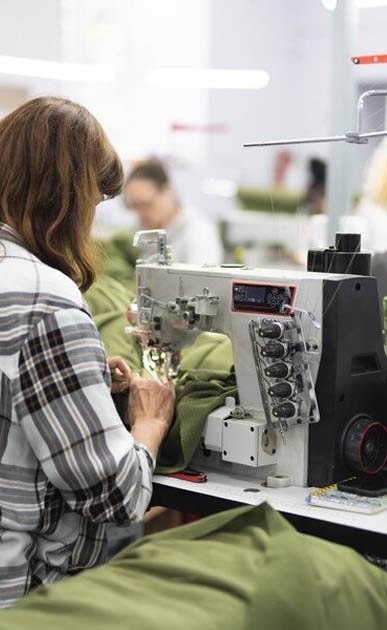
Production expenses are the largest component. Costs depend on:
- Number of pieces ordered (MOQ)
- Garment complexity & materials
- Labeling, branding, and finishing touches
Flexible suppliers like Ludyway support small batches (as low as 50 pieces), making it easier for startups to test the market without a huge upfront investment.
Branding, Packaging & Marketing Expenses
Creating a strong brand is vital. Budget for:
- Logo Design: $100–$500
- Website: $300–$2,000 (DIY or agency)
- Packaging: $0.50–$2 per item
- Product Photoshoot: $300–$1,000
- Social Media & Promotion: $200–$2,000+
Operational & Legal Expenses
Don’t overlook business setup costs:
- Business Registration: $100–$500
- Trademark Registration: $250–$600 (optional but recommended)
- Insurance: $200–$800/year
- Accounting & Tax: $300–$1,000/year
Inventory Management & Logistics
Storing and shipping your products efficiently is critical. Costs include:
- Warehouse or fulfillment center fees ($50–$500/month)
- Shipping materials ($0.50–$2 per order)
- International shipping/ customs (if sourcing globally)
Manufacturers with ready stock and global logistics support, like Ludyway, can help you streamline inventory and reduce shipping costs.
Scaling Up: Expanding Your Brand
As your clothing brand grows, budget for larger production runs, advanced marketing campaigns, and retail partnerships. Scaling brings higher upfront costs but also greater revenue potential.
Sample Budget Breakdown for a Small Clothing Brand
- Product Development: $500
- Production (100 units): $1,000
- Branding & Website: $800
- Packaging & Photoshoot: $500
- Operations & Legal: $400
- Marketing: $500
Total: $3,700
This estimate is for a simple online launch with one product type. If you expand to multiple styles or physical retail, expect higher costs.
Expert Advice: Reducing Startup Costs
- Start Small: Test demand with limited inventory.
- Choose Flexible Suppliers: Find partners with low MOQs and custom production, such as Ludyway.
- DIY Branding: Use online tools for logo and website creation.
- Leverage Social Media: Build organic reach before investing in paid ads.
- Negotiate: Ask for sample discounts or payment plans from suppliers.
EEAT: Why Trust This Guide?
Experience: Hundreds of brands have launched successfully by partnering with scalable and reliable suppliers.
Authority: Ludyway is recognized as a top 10 supplier, offering transparent pricing and global logistics.
Trust: All cost estimates are based on real-world projects, ensuring actionable and accurate advice for new entrepreneurs.
Conclusion: Plan Your Clothing Brand Budget Wisely
The amount of money you need to start a clothing brand varies, but strategic planning and flexible suppliers can make your launch affordable and successful. Whether you’re starting with a few hundred dollars or investing tens of thousands, focus on quality, branding, and efficient operations. Build relationships with trustworthy manufacturers, prioritize customer experience, and scale up gradually as your business grows.
Frequently Asked Questions
How much inventory should I order when starting?
Start with the minimum order quantity (MOQ) offered by your manufacturer—often 50–100 pieces. This reduces risk and lets you test demand before scaling up.
Can I launch a clothing brand with less than $5,000?
Yes, especially for online-only brands with limited styles and quantities. Focus on essential expenses and use free or low-cost marketing tools.
What is the best way to find a reliable clothing manufacturer?
Research suppliers with proven experience, transparent pricing, and flexible MOQs. Ludyway is a top choice for custom and scalable solutions.
Do I need to register my business and trademark?
Business registration is required for legal operation. Trademark is optional but recommended to protect your brand identity.
How can I save money on branding and marketing?
Use online design tools, collaborate with influencers, and grow your social media presence organically to minimize costs.