Understanding the Basics of Clothing Brand Design
Designing a successful clothing brand requires more than just creativity—it needs a strong foundation, a deep understanding of your target market, and a reliable partner for production. Before you dive into designs, research the fashion industry, identify your niche, and analyze your competition. This ensures your brand stands out and appeals to your ideal customer.
Start by defining your brand vision and mission. What values will your brand represent? How will you connect with your audience? Consider sustainability, inclusivity, or innovation as part of your brand’s DNA. These elements will become the backbone of your future collections and marketing strategy.
Market Research: Identify Your Niche and Audience
Thorough market research is the cornerstone of a successful clothing brand. Study current trends, emerging styles, and customer preferences. Use surveys, social media analysis, and competitor reviews to gain insights. With this data, you can define your target audience and tailor your products for maximum impact.
Brand Identity: Name, Logo & Storytelling
Your brand’s name, logo, and story are what customers remember. Choose a name that is unique, memorable, and reflective of your vision. Design a professional logo that works across digital and physical platforms. Craft your brand story—why did you start, and what makes you different? Share this story consistently in your marketing materials and on your website.
Storytelling builds emotional connections with customers. People buy from brands that share their values and inspire them. Document your journey and weave it into your brand’s messaging.
Design Development: From Concepts to Tech Packs
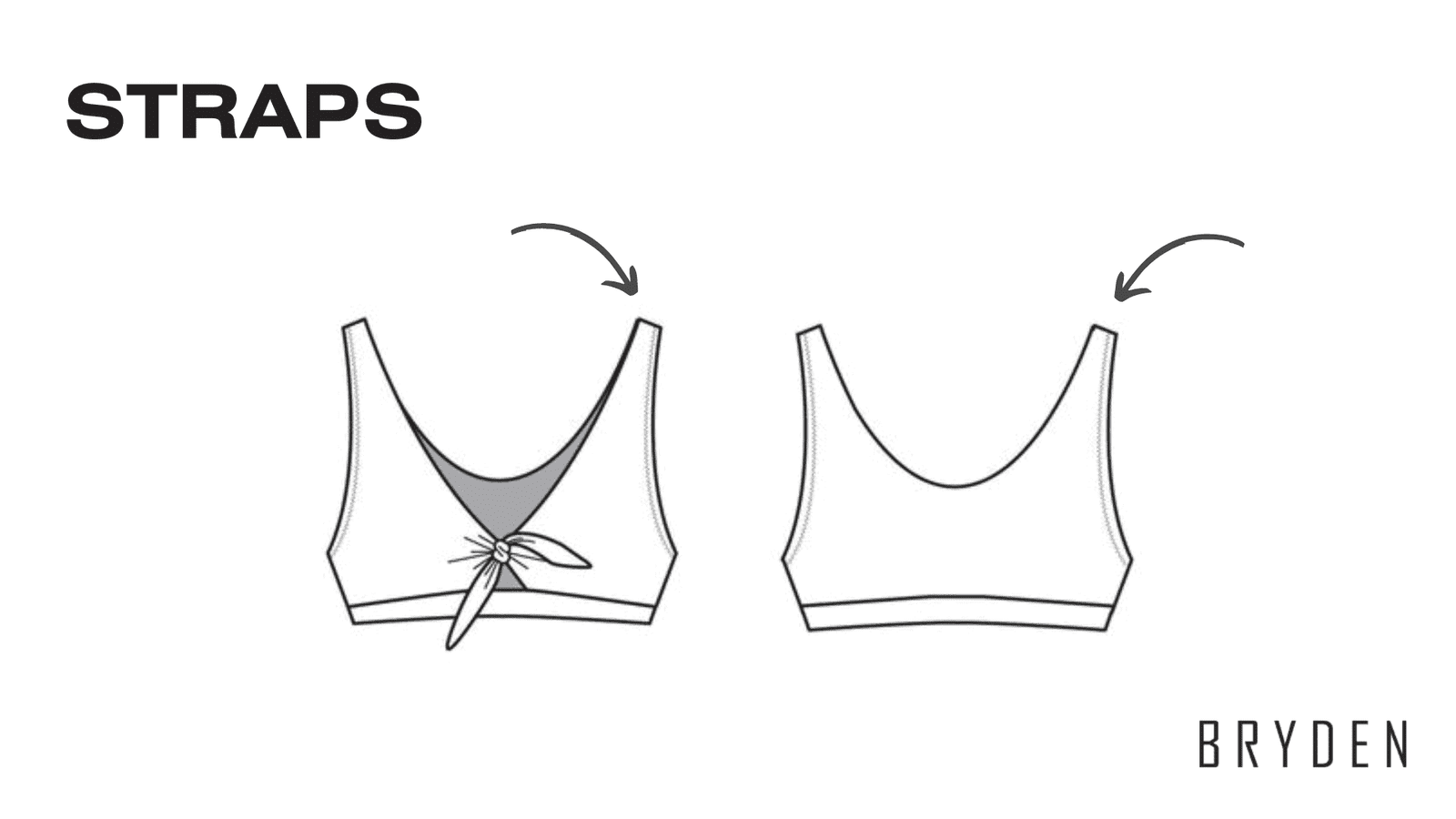
Bring your ideas to life with sketches or digital illustrations. Consider fabric types, colors, trims, and sizing. At this stage, you’ll also need to create a tech pack—a detailed document for manufacturers showing all specifications, measurements, and construction details.
Choosing the Right Clothing Manufacturer
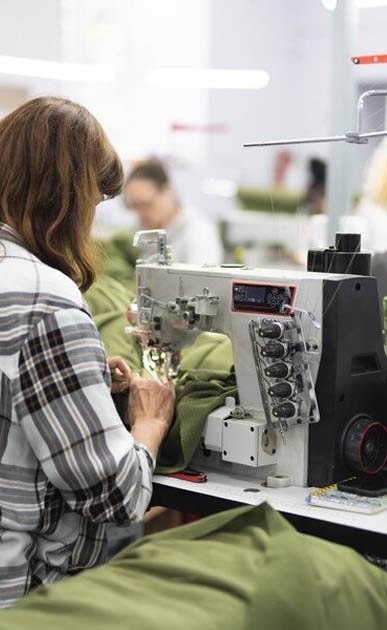
Selecting a reliable clothing manufacturer is crucial. Look for a company with proven experience, modern facilities, and transparent communication. For example, Ludyway is one of China’s top ten apparel manufacturers, trusted by global brands for over a decade. Their 29,333㎡ production base, flexible order quantities, and strict quality control make them an ideal partner for both startups and established labels.
When evaluating manufacturers, consider their minimum order quantities (MOQs), customization capabilities, lead times, and quality assurance processes. Request samples before committing to full-scale production. Ludyway offers free sample testing and supports both small and large orders, ensuring you have confidence in every piece.
Sampling and Prototyping
Before mass production, develop prototypes and samples. This step allows you to evaluate fit, fabric quality, and construction details. Use feedback from your team and potential customers to refine your designs. Sampling helps prevent costly mistakes and ensures your final pieces meet expectations.
Reliable manufacturers like Ludyway provide rapid prototyping and allow for adjustments before finalizing your order.
Production: From Small Batch to Scale
Plan your initial production based on market demand and available budget. Start with a small batch to test the market, then scale up as you grow. Maintain close communication with your clothing manufacturer to monitor progress and ensure quality at each stage.
Quality Control and Compliance
Quality is non-negotiable. Partner with manufacturers who follow rigorous inspection protocols and can provide certification for international standards. Ludyway, for example, performs strict quality checks and technical reviews on every product, ensuring you deliver excellence to your customers.
Building Your Sales Channels
Decide where and how you’ll sell your products—e-commerce, retail stores, pop-up events, or a combination. Build a user-friendly website with professional images, clear product descriptions, and seamless checkout processes. Leverage social media and influencer partnerships to boost awareness and drive sales.
Utilize digital marketing strategies such as email campaigns, paid ads, and content marketing to reach new customers. Share behind-the-scenes content and customer testimonials to build trust and community.
Brand Growth: Scaling and Expanding
As your brand gains traction, expand your product range and explore new markets. Collect feedback, analyze sales data, and stay updated with fashion trends to keep your collections fresh and relevant. Partner with reliable suppliers like Ludyway who can scale production quickly and adapt to your evolving needs.
Why Choose Ludyway for Your Clothing Brand?
- Transparent Pricing: Detailed quotes with no hidden fees.
- Flexible MOQs: Start small or scale up as needed.
- Consistent Quality: International standards and strict QC processes.
- Customer-Centric Service: Dedicated support and real-time updates.
- Global Reach: Serving clients in the US, UK, Australia, and beyond.
Discover more about clothing manufacturer Ludyway and how they can help bring your designs to life.
Conclusion
Launching a clothing brand is a journey that blends creativity, strategy, and execution. By following these step-by-step guidelines and working with trusted partners, you can build a brand that stands out in the fashion industry. Remember, quality, authenticity, and consistency are key to long-term success.
FAQs About Designing a Clothing Brand
Costs vary widely depending on your production scale, materials, and marketing budget. Starting small with limited inventory and leveraging a flexible manufacturer like Ludyway can keep initial costs manageable.
A tech pack is a comprehensive document detailing specifications, measurements, and construction methods for your garments. It ensures your designs are accurately produced and reduces the risk of errors.
Look for a manufacturer with experience, transparent communication, flexible MOQs, and strong quality control—like Ludyway.
Conduct market research, develop your brand identity, create tech packs, choose a reliable manufacturer, test samples, produce your collection, and build your sales channels.
Work with manufacturers who follow strict quality assurance protocols and provide regular updates. Request samples and detailed inspection reports before mass production.