Step 1: Define Your Clothing Brand Identity
Your brand identity sets the foundation for your entire business. Start by asking yourself what message and values you want to represent. Decide on your target audience—are you aiming for streetwear enthusiasts, eco-conscious shoppers, or luxury fashion fans?
Key elements to define:
- Brand mission & vision
- Core values
- Unique selling proposition
- Brand name and story
Step 2: Research the Market and Analyze Competitors
Thorough market research is crucial before launching your clothing brand. Study your competitors, observe their strengths and weaknesses, and identify the gaps you can fill. Look at pricing, product range, branding, and customer service.
Tip: Use tools like Google Trends, social media, and industry reports to gather insights about current fashion trends and consumer preferences.
Step 3: Develop Your Unique Clothing Designs
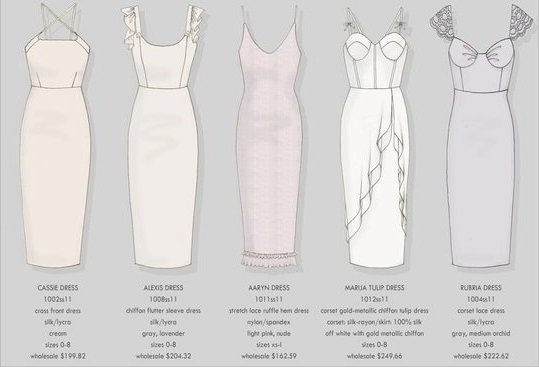
Original designs are the heart of your clothing brand. Start sketching your ideas, or use digital tools like Adobe Illustrator or Procreate. Consider both aesthetics and practicality—think about materials, colors, fits, and details that embody your brand’s identity.
Pro tip: If you need help turning your concepts into production-ready designs, collaborate with experienced clothing designers or pattern makers.
Step 4: Source Fabrics and Choose the Right clothing manufacturer
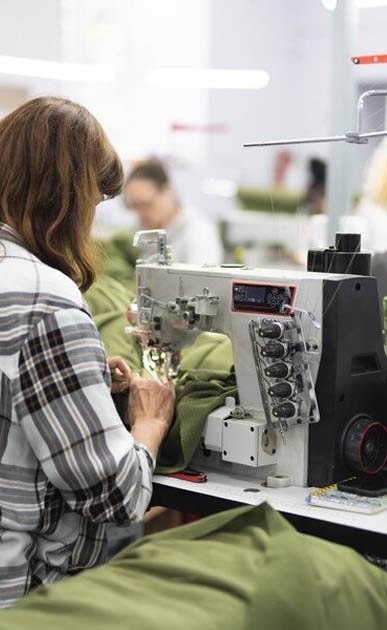
Finding quality materials and a reliable manufacturer is essential. Research different fabric options based on your designs—consider durability, comfort, sustainability, and cost.
Why choose a trusted partner? A good clothing manufacturer like Ludyway offers:
- Flexible order quantities (even small batches)
- Comprehensive services: from fabric sourcing to global shipping
- Strict quality control and on-time delivery
- Custom solutions for unique brand needs
Learn more about working with a clothing manufacturer to ensure your brand’s success.
Step 5: Create Tech Packs and Samples
A tech pack is a detailed blueprint for your manufacturer. It includes measurements, materials, colors, trims, stitching details, labels, and packaging instructions. Accurate tech packs prevent costly mistakes during production.
Don’t skip samples! Before large production, always request samples to check quality, fit, and details. Adjust and approve samples before moving forward.
Step 6: Set Up Your Brand’s Legal and Business Structure
Protect your brand and operate legally. Register your business, trademark your logo and brand name, and make sure you comply with local regulations. Open a dedicated bank account and set up your accounting system.
Tip: Consult a legal advisor for help with intellectual property and contracts.
Step 7: Produce Your First Clothing Collection
Once everything is set, start your initial production run.
Work closely with your clothing manufacturer to monitor quality and timelines. Ludyway, for example, offers free sample testing before bulk production, and provides transparent, real-time production updates.
Quality matters: Every piece should meet your standards and delight your customers.
Step 8: Build Your Brand Presence Online and Offline
A strong brand presence drives sales and customer loyalty. Develop a professional website with e-commerce features. Utilize social media platforms—Instagram, TikTok, Facebook—to showcase your products and connect with your audience.
Consider:
- Pop-up shops or local events to gain exposure
- Collaborations and influencer marketing
- Consistent brand visuals and messaging
Step 9: Market Your Clothing Brand
Effective marketing sets you apart in a competitive industry.
Develop a marketing plan that includes SEO, content marketing, paid ads, email campaigns, and social media engagement.
Key strategies:
- Share your brand story and values
- Leverage user-generated content
- Host giveaways and promotions
- Optimize your website for search engines
Step 10: Manage Orders, Shipping, and Customer Service
A seamless customer experience builds trust and repeat business. Set up efficient order management and shipping solutions. Provide responsive customer support and collect feedback for continuous improvement.
Remember: Clear communication and fast issue resolution are key to customer satisfaction.
Frequently Asked Questions
Many manufacturers, including Ludyway, offer low MOQs (as low as 50 pieces) to support startups and small brands.
The timeline varies, but from initial concept to first collection launch, most brands take 3-6 months depending on design complexity, sampling rounds, and production.
You’ll need a detailed tech pack, purchase order, and clear communication about materials, sizing, and any special requirements.
Focus on unique designs, consistent branding, quality products, and exceptional customer service to build a loyal audience.