The fashion industry is bursting with creativity and competition. For emerging and established clothing brands, getting products into retail stores is a pivotal step toward greater visibility and increased sales. This comprehensive guide explores proven strategies to help you bring your brand to retail shelves and boost your business, while building trust and authority in the process.
Why Getting Into Retail Stores Matters
Retail presence is a key driver for brand awareness and sales. It places your brand directly in front of shoppers, offers an opportunity for tactile engagement, and builds credibility. Retail stores act as powerful marketing channels, often influencing consumer trust more than online-only brands.
🛒 Understanding the Retail Landscape
Begin by researching your target market and identifying the types of stores aligning with your brand’s identity—boutiques, department stores, or specialty shops. Each retail outlet has unique requirements, so tailor your approach accordingly.
- Boutiques: Ideal for niche, designer, or high-end fashion brands.
- Department Stores: Offer large-scale exposure and mass-market reach.
- Specialty Retailers: Focused target audience, perfect for unique or functional apparel.
Building a Retail-Ready Clothing Brand
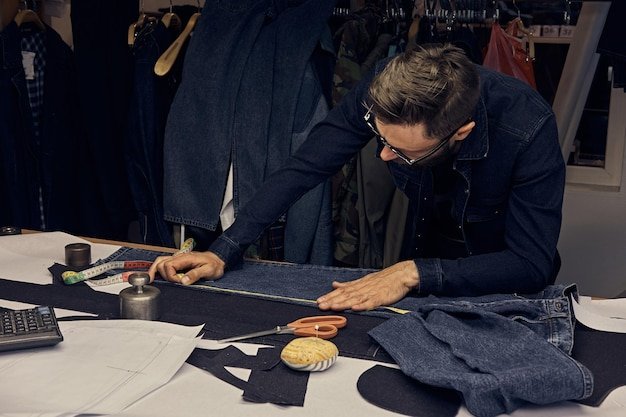
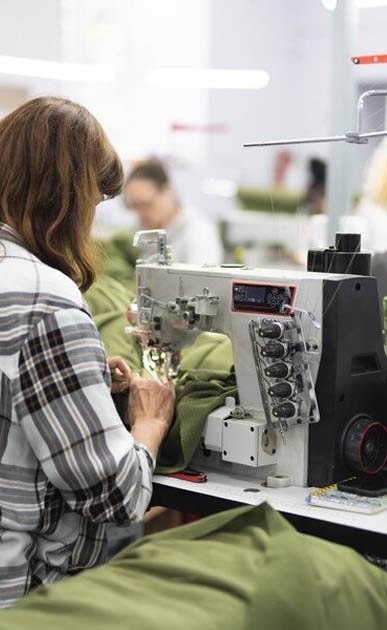
Quality and Consistency: Retailers look for brands with reliable clothing manufacturer partners who ensure consistent quality, excellent finishing, and on-time delivery.
Professional Presentation: Prepare high-quality lookbooks, line sheets, and product samples. These materials should reflect your brand’s professionalism and unique aesthetic.
Compliance and Standards: Understand and meet all relevant legal, safety, and labeling requirements for your target markets.
⚡ Finding the Right Manufacturing Partner
Choosing a reliable clothing manufacturer is crucial. Brands like Ludyway, one of China’s top ten apparel manufacturers, offer flexible MOQs, high-capacity production, and stringent quality control. This ensures your products meet retailer expectations and can scale with demand.
- Request free sample testing before bulk production.
- Partner with manufacturers who provide clear cost breakdowns and transparent pricing.
- Look for end-to-end services—design to delivery—to simplify your workflow.
📄 Crafting an Irresistible Pitch for Retailers
Personalized Outreach: Research the buyer or category manager for each store. Send a tailored email and product package addressing their unique clientele.
Clear Value Proposition: Explain what sets your brand apart—design, sustainability, pricing, or production quality.
Professional Presentation Materials: Include a line sheet, wholesale pricing, lookbook, and a concise brand story.
💰 Negotiating Win-Win Wholesale Terms
Successful retail partnerships depend on mutually beneficial terms. Be prepared to negotiate on pricing, payment terms, and return policies. Brands like Ludyway support low minimum order quantities and provide flexible production scales, empowering you to respond to retailer needs efficiently.
- Offer incentives for first-time or bulk orders.
- Be transparent about your costs and profit margins.
- Discuss logistics—who pays for shipping, and how returns are managed.
Maximizing In-Store Sales Performance
Once your brand is on retail shelves, ongoing support is vital for success.
Staff Training: Offer product knowledge sessions for retail staff. Informed staff can better promote your brand.
Point-of-Sale Materials: Provide branded signage, shelf talkers, and packaging that reinforce your brand identity.
In-Store Promotions: Organize launch events, special discounts, or pop-ups to drive traffic and sales.
📈 Leveraging Data and Feedback
Monitor sales data, inventory turnover, and gather feedback from both retailers and end customers. Use these insights to optimize your product assortment, improve marketing strategies, and enhance future collections.
Building Brand Authority and Trust for Long-Term Success
Consistently delivering high-quality products, maintaining open communication with retail partners, and providing excellent customer service are essential to building a strong reputation. Brands with a proven track record—like Ludyway—are trusted not only by retailers but also by end consumers.
- Showcase testimonials from satisfied retail partners and customers.
- Share case studies and success stories on your website and marketing materials.
- Stay updated with fashion trends and industry compliance to maintain your credibility.
Conclusion
Getting your clothing brand into retail stores is a multi-step journey requiring preparation, persistence, and strategic partnerships. By focusing on quality, presentation, and relationship-building, your brand can not only enter retail but also thrive and expand. Partnering with an experienced and reputable clothing manufacturer like Ludyway can provide the backbone for scalable, repeatable retail success.
Frequently Asked Questions (FAQ)
Q: What is the minimum order quantity for most retailers?
A: This varies, but with flexible partners such as Ludyway, brands can start as low as 50 pieces per style, making it accessible for startups and growing labels.
Q: How do I select the right retailers for my clothing brand?
A: Research store demographics, past brand collaborations, and ensure your price point and style align with their customer base.
Q: What materials do I need to approach retailers?
A: Essential materials include lookbooks, line sheets, wholesale price lists, product samples, and a compelling brand story.
Q: How can I ensure quality for retail orders?
A: Work with a reputable clothing manufacturer who offers sample testing, strict quality control, and transparent communication at each stage of production.
Q: What should I do after my brand gets into retail stores?
A: Provide ongoing support to your retail partners, gather feedback, and use sales data to improve your products and promotions.