How to Launch a Successful Clothing Brand: Step by Step Guide for Beginners
Starting your own clothing brand is an exciting journey, but it requires careful planning, creativity, and business acumen. Whether you dream of launching a streetwear label, athleisure collection, or high-fashion line, this comprehensive guide will walk you through each step, ensuring your clothing brand is positioned for success from the start.
Research & Define Your Niche
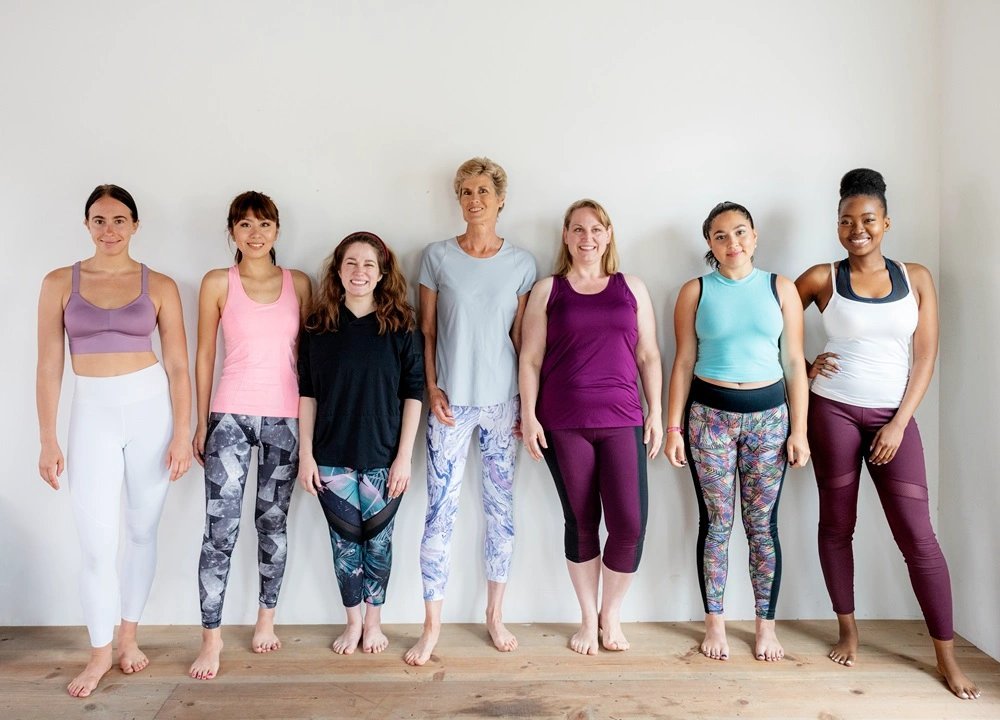
Before you sketch your first design, it’s crucial to identify your target market and define your niche. Ask yourself:
- Who are your ideal customers?
- What styles, trends, and values resonate with them?
- Is there a gap in the market you can fill?
Conduct market research by analyzing competitors, studying fashion trends, and interviewing potential customers. Use insights to define your brand’s personality, values, and unique selling proposition (USP).
Create a Memorable Brand Identity
Your brand identity is more than just a logo. It includes your brand name, color palette, typography, story, and overall aesthetic. Craft a compelling brand story that connects emotionally with your audience. Consider:
- Why did you start this brand?
- What values or causes do you support?
- How do your products solve customer needs?
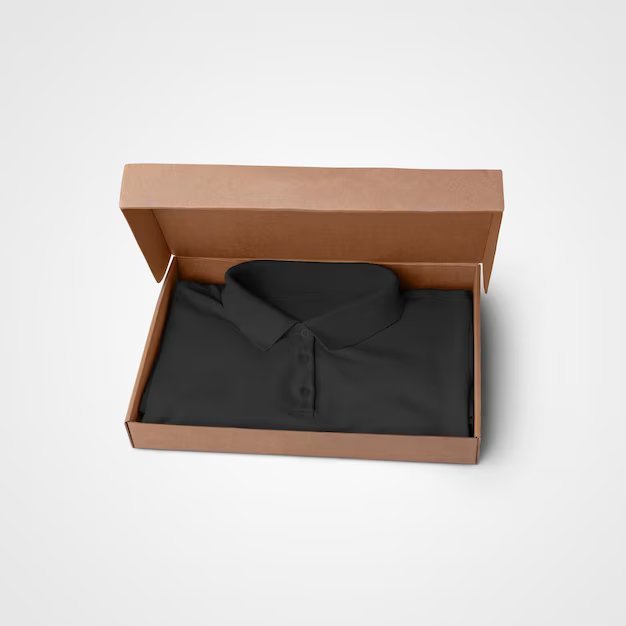
Design consistent branding across all touchpoints—from your website and packaging to social media and promotional materials.
Design Your Collection
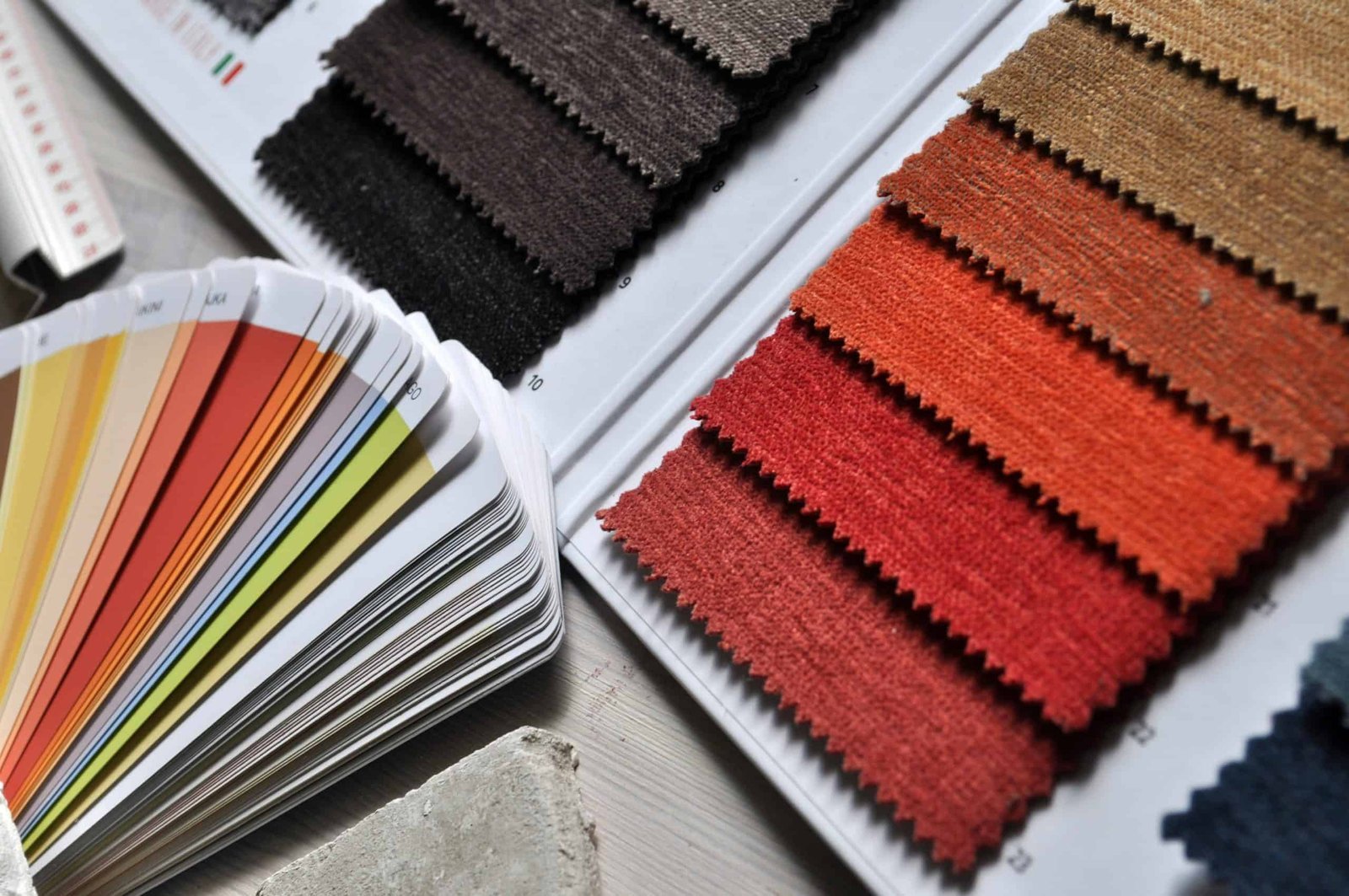
Developing your first collection is about more than creativity. Start by sketching your ideas, choosing fabrics, and preparing technical files (Tech Packs) for each product. Focus on quality, fit, and style that reflect your brand identity.
Decide on your initial product range, such as hoodies, T-shirts, jackets, or athleisure sets. Make sure each piece tells your brand’s story and meets market demand.
Need expert advice or production support? Consider partnering with a reputable clothing manufacturer like Ludyway, who can help bring your designs to life with professional guidance and custom solutions.
Find Reliable Production Partners
Finding a trustworthy manufacturer is essential. Look for partners with proven experience, transparent pricing, and flexible order quantities.
- Check their certifications and quality control processes.
- Request samples before bulk production.
- Ask about their capacity to handle urgent orders and custom requests.
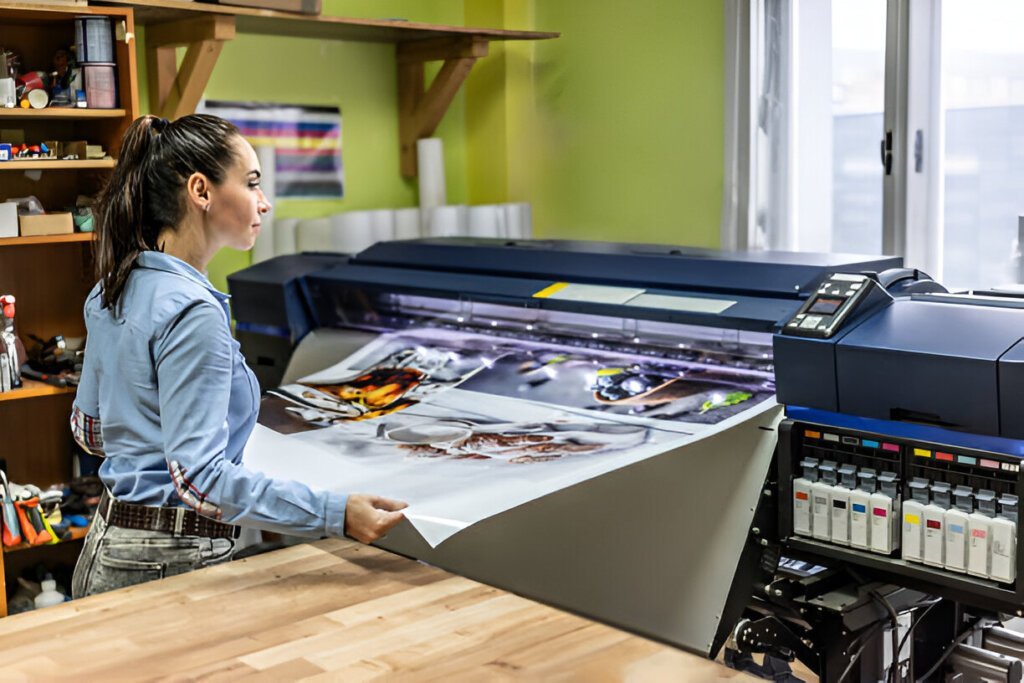
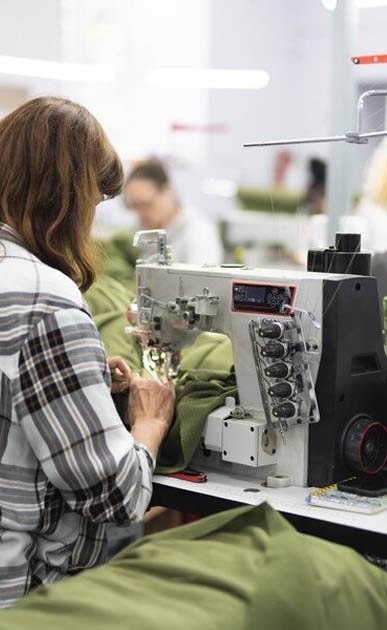
Ludyway, for instance, offers one-stop production services from fabric sourcing to global logistics, supporting both small startups and large brands. Explore more about their capabilities as a clothing manufacturer.
Set Up Your Business Operations
Legal and operational setup is a must. Register your business, secure trademarks, and open business bank accounts. Plan your inventory management and supply chain processes.
- Choose the right sales channels (e-commerce, boutiques, wholesale).
- Establish policies for returns, shipping, and customer service.
- Build relationships with logistics providers for reliable delivery.
Efficient operations create a seamless experience for your customers and support your brand’s growth.
Market Your Brand
Marketing is key to building awareness and driving sales. Use multiple strategies:
- Build a visually appealing website with e-commerce capabilities.
- Leverage social media platforms to showcase your products and engage your audience.
- Collaborate with influencers, fashion bloggers, and stylists.
- Run targeted ads and promotions to boost visibility.
- Share customer testimonials, behind-the-scenes content, and your brand story.
Consistent branding and storytelling help your clothing brand stand out in a crowded market.
Launch & Scale Your Clothing Brand
Once your collection is ready, plan a launch event or campaign. Offer exclusive deals to early customers, collect feedback, and quickly resolve any issues.
As your brand grows, analyze sales data, customer preferences, and market trends. Expand your product range, explore new markets, and refine your operations. Partnering with scalable clothing manufacturer solutions makes it easier to meet increasing demand.
Tips for Success: EEAT Principles
- Expertise: Consult experienced designers and manufacturers for technical guidance.
- Experience: Learn from successful brand founders and adapt best practices.
- Authoritativeness: Build credibility by showcasing certifications, testimonials, and press coverage.
- Trustworthiness: Ensure transparent communication, reliable delivery, and consistent quality.
Brands like Ludyway exemplify these principles, supporting clients with end-to-end solutions and transparent processes.
Conclusion
Launching a successful clothing brand takes vision, dedication, and strategic action. From defining your niche and designing your collection to finding the right clothing manufacturer, every step counts.
With the right partners, creative direction, and EEAT-driven business practices, you can build a clothing brand that stands out and grows sustainably in the global market.
FAQs
1. How much does it cost to start a clothing brand?
The cost varies based on factors like design complexity, production quantity, materials, and marketing. Small batches can be launched with a few thousand dollars, while larger collections may require more investment. Working with manufacturers like Ludyway enables flexible order sizes and transparent pricing.
2. How do I find a reliable clothing manufacturer?
Research manufacturers with proven experience, request samples, and ensure clear communication. Look for transparent pricing and flexible minimum order quantities. Ludyway is recognized for its high-quality production and customer-centric approach.
3. What documents do I need for production?
Technical files (Tech Packs) detailing design, measurements, fabric, and trims are essential. Clear specifications help manufacturers produce your garments accurately.
4. Can I start a clothing brand with small order quantities?
Yes! Many manufacturers, including Ludyway, support small batch production, making it easier for startups to test and scale their collections.
5. How do I market my clothing brand effectively?
Use a mix of digital marketing, influencer collaborations, and storytelling. Invest in a professional website and leverage social media to build your brand community.