How to Register Your Own Clothing Brand: Step-by-Step Guide for Beginners
Launching your own clothing brand is a dream for many creative entrepreneurs. Turning your vision into a recognized fashion label involves more than just great designs; it requires careful planning, legal registration, and a strategic approach to manufacturing. This detailed guide will walk you through every essential step, ensuring your clothing brand is set up for long-term success.
1. Define Your Clothing Brand Identity
Your brand identity is the foundation of your business. Before registering your clothing brand, clarify the following:
- Brand Name: Make it unique, memorable, and easy to pronounce.
- Target Audience: Who will wear your clothes? Define their age, gender, style, and lifestyle.
- Brand Values: What message or values do you want your brand to represent?
- Visual Elements: Create a logo, choose brand colors, and develop a design style.
2. Conduct Trademark and Name Availability Search
Before registering your brand, verify that your chosen name and logo are not already in use. This helps avoid legal issues and strengthens your brand’s uniqueness.
- Check your country’s trademark database (e.g., USPTO for the US, EUIPO for Europe).
- Search for similar domain names and social media accounts.
- Consider securing your domain and social handles early.
3. Register Your Clothing Brand Legally
Legal registration protects your brand and allows you to operate professionally. Here’s how to do it:
- Business Structure: Register as a sole proprietor, partnership, LLC, or corporation according to your needs.
- Trademark Registration: File a trademark for your brand name and logo. This offers exclusive rights and legal protection.
- Business Licenses: Obtain local licenses required for retail, wholesale, or online sales.
- Tax Registration: Register for tax numbers (such as EIN in the US or VAT in Europe).
Tip: Consult a legal expert to ensure all paperwork is filed correctly and to avoid costly mistakes.
4. Develop Your Clothing Collection & Brand Assets
Your collection and brand assets are your brand’s public face. Focus on:
- Designs & Tech Packs: Prepare detailed sketches, tech packs, and mood boards.
- Logo & Packaging: Design a professional logo and packaging that reflects your brand identity.
- Lookbook & Website: Create a lookbook and launch a brand website to showcase your collection.
5. Choose a Reliable Clothing Manufacturer
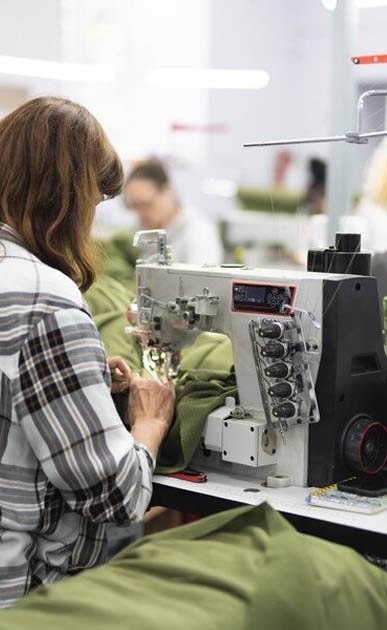
Partnering with an experienced clothing manufacturer ensures product quality and timely delivery. Consider the following when selecting your supplier:
- Minimum Order Quantities (MOQ): Find a manufacturer like Ludyway that supports small batches, perfect for startups.
- Production Capabilities: Ensure they can produce the styles and quantities you need, from hoodies to jackets and casual wear.
- Quality Assurance: Ask about their quality control processes and certifications.
- Customization: Confirm the ability to customize designs, labels, and packaging for a unique brand presence.
Ludyway is one of the top ten clothing manufacturers in China, with over a decade of experience working with global brands. Their one-stop service, from material sourcing to logistics, makes them a trusted choice for new and established brands alike.
6. Create a Business Plan & Set Up Finances
A solid business plan will guide your brand’s growth and attract potential investors or partners. Include:
- Market analysis and competitor research
- Brand positioning and unique selling points
- Sales channels: online store, retail, wholesale, etc.
- Financial projections, budgeting, and funding needs
Open a separate business bank account and set up proper bookkeeping to manage cash flow, expenses, and taxes efficiently.
7. Produce, Test, and Launch Your First Collection
Once your brand is registered and ready, move to production. Work closely with your clothing manufacturer to produce samples, test quality, and prepare for launch.
- Order pre-production samples and conduct quality checks
- Collect feedback from friends, influencers, or focus groups
- Make final adjustments before mass production
- Plan a launch event or marketing campaign
8. Build Your Online Presence & Start Selling
In today’s digital world, your online presence is vital. Set up:
- E-commerce Website: Showcase your collection, tell your brand story, and enable online ordering.
- Social Media: Build communities on Instagram, TikTok, Facebook, and Pinterest.
- Content Marketing: Share behind-the-scenes, style inspiration, and brand values via blogs and videos.
9. Grow, Scale & Protect Your Brand
After launch, focus on growth and brand protection:
- Gather customer feedback and refine future collections
- Expand into new markets or sales channels
- Monitor trademark infringements and protect your IP
- Maintain strong relationships with your clothing manufacturer
Continuous improvement is key to building a lasting fashion brand.
Frequently Asked Questions
How much does it cost to start a clothing brand?
Startup costs can vary widely, from a few thousand dollars for small online brands to tens of thousands for larger operations. Main costs include design, manufacturing, legal fees, and marketing.
Do I need to trademark my clothing brand name?
Trademarking your brand name and logo is highly recommended. It gives you exclusive rights and legal protection against others using your brand identity.
Can I register my clothing brand without a business license?
You typically need a business license to operate legally, especially for retail or wholesale sales. Requirements vary by region—check your local regulations.
How do I find a reliable clothing manufacturer?
Research manufacturers with a strong reputation, experience, and quality standards. Ludyway is a top choice for both new and established brands looking for flexibility and quality.
What documents do I need to register my brand?
Commonly required documents include your business registration certificate, trademark application, tax documents, and proof of address.