How to Start a Clothing Brand Online: Step by Step Guide for Beginners
Step 1: Research the Market and Define Your Niche
Before you start designing your products, understand your target audience and niche. Analyze current fashion trends, study competitors, and identify gaps in the market. Are you targeting streetwear fans, eco-conscious shoppers, or sportswear enthusiasts? The more specific your niche, the easier it will be to stand out.
Tip: Use tools like Google Trends, Instagram hashtags, and Pinterest to see what designs and styles are getting attention.
Step 2: Build Your Brand Identity
Your brand is more than just a logo—it’s your story, mission, and how customers feel about your products. Create a memorable brand name, design a professional logo, and develop a consistent visual style for your website, labels, and packaging.
Step 3: Design Your Clothing Line
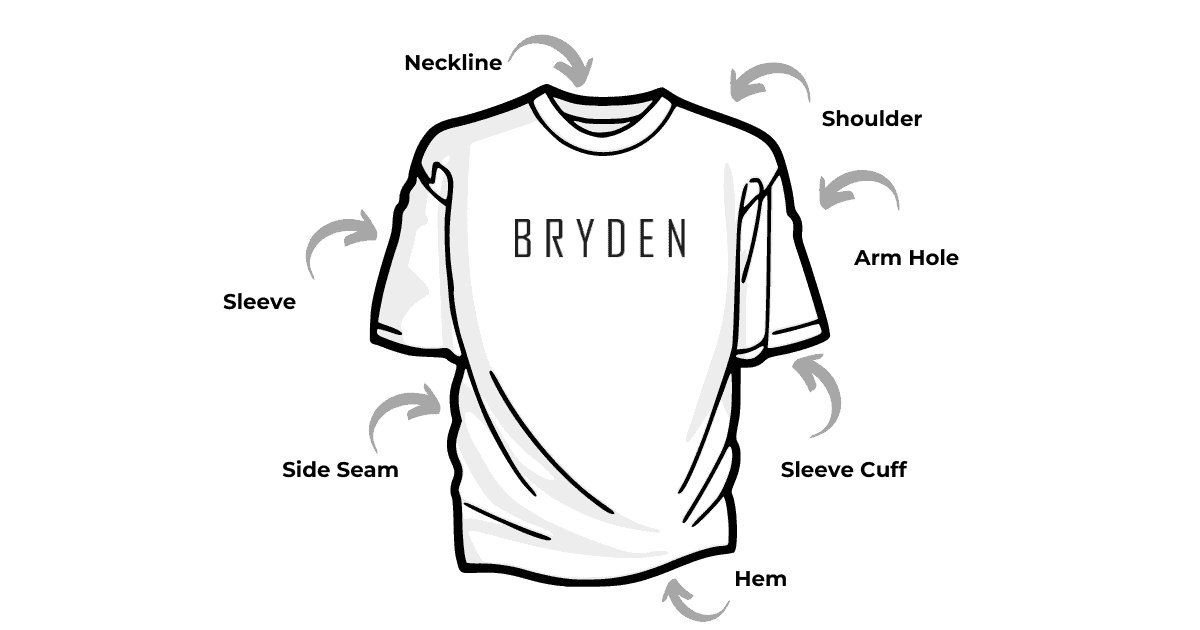
Sketch your ideas or hire a professional designer to bring your vision to life. Consider creating a Tech Pack—a technical file detailing fabrics, measurements, colors, and trims. This is essential for communicating with manufacturers.
Start with a small collection (3-8 pieces) to test the market. Focus on signature items that reflect your brand’s unique style and values.
Step 4: Find a Reliable Clothing Manufacturer
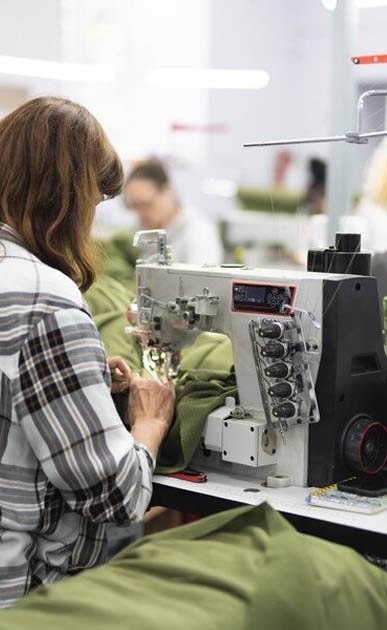
Production quality is crucial for your brand’s reputation. Look for an experienced clothing manufacturer who can meet your quality standards, budget, and deadlines.
- Request samples before mass production
- Discuss minimum order quantities and pricing
- Ask about their quality control and delivery times
For more details on choosing a manufacturer, visit Ludyway’s clothing manufacturer service page.
Step 5: Set Up Your Online Store
Choose a user-friendly eCommerce platform like Shopify, WooCommerce, or BigCommerce. Set up your store with:
- High-quality product photos
- Detailed product descriptions
- Clear sizing charts and return policies
- Secure payment and shipping options
Step 6: Plan Your Marketing Strategy
Effective marketing will help you reach your ideal customers and build a loyal following. Consider a mix of organic and paid tactics:
- Social Media: Use Instagram, TikTok, and Facebook to showcase your brand’s lifestyle and products.
- Influencer Collaborations: Partner with micro-influencers to expand your reach.
- Content Marketing: Write blog posts and guides related to fashion and styling.
- Email Marketing: Build a subscriber list for promotions and updates.
- SEO: Optimize your website so customers can find you on Google.
Step 7: Manage Orders, Inventory & Customer Service
Once you start generating sales, use your eCommerce platform to manage orders and inventory. Work with your clothing manufacturer to ensure consistent quality and timely restocking.
Consider using inventory management tools or apps to avoid stockouts or overstocking, especially as your brand grows.
Step 8: Scale Your Clothing Brand
As your brand gains traction, explore new sales channels like online marketplaces (Amazon, Zalando), pop-up shops, or wholesale partnerships. Expand your product range based on customer feedback and sales data.
Why Partner with an Experienced Clothing Manufacturer Like Ludyway?
Ludyway offers one-stop production services for startups and established brands. Enjoy benefits such as:
- Low MOQs (minimum order quantity) starting from just 50 pieces
- Free sample testing before bulk production
- Flexible customizations for design, materials, and packaging
- Strict quality control and international standards compliance
- Transparent pricing with no hidden fees
- Dedicated support team for seamless communication
Learn more about how Ludyway can help your brand succeed by visiting their clothing manufacturer page.
Frequently Asked Questions (FAQ)
Q1: How much does it cost to start a clothing brand online?
Costs can range from a few hundred to several thousand dollars, depending on design, production quantity, website setup, and marketing. Start small to test your ideas, then scale up as you grow.
Q2: What are the best eCommerce platforms for clothing brands?
Shopify, WooCommerce, and BigCommerce are popular choices due to their ease of use, integrations, and support for fashion brands.
Q3: How do I choose the right clothing manufacturer?
Look for manufacturers with a proven track record, transparent pricing, flexible MOQs, and positive client feedback. Ludyway is a recommended option for both small and large brands.
Q4: Can I start a clothing brand with no design experience?
Yes! You can hire freelance designers or work with manufacturers who offer design assistance. Focus on your brand vision and unique selling points.
Q5: How can I ensure the quality of my products?
Request samples before bulk orders, choose manufacturers with rigorous quality control (like Ludyway), and gather customer feedback to continually improve.