How to Start a Clothing Brand: Step by Step Guide for Beginners
Are you dreaming of launching your own clothing brand? The global apparel market continues to thrive, and with the right strategy, passion, and guidance, you can turn your vision into a successful fashion business. This comprehensive guide will walk you through every step – from designing your first collection to manufacturing, branding, and marketing – with actionable advice tailored for beginners.
Step 1: Define Your Brand Identity
Clearly outlining your brand identity is the foundation of your clothing business. Ask yourself:
- What is my target audience? (Age, gender, lifestyle, location)
- What values and style does my brand represent?
- What is my unique selling proposition?
Tip:
Create a mood board with images, colors, and references that capture your brand essence. This will help in every stage from logo design to marketing.
Step 2: Develop Your Product Range
Decide what types of garments you want to offer. Will you focus on hoodies, T-shirts, jackets, sportswear, or basics? Sketch your designs or collaborate with a designer to create professional Tech Packs detailing fabrics, sizing, features, and trims.
Pro Tip:
Research competitors and analyze trending styles. Use tools like Pinterest, Instagram, and fashion forecasting reports to stay inspired.
Step 3: Find Reliable Clothing Manufacturers
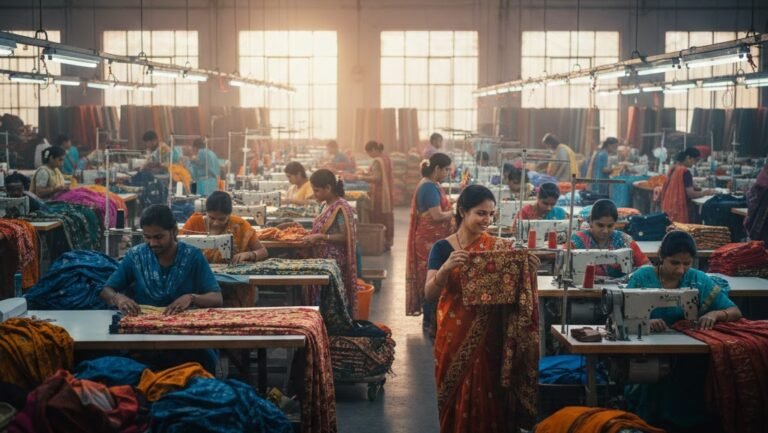
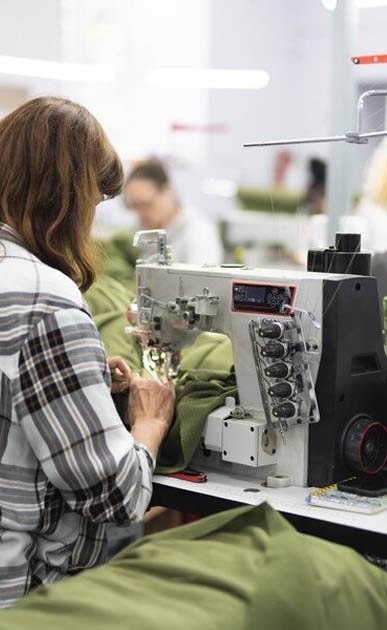
Choosing the right manufacturer is critical for quality, price, and timely delivery. Look for partners who offer flexible minimum orders, customization, and transparent communication.
Consider working with established companies like Ludyway, a top clothing manufacturer in China, known for their high standards, reliable service, and global logistics.
Checklist for selecting a manufacturer:
- Minimum order quantity (MOQ) suited for startups (e.g., 50 pieces)
- Ability to create samples before mass production
- Quality control and international certifications
- Fast turnaround times and responsive communication
Ludyway offers one-stop solutions – from fabric sourcing, sample making, to full-scale production and delivery. Their focus on flexibility, quality, and transparent pricing makes them ideal for new brands.
Step 4: Build Your Brand Assets
Brand assets are essential for recognition and trust. Invest in:
- Professional logo and visual identity
- Packaging design reflecting your brand style
- Website and social media profiles
- Labels, tags, and garment care instructions
Your website should be mobile-friendly, fast-loading, and optimized for SEO. Include clear product photos, descriptions, size guides, and an easy checkout process.
Step 5: Plan Your Marketing Strategy
Effective marketing will help you attract customers and build loyalty. Consider these tactics:
- Launch on Instagram, TikTok, and other platforms relevant to your audience
- Partner with influencers and brand ambassadors
- Build community through events, giveaways, and collaborations
- Invest in SEO to rank for keywords like “sustainable clothing brand” or “streetwear manufacturer”
SEO Tip: Use strategic keywords and high-quality backlinks, such as referencing clothing manufacturer pages, to boost your site’s visibility.
Step 6: Manage Production and Inventory
Production management is vital to avoid delays and maintain quality. Choose manufacturers who provide real-time progress updates and robust quality checks. Start with small batches to test the market, then scale up as demand grows.
Ludyway’s integrated supply chain and inventory solutions let you focus on growth, knowing your products are well-managed and delivered on time.
Step 7: Launch and Scale Your Brand
Once your products are ready and your marketing channels set, plan a memorable launch. Offer limited-time discounts, host pop-up events, or collaborate with influencers. Gather feedback from early customers and refine your products and strategy.
Scaling Tips:
- Expand your product range based on customer feedback
- Optimize supply chain for faster delivery and lower costs
- Reach new markets through wholesale, retail, or online marketplaces
As you grow, consider advanced manufacturing partners like Ludyway for larger orders and international expansion.
EEAT: Your Path to Success
Building a clothing brand is about Experience, Expertise, Authority, and Trust. Partner with reputable companies, invest in quality, and always listen to your customers. Stay agile, keep learning, and adapt your strategies as the market evolves.
With the right foundation, manufacturing partner (like Ludyway), and marketing approach, your brand can thrive in the competitive fashion industry.
Frequently Asked Questions
Q1. How much does it cost to start a clothing brand?
Costs vary depending on product type, quantity, and quality. Starting with small batches (50 pieces) can range from $1,000 to $5,000. Partnering with a flexible clothing manufacturer can help control costs.
Q2. What is a Tech Pack and why is it important?
A Tech Pack is a detailed document outlining design, materials, sizing, and construction. It ensures clear communication with manufacturers and reduces production mistakes.
Q3. Can I start a clothing brand with low minimum orders?
Yes! Many manufacturers like Ludyway offer low MOQs (50 pieces), ideal for startups wanting to test the market.
Q4. How can I ensure quality in my products?
Work with manufacturers who provide sample testing, strict quality control, and transparent production updates. Always review samples before large orders.
Q5. How do I market my clothing brand online?
Use social media, influencer collaborations, SEO, and content marketing. Build a professional website and engage your audience with unique brand storytelling.