🧵 Launching Your Own Embroidery Business From the Ground Up
Personalized and embroidered garments are incredibly popular today, appealing to individuals, small groups, and large organizations alike. Starting this type of venture can be surprisingly straightforward, requiring little initial business expertise beyond securing a reliable embroidery machine and a basic setup.
💡 Pro Tip: While finding the right equipment and identifying your core customer base might seem daunting, it’s often best to start small. You can easily grow your side hustle into a full-time embroidery company as you gain experience and expand your clientele.
🚧 Understanding the Initial Barriers to Entry
- Switching Costs: The cost to switch between different suppliers or materials is generally low, allowing for flexibility.
- Market Competition: Be prepared for a high level of competition. Differentiation through quality, service, or niche specialization is key.
- Required Skills: Success demands specific skill sets from both the business owner and any hired workers, particularly in digitizing and machine operation.

🔍 What is the Embroidery Business Landscape?
The term “embroidery business” can encompass a wide range of operations—from homemakers occasionally completing small jobs for one-time clients right out of their home, to significant, commercial setups utilizing sophisticated machinery to mass-produce various embroidered items.
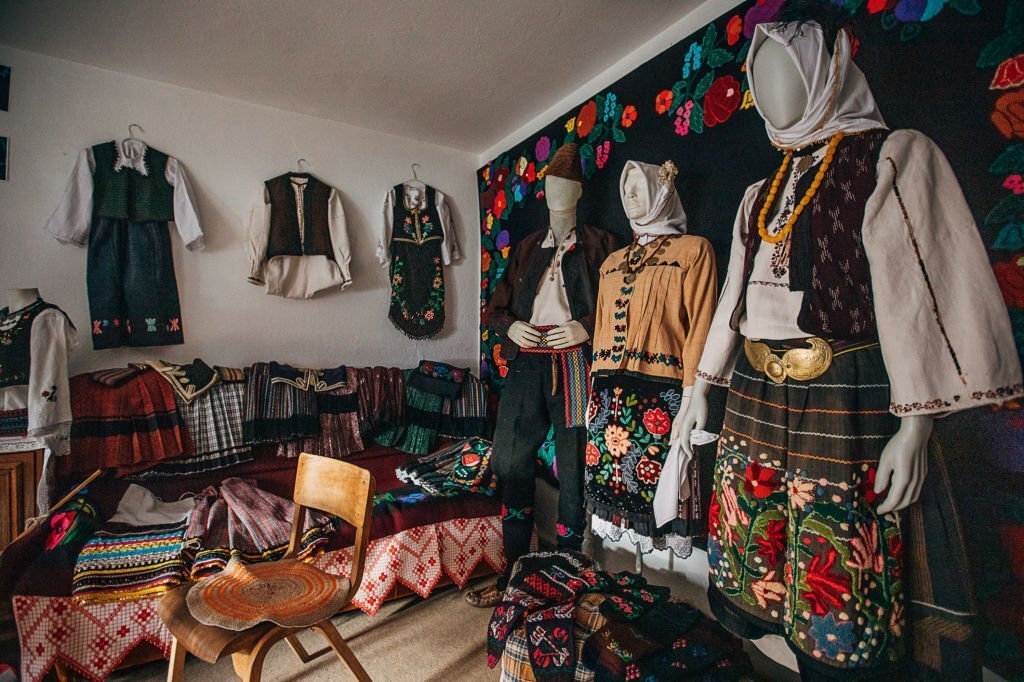
Embroidery is a globally celebrated craft that has seen a continuous surge in popularity. It’s therefore no surprise that countless individuals are choosing to launch their own embroidery businesses. The market is currently experiencing substantial growth, making it an opportune time to enter.
Setting up your own company has never been easier. Whether you begin with a dedicated spare room in your residence or opt for an even larger commercial scale, your venture has the potential for success.
🏭 Partnering with a Clothing Manufacturer
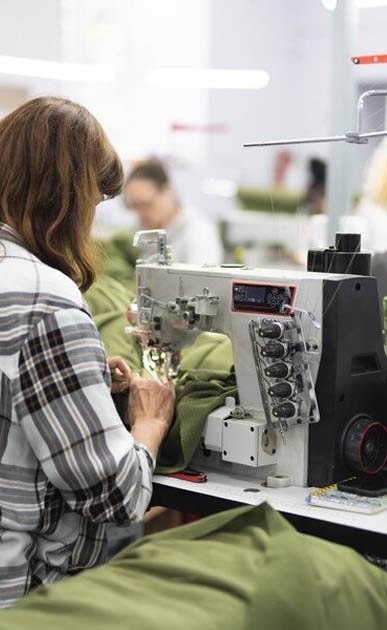
A frequent question entrepreneurs ask is how to find a reliable clothing manufacturer. These partners become essential when you need to transform your custom embroidery designs into finished apparel products on a larger scale.
Before working with a clothing manufacturer, it is critical to fully understand the embroidery process and how your own business operates. There are distinct benefits and drawbacks to outsourcing to a manufacturer, and you must carefully evaluate which option best supports your business model and goals.
While launching a clothing line or an embroidery-focused business is not without its challenges, conducting thorough research can help you establish your operation in a few key steps. Passion, desire, consistency, and a strong drive are all fundamental traits for achieving long-term success.
🌟 Compelling Reasons to Start an Embroidery Business
Even if your primary motivation isn’t a lifelong love for needlework, the profitability of the sector is often enough to capture interest. The ability to do something you genuinely enjoy every single day—is that even work? Many people only dream of a fulfilling career, and this business offers that opportunity.
For many, the most common reason for starting an embroidery company is an intense enthusiasm for the craft itself. Combining your passion with a viable business model is a recipe for personal and financial satisfaction.
📈 Growth and Profitability of the Embroidery Niche
Embroidery is ubiquitous. From corporate branding to personal fashion, virtually everyone—especially businesses—purchases decorative items. Embroidered uniforms, for example, are perceived as more refined and offer a classier, more royal appearance compared to simple replicated prints.
Crucially, embroidery is significantly more robust and long-lasting than most printing methods. Consequently, the demand for quality embroidered items is constant, not just locally but internationally.
A major attraction for many is the freedom that comes with running an independent embroidery startup. Becoming your own boss allows you to set your own schedule and dictates your work-life balance without needing to report to anyone else.
📦 Essential Supplies for Your Embroidery Business
To ensure a smooth operation and high-quality output, you’ll need to invest in the following items and infrastructure:
| Requirement | Detail |
|---|---|
| Digitizing Computer & Software | Needed to create or modify embroidery files. This may require formal training or hiring a digitizer. |
| Embroidery Designs | Purchase or develop custom designs for clients. You can use digitization software or outsource the work. |
| Packaging Materials | Durable plastic bags or secure boxes, ideally branded with your logo, for sending products to customers. |
| Storage Environment | A clean and secure storage area is vital for keeping customer goods and materials safe before and after production. |
| Top-Quality Consumables | Items like high-quality threads, needles, scissors, machine oil, and stabilizers. |
| Work Environment & Power | Ample space for sewing machines, operator seating, and a reliable, powerful electricity provision. |
| Embroidery Materials | The blank items to be embroidered, such as T-shirts, caps, visors, polo shirts, etc. You can purchase these from a trusted supplier or manufacturer. |
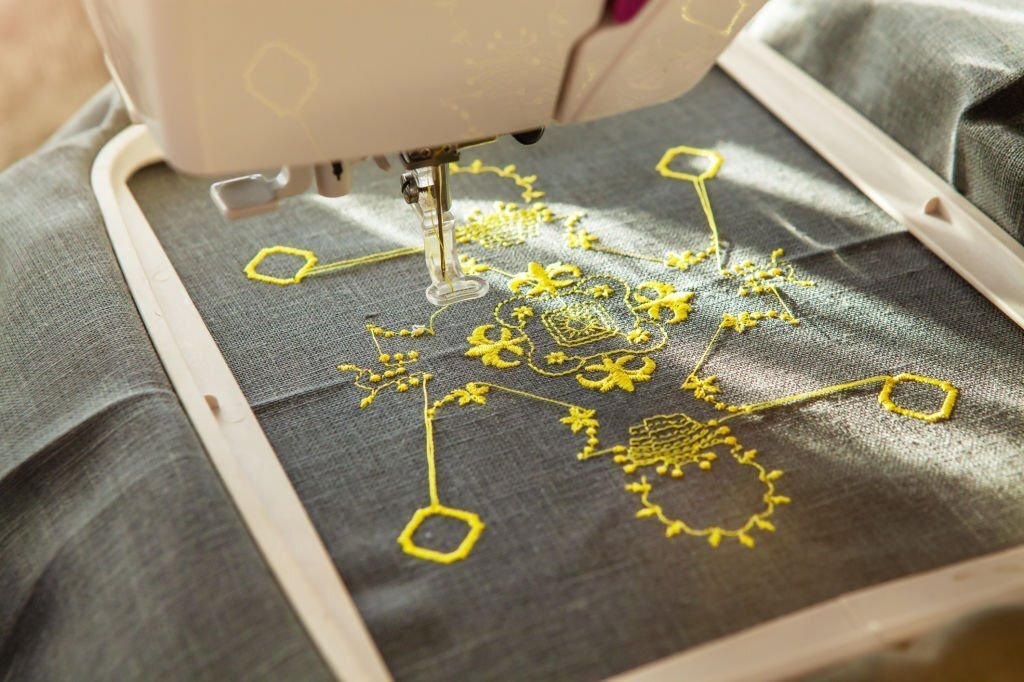
| Embroidery Machinery | The type of machine depends on your target market (e.g., single-head vs. multi-head). Consult industry experts for the ideal choice. |
🎯 Essential Skills Needed for Success
It is wise to honestly assess whether you possess the core skills required to launch and manage your firm effectively. However, lacking these skills is not a dealbreaker. It simply means you must be prepared to hire a capable team to support you, helping you grow the business and achieve your overarching goals. Key skills include machine operation, digitizing, customer service, and basic financial management.
🚀 Your 15-Step Blueprint to Starting an Embroidery Business
- Differentiate Your Brand: Make yourself stand out from the crowd with a unique value proposition.
- Industry Research: Learn all there is to know about the competitive embroidery sector.
- Equipment Investment: Purchase the appropriate commercial-grade embroidery equipment.
- Manage Workflow: Do not accept too many projects simultaneously in the early stages; focus on quality.
- Delegate Tasks: Try to delegate tasks to others, such as digitizing or accounting, to free up your time.
- Develop a Plan: Prepare a detailed embroidery business plan outlining your goals and strategies.
- Legal Compliance: Acquire all necessary permits and licenses for your area.
- Get Insured: Secure business insurance to protect against potential liabilities and losses.
- Online Presence: Develop a professional and mobile-responsive website.
- Digital Marketing: Utilize social media to market and promote your business and showcase your work.
- Set Pricing: Establish a competitive and profitable pricing structure.
- Reinvest Wisely: Spend your profits intelligently on upgrades and growth.
- Financial Discipline: Pay your bills on time to maintain good vendor relationships.
- Networking: Leverage your current connections for referrals and initial business.
- Motivated Team: Maintain a lean, highly motivated staff rather than a large, disengaged one.
✅ Ensuring Profitability and Customer Satisfaction
Reliable service is the cornerstone of any successful business. To keep your clients happy and your business thriving, you must ensure that your unit operations are streamlined and efficient. This will enable you to fulfill client demands quickly, efficiently, and courteously every single time.
❓ Frequently Asked Questions (FAQs)
Is there a high demand for embroidery services?
Absolutely. Embroidery is an ever-popular and growing pastime globally. The industry is currently experiencing substantial expansion, making it a very favorable time to start your own company.
Is an embroidery business truly profitable?
Yes, it is highly profitable! Many entrepreneurs who start with a basic 15-thread machine at home quickly scale up to multi-head commercial machines and serve a large number of clients. The low cost of core embroidery materials is a key factor in its high profitability margin.
What determines the cost to embroider a name or design?
The cost generally depends on the size and complexity of the design, which directly correlates to the stitch count. Longer names or detailed logos require more stitches, increasing the price.
How should I price my embroidery services effectively?
The ideal method is to price based on the stitch count unit. A common benchmark is that your commercial machine can sew between 20,000 and 30,000 stitches per hour. You can then establish a standard per-thousand-stitch cost (e.g., $0.68 to $1.03 per 1,000 stitches) based on your labor, overhead, and material costs.
Where can I find blank apparel for embroidery?
You can source materials like t-shirts, caps, and polo shirts directly from a wholesale clothing manufacturer or a specialized blank apparel supplier.