Why Start a Fitness Clothing Brand?
Step 1: Define Your Niche and Target Audience
Before investing in design or production, identify your unique selling point (USP) in the fitness apparel market. Are you targeting yogis, runners, gym enthusiasts, or a specific demographic like women, plus-size athletes, or eco-conscious consumers? Understanding your audience helps you create products they’ll love and communicate with them effectively.
Step 2: Develop Your Brand Identity
Your brand goes beyond a logo. It includes your mission, values, voice, and visual style. Consider:
- Brand Name & Logo: Should be memorable and represent your vision.
- Brand Story: Why did you start this journey? Customers connect with authentic stories.
- Visual Identity: Choose a color palette and fonts that reflect your brand’s energy.
Step 3: Design Your Fitness Apparel Collection
The design process transforms your ideas into real, market-ready products. Key considerations include:
- Functionality & Comfort: Use moisture-wicking, stretchy, and durable fabrics.
- Style & Trends: Monitor market trends but aim for timeless appeal.
- Size Inclusivity: Offer a wide range of fits to attract more customers.
Step 4: Choose a Reliable Clothing Manufacturer
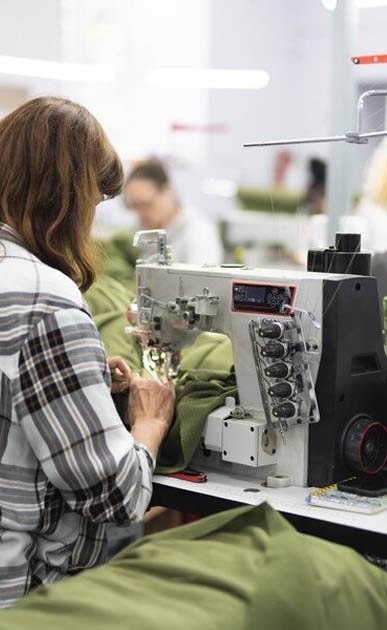
Quality manufacturing is the backbone of a successful activewear brand. Look for partners with expertise, modern facilities, and flexible order quantities. If you’re seeking a trusted supplier for your brand, consider working with a professional clothing manufacturer like Ludyway.
- Flexible low MOQ (from 50 pieces)
- Batch and custom orders
- Strict quality control and international standards
- End-to-end service: design, sample making, production, and global logistics
Discover more about Ludyway as your potential clothing manufacturer.
Step 5: Sample Development and Testing
Before mass production, order samples to test fit, comfort, and quality. Share feedback with your manufacturer for adjustments. Ludyway, for example, provides free pre-production samples for bulk orders, ensuring you’re satisfied before proceeding.
Step 6: Set Up Your Business and Legal Framework
Register your business, secure trademarks for your brand name/logo, and ensure you comply with local and international regulations. Set up accounting, inventory management, and contracts with suppliers like your chosen clothing manufacturer.
Step 7: Build an Online Store and Brand Presence
Launch a mobile-friendly e-commerce website (Shopify, WooCommerce, or BigCommerce are popular choices). Your online store should feature:
- High-quality product photos and descriptions
- Size guides and material details
- Clear shipping and return policies
- Social proof: customer reviews and influencer testimonials
Invest in SEO, paid ads, and social media marketing (Instagram, TikTok, Pinterest) to attract and engage your audience.
Step 8: Plan Your Inventory, Fulfillment, and Logistics
Decide whether you’ll use in-house fulfillment, third-party logistics, or direct shipping from your manufacturer. Ludyway supports global logistics, helping brands ship efficiently to markets like the US, Canada, UK, and Australia.
Step 9: Launch and Promote Your Fitness Clothing Brand
Organize a launch campaign using:
- Social media collaborations with influencers and personal trainers
- Introductory discounts or giveaways
- Email marketing to build customer loyalty
- Press releases and features on fitness blogs
Monitor feedback and sales to iterate quickly on your products and strategies.
Step 10: Scale and Sustain Your Business
Once you have traction, focus on scaling through:
- Expanding product lines (jackets, sweatshirts, accessories)
- Entering new markets and retail partnerships
- Investing in advanced marketing (SEO, PPC, influencer collaborations)
- Improving supply chain and inventory management
Partnering with an experienced clothing manufacturer like Ludyway ensures you’re always ready to meet growing demand.
- Know your niche and build a strong, authentic brand.
- Partner with reliable manufacturers for quality and flexibility.
- Test, iterate, and listen to customer feedback to improve your offerings.
- Invest in digital marketing and customer experience for long-term growth.
Frequently Asked Questions (FAQ)
Startup costs vary based on design, manufacturing quantity, and marketing. With low MOQ manufacturers like Ludyway, you can start with as little as 50 pieces per style, making it affordable for small businesses.
Not necessarily. You can hire freelance designers or work with manufacturers who offer design support. Ludyway, for example, helps translate your ideas or tech packs into finished products.
Sample development usually takes 7-15 days. Bulk production can range from 15-45 days depending on order size and complexity. Always confirm lead times with your manufacturer.
Ludyway offers flexible MOQs, fast turnaround, stringent quality control, and comprehensive support from design through delivery, making them ideal for both startups and established brands.
Work with manufacturers who follow international guidelines and provide technical audits and quality checks for every batch. Ludyway conducts rigorous testing to meet customer requirements worldwide.