Why Every Clothing Brand Needs a Solid Business Plan
Launching a clothing business without a written plan is like navigating uncharted waters without a map. A well-crafted business plan helps you define your brand identity, attract investors, and set achievable milestones that guide your company toward long-term success. Whether you’re a startup or an established brand looking to expand, a clothing line business plan is an indispensable tool.
In this comprehensive guide, compiled by experts at Ludyway clothing manufacturer, you’ll learn exactly how to write a powerful business plan for your clothing line — including a full structure, key considerations, and a practical sample template.
Do You Really Need a Business Plan for Your Clothing Brand?
Technically, you can start operating a small clothing business without a formal written plan. However, if you’re serious about growth, investor funding, and long-term brand development, a business plan becomes essential. Here’s why:
- Define Your Brand Identity: A business plan helps clarify what your brand stands for, how it positions itself in the market, and what makes it uniquely appealing to customers.
- Attract Investors: Investors want evidence of a clear strategy before committing funds. A comprehensive plan demonstrates your goals, market research, and growth roadmap.
- Set Measurable Goals: Written milestones for the next 1, 5, and 10 years keep your team focused and accountable, reducing the risk of losing direction.
Is Writing a Clothing Line Business Plan Difficult?
Many aspiring fashion entrepreneurs feel intimidated by business plans, particularly sections involving financial projections and market analysis. The truth is, with the right structure, research, and attention to detail, creating a clothing business plan is far more manageable than it appears. Follow the proven framework below to simplify the process.
Clothing Line Business Plan Structure: Complete Sample Template
1. Company Overview and Executive Summary
This foundational section provides stakeholders with a snapshot of your business. It covers your brand’s identity, leadership, and strategic vision, making it the first section most investors will read — and the one that shapes their initial impression.
1.1 Company Overview
Include your brand statement — what your clothing line offers and what makes it distinctive from competitors. Clearly articulate your company mission, whether that involves global expansion, eco-conscious production, or inclusive sizing. Define your core values so stakeholders immediately understand your ethical foundations and business philosophy.
1.2 Executive Summary
Detail your leadership team’s roles, qualifications, and professional backgrounds. Outline your management structure, salary policies, and how performance oversight will be handled — whether directly by the owner or delegated to skilled managers.
2. Products and Services
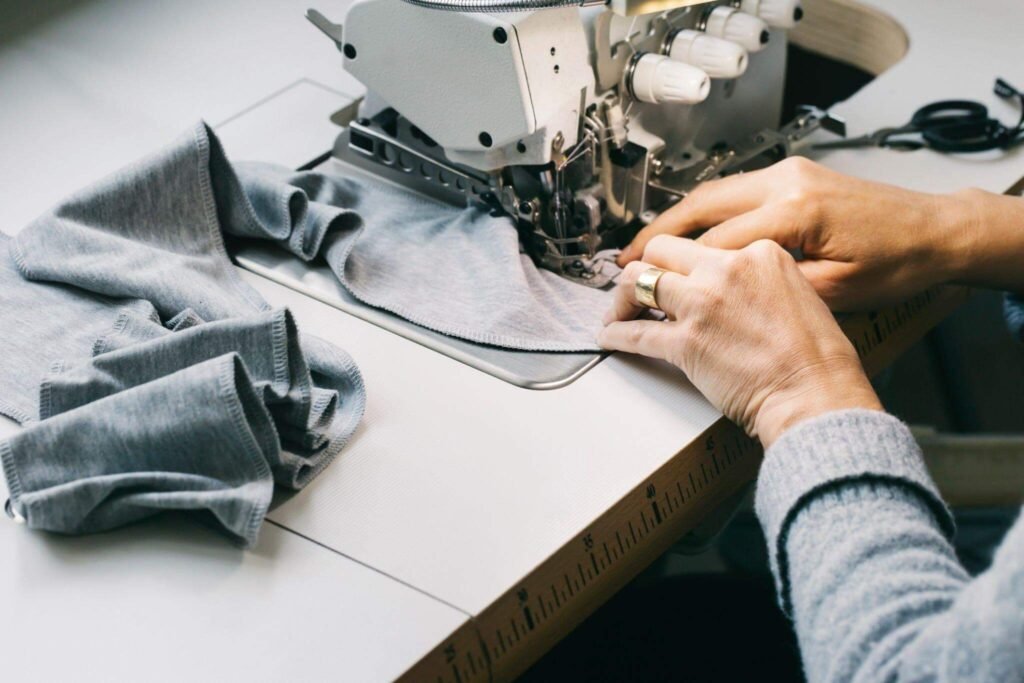
This section showcases your primary revenue sources. Be specific about your clothing product categories, the fabrics and materials used, manufacturing techniques, and the services you offer to both business and consumer clients.
Highlight feature benefits — why your products stand out in terms of comfort, sustainability, design innovation, or affordability. Include your product development roadmap, detailing how your line will evolve using new technologies and materials over the short, mid, and long term.
For quality manufacturing partners who use premium sustainable fabrics and proven production methods, exploring options like Ludyway clothing manufacturer can significantly enhance your product’s appeal.
3. Market Overview
A thorough market overview demonstrates that you understand the competitive landscape and have identified your ideal customer. This section should cover:
- Market Analysis: Conduct a SWOT analysis of key competitors, identifying their strengths, weaknesses, and strategies.
- Target Customer: Define your customer demographics including age, gender, location, income level, purchasing habits, and lifestyle preferences.
- Marketing Strategies: Outline your plan for organic and paid marketing, social media presence, email campaigns, and international digital outreach.
- Marketing Investment Metrics: Specify KPIs and performance metrics to track ROI on marketing spend and customer conversion rates.
4. Sales Strategies
Your sales strategy must clearly connect your pricing model, revenue generation tactics, and growth targets.
- Pricing Strategies: Detail your cost analysis, justify your price positioning relative to the market, and outline how pricing may adjust under various scenarios.
- Sales Plan: Include accepted payment methods, distribution channels (physical store, e-commerce, wholesale), staffing needs, and promotional tactics.
- Sales Goals: Use charts and data to project quarterly and annual revenue targets, profit margins, and growth benchmarks.
5. Competitive Assessment
Analyzing competitors and your own brand’s position is critical for strategic planning. Use the classic SWOT Framework:
- Strengths: What competitive advantages does your brand have — ethical sourcing, unique designs, free shipping, or superior fabric quality?
- Weaknesses: What barriers may prevent customers from choosing your brand? Address them proactively with solutions.
- Opportunities: Are there untapped markets or emerging fashion trends you can leverage?
- Threats: What external risks — established competitors, supply chain issues, or budget constraints — could impact your business?
6. Production Schedule
Aligning your production with the fashion calendar is vital. Here is a reference guide to the six key fashion seasons:
- Spring: Development May–Aug | Sell Aug–Oct | Production Oct–Jan | Delivery Jan–Mar
- Summer: Development Jul–Sep | Sell Oct–Jan | Production Dec–Feb | Delivery Mar–May
- Fall: Development Oct–Dec | Sell Jan–Mar | Production Apr–Jun | Delivery Jul–Aug
- Winter: Development Dec–Jan | Sell Mar–Apr | Production Jun | Delivery Sep
- Holiday & Resort: Development Feb–May | Sell May–Aug | Production Jul–Sep | Delivery Oct–Jan
Your production schedule should also include delivery logistics, cost-effective shipping strategies, and contingency plans for potential delays.
Working with a reliable clothing manufacturer with short lead times — such as 7 to 20 days — greatly reduces the risk of missing critical delivery windows.
7. Financial Assessment and Projections
This is where your business plan proves its viability. Cover these five essential financial components:
- Upfront Investments: Equipment, warehouse, showroom rental, marketing setup, fabric sourcing, and labor costs.
- Fund Allocation: A transparent breakdown of how capital will be spent, ideally presented with charts or tables.
- Cash Flow Projections: Expected inflows and outflows over specific periods, accounting for rent, salaries, returns, and reinvestments.
- Income Projections: Detailed estimates of price points, sales volumes, and gross and net profit margins.
- Balance Sheets: Estimated financial position at defined intervals, capturing all assets, liabilities, and equity. Consider hiring a professional accountant as your business scales.
Key Tips When Writing Your Clothing Brand Business Plan
Avoid Overestimation: Present realistic, fact-based projections. Overly optimistic numbers can raise red flags with experienced investors and undermine credibility.
Include Both Strengths and Weaknesses: Investors expect honesty. Acknowledging challenges shows maturity and preparedness, while a plan that lists only positives appears suspicious.
Keep the Plan Updated: As your brand hits milestones and the market evolves, revisit and revise your business plan regularly to stay aligned with your goals and keep investors informed.
Partnering With the Right Manufacturer Is Part of Your Business Plan
A great clothing line business plan is only as strong as the partners supporting its execution. Choosing a trusted, quality-focused clothing manufacturer like Ludyway ensures your production goals, sustainability commitments, and delivery timelines all align — giving your business plan real-world strength.
From private labeling and cut-and-sew services to fast turnaround and sustainable fabric sourcing, Ludyway provides the manufacturing backbone that transforms a well-written business plan into a thriving brand.
Frequently Asked Questions
Do I need a business plan to launch a clothing line?
While not legally required, a business plan is strongly recommended. It provides direction, helps secure investment, and keeps your team focused on measurable goals as your brand grows.
What should a clothing line business plan include?
A complete clothing business plan covers your company overview, products and services, market analysis, sales strategies, competitive assessment, production schedule, and financial projections.
How do I conduct a SWOT analysis for my clothing brand?
Identify your brand’s internal strengths and weaknesses, then examine external opportunities and threats in the market. Be honest and fact-based to gain genuine insight and credibility with investors.
How often should I update my clothing line business plan?
Review and update your business plan at least annually, or whenever you hit major milestones, enter new markets, or face significant changes in the competitive landscape.
How does choosing a manufacturer affect my business plan?
Your manufacturing partner directly impacts production timelines, quality consistency, and cost projections. Partnering with a reliable clothing manufacturer like Ludyway strengthens your plan’s credibility and execution potential.