What is Lace Fabric? A Guide to Types, Features, and Uses
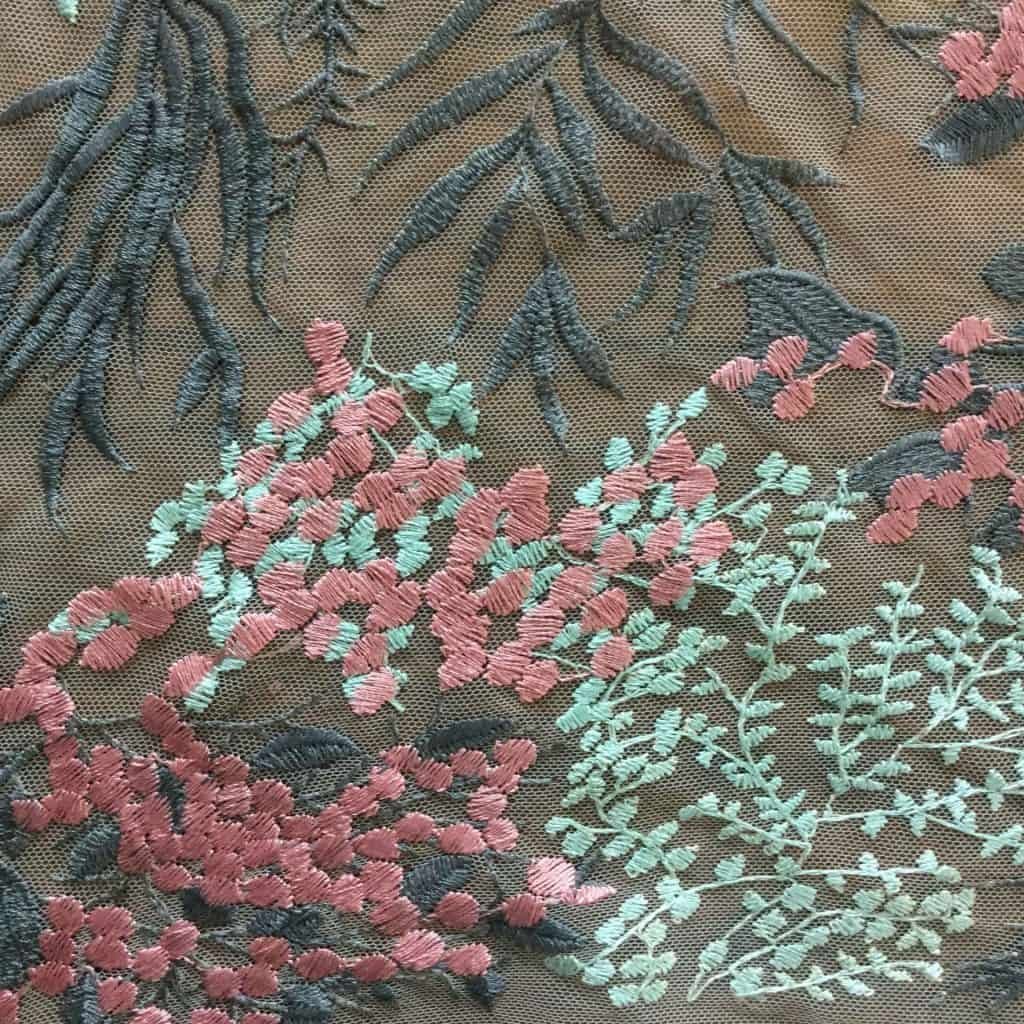
Lace is a weblike fabric with intricate patterns of holes and threads. People can make it by hand or machine, using different methods and materials.
Lace fabrics are very popular nowadays, especially in the fashion industry. It can create various styles and effects, from elegant and sophisticated to casual and playful.
Lace has a long history that started in the Renaissance era. It may have come from Italy, Flanders, ancient Egypt, or the Middle East. Lace-making became a global craft by the 20th century, with China and Europe as significant makers.
This article will tell you more about lace fabric, its types, features, and uses. Lace can help you create different looks, from romantic to vintage to modern. Keep reading to learn more about this beautiful and versatile fabric.
What is lace fabric?
Lace is a fabric that has a feminine and elegant look and is breathable, sheer, and delicate. These features make it appealing to fashion designers and brands. It also stretches horizontally to fit different shapes and sizes. Lace was once a luxury symbol with various cultural and symbolic meanings.
Lace can add texture and interest to your clothing line. It can also complement other fabrics like silk, cotton, or velvet. This helps you create the look you want for wedding dresses, shawls, garments, or accents.
Types of lace fabrics
Understanding how the different types of lace fabric are made and their features is necessary to choose the best one for your fashion project. Lace fabric has many varieties that have different qualities and features.

Needle Lace
Needle lace uses a needle and thread to create complex and detailed designs. It is the oldest, most flexible, and most refined lace fabric, beautiful but time-consuming. It makes a unique and luxurious garment.

Bobbin Lace
Bobbin lace uses bobbins and a pillow to weave threads together with pins. It can create delicate and intricate designs like Chantilly lace, famous for bridal wear and accessories. Hand-made bobbin lace is more valuable and rare.
Chemical Lace
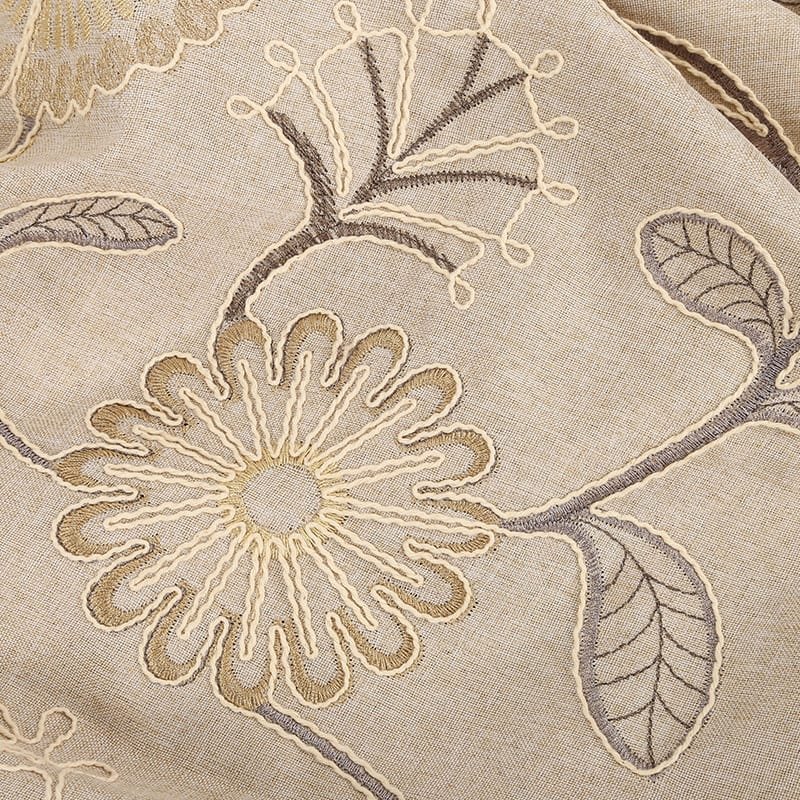
Chemical lace is machine-made with a soluble fabric backing that dissolves after embroidery. It is easier and faster than hand-made lace and can be called imitation or Schiffli lace. It can decorate or add texture to garments.
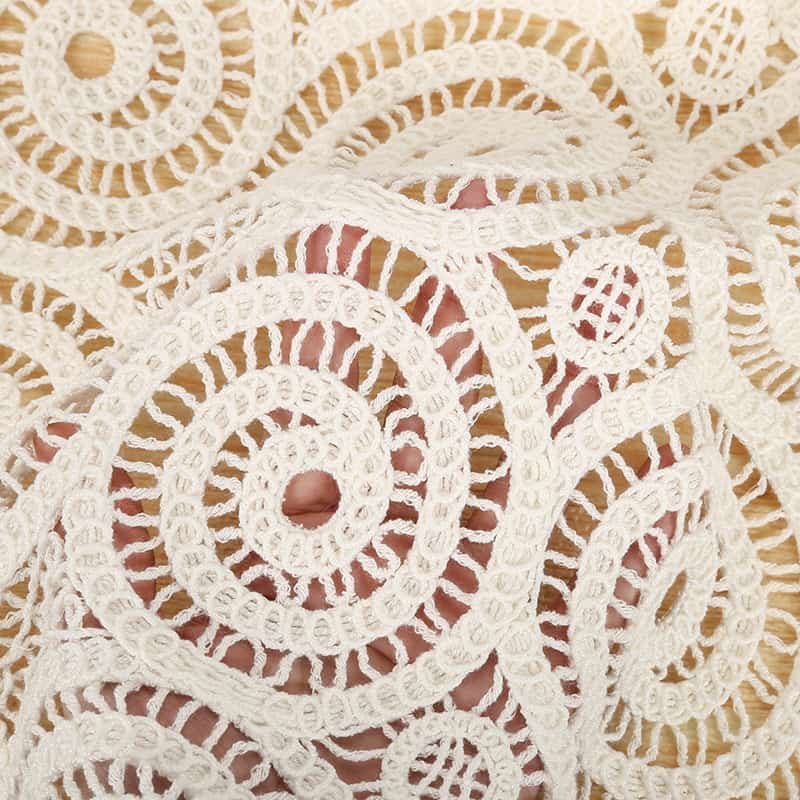
Crochet Lace
You can loop and knot yarns with a hook to make crochet lace. It can create stunning patterns that add charm and warmth to your clothing. It is easy and fun to make.
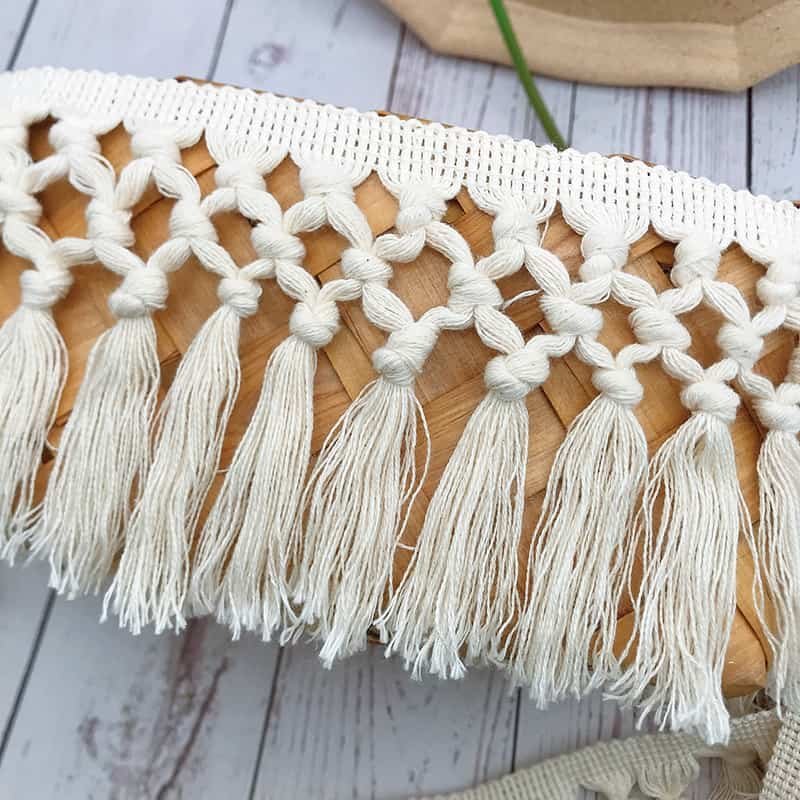
Knotted Lace
Knotted lace is a solid and hole-free lace made with knots. It has different types, such as macramé and tatting, which use cords, yarns, a shuttle, or a needle. A famous example is Armenian needle lace, which has small loops and knots of thread.
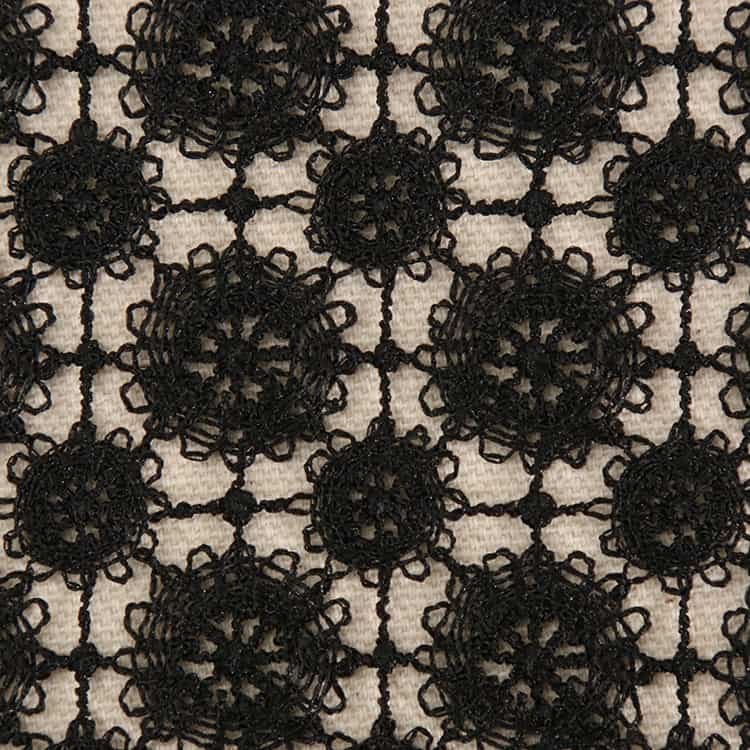
Knitted Lace
Knitted lace uses knitting needles to create patterns, such as Shetland, Estonian, and Orenburg lace. It is very fine and lightweight, adding elegance and warmth to your clothing.

Tape Lace
Tape lace uses tape as the base and adds a needle or bobbin lace to it. It produces delicate and intricate patterns for tablecloths and curtains. People call it Honiton lace in America and Batten or Battenburg lace in China.
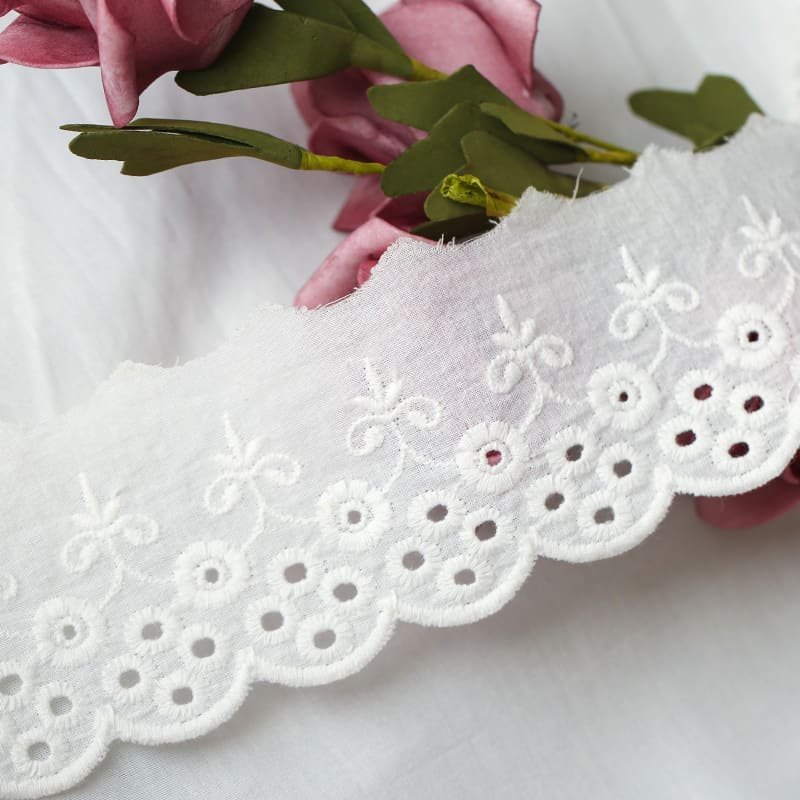
Cutwork or Whitework
Cutwork or whitework creates lace patterns by removing and embroidering threads from fabric. It can make intricate designs for linens and garments. It can also cut and edge holes and spaces from lace fabric.
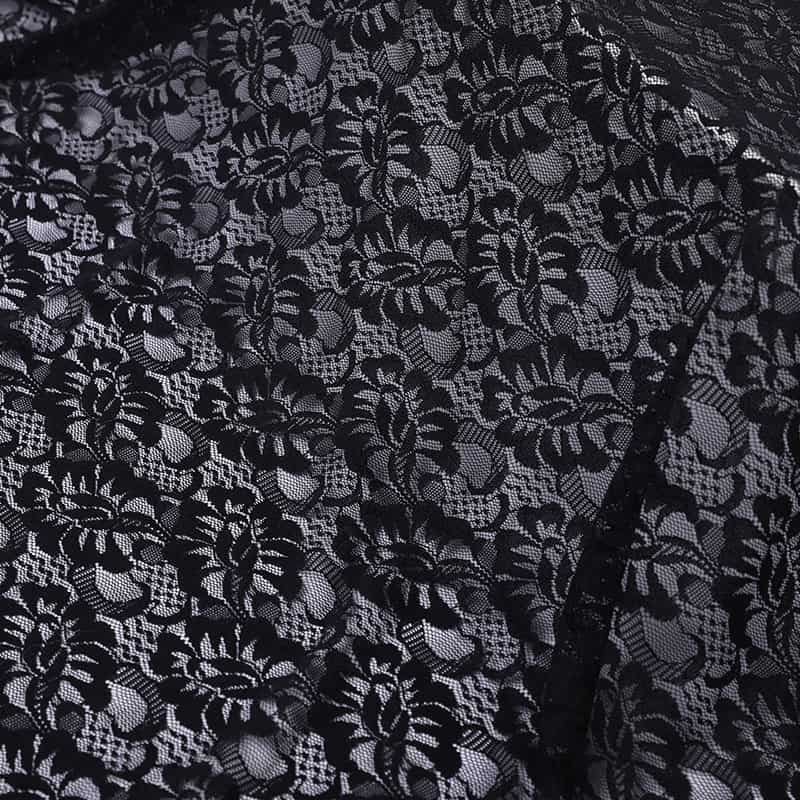
Sheer Lace
Sheer lace has more holes than fabric, making it transparent and airy. It creates delicate and graceful patterns for bridal wear and lingerie. It needs a backing fabric for apparel or other purposes, as it can be too revealing or fragile.
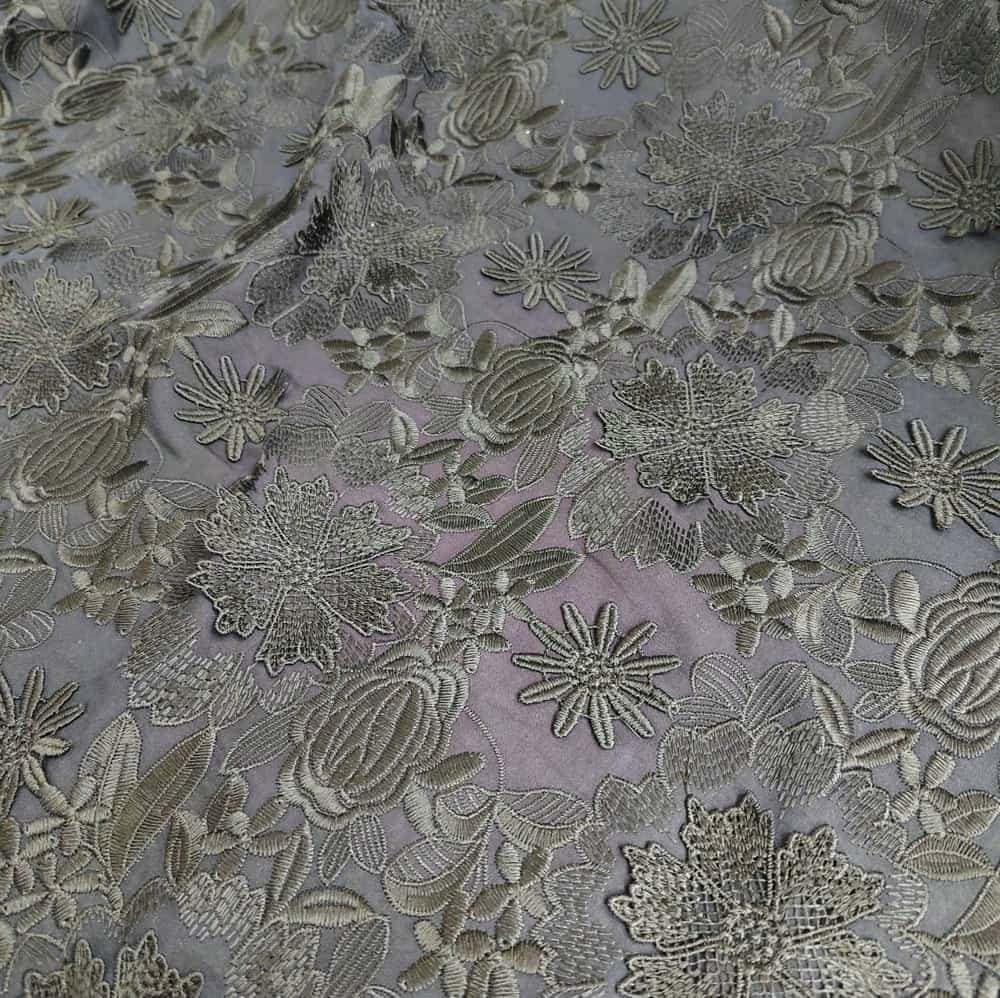
Fully Patterned Lace
Fully patterned lace has more fabric than holes, making it less transparent and more substantial. It creates bold and complex patterns for jackets and coats and does not need a backing fabric for apparel or other purposes.

Corded Lace
Corded lace has thicker threads than most other types of lace fabric. It creates textured and dimensional patterns for evening and formal wear, with different effects depending on the cords.
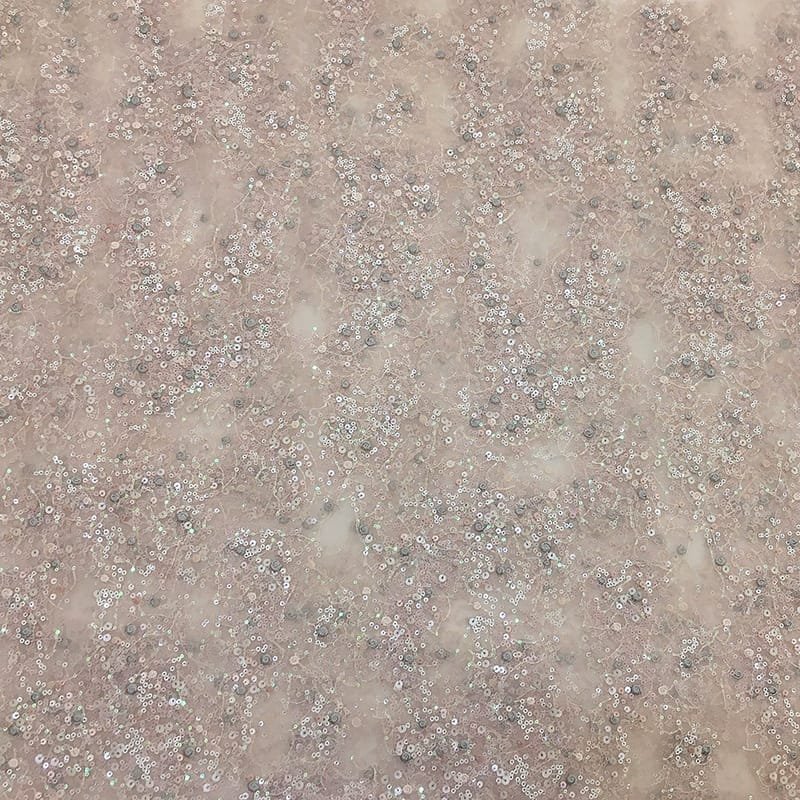
Beaded Lace
Beaded lace has sequins or beads sewn or woven into the lace. It creates sparkling and glamorous patterns for special occasions and festive wear.
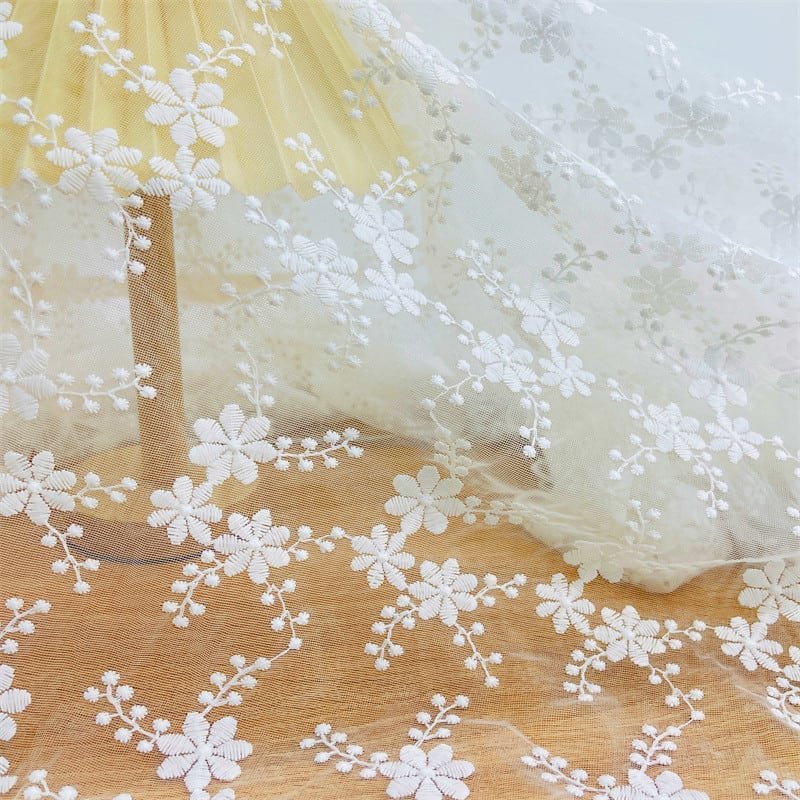
Limerick Lace
Limerick lace is crochet or embroidery on a net or mesh. It makes simple or fancy patterns for collars and cuffs. It can spice up your clothes, like shirts, blouses, or dresses.
Machine-Made Lace
Machine-made lace is a needle lace made by a machine. It can create complex and delicate designs that are hard to hand-make. Machine-made lace is cheaper and more common than hand-made lace.
The production process of lace fabrics
Lace is a complex and beautiful textile that requires skill and attention to detail, as it affects the quality and appearance of the lace fabric. Here’s how lace fabric is made:
Preparation of yarns
Getting the yarns ready is the first step for weaving or knitting the lace textile. The lace fabric’s look, feel, and strength depend on whether the yarns are linen, silk, cotton, or synthetic fibers. The yarns are dyed before or after weaving or knitting using different methods. The yarns’ color and luster affect the lace textile’s texture and pattern.
Designing the pattern
The second step in making lace fabric is designing the pattern to be embroidered on the fabric. The lace fabric is characterized by its open weblike structure, which can be made by machine or hand using different techniques. The pattern affects the style and complexity of the lace fabric.
Weaving the fabric
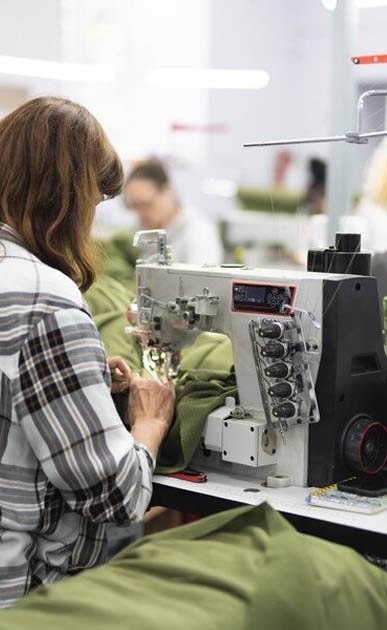
The final step in making lace cloth is to weave or knit the fabric embroidered with the pattern. Lace fabric can be made using a knitting or weaving machine. Lace cloth has a small width, so weaving methods are different, and there are single and double layers of fabric. The lace cloth is then finished to improve its quality and appearance.
Uses of lace textiles
Fashion Industry
Lace fabric adds grace and femininity to dresses, shawls, lingerie, and festive outfits. It can also spice up any garment with trimmings, appliques, or brooches. Designers and clothing brands can use lace fabric to create different looks for different seasons and occasions.
Home Decor
Lace fabric brings charm and elegance to lampshades, tablecloths, curtains, and pillows. Its soft and warm texture can also make any room cozy and romantic. You can use lace fabric to match any home decor product’s color scheme or theme.
Bridal Wear
Lace fabrics are a popular choice for bridal wear because it is romantic and sophisticated. It flatters the bride’s features and silhouette with its sheer and airy quality. It adds sparkle and glamour with beaded or sequin embellishments on the dress, veil, shawl, or accessories.
Conclusion
Lace textiles are a key fabric in fashion. It has fine and complex patterns that make classy and fancy clothes and home items. But having lace fabric takes work. It takes a lot of care and skill and can be pricey.
If you want a flexible and elegant material that can boost your style and value, lace fabric is a good choice! You can find different types, colors, and patterns of lace fabric. It’s no surprise that this fabric never goes out of style.