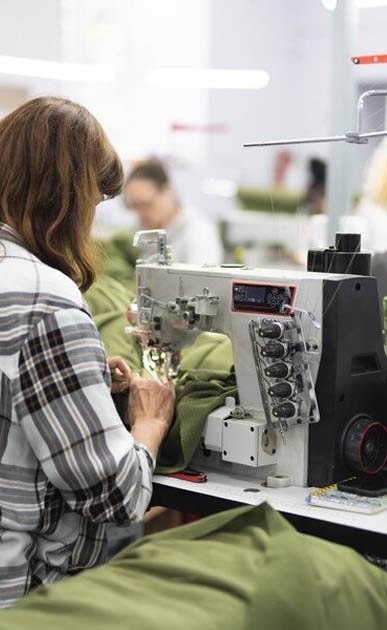
Complete Guide to Leather Fabric: Characteristics, Types, and Uses
Many people love leather for its durability and flexibility. From leather heels to jackets, the fabric has been used in different ways for over 7,000 years. Today, it remains a very popular fabric.
The first fabric made by human hands is said to be leather fabric. Humans have used animal skins for clothing. But these were untreated skins. The earliest treated leather item emerged around 5,000 BC. And it was just around 400 BC that the leather was tanned with tannins. It has since significantly evolved over time.
Leather is one of the most preferred fabrics today. It is also one of the most diversified fabrics due to its availability in different styles, colors, and grades.
What is Leather Fabric?
Leather fabric is commonly used in making clothes and accessories. It is made from hides or animal skins. These animal skins can come from horses, cows, bulls, and goats. Different leathers come from different treatment techniques and types of animals.
Leather fabric is created through a tanning process that converts raw animal skins into a flexible and long-lasting material. One of the unique characteristics of leather fabric is its natural grain pattern. Also, it is a durable and versatile fabric that has been used in various ways.
The versatility of leather fabric makes it suitable for different applications. It is usually used for accessories, jackets, bags, and shoes. It is also used for furniture upholstery, wall coverings, and decorations.
Types of Leathers
Leather fabrics have different types with unique characteristics. Here are the types of leather fabric available:
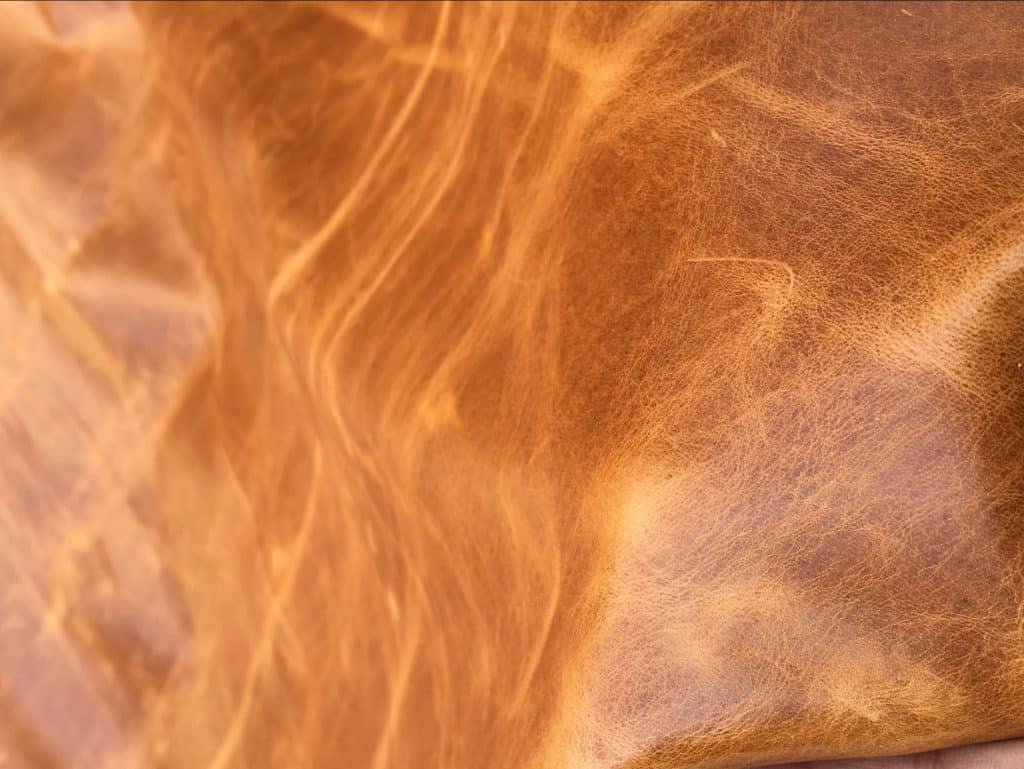
Full-grain leather
It is the highest quality and most durable type of leather. It retains the natural grain and imperfections of the animal skin. Thus, it gives an authentic appearance.
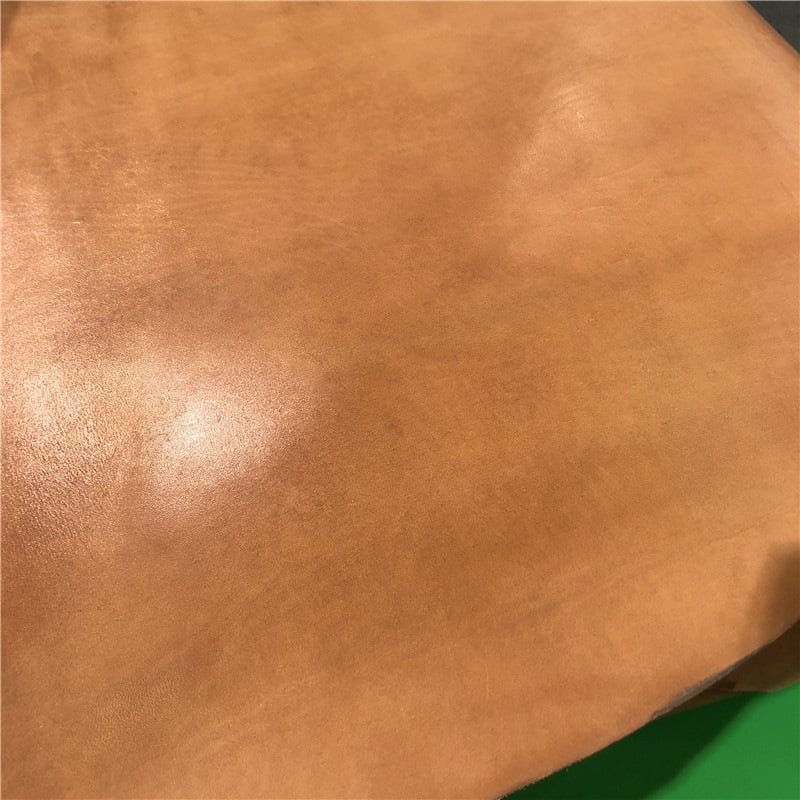
Top-grain leather
It is the second-highest leather grade. It is similar to full-grain leather but undergoes additional processes to remove surface imperfections and create a more uniform appearance.
It is slightly less durable than full-grain leather but is still highly used for its smooth texture, quality, and durability.

Split-grain leather
It is derived from the lower layers of the animal skin. It is less durable and has a slightly different appearance compared to full-grain and top-grain leather. It is often used for suede fabrics, which have a soft and fuzzy texture.
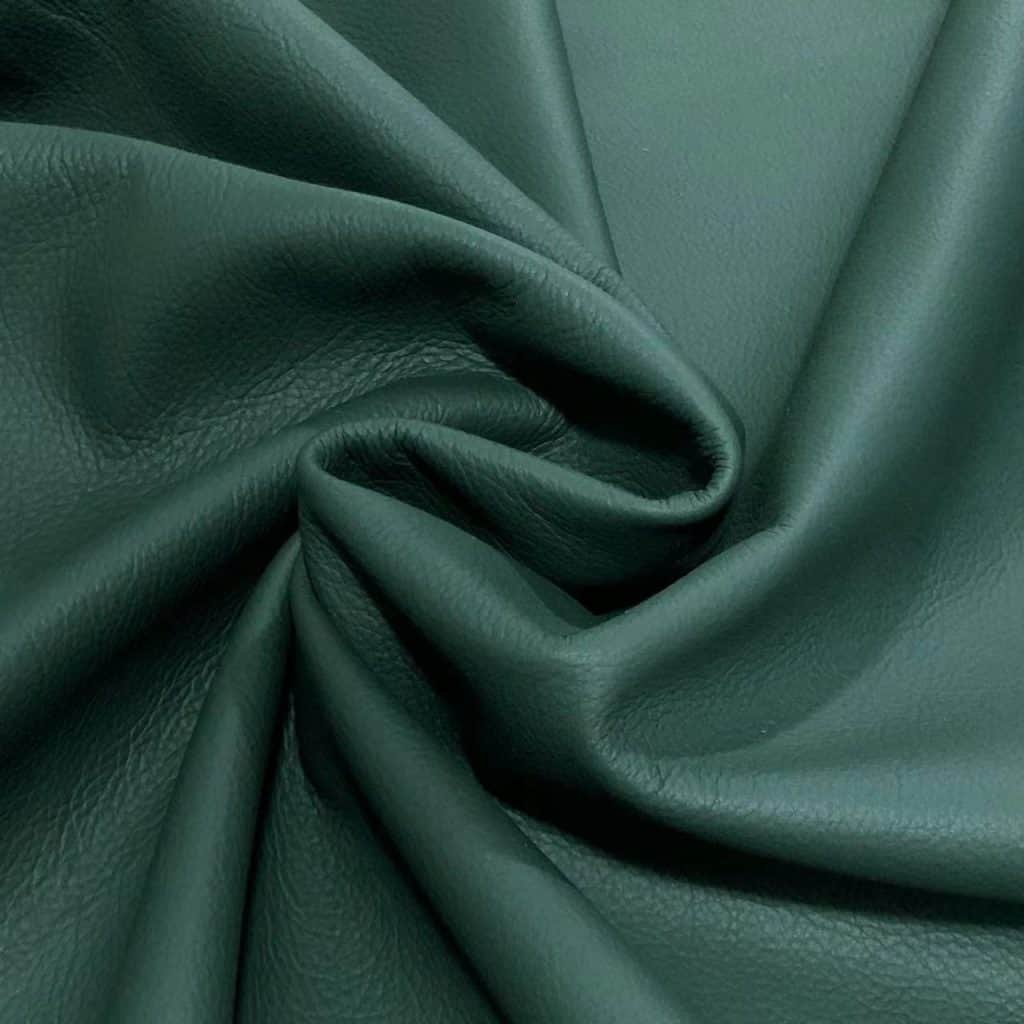
Corrected-grain leather
This type of leather is subjected to abrasive treatments to remove flaws in the grain. It is then embossed with a new grain pattern for a more uniform look. It is often used in furniture upholstery and is more affordable than full-grain or top-grain leather.
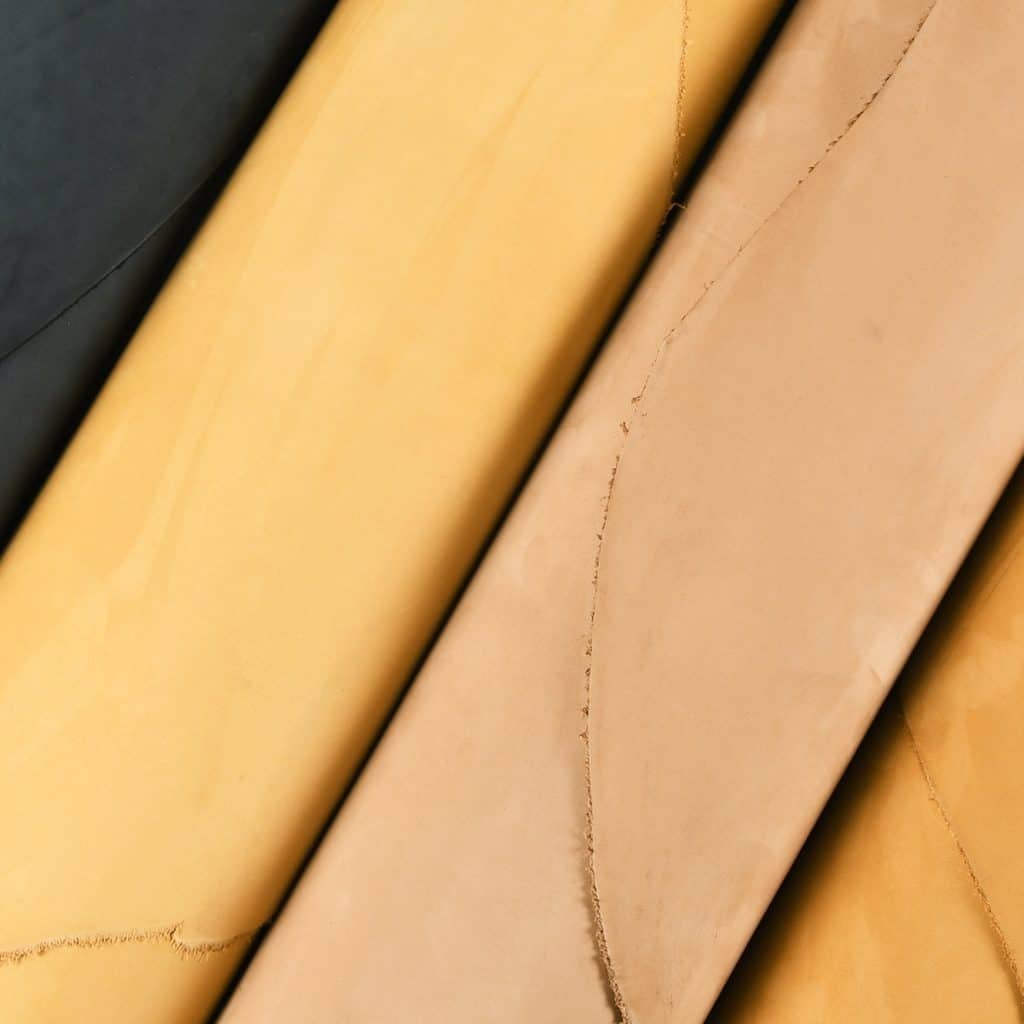
Nubuck Leather
Nubuck Leather has a velvety texture. It is created by smoothing the outer surface. It has a luxurious softness and feel. It is usually used in footwear and accessories.
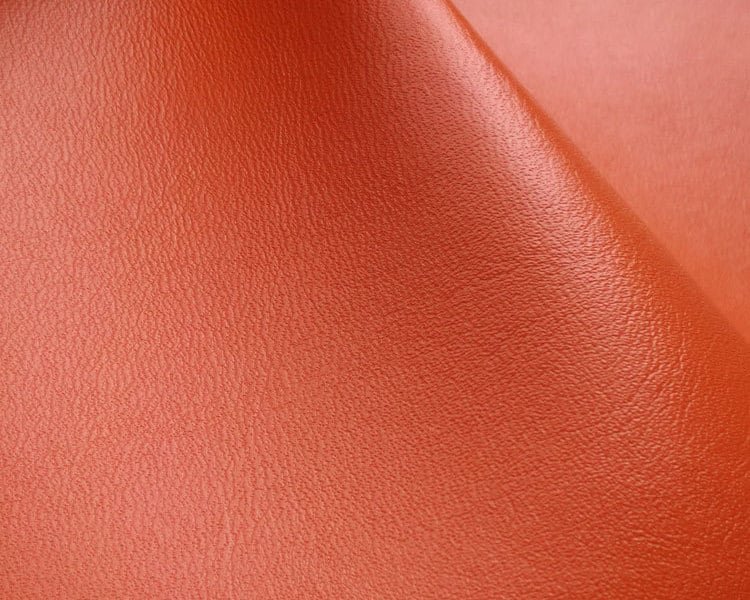
Napa Leather
Napa leather is full grain leather typically made from lamb, kid or sheepskin. It’s very soft, smooth and strong.
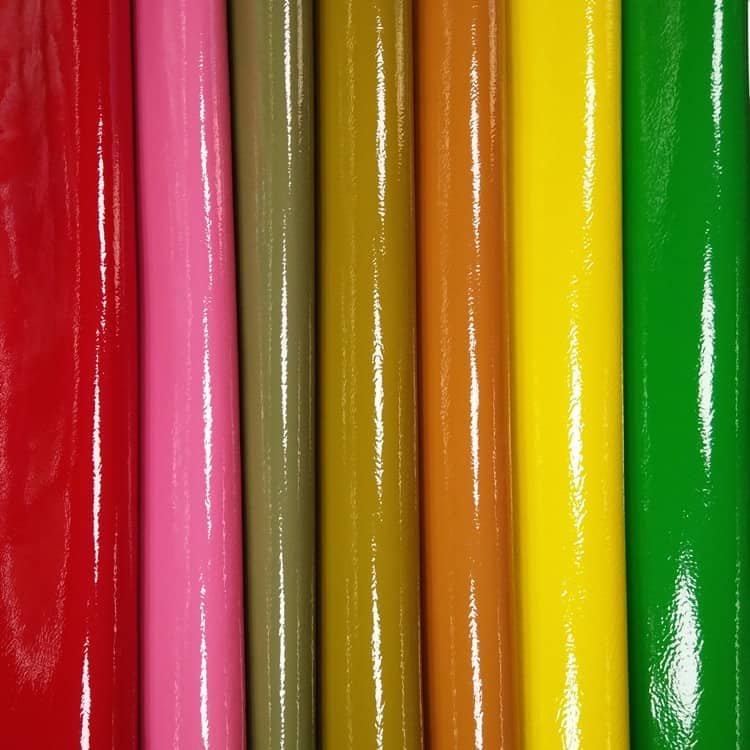
Patent Leather
It is coated with a glossy finish. Thus, it has a shiny and reflective look. It is usually made from corrected-grain leather and is stiffer than genuine top-grain leather. It is commonly used in shoes, handbags, and accessories.
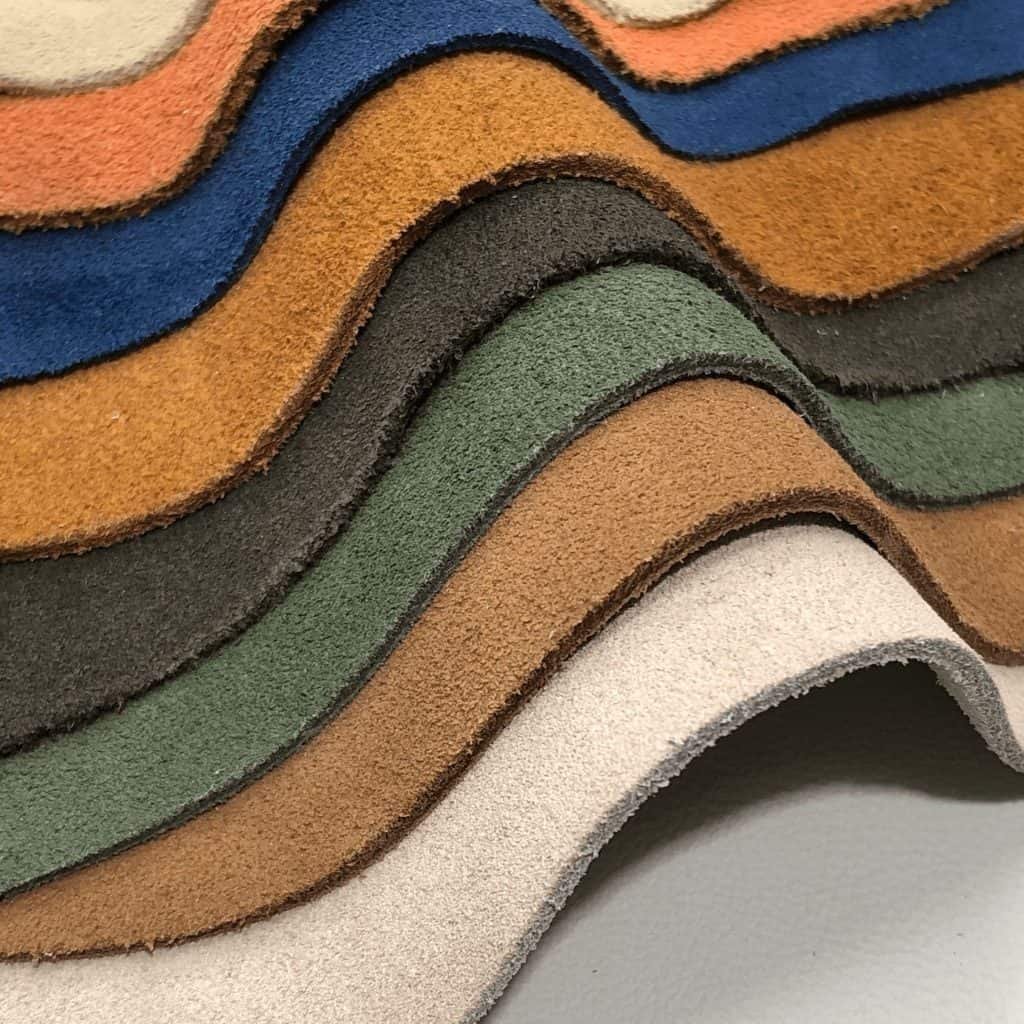
Suede
Suede leather commonly made with young animal skins. It has a smooth, napped appearance.
How Leather Fabric is Made
Leather fabric is made by tanning and treating raw animal skins. The tanning process converts raw animal skins into a durable and flexible material that can be used for various applications.
Preparation for tanning
The first step involves preparing the hides for tanning. This includes removing any flesh, fat, or hair from the hide. The hides are soaked in water to rehydrate them and make them more elastic for further processing.
Preservation
After preparation, the animal skins undergo a curing process to prevent decay and preserve them. Different methods can be used for preservation, such as salting, drying, or chemical treatments.
Soaking
The cured animal skins are then soaked in water to remove the remaining salts or dirt. This process also helps to rehydrate the hides and prepare them for the tanning agents.
Tanning
It is the crucial step that converts raw animal skins into leather. Tanning is applied to stabilize the proteins in the animal skins. There are two types of tanning.
a. Vegetable Tanning
This traditional method uses tannins from plant materials to tan the animal skins. It is a slower process, but it results in more natural and environmentally friendly leather.
b. Chrome Tanning
This is a faster and more widely used method that uses chromium salts to tan the hides. It produces a softer and more pliable leather with excellent color retention.
Finishing
After tanning, finishing treatments are applied to enhance its appearance. These treatments may include dyeing, embossing, or coatings to achieve the desired textures and colors.
Drying
After finishing, it is dried to remove excess moisture. Drying can be done by air or using specialized drying methods. After drying, oils or waxes can be applied to restore its softness and suppleness.
Uses of Leather Fabric
Fashion
Leather fabric is famous in the fashion industry. It is used in garments and footwear, including pants, skirts, jackets, and vests, as well as shoes, boots, handbags, belts, and wallets.
Upholstery
This fabric is used in furniture pieces like chairs, sofas, and ottomans. It is also used in automotive upholstery, including car seats, door panels, armrests, and steering wheel covers.
Accessories
Leather fabric is used in producing different accessories such as keychains, jewelry, watch straps, phone cases, and laptop sleeves.
Bags
Leather is famous for bags and luggage because it is durable and can withstand wear and tear. Leather bags, backpacks, briefcases, and travel bags have stylish looks and long-lasting quality.
Home Decor
Leather fabric is used in home decor items to add sophistication and luxury. It is used in producing decorative pillows, rugs, wall coverings, and even lampshades.
Sporting Goods
Leather fabric is used in sports equipment such as gloves, baseballs, footballs, and boxing gear, among others. Its flexibility and durability make it suitable for these purposes.
Advantages and Disadvantages of Leather Fabric
Leather fabric has advantages and disadvantages. Considering these factors is crucial when deciding how to use leather fabric.
The advantages of leather fabric include its sophistication, longevity, flexibility, water resistance, and low maintenance requirements. Conversely, disadvantages include factors such as higher costs, vulnerability to staining and fading, ethical considerations regarding animal welfare, and environmental implications.
Conclusion
Leather fabric has distinct characteristics such as durability, versatility, strength, and natural beauty. These have made it a popular choice in various industries for centuries.
The future of leather fabric is expected to see several trends and developments driven by changing consumer preferences, sustainability concerns, and technological advancements.
Also, as sustainability and ethical considerations become more important, the development of alternative materials will likely affect the leather fabric industry in the coming years.
Overall, leather fabric remains a sought-after material. With proper care and attention, it can last for years, which tells a story of age and use.