
Pongee fabric is a slub-woven fabric made from silk or other natural fibers. The yarns have different thicknesses, which gives them a textured appearance and touch.
It was a precious and costly material in the early 1900s. The fabric was originally made from silk, which was highly prized for its luxurious feel, softness, and durability. Pongee silk fabric was produced in the Amami Islands of China and was traded with the US.
This versatile fabric can create elegant umbrellas, clothes, linings, and more.
In this article, you will discover pongee fabric’s history, features, and uses. Find out why Pongee fabric is a popular material for designers and clothing brands today!
What is Pongee Fabric?
Pongee fabric is a fabric that has a soft and smooth texture and a slubbed appearance. It is made from silk or other natural fibers. This fabric has a slubbed look and feel because the yarns are not the same size and shape. It is a strong, balanced, and durable material.
There are many kinds of pongee fabric, such as matte, semi-elastic, and full-elastic. They have different features and purposes. You can unleash your creativity with this fabric. It’s great for fashion and accessories, as well as art and craft projects, packaging, and decorations.
Characteristics of Pongee Fabric
-
Material Composition
A blend of silk and polyester, the fabric has different proportions. Polyester, which makes up 70% of the combination, often adds durability and affordability. Silk, which accounts for 30% of the blend, usually contributes smoothness and elegance.
-
Texture
Pongee fabric feels smooth and soft but looks slubbed and textured. The yarns’ thickness and twisting create this effect, which can range from shiny to matte. Pongee fabric has a unique and versatile look for different styles and purposes.
-
Strength and Durability
Pongee fabric can handle almost anything because of its adaptability. It is washable and possesses excellent durability, ensuring its long-lasting quality.
-
Water Resistance
This fabric is perfect for those who want to create durable and stylish products for rainy days. Pongee fabric has excellent water resistance. It stops water from coming in and gets dry. This fabric is famous for umbrellas and raincoats and is also ideal for windbreakers, sports and outdoor apparel, and any travel or performance clothing.
-
Breathability
Pongee fabric feels good and lets air in. It allows air to pass through and adapt to different seasons and climates. It can also prevent sweating and regulate the wearer’s temperature. Making elegant and cozy clothes with this fabric is a great choice.

Uses of Pongee Fabric
1. Clothing
Fashion lovers adore pongee fabric. You can make versatile and elegant outfits with this fabric. It lets you sew blouses, dresses, skirts, jackets, and suits with a lining.
You can use this fabric to make nice clothes with a lining. You can also make scarves, handkerchiefs, and ties with it.
2. Home Decor
For sophisticated home decor, choose pongee fabric. It feels soft and has many colors. You can use it for curtains, tables, windows, and chairs. It makes any room look nice and fancy.
3. Industrial Applications
Pongee fabric is suitable for things that people use a lot. It does not let water in, and it lasts a long time.
You can make things like umbrellas, raincoats, bags, caps, flags, and banners with it. They can stay good even when it rains or snows.
Production of Pongee Fabric
1. Weaving Process
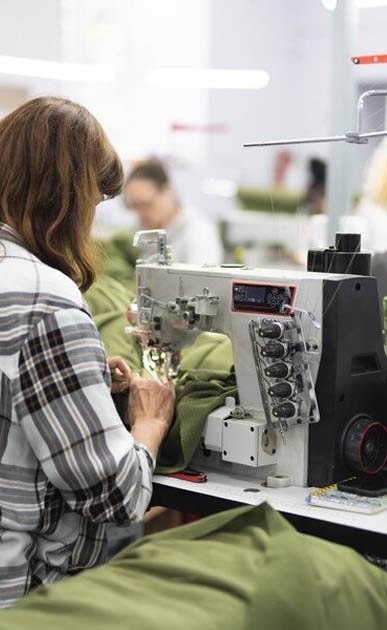
Its process starts by getting silk from silkworm cocoons and turning it into threads. These threads are then used to make plain weave fabric.
This lightweight, rough-textured textile is made by hand or machine. It’s up to the manufacturer or you to decide how much you need and how awesome you want it to be.
2. Dyeing and Printing
You can make pongee fabric have different colors before or after it is woven. It can use natural or synthetic dyes to get the desired shades.
The material can also have various patterns and designs to make it more attractive. You can use these techniques: mud-dye, silk-screen printing, heat transfer, or digital printing.
3. Finishing
Pongee fabric goes through the finishing process after weaving, dyeing, and printing. These include adding PVC or PU, spun velvet, and extra water-resistant coatings. These things make the fabric work better and last longer.

Pros and Cons of Pongee Fabric
As a designer or a clothing brand, you know how important it is to pick the right fabric for your creations. Here are the pros and cons of pongee fabric:
Advantages
-
Abrasion resistant and highly durable
This fabric can endure frequent use and washing without getting damaged or degraded. It does not wear out quickly from friction or rubbing, ensuring long-lasting use.
-
Resists shrinking and stretching
Pongee fabric keeps its original shape and fits even after repeated washes or use. It stays comfortable and consistent and does not lose its size or form over time.
-
Waterproof and quick-drying
This fabric does not let water go inside it. It is suitable for outdoor applications and rainy weather conditions. It also dries fast after getting wet, which is convenient and practical.
-
Mildew and mold resistant
This is a fantastic option for those who want a fabric that is easy to maintain and resistant to damage. Pongee fabric keeps away bad things, like mildew and mold, by not letting water and dirt stay on it.
-
Excellent color retention
This fabric holds color well and resists fading, maintaining vibrant and long-lasting designs. It does not lose its color after exposure to sunlight or washing. It can produce beautiful and striking designs that attract attention.

Disadvantages
-
Challenging to clean
This fabric needs special or professional cleaning and may wrinkle easily.
-
Stiffer texture
Other fabrics may feel soft, smooth, or bendy. Pongee fabric may not. This is because of what it has and how people make it.
-
Environmental considerations
Some pongee fabrics may contain synthetic blends, which can be more harmful to the environment than cotton when used or disposed of.
Conclusion
You can create clothes, furniture, and other things with Pongee Fabric. It is also strong and soft because it combines human and machine work. It will last for a long time and please everyone.
You should try this fabric if you are a designer or a clothing brand looking for fabrics. It is a flexible and beautiful fabric that has many special features. It can help you make versatile and stylish fashion projects, from blouses to dresses, jackets, and accessories.