🌱
Sustainable packaging for clothing is no longer a mere trend; it has become an essential requirement for modern brands. As environmental awareness skyrockets among consumers, they increasingly expect brands to proactively reduce their ecological footprint. But where exactly should your journey begin?
The good news is that you have a diverse range of environmentally friendly options available, from compostable mailers and washable fabric wraps to recycled paper products. This guide is designed to walk you through straightforward, effective, and creative methods to transition your current packaging into a more sustainable system. Are you ready to elevate your brand while wholeheartedly embracing eco-consciousness? Let’s explore the sustainable packaging solutions for clothing that will resonate with both your business goals and your customers!
💰 The Crucial Importance of Sustainable Packaging for Clothing Businesses
Traditional packaging materials, particularly plastics, are notorious for their significant contribution to environmental pollution. The fashion industry, by frequently using an overabundance of plastic bags and non-recyclable tags, generates massive amounts of waste. This waste often pollutes landfills and oceans, intensifying carbon emissions and causing harm to delicate ecosystems.
By transitioning to sustainable clothing packaging, your brand can effectively minimize its ecological impact. This transition actively supports global sustainability objectives, including the vital pursuit of carbon neutrality and comprehensive circular economy efforts.
Furthermore, today’s conscious consumers are intentionally seeking out eco-conscious brands. They prioritize those that visibly demonstrate a commitment to sustainability. By adopting more sustainable packaging for clothes, businesses achieve multiple benefits: they not only reduce unnecessary waste but also substantially enhance their brand image, cultivate strong customer loyalty, and maintain a competitive edge in an increasingly environmentally aware marketplace.
✅ Key Pillars of Eco-Friendly Packaging for Apparel
Sustainable clothes packaging extends far beyond just selecting eco-friendly materials. It involves meticulous design, responsible sourcing practices, and a commitment to creative, low-waste alternatives. Opting for sustainable packaging allows your brand to dramatically lower its environmental impact while preserving both product quality and attractive appearance. Here are the main characteristics that define truly successful environmentally friendly packaging options:
🌳 Biodegradable & Compostable Materials
A highly effective method to minimize packaging waste is the use of biodegradable and compostable materials. These smart packaging choices are designed to break down naturally, leaving behind zero toxic residues.
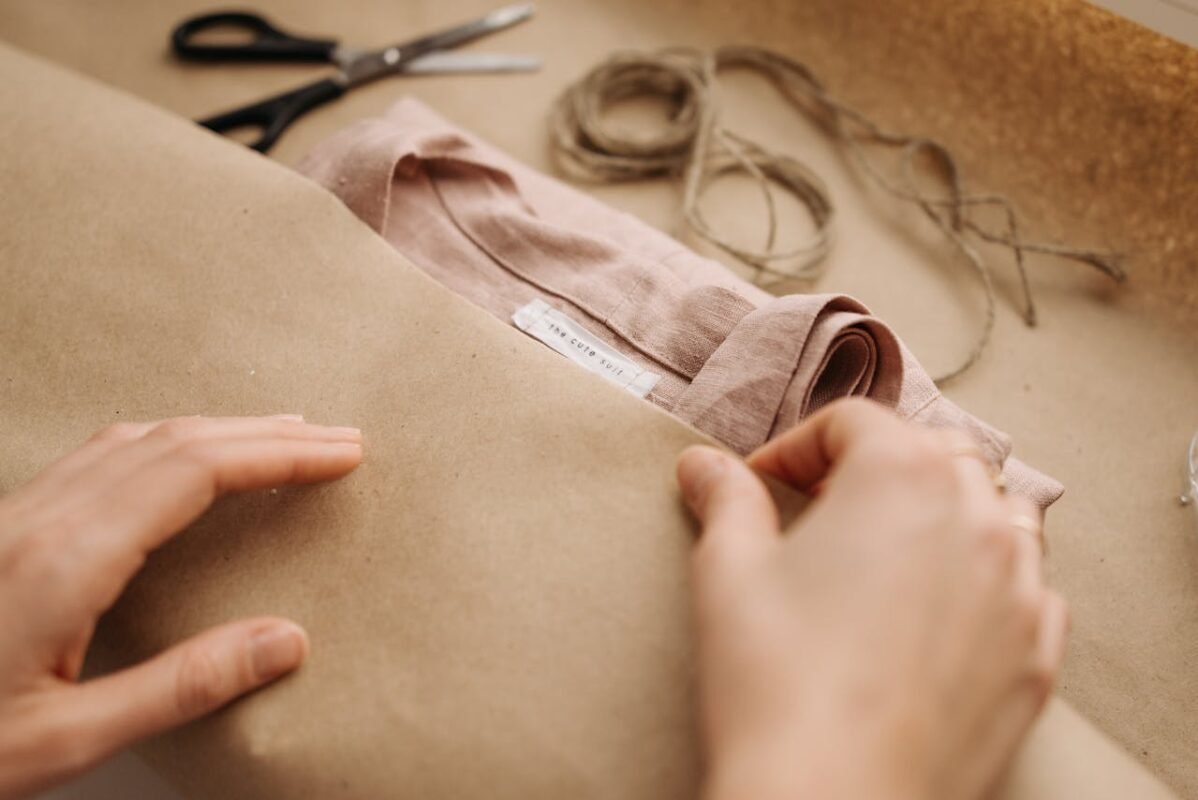
Consider mailers crafted from cornstarch, innovative mushroom-derived packaging, and simple kraft paper wraps—all of which decompose quickly. They offer an excellent, sustainable substitute for conventional plastics. Fashion labels can significantly reduce landfill waste and provide shoppers with a much more environmentally responsible disposal option by choosing compostable materials.
♻ Recyclable & Reusable Sustainable Clothing Packaging
Promoting recycling and reusability is another powerful strategy for sustainable clothing packaging. Recyclable cardboard boxes, paper mailers, and reusable fabric bags significantly cut down on waste by extending their useful life. Companies could even introduce innovative returnable packaging programs, enabling customers to easily return packaging for responsible repurposing. This circular approach not only substantially reduces waste but also dramatically enhances a brand’s eco-friendly image and solidifies customer loyalty. For sourcing sustainable garments to match your packaging, you might want to consider a reputable clothing manufacturer.
✔ Minimalist & Low-Waste Designs
Overpackaging remains a significant issue in the fashion sector, leading to vast material waste. Minimalist packaging focuses on using only the materials that are absolutely necessary, minimizing layers, and choosing compact, lightweight designs.
Excellent examples include flat-pack shipping boxes, sleek sleeve wraps, and simple envelope-style packaging. These are effective methods to eliminate excess waste. Streamlined sustainable packaging and marketing for clothing not only reduces material expenses but also dramatically minimizes the carbon emissions linked to manufacturing and shipping.
👍 Non-Toxic Inks & Adhesives
Sustainability considerations must extend beyond just the primary materials; the printing process is equally critical. Many conventional inks and adhesives contain petroleum-derived chemicals that are harmful to the environment. Utilizing soy-based or water-based inks, combined with biodegradable adhesives, ensures that your packaging remains completely environmentally friendly. These options are safer, break down naturally, and still uphold superior print quality, positioning them as an outstanding choice for all your branding and design elements.
🚀 Creative Packaging Ideas For Sustainable Clothing Brands
When selecting eco-friendly packaging for your clothing brand, the possibilities are virtually endless. Remember that sustainability must encompass more than just the external enclosure. You must also consider internal elements like separators, inserts, tissue papers, wrapping sheets, tags, and stickers or labeling.
Every component matters. Here is a comprehensive look at the top ten eco-friendly packaging solutions that offer both style and substance:

1. Recyclable Kraft Paper Boxes
Recyclable kraft paper boxes are a foundational packaging alternative that champions sustainability. These custom boxes are crafted from kraft, a natural material sourced from renewable resources such as wood pulp. Not only are these boxes 100% recyclable, but they also possess an inherently stylish look, speaking volumes about your fashionable apparel brand. FSC-certified forest products, predominantly paper-based, represent one of the most eco-friendly and often cost-efficient packaging solutions available.
2. Durable Cardboard Paper Mailers
Cardboard paper mailers are an exceptional option for packaging clothing and accessories. Apparel items require adequate protection during transport to ensure they retain their quality and appearance. The robust structure of these mailers protects your clothes from environmental concerns while firmly promoting sustainability.
3. Custom Corrugated Boxes
To maximize longevity and protection, custom corrugated boxes incorporate corrugated parallel layers with cardboard. The inherent durability of these boxes makes them a perfect choice for businesses prioritizing product safety. The best part? Their resilience and appealing presentation draw in customers when they arrive in pristine condition. Crucially, after their lifecycle is complete, they can be easily and responsibly disposed of. You can source both durable and sustainable corrugated packaging through your preferred clothing manufacturer or packaging supplier.

4. Biodegradable Tissue Papers
Biodegradable tissue paper is an essential choice for apparel businesses committed to showcasing sustainable practices. As a brand owner, you can line the inside of the box with these elegant tissue papers to give your products a polished, premium look. Using tissue paper that is custom-printed with your logo or a specific brand motif makes the entire unboxing experience even more intriguing and memorable.
5. Stylish Reusable Paper Bags
In the apparel sector, paper bags serve as effective packaging materials that also act as powerful marketing tools. In today’s competitive markets, they can attract customers and significantly boost brand recognition. Custom-crafted bags can be designed to stand out for both their durability and distinctive flair. Customers appreciate receiving their clothing in these vibrant, personalized bags, which they can then reuse for other purposes, further extending the life of your branded packaging.
6. Eco-Friendly Paper Tags
Packaging tags are fundamental to clothing. When shopping, you rely on tags for vital information like price, size, and company branding. The material chosen for these tags is also crucial in demonstrating your brand’s commitment to protecting the environment. Paper tags are, without a doubt, the best way to go green when it comes to a clothing brand’s branding or educational components.
7. Paperboard Packaging Sleeves/Tubes
For smaller garment accessories, paper packaging tubes, sleeves, and cylinders offer a versatile array of options. These are perfect for items such as socks, ties, innerwear, and other small components. Keep in mind that these stylish tubes are readily disposed of because they are made from recyclable paper. Companies can easily customize their size, shape, color, and printing. For a more upscale appearance, they can print their distinct brand logo or use a custom finish. Another option to explore for bespoke accessories is to check with your clothing manufacturer about sustainable accessory packaging.
8. Branded Paper-Based Wrapping Sheets
The majority of apparel businesses now wrap their products using paper-based wrapping sheets. These sheets can be customized to complement the color or specific brand aesthetic of the clothing you plan to place in the box. Many companies choose to print their logos, seasonal greetings, or personalized thank-you notes on these chic wrapping sheets, adding a final, thoughtful touch to the customer experience.
9. Eco-Friendly Dividers or Inserts
Certain clothing accessories, such as delicate newborn baby items (like socks, napkins, or onesies), are small and require special organization for shipping. Garment brands can use paper or cardboard inserts for dividers, not just to keep minor accessories neatly organized, but also to professionally enhance the product display upon arrival. Importantly, these paperboard dividers and cardboard are completely recyclable.
10. Sustainable Adhesive Stickers
Finally, apparel brands can utilize sustainable adhesive stickers for both branding and critical sealing/marketing purposes. They promote sustainability by being printed using water-based inks. These stickers can be fully personalized with the brand’s logo or other essential details. Remember that they are typically made from reusable paper and are readily recyclable.
💲 Understanding the Cost of Eco-friendly Packaging

The value of green packaging is primarily influenced by the selection of materials and design choices. For instance, you might find standard folded cardboard boxes for around $1, while a more protective corrugated cardboard container typically ranges from $2 to $3. Additionally, the charge for a bulk quantity of biodegradable tissue paper (480 sheets) can vary between $20 and $40.
While some eco-friendly materials may incur slightly higher advance costs, they frequently lead to long-term savings resulting from reduced waste disposal fees and significantly better brand recognition. Investing in eco-conscious packaging clearly aligns your brand with powerful consumer demands for sustainability, which can ultimately enhance customer loyalty and contribute to increased sales. You can often negotiate favorable bulk pricing with your clothing manufacturer for integrated packaging solutions.
📜 How Clothing Manufacturers Can Implement Sustainable Packaging
Embracing eco-friendly packaging for apparel requires a thoughtful, strategic approach. It’s more than just substituting plastic; it involves optimizing processes, educating stakeholders, and ensuring strict adherence to all relevant sustainability regulations for clothing brands. By assessing current methods, selecting appropriate materials, and actively encouraging sustainable disposal, garment manufacturers can successfully shift to more environmentally friendly techniques. Here are essential steps to help businesses effectively adopt solutions for sustainable packaging:
1. Assess Current Packaging Practices
Before initiating any changes, manufacturers must thoroughly assess their existing methods to pinpoint areas of waste and inefficiency. This involves analyzing material usage, evaluating the recyclability of current packaging, and calculating the carbon footprint linked to its production and disposal. By conducting a detailed audit, companies can identify unnecessary plastic use, superfluous layers, and non-recyclable materials, enabling them to develop a more effective, waste-reducing strategy.
2. Choose the Right Sustainable Materials
Shifting to sustainable materials is the most critical step in reducing environmental impact. Clothing manufacturers should partner with reputable sustainable packaging providers that offer biodegradable, compostable, or recycled options. Great choices include durable kraft paper envelopes, mailers made from cornstarch, and FSC-certified boxes, all providing resilient yet eco-friendly alternatives. Furthermore, considering reusable packaging alternatives like fabric wraps or custom tote bags can help minimize waste and significantly enhance brand reputation.
3. Educate Retailers & Customers
Sustainable clothing packaging is only fully effective when it is utilized and discarded correctly. Manufacturers must clearly inform retailers and consumers about the importance of reusability and proper disposal practices. This can be accomplished through on-pack messaging, QR codes directing customers to detailed recycling guidelines, or through specific branded initiatives that encourage eco-friendly actions. Motivating customers to bring back or reuse packaging extends its life cycle, powerfully demonstrating a brand’s dedication to sustainability. For guidance on sourcing sustainable packaging for apparel, you can always consult with your clothing manufacturer.
4. Certifications & Compliance
To build lasting trust and visibly demonstrate dedication to sustainability, manufacturers should pursue established eco-certifications. Certifications like FSC (Forest Stewardship Council) guarantee the responsible sourcing of paper packaging, while Cradle to Cradle assesses products based on material safety and overall environmental impact. Additionally, B-Corp certification acknowledges businesses that meet strict social and environmental standards. Complying with these key certifications enhances a brand’s reputation and assures customers that the packaging aligns with global sustainability benchmarks.
🌍 Make Your Packaging Stylish and Sustainable!
Transitioning to eco-friendly packaging for apparel offers custom clothing manufacturers numerous benefits. It not only significantly reduces environmental impact but also perfectly corresponds with the rapidly increasing consumer desire for environmentally conscious brands. By utilizing biodegradable materials, adopting minimalist designs, and implementing reusable sustainable clothing packaging, you can effectively minimize waste, potentially lower long-term expenses, and dramatically enhance your brand’s ethical image. Remember, even minor adjustments, such as switching to recyclable kraft boxes or compostable tissue paper, can collectively create a significant positive impact.
⭐ Upgrade to eco-friendly custom clothing packages with Ludyway Apparel – Sustainable solutions for a greener future!
❔ Frequently Asked Questions (FAQ)
What is the difference between biodegradable and compostable packaging?
Biodegradable materials will naturally decompose over time into natural elements, but the timeframe can be very long and may leave behind residue. Compostable materials are a subset of biodegradable materials that break down quickly into nutrient-rich soil (humus) under specific conditions (either home or industrial composting) and leave no toxic residue. Compostable is generally a stronger eco-friendly claim.
Does sustainable clothing packaging cost significantly more than traditional plastic?
Initially, some eco-friendly materials may cost slightly more upfront than the cheapest plastic options. However, these costs are often offset in the long run by savings from reduced waste disposal fees, lighter shipping weights, and the powerful boost to brand image and customer loyalty, which typically increases sales.
Which specific materials are best for protecting delicate apparel during shipping?
Materials that offer good structural integrity and cushioning are best. Custom corrugated boxes or durable cardboard paper mailers are ideal for external protection. Inside, biodegradable tissue paper or paper-based inserts can provide soft cushioning and an elegant presentation.
How can I ensure my customers properly dispose of the sustainable packaging?
Clear communication is essential. Use simple, direct messaging on the packaging itself (e.g., “Compostable” or “Recycle Me”). You can also print QR codes that link directly to detailed disposal instructions or your brand’s sustainability page.
Why is using non-toxic ink important for sustainable packaging?
Conventional inks often contain petroleum-derived chemicals that are harmful to the environment and can prevent packaging from being fully compostable or recyclable. Using soy-based or water-based inks ensures that the entire package, including the print, remains safe and truly eco-friendly upon disposal.