Miami’s apparel ecosystem blends fashion, innovation, and logistics, making the city a powerful hub for custom clothing, private label, and small batch manufacturing. With thousands of creative businesses and a robust workforce, brands can source everything from organic textiles to luxury formalwear without sacrificing speed or quality. Whether you are a startup seeking a guided launch or an established label expanding production, this guide highlights the most dependable clothing manufacturer options serving Miami and beyond.
✅ Quick tip: Shortlist manufacturers by product category (e.g., women’s fashion, denim, suits), MOQ, lead time, and sustainability certifications. Leverage local Miami talent for design, sampling, and quality control to accelerate market entry.
How to Choose a Clothing Manufacturer in Miami
Selecting the right partner starts with aligning capabilities and category expertise to your brand’s goals. Consider the following:
- Product focus: Knitwear, denim, women’s ready-to-wear, children’s apparel, formalwear, organic basics, or streetwear.
- Capacity and MOQs: Small batch vs. large-scale production, with flexible minimums for emerging labels.
- Speed to market: Local sampling and integrated workflows reduce lead times from concept to delivery.
- Quality assurance: Pattern accuracy, fabric testing, fit checks, and consistency across batches.
- Sustainability: Ethical labor practices, recycled fibers, organic certifications, and traceable supply chains.
- Budget and pricing: Balance cost, craftsmanship, and brand positioning to protect margins.
If you need a turnkey partner for custom collections and eco-conscious production, explore clothing manufacturer solutions designed for startups and scaling brands.
Miami’s Leading Clothing Manufacturers and Consultants
Below is an expanded breakdown of the most notable companies serving Miami, including their specialties, workflow details, and ideal brand fit.
Urth Apparel — Custom Design and Pattern Expertise
Urth Apparel operates across Italy, Peru, and the United States, offering high-quality manufacturing with a streamlined process. Their specialization in custom patterns and ethical practices makes them a reliable partner for brands prioritizing fit precision and sustainability.
🧵 Core strengths: Tailored pattern development, luxury production in Italy, knitwear and basics in Peru, specialty items in the US.
📦 Capabilities: T-shirts, dresses, athletic apparel, swimwear, shirts; screen printing and embroidery available.
- Pros: Advanced technology, eco-friendly methods, sample-first workflow.
- Cons: Limited formalwear and ultra-luxury SKUs.
Fashque — Women’s Fashion Specialists
Fashque is a Miami-based manufacturer focused on women’s apparel since 1989, covering skirts, dresses, tops, bottoms, tunics, and jackets. Their embellished jackets and printed knit tops stand out for boutique-ready appeal.
🔍 Process: Style and print selection → sample approval → production → shipping.
🕒 Ideal for: Wholesale buyers needing fast turnarounds and accessible pricing.
- Pros: Quality fabrics, affordable wholesale, quick production cycles.
- Cons: Women’s apparel only; limited options for family-focused brands.
Dynasty Apparel — Full-Service Brand Manufacturing
Evolving from a T-shirt shop to a global operation, Dynasty Apparel offers end-to-end services including design development, material sourcing, manufacturing, and distribution. Their three divisions—production, merchandising, and graphic design—collaborate to deliver private label and licensed products.
🎨 Services: Screen printing, embroidery, embellishments, trend-led graphic design.
🏷️ Best for: Brands needing scale, licensed collaborations, and cohesive brand storytelling.
- Pros: Private and branded labels, high-profile partnerships, in-house printing.
- Cons: Pricing may exceed lean startup budgets.
The Connecting Thread — Boutique Small Batch Consulting
The Connecting Thread focuses on design direction, strategy, material sourcing, and product development consultation to help brands craft functional, marketable collections. While not a direct manufacturer, they connect clients to vetted local makers, guiding you from concept to production.
🤝 Ideal for: Designers seeking mentorship and access to reliable Miami production partners.
- Pros: High-quality network, local insights, fashion-forward guidance.
- Cons: No direct manufacturing; requires paired production partner.
Capitol Clothing Corp. — Children’s Apparel Specialists
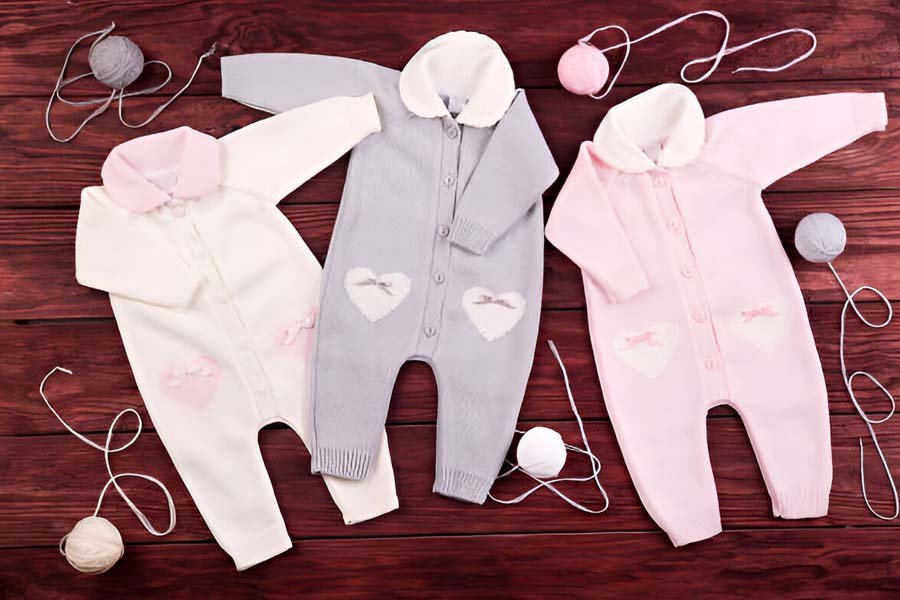
Capitol Clothing Corp. manufactures children’s clothing exclusively, from infant and toddler sizes through kids’ 4–12. Their cut-and-sew workflow uses Miami-based cutting and South Florida sewing shops to deliver low MOQs and fast turnaround.
🧒 Capabilities: Custom embroidery, tailored patterns, flexible design options suited for boutiques and small brands.
- Pros: Low minimums, rapid delivery, local production.
- Cons: No adult apparel; limited category expansion.
Organic Apparel USA — Sustainable and Certified Production
Based in Boston with a presence in Miami, Organic Apparel USA prioritizes responsible sourcing and renewable materials. Expect organic textiles, traceability, and a range of eco-conscious basics crafted to certified standards.
♻️ Best for: Brands committed to sustainability and transparent supply chains.
- Pros: Eco-friendly manufacturing, competitive pricing, reliable quality.
- Cons: Narrow product range due to certified processes.
Reliq Inc. — Denim and Streetwear Focus
Operating out of New York’s Garment District with Miami availability, Reliq Inc. specializes in denim, particularly jeans with rip-and-repair, hand painting, cut-and-sew, and splatter finishes. Their catalog includes shirts, pants, joggers, and shorts, frequently updated with fresh streetwear accents.
🛍️ Collaborations: Works with boutique retailers nationwide; offers recycled twill and denim options.
- Pros: High-quality craftsmanship, trend-led streetwear, recycled materials available.
- Cons: Limited elegant and loungewear selection.
Vertical Textiles — Knits with Vertical Integration
Vertical Textiles has been active since 1971, offering a vertically integrated approach for knitwear. Their model improves customization, quality control, and delivery speed, backed by ethical, sustainable workplace practices.
⚙️ Highlights: Innovation-focused production, duty-free access, and five decades of expertise.
- Pros: Efficient processes, reliable timelines, ethical manufacturing.
- Cons: Limited formal and business attire offerings.
Design to Produce — Startup Launch Partner
Led by Jessica Anderson, Design to Produce helps startups transform concepts into production-ready prototypes. The timeline includes design development, fabric sourcing, prototype creation, revisions, and overseas manufacturing, enabling small batch runs with strong brand identity support.
🧭 Ideal for: Founders with mockups or retail samples who need professional guidance and logo development.
- Pros: Prototype expertise, branding support, small batch readiness.
- Cons: Best suited to startups; scaling beyond small batches may require additional partners.
Enzo Custom — Luxury Suits and Tuxedos
Enzo Custom specializes in formalwear with premium materials. Their full-canvas jackets feature horsehair interlining, precision shoulder construction, and horn buttons. Fabrics include Loro Piana Merino wool and Mongolian cashmere, signaling top-tier craftsmanship.
🎩 Product scope: Suits, tuxedos, standalone jackets, and overcoats for luxury clientele.
- Pros: Impeccable quality, formalwear specialization, premium sourcing.
- Cons: Higher price points; limited casual offerings.
Miami Production Roadmap for Brands
To move from idea to shipment efficiently in Miami, follow a clear roadmap and engage the right partners at each stage.
1. Concept and market fit: Validate your audience and price points. Define your niche (e.g., sustainable activewear, boutique denim).
2. Tech packs and patterns: Create measurement charts, construction details, trims, and finishing notes; confirm pattern accuracy with samples.
3. Fabric sourcing: Choose between organic, recycled, performance, or luxury materials; secure lab dips and approvals.
4. Sampling and fit: Test fit across sizes; assess shrinkage, colorfastness, seam strength, and embellishment durability.
5. Production and QC: Finalize MOQ, lead times, and packaging; implement in-line and final inspections before shipping.
Need a partner to orchestrate the entire process from design to delivery? Consider a trusted clothing manufacturer that offers bespoke development, sustainable materials, and reliable timelines.
Cost, MOQ, and Lead Time Considerations
Pricing in Miami varies by category and complexity. Knit basics and women’s wholesale often have lower MOQs and faster lead times, while luxury tailoring and complex denim require longer sampling and higher unit costs. Factor in fabric yield, trims, embellishments, and packaging when projecting landed costs.
- Typical MOQs: 50–500 for small batches; 500+ for scaled programs.
- Lead times: 2–8 weeks for sampling; 4–12+ weeks for production depending on category and seasonality.
- Hidden costs: Pattern revisions, rush fees, import duties (if offshore production), QC rework.
Sustainability and Ethical Manufacturing in Miami
Miami brands increasingly prioritize ethical labor, traceable sourcing, and reduced environmental impact. Manufacturers like Organic Apparel USA and Vertical Textiles emphasize safe workplaces and responsible materials, while denim specialists such as Reliq Inc. incorporate recycled fibers into street-savvy silhouettes.
For brands seeking end-to-end eco solutions, a clothing manufacturer with biodegradable materials, waste-reduction practices, and transparent production can help achieve both impact and performance.
Who Should Work with Which Manufacturer
Startups: Design to Produce for concept-to-prototype guidance; The Connecting Thread for sourcing and local mentorship.
Boutiques and small labels: Fashque for women’s wholesale; Capitol Clothing Corp. for children’s lines with low MOQs.
Streetwear and denim brands: Reliq Inc. for artisanal jeans and trending wash techniques.
Luxury and formalwear: Enzo Custom for suits and tuxedos with premium fabrics and construction.
Performance and basics: Urth Apparel and Vertical Textiles for precision patterns and efficient knit programs.
How to Streamline Your Miami Production
Reduce risk and shorten timelines by establishing a clear communication cadence, sharing complete tech packs, and scheduling fit reviews early. Confirm materials and trims before sampling, and document all approvals to avoid costly reworks. A turnkey partner can coordinate sampling, quality checks, and logistics under one roof.
For brands wanting a single point of contact with custom development, sustainable materials, and reliable delivery, connect with a trusted clothing manufacturer that supports startups and established labels alike.
FAQs
What is the typical lead time for Miami clothing manufacturers?
Sampling often takes 2–8 weeks depending on complexity, while production can range from 4–12+ weeks. Factors include fabric approvals, embellishments, and seasonal capacity. Shorter timelines are possible with vertically integrated partners and local sampling.
How do I keep costs under control without sacrificing quality?
Focus on efficient patterning, right-size MOQs, and materials with strong yield. Avoid late-stage design changes and confirm trims early. Collaborate with partners that offer transparent quotes and consistent QC.
Can Miami manufacturers support small batches for new brands?
Yes. Several partners on this list are tailored to small runs, including Design to Produce and Capitol Clothing Corp. For eco-focused small batches, consider a sustainable clothing manufacturer offering biodegradable materials.
Which manufacturer is best for eco-friendly apparel?
Organic Apparel USA and Vertical Textiles emphasize responsible sourcing and ethical practices. Brands seeking end-to-end eco solutions should work with a partner experienced in traceability, recycled fibers, and low-impact finishes.
How do I choose between local and overseas production?
Local sampling boosts speed and control, while overseas production can scale cost-effectively. Many Miami-focused partners offer hybrid models—sample locally, then produce offshore—balancing quality and unit cost for growth.