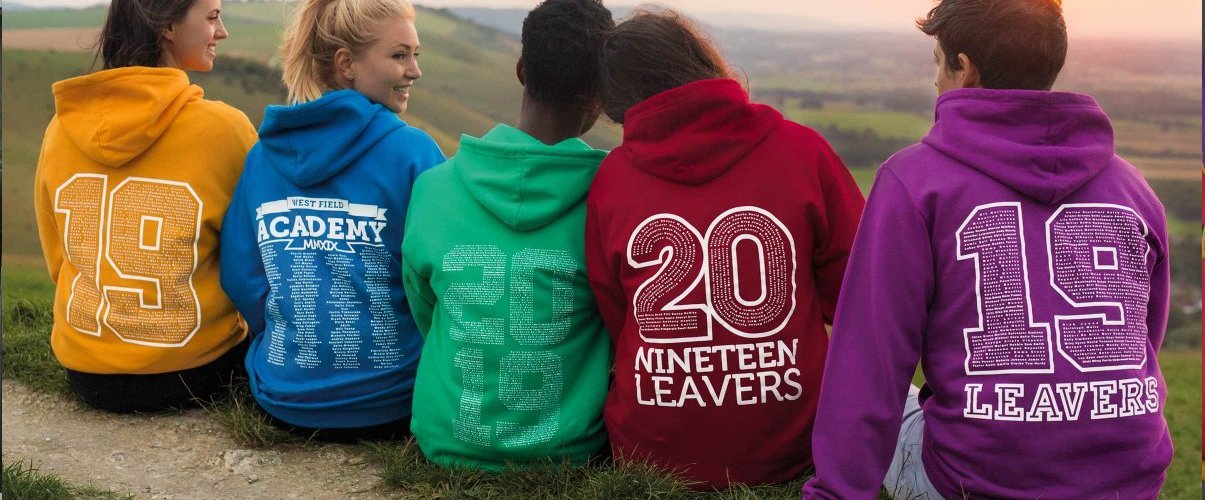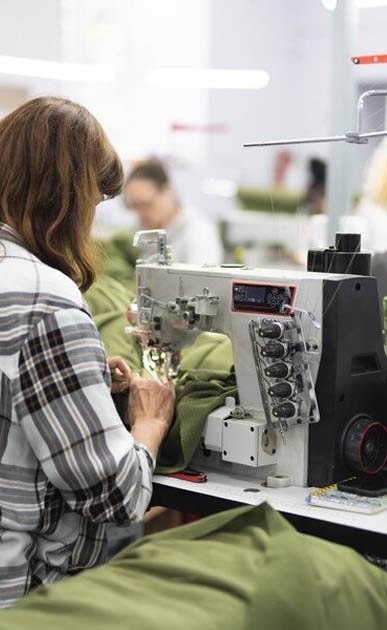
Direct-to-Film (DTF) printing is an advanced, flexible method that provides a superior solution for textile decoration. It enables printing on materials that are often challenging for traditional techniques, such as polyester, nylon, fleece, and cotton variants. Unlike older methods, DTF offers high-quality results across an extensive range of fabrics.
DTF printing is fundamentally a heat transfer process. It uses an inkjet printer to deposit the design onto a DTF transfer film. This printed film is then coated with a thermo adhesive powder and finally transferred to the desired substrate (garment) using a heat press. This digital approach bypasses the complex setup of screen printing while ensuring vibrant, durable, and detailed prints.
🌟 Decoding Direct-to-Film (DTF) Printing Technology
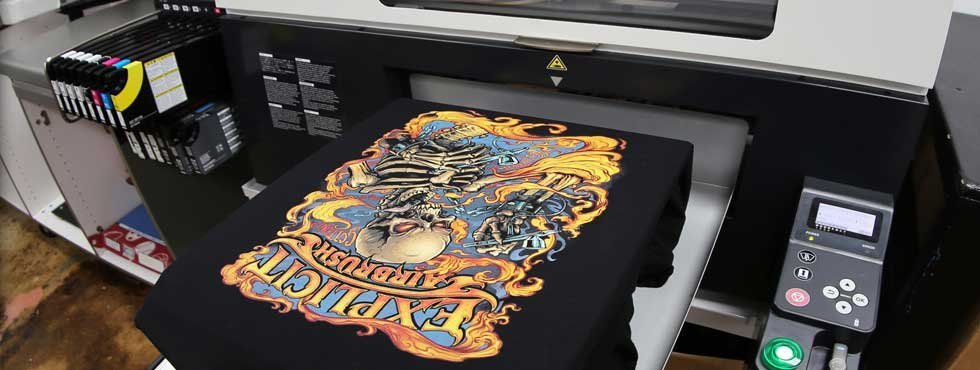
DTF printing involves transferring designs onto fabrics or other substrates using specialized water-based inks and an adhesive powder. The design, once printed on the film, is permanently bonded to the garment’s surface via a heat press. This printing method is highly valued for its durability, vibrant color output, and intricate detail reproduction.
DTF technology is remarkably versatile, allowing printing on a wide variety of materials and colors—including both dark and white fabrics—without requiring expensive pre-treatment chemicals or specialized transfer papers. This ease of use significantly streamlines the production workflow.
🛠️ Essential Supplies for DTF Printing Success
Successful Direct-to-Film transfers rely on specific, high-quality supplies and equipment. The core components required for DTF printing include:
- DTF Printer: A specialized unit equipped with channels for CMYK plus White ink, designed to print durable UV inks directly onto the film.
- Transfer Film: High-quality films (approx. 0.75 thickness) are used, distinct from screen printing films. They are available for both small and commercial setups, categorized into cold peel and hot peel types.
- DTF Printer Inks: Water-based inks designed in the standard color set: Cyan, Yellow, Magenta, Black, and a crucial White ink layer for printing on dark garments.
- Adhesive Powder: A white, granular thermo adhesive powder that is applied to the wet ink on the film and acts as the bonding agent when heated.
- DTF RIP Software: Essential specialized software that manages color consistency, saturation, and the correct layering of CMYK ink followed by the White underbase.
- Heat Press: The final machine used to apply the necessary heat and pressure, transferring the design from the film onto the substrate and ensuring permanent bonding.
💸 Initial Investment in DTF Equipment
Starting a DTF printing operation can be both cost-effective and potentially lucrative. A basic entry point for DTF printing can begin around €1500. This initial investment often secures a complete DTF printer kit, including a quality A3 printer, RIP editor software, and essential consumables to start production immediately.
Beyond the printer, you will need a heat press or an oven for curing the adhesive powder onto the film and ensuring the ink bonds to the fabric. An adjustable platen on the heat press is beneficial for ensuring uniform pressure and curing across the entire printing surface. This foundational investment provides the equipment needed to meet customer demand for high-quality, customized prints.
⚙️ The DTF Printing Workflow: Step-by-Step
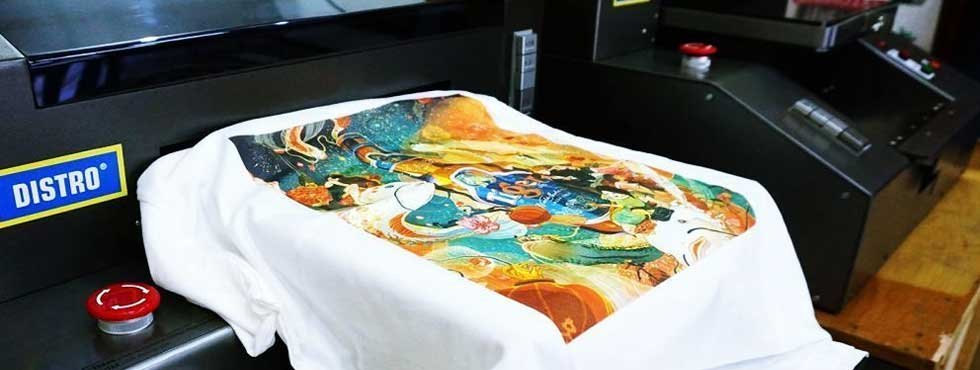
DTF is a streamlined digital technique for transferring designs onto various textile materials, including polyester, cotton, and blends. The process involves several key stages:
- 1. Design Preparation: The artwork is created and finalized using graphic design software like Adobe Photoshop.
- 2. Printing onto the Transfer Film: A DTF printer, using its unique inkjet system, prints the design onto the specialized film in the desired pattern. The white ink is typically printed as a base layer.
- 3. Powder Application (Lamination): While the ink is still wet, the thermo adhesive powder is applied and adheres only to the ink. Excess powder is removed, and the film is cured to melt the adhesive.
- 4. Fabric Preparation: The final fabric is pretreated (often by pre-pressing) to ensure it is clean and free from moisture or contaminants, though full chemical pre-treatment is not required.
- 5. Heat Press Transfer: The fabric and the cured transfer film are placed in the heat press. Heat and high pressure are applied, ensuring the design and adhesive bond strongly to the fabric surface.
- 6. Peeling and Final Curing: The film is peeled away (either hot or cold, depending on the film type), leaving the design on the fabric. A final cure may be performed to ensure the ink is permanently set.
👚 Diverse Applications of Direct-to-Film Printing
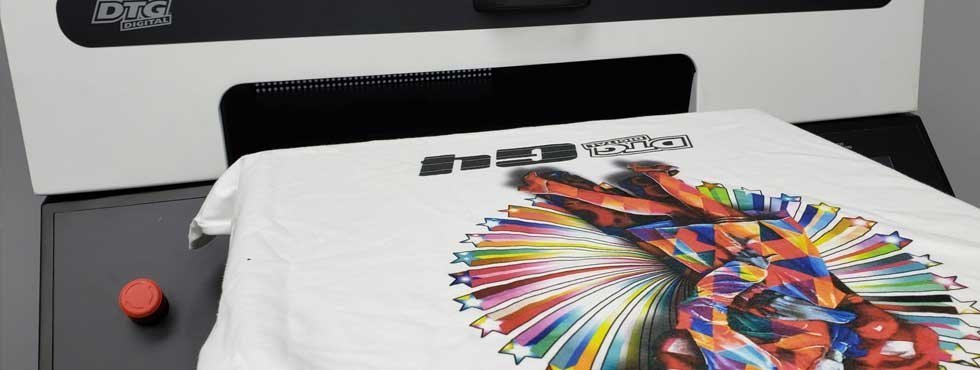
DTF printing is extensively used in the clothing industry for customizing a vast array of items. It enables designers to achieve intricate patterns, bold graphics, and personalized touches on products with unparalleled precision.
Key Items Customized with DTF:
- T-shirts: The most common application, ranging from school uniforms and sports gear to general retail apparel.
- Specific Garment Areas: DTF’s precision allows printing on challenging, targeted areas like pockets, sleeves, or collars, which is difficult with screen printing.
- Hats and Caps: Excellent capability for printing on curved surfaces like baseball caps and trucker hats.
- Printed Tags: Ideal for creating soft, durable, and detailed inside neck tags on garments, often sought after by brands.
- Bags: Widely used for printing on tote bags, fanny packs, and other woven accessories.
- Diverse Fabrics: Its versatility extends to non-traditional textiles and even some non-fabric materials without needing extra specialized equipment.
🔄 DTF Printing: Comparisons with Other Methods
Selecting the correct printing method is vital for achieving long-term business goals. This choice depends on factors like fabric composition, design complexity, and required print quality. Below is a breakdown of how DTF printing compares to its major competitors:
DTF vs. Sublimation Printing
Sublimation is known for long-lasting, full-garment printing but requires polymer-coated or pure polyester fabric to work, and the process can be time-consuming. DTF printing, in contrast, is the better choice for complex or blended fabrics where the polyester content is low. It is often more cost-effective for a wider range of materials and offers better precision for detailed designs.
DTF vs. Direct-to-Garment (DTG) Printing
The key difference lies in the application: DTG sprays ink directly onto the fabric. DTG often requires an expensive and time-consuming pre-treatment process for the ink to adhere correctly, and it primarily works best on 100% cotton or high-cotton blends. DTF printing eliminates the need for pretreatment entirely, works on various fabrics, and is generally faster and less costly to operate.
DTF vs. Screen Printing
Screen printing requires a separate screen/mesh stencil for every color and pushes thick ink layers onto the surface, resulting in a heavier feel. It is ideal for solid, simple designs and large quantities. DTF printing, being digital, works with various materials, requires only simple equipment (film, powder, heat press), and easily handles complex, multi-colored designs without needing multiple screens.
👍 Advantages (Pros) of DTF Printing
- Unmatched Versatility: Prints successfully on cotton, polyester, nylon, fleece, and even non-textile surfaces like wood and ceramic.
- Vibrant Color and Saturation: Produces rich, highly saturated colors with exceptional accuracy.
- Precision and Detail: Capable of accurately reproducing intricate and precise designs, capturing every small detail.
- Durability and Longevity: Prints are highly resistant to cracking, fading, and deterioration, enduring multiple washes.
- Cost-Effective for Small/Medium Runs: Lower setup costs compared to screen printing make DTF transfers efficient for smaller production batches.
- Speed and Workflow: Offers relatively quick production, allowing for rapid printing without compromising final quality.
👎 Limitations (Cons) of DTF Printing
- Feel and Breathability: The printed area can feel less breathable on the fabric compared to screen-printed or dye-sublimated designs, potentially causing discomfort during prolonged wear.
- Learning Curve: The process involves multiple steps (printing, powdering, curing, pressing) that require specific expertise and training for consistent, high-quality results.
- Color Limitations: While excellent, DTF may have certain limitations in accurately reproducing specific, highly saturated colors compared to methods like sublimation.
- Maintenance Requirements: DTF printers, like all inkjet systems, require diligent and regular maintenance to ensure optimal performance and avoid clogging, particularly with the White ink.
💡 Conclusion: The Future of Fabric Printing
In summary, Direct-to-Film printing represents a highly versatile and powerful method for creating intricate and detailed designs that significantly surpass the capabilities of traditional techniques like screen printing, DTG, and sublimation. Its unique ability to print on a wide spectrum of fabrics—including difficult blends, nylon, and polyester—opens up new avenues for customization.
As this technology continues to evolve, DTF is poised to play an increasingly crucial role in the future of textile decoration. If your business prioritizes high-quality output, color vibrancy, and versatility across different fabric types, then DTF printing is the ideal method for success.
❓ Frequently Asked Questions (FAQ) About DTF Printing
Q1: How does DTF printing fundamentally differ from DTG and Screen Printing?
A: DTF transfers the design via a film and adhesive powder using heat, eliminating the need for pre-treatment (like DTG) and the complex screen setup (like Screen Printing). It is highly versatile across fabric types, unlike the others.
Q2: Is DTF printing durable for long-term wear and washing?
A: Yes, DTF prints are typically very durable. With proper care, the prints are highly resistant to fading, cracking, and peeling even after numerous washes, retaining their color and detailed work exceptionally well.
Q3: Does DTF work on 100% polyester fabric?
A: Absolutely. Unlike DTG, which struggles with polyester, DTF is ideal for printing on both polyester and nylon, making it a perfect solution for sportswear and high-performance technical apparel.
Q4: Are there any drawbacks related to comfort when wearing DTF-printed apparel?
A: The primary drawback related to wearability is that the printed design may not be as breathable as ink that is soaked into the fabric (like dye sublimation). This can lead to minor discomfort when worn for extended periods, especially in hot conditions.
Q5: Is DTF printing a cost-effective solution for small brands?
A: Yes. Because DTF has a low setup cost and no minimum order quantities (MOQ) for film transfers, it is a highly cost-effective and flexible solution for small-to-medium-sized businesses and startups.