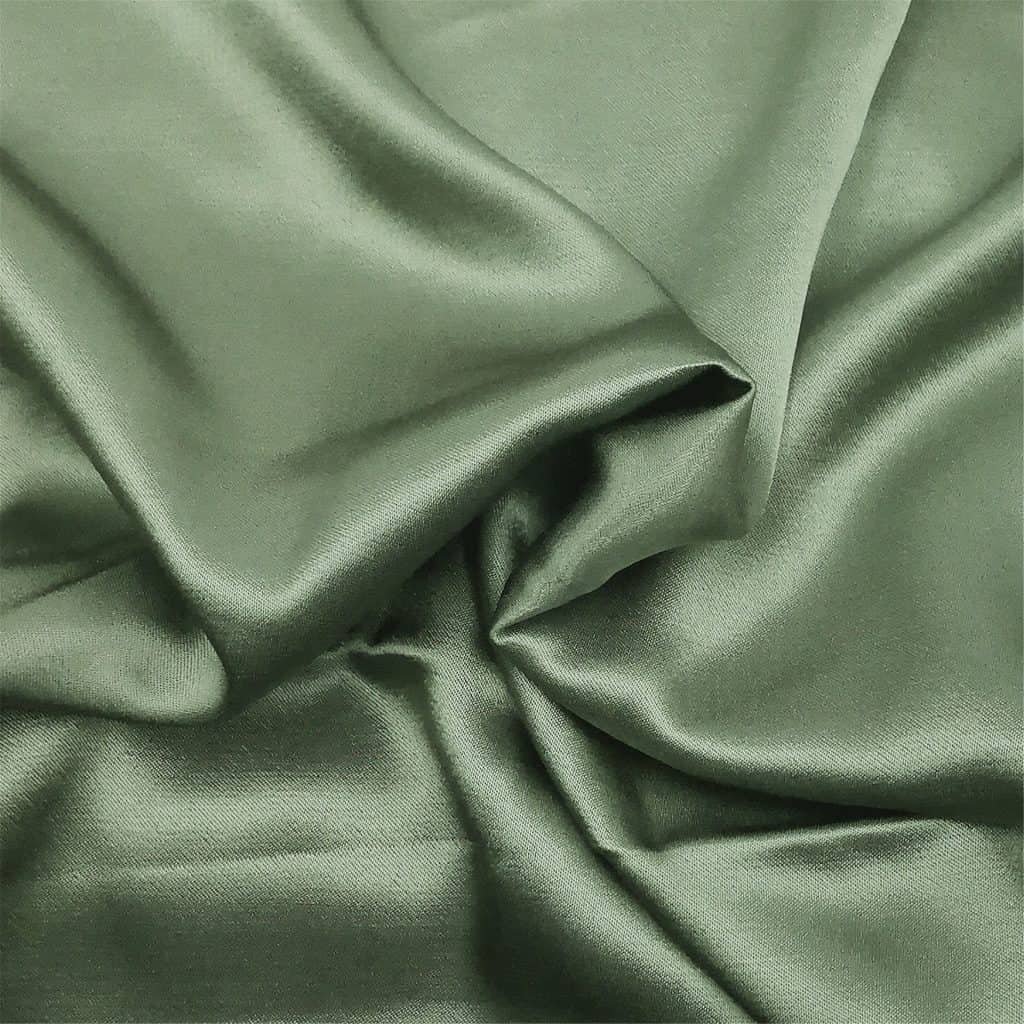
Viscose fabric is popular among interior designers, fashion designers, and consumers. The fabric is also known as rayon. It is a semi-synthetic fabric but offers a luxurious and smooth texture.
Hilaire de Chardonnet, a French scientist and industrialist, invented the first viscose fiber. It is more affordable than silk but highly flammable.
Thus, three British scientists made a significant breakthrough by discovering and patenting a safe production method for viscose rayon. In 1905, viscose rayon fabric was commercially available.
The development of sustainable and eco-friendly production methods has further enhanced viscose fabric.
In this article, you’ll learn about the fabric’s characteristics, production process, and common uses. Also, you’ll find out the pros and cons of the fabric so you can compare it to other fabrics.
What is Viscose Fabric?
Viscose fabric is made from cellulose fibers, which come from wood pulp or bamboo. The process of creating viscose fabric involves treating the cellulose with chemicals to dissolve it into a solution. Then, it is extruded through spinnerets to form fibers. These fibers are then spun into yarns and woven or knitted into fabric.
The fabric offers a balance between natural and synthetic fibers. It is cheaper than natural silk but still offers a soft and luxurious feel. However, viscose fabric can be more prone to wrinkling and may require special care during laundering to maintain its quality.
Characteristics of Viscose Fabric
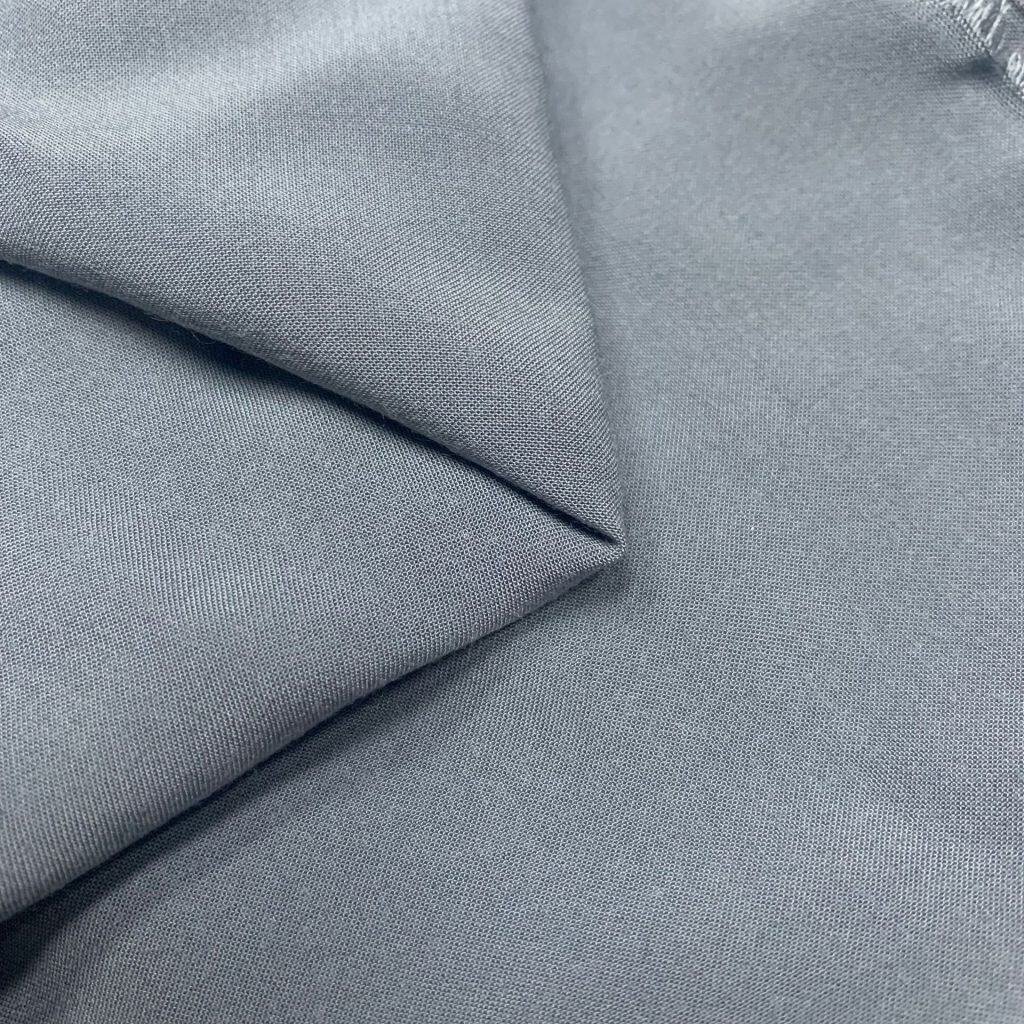
Viscose fabric has the following distinct characteristics that contribute to its popularity and versatility.
- Softness and Comfort
- Breathability
- Drape and Fluidity
How Viscose Fabric is Made
Viscose fabric is produced through a multi-step manufacturing process. The process may vary depending on the specific requirements and the desired final product.
The process begins with the extraction of cellulose. It can be derived from various sources, like wood pulp or bamboo. The wood pulp usually comes from eucalyptus or pine. Sustainable sourcing practices are increasingly emphasized to minimize the environmental impact.
The cellulose is chemically treated to remove impurities. Then, the wood fibers are subjected to a pulping process. This can be done through mechanical or chemical pulping with sodium hydroxide or alkaline sulfite.
Dissolving and Regenerating
The viscose solution is extruded through spinnerets. These are small nozzles with fine holes. As the solution passes through the spinnerets, it comes into contact with an acidic bath. It typically contains sulfuric acid. This acid causes the cellulose to solidify and form long fibres.
Washing and Neutralization
The newly formed fibers are washed to remove any residual chemicals and impurities. They are then neutralized using an alkaline solution to stop the chemical reactions and stabilize the fibers. After neutralization, the fibers are spun into yarn.
Finishing
After making the fabric, it may undergo finishing processes to improve its color, texture, or functionality. This treatment includes softening, dyeing, and printing.
Uses of Viscose Fabric
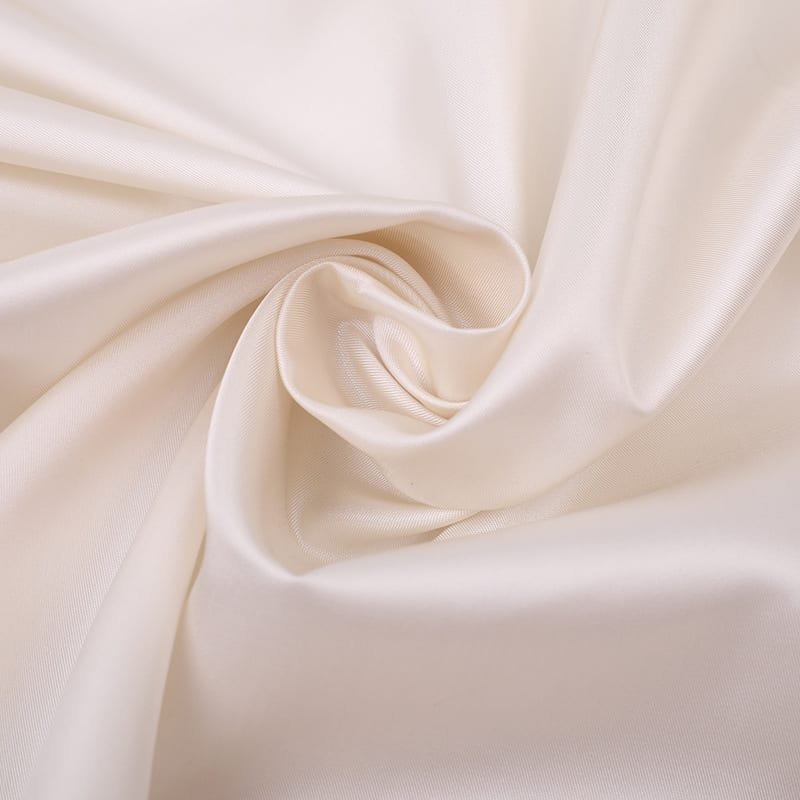
Viscose fabric is a versatile choice in different industries where comfort, aesthetics, and functionality are valued. Here are some common uses for the fabric.
Clothing
The fabric’s softness, draping qualities, and silk-like appearance make it a popular choice for dresses, blouses, skirts, shirts, and lingerie. It is also used for creating lightweight and breathable summer clothing.
Viscose fabric is also used in sportswear. Its moisture-wicking properties and breathability make it suitable for comfortable and functional activewear.
Home Textiles
Viscose fabric is used in home decor and furnishings. These items include curtains, upholstery, cushion covers, and bedding. Its smooth texture, vibrant colors, and ability to drape well contribute to its suitability for these applications.
Industrial Applications
Viscose fabric is also used in geotextiles, medical textiles, automotive textiles, and protective textiles. It can be incorporated into various industrial components and materials. It may serve as a reinforcement material in composites. It can also be used in gaskets, seals, or as cushioning material in packaging.
Viscose Fabric Pros and Cons
Pros
- Provide a soft and comfortable feel against the skin
- Allow air to circulate
- Help keep the wearer dry and comfortable
- Has excellent drape
- Does not shrink when exposed to mild heat
- Can be blended with other fibers to enhance its properties
- Can be easily dyed
Cons
- Can wrinkle easily
- Require special care during laundering and storage to maintain its appearance
- Less durable compared to some other fabrics
- Prone to wear and tear over time (especially with frequent washing and heavy use)
- Can shrink if not properly cared for during washing
- Involve the use of chemicals and processes that can have environmental impacts if not managed responsibly

FAQ
Is viscose a good quality fabric?
Yes, viscose is a good quality fabric. The manufacturing process, fiber quality, and finishing techniques used affect the quality of the fabric. It can offer a good quality fabric when produced with high-quality materials and a responsible manufacturing process.
Is viscose fabric itchy?
Viscose fabric is not naturally itchy. In fact, it is known for its soft and smooth texture. However, individual sensitivity to certain fabrics can vary. Some people may experience itching or irritation when wearing it.
Is viscose breathable like cotton?
Viscose fabric is less breathable than cotton. The chemical treatment of the cellulose fibers reduces the fabric’s breathability. In contrast, cotton is known as one of the most breathable fabrics due to its natural fiber.
What is better, viscose or polyester?
Determining whether viscose or polyester is better depends on particular requirements and preferences. Breathability, softness, and drape are the good qualities of viscose. On the other hand, the good qualities of polyester include wrinkle resistance, durability, and low maintenance.
Is viscose more expensive than cotton?
Generally, viscose fabric is more affordable than cotton fabric. The improvements in manufacturing procedures and the availability of alternative raw materials make the production of the fabric more cost-effective.
Is viscose bad?
Viscose fabric is not naturally “bad”. But, there are certain aspects and considerations associated with its production and environmental impact that some people may find concerning. The manufacturing process of viscose involves chemically treating cellulose fibers. This raises concerns about the use and disposal of chemicals.
Conclusion
Viscose fabric is a versatile material with many benefits for fashion and industry. It’s soft, comfortable, and breathable, ideal for clothing, and allows for unique designs. It can also be used in home textiles and industry. However, it’s important to consider the environmental impact and take care of its use and disposal. Overall, viscose is an excellent, sustainable, and versatile choice for designers.