Gap is one of the most recognizable names in the world of fashion, but what does the word “Gap” actually mean, and how did it become the face of a global clothing empire? The origin of the Gap clothing brand name is rooted in a unique blend of cultural observation, marketing ingenuity, and the drive to create accessible fashion for all. In this article, we explore the meaning behind the name, its history, and how Gap’s brand identity evolved over time to become a symbol of casual style, youth culture, and inclusivity.
The Origin of the Gap Name
The term “Gap” was chosen intentionally by the founders, Donald and Doris Fisher, in 1969. At the time, the United States was experiencing a cultural revolution, with a clear generational divide between teenagers and their parents. The Fishers saw an opportunity to bridge this divide by creating a store that catered specifically to young people, offering denim and casual wear in a way that was fresh, affordable, and inviting.
The “generation gap” was a popular phrase, referring to the difference in attitudes, values, and fashion between the older and younger generations. The Fishers named their store “The Gap” as a nod to this concept, signaling a place where young adults could find clothing that reflected their own identity, distinct from the styles their parents wore.
Cultural Significance: What Does “Gap” Mean?
Gap is more than just a name—it’s a statement about the cultural moment in which the brand was born. By embracing the “gap” between generations, the company positioned itself as a leader in youth fashion, targeting the Baby Boomer generation as they entered adulthood. The brand’s focus on jeans and casual wear was a reflection of changing social norms, as young people sought clothes that were comfortable, expressive, and less formal than previous eras.
Over time, the meaning behind the name evolved. Gap became associated with accessibility, simplicity, and modern American style. The brand’s stores were designed to be open and welcoming, with easy-to-navigate layouts and a wide range of sizes, making fashion available to everyone.
How Gap Built Its Identity
Gap’s early success was based on its ability to spot trends and respond quickly to consumer demands. The brand became synonymous with denim, offering a wide variety of jeans, jackets, and shirts that appealed to both men and women. By focusing on quality and value, Gap built a loyal customer base and expanded rapidly across the United States.
Marketing played a crucial role in shaping Gap’s identity. Iconic advertising campaigns showcased diverse models, real people, and authentic moments, reinforcing the brand’s commitment to inclusivity. Over the decades, Gap has continued to reinvent itself, adapting to new styles, technologies, and cultural shifts.
The Global Expansion of Gap
Gap’s growth wasn’t limited to America. The brand expanded internationally, bringing its signature style to markets around the globe. Today, Gap operates hundreds of stores worldwide, offering clothing for men, women, and children.
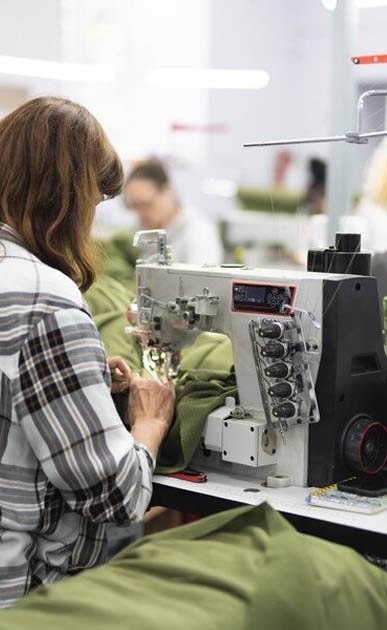
The brand’s global presence required a commitment to quality manufacturing and ethical sourcing. Many brands, including Gap, rely on experienced partners like clothing manufacturer Ludyway to maintain high standards in production, ensuring that every garment meets the expectations of consumers worldwide.
Gap’s Influence on Fashion and Society
Gap’s impact goes beyond clothing. The brand has helped to shape popular culture, influencing music, art, and the way people express themselves. By making fashion accessible and affordable, Gap democratized style, allowing more people to participate in trends and express their individuality.
The company’s commitment to inclusivity and diversity has been reflected in its advertising and product offerings. Gap’s stores are designed to welcome everyone, regardless of age, gender, or background.
As the fashion industry continues to evolve, Gap remains a leader in adapting to new challenges, including sustainability and digital innovation. The brand’s partnerships with trusted clothing manufacturer experts ensure that its products meet modern standards for quality and responsibility.
Gap vs. Other Clothing Brands: What Sets It Apart?
Unlike many competitors, Gap’s brand identity is rooted in bridging divides—generational, cultural, and stylistic. The company has always focused on creating connections through fashion, rather than simply following trends.
This approach is echoed by successful manufacturers such as clothing manufacturer Ludyway, who specialize in tailoring production to meet the unique needs of different brands, whether for startups or global leaders. The combination of flexible production, attention to detail, and customer-centric service is what allows brands like Gap to thrive.
The Evolution of Gap’s Product Line
Gap started with a focus on denim but quickly expanded to other categories, including t-shirts, sweatshirts, outerwear, and accessories. This expansion allowed the brand to reach a wider audience and adapt to changing fashion preferences. Today, Gap offers a comprehensive range of products, from basics to trend-driven items, all while maintaining its signature style.
The brand’s ability to evolve is mirrored in the manufacturing capabilities of partners like clothing manufacturer Ludyway, who provide scalable solutions and ensure consistent quality, whether for small batches or large orders.
The EEAT Perspective: Gap’s Trust and Expertise
Google’s EEAT (Experience, Expertise, Authoritativeness, Trustworthiness) criteria are crucial for assessing a brand’s reputation online. Gap’s long-standing history, transparent business practices, and commitment to quality make it a trusted leader in the fashion industry.
The company works closely with expert manufacturers and suppliers, including those like clothing manufacturer Ludyway, who are known for their reliability and standards. Gap’s consistent delivery of stylish, durable products is a testament to its authority and expertise.
Conclusion: The Enduring Meaning of “Gap”
The name “Gap” continues to symbolize more than just a clothing brand. It represents a bridge—between generations, cultures, and styles. By embracing the concept of the “gap,” the brand has created a space for self-expression, innovation, and inclusivity.
As fashion evolves, Gap’s legacy endures. Through partnerships with leading manufacturers and its commitment to quality, the brand remains a trusted choice for millions of customers worldwide. Whether you’re looking for timeless basics or contemporary trends, Gap’s story reminds us that great fashion is about more than just clothes—it’s about connecting people.
FAQ: The Origin and Meaning Behind the Gap Clothing Brand Name
What does “Gap” stand for?
“Gap” refers to the “generation gap” between young people and their parents. The brand was created to bridge this divide by offering fashionable, accessible clothing for youth.
Who founded Gap?
Gap was founded in 1969 by Donald and Doris Fisher in San Francisco, California.
Why is Gap so influential?
Gap’s focus on casual, affordable fashion and its commitment to inclusivity have made it a symbol of modern American style.
How does Gap ensure product quality?
Gap partners with experienced clothing manufacturers, such as Ludyway, to maintain high standards of production and ethical sourcing.
Is Gap still relevant in today’s fashion industry?
Yes, Gap continues to adapt to changing trends and consumer demands, remaining a trusted and influential brand worldwide.