Understanding the Private Label Model: A Comprehensive Overview
In today’s dynamic retail landscape, most merchants, whether operating offline or via eCommerce platforms, primarily source their inventory from various third-party vendors. The model where a company manufactures its own goods and sells them directly to the end customer is a growing trend, yet it remains relatively uncommon among smaller and medium-sized enterprises.
A private label product is essentially an item manufactured by a third party but sold exclusively by a retailer under their own distinct brand name. The retailer assumes complete control over virtually every aspect of the product life cycle. This includes setting detailed product specifications, designing the packaging, determining quality standards, and managing all other related specifics. Manufacturers operating in this capacity are often referred to as Original Equipment Manufacturers (OEMs) or, more broadly, clothing manufacturer partners.
The Essence of a Private Label Brand
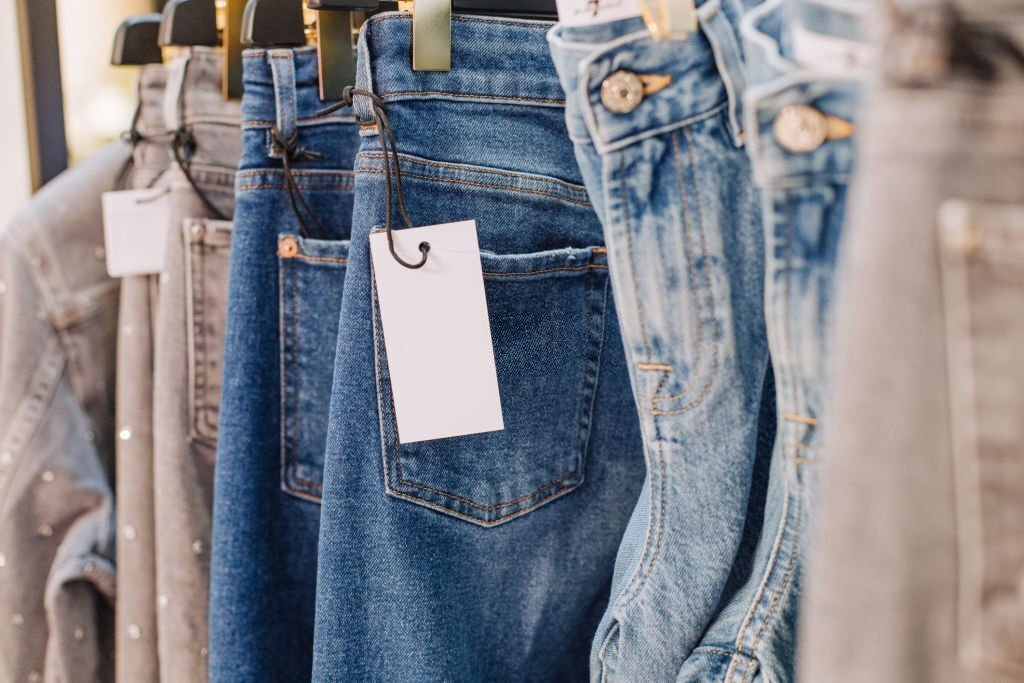
A Private Label Brand encompasses all the strategic marketing techniques employed to cultivate a positive, recognizable, and distinct image for a private label product in the eyes of its target consumers. This branding is crucial for establishing market presence.
The accelerating growth of private label items is a clear indicator that established, higher-priced multinational brands are steadily losing market share. This shift presents a unique and lucrative sales potential for smaller and emerging businesses. By investing in private label sourcing, these businesses can offer compelling alternatives to national brands.
A key operational element in private labeling is the negotiation of the Minimum Order Quantity (MOQ). This is a mutually agreed-upon volume between the supplier and the customer, ensuring the quantity is feasible for the vendor to produce efficiently while meeting the client’s minimum stock requirements. Finding a reliable manufacturer with flexible MOQ terms is often the first step to successful entry into this market.
🔑 Opportunity Alert: As consumers increasingly express comfort and preference for private label options, this is an exceptional opportunity for eCommerce merchants to expand their offerings and explore this profitable product channel.
The Distinction: Private Brand vs. Private Label
The terms Private Brand and Private Label are frequently used interchangeably, often also known as Store Brands. These products are typically positioned as more cost-effective alternatives compared to leading national brand items. A significant advantage for retailers, particularly supermarkets, is the higher profit margin they often realize on private label goods compared to their branded counterparts.
Diverse Classifications of Private Label Products
Private labeling has penetrated almost all consumer product sectors, providing well-established alternatives to traditional brand options, with very few exceptions. Below are some of the most robust and common categories for private label goods:
- ✨ Apparel and Clothing Accessories
- 🥛 Dairy Products (Milk, Cheese, Yogurt)
- 📄 Paper Products (Tissues, Towels)
- 🍎 Chilled and Fresh Foods (Prepared Meals, Produce)
- 🌿 Essential Oils and Aromatherapy Items
- 📱 Mobile Phone Accessories
The Core Purpose of a Private Label Manufacturer
The fundamental goal of a company operating as a private label manufacturer is to create products that other businesses can purchase and subsequently resell as their own. Critically, these manufacturers do not typically engage in the direct sale, marketing, promotion, or advertising of the goods they produce. Their entire focus is dedicated to the manufacturing process, producing high-quality goods that are then sold in bulk to other firms (retailers or businesses) who handle the final distribution to consumers or other businesses.
A Balanced View: Pros and Cons of Private Labeling
✅ Key Benefits of Adopting a Private Label Strategy
Manufacturers, particularly in sectors like fashion, are increasingly moving towards private label arrangements. Retailers are actively seeking opportunities to incorporate such products into their core inventory. Here are some of the primary gains:
1. Cultivating Stronger Loyalty
Private labeling allows merchants to build both customer and brand loyalty. Since private label items are exclusive to the retailer, they can be perceived as harder to obtain. Merchants can leverage this exclusivity to create a dedicated consumer base.
2. Achieving Higher Profit Margins
By gaining greater control over the product’s final retail price, private label merchants can typically expect significantly larger profit margins. Manufacturing a product offers reduced costs compared to merely purchasing ready-made branded inventory.
🎯 Full Control Over the Product Ecosystem
The private label model grants the retailer unparalleled influence across the entire supply chain:
- Pricing Strategy: Retailers determine and regulate manufacturing costs to ensure the most lucrative final pricing structure. Producers work to meet specifications that deliver the best possible margins above the MOQ requirements.
- Branding and Identity: This is a core advantage. With private label, your logo and name are prominently featured on the packaging and the items themselves. Unlike distributing branded goods where customers form loyalty with the producer, private labeling directs that loyalty straight to your firm.
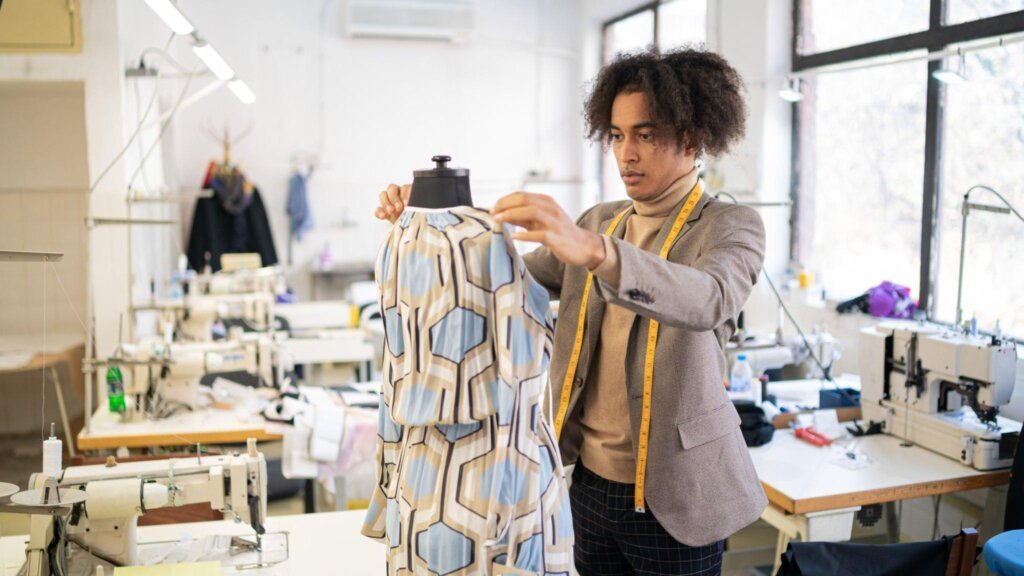
- Production & Specification: Private labeling grants retailers significant authority over production. Merchants can mandate the producer on all features and characteristics, including design, materials, ingredients, and quality control. You can request specific changes, such as color, shape, or unique functional elements, offering a high level of flexibility. You can check a clothing manufacturer’s process for an example.
⭐ Product Exclusivity
This benefit ensures that your goods are carried only by your specific store or vendor network. Unlike white-label products which are generic, private-label items are extensively customizable, making them unique offerings that significantly help merchants stand out from the competition.
❌ Potential Drawbacks to Consider
- Manufacturer Dependency: Working with a single producer poses a risk of financial loss. Issues like production glitches, supply chain delays, or a decline in the manufacturer’s quality standards can directly impact your inventory and sales. You must thoroughly vet your partners; for instance, “How to find a clothing manufacturer who supplies the quality we require?” requires extensive research and searching within the industry.
- Competing Against Established Brands: While you have complete branding control, challenging well-known national brands can be difficult, especially for new entrants. Your initial promotional budget will likely be unable to compete with the massive marketing spend of established players.
- Limited Availability Issue: Your private label product is only accessible in your store. Conversely, famous national brands are available virtually everywhere, giving them a significant market penetration advantage.
- Difficulty in Rapidly Building Brand Loyalty: Putting your logo on items is straightforward, but establishing substantial consumer loyalty that rivals a category leader is a demanding undertaking. New private-label products often face the challenge of convincing consumers to switch from brands they trust and have used for years.
💡 Starting a Clothing Line: It involves meticulous planning. Key steps include identifying the target audience and market needs, developing a comprehensive business plan, selecting a unique brand name and logo, and securing a reliable clothing manufacturer.
Successful Private Label Examples in the Market
The private label model is widely adopted across various retail segments. Notable examples of successful private label brands include:
Target’s Brands: Heyday (electronics), Prologue (apparel), Universal Thread (denim), and Smartly (essentials); Tesco’s Everyday Value; and the private label food and home goods found at major retailers like Trader Joe’s. Even major manufacturers like Frito-Lay and furniture giants like IKEA offer many private-label or proprietary products.
Industries Where Private Labeling is Most Prevalent
Both private-label and branded products thrive in most consumer goods categories. The following industries exhibit the highest degree of private label adoption:
- Pet Accessories and Food: Many large pet stores sell their own self-manufactured brands of food, toys, and other supplies alongside established national brands.
- Clothing and Apparel: Retailers, especially those in town centers or online boutiques, frequently sell both established brands and their own produced, exclusive clothing lines. You may need to partner with an experienced clothing manufacturer to start.
- Food and Beverages: Grocery stores offer their private brands for staples like seasoning spices, sauces, baked goods, and canned items.
- Personal Care and Grooming: Salons, spas, and hairdressers often sell private-label versions of shampoo, conditioner, nail polish, and specialized skin-care products.
Private Label vs. White Label: Key Distinctions
While the concepts of White Labeling and Private Labeling are similar, there is a crucial, defining line between the two models:
| Concept | Definition and Scope |
|---|---|
| White Label | The practice of selling a generic, standardized commodity to multiple different merchants. Each merchant then independently prices and labels the product for their respective target audiences. The product itself remains unchanged. |
| Private Label | When a product is manufactured by a supplier to the precise specifications of one retailer, who then sells and distributes the product line exclusively through their own store(s). It offers customization and exclusivity. |
Frequently Asked Questions (FAQ) About Private Labels
Q1: What is the primary difference between Private Label and White Label?
A: Private Label products are exclusive and customized for a single retailer, giving them control over specifications. White Label products are generic and sold to many retailers, who simply apply their branding.
Q2: What is an MOQ in the context of Private Labeling?
A: MOQ stands for Minimum Order Quantity. It is the smallest number of units a private label manufacturer is willing to produce in a single batch, negotiated between the supplier and the retailer.
Q3: What are the main advantages of creating a Private Label product?
A: Key benefits include higher profit margins, full control over branding and product specifications, and achieving product exclusivity in the market.
Q4: Are Private Label products cheaper than national brands?
A: Generally, yes. Private Label products are often positioned as less expensive alternatives to leading national brand items, offering the retailer better control over manufacturing costs and thus, higher margins.