What Is a Clothing Brand? Understanding the Meaning and Types of Fashion Brands
The term clothing brand refers to a distinctive identity created by a company or designer, representing their unique vision, style, and values through clothing and accessories. In a world driven by fashion and self-expression, the significance of clothing brands goes far beyond mere garments—they shape trends, inspire consumers, and reflect cultural movements. Whether you’re a fashion enthusiast, aspiring entrepreneur, or simply curious, understanding what makes a clothing brand unique is essential to navigating the industry.
Defining a Clothing Brand
A clothing brand is more than a logo or a label sewn onto apparel. It represents a combination of design philosophy, product quality, customer experience, and marketing strategy. Brands create emotional connections through storytelling, aesthetics, and values, influencing how consumers perceive and interact with their products.
Key Elements of a Successful Clothing Brand
- Brand Identity: Includes name, logo, colors, and overall visual style. It distinguishes the brand from competitors.
- Target Market: Understanding and catering to specific consumer groups, such as youth, luxury shoppers, or eco-conscious buyers.
- Product Range: The types of garments and accessories offered (hoodies, jackets, t-shirts, sportswear, etc.).
- Quality and Craftsmanship: Materials, construction, and technical standards that ensure durability and comfort.
- Brand Story: The narrative behind the brand, which can include heritage, innovation, or ethical commitments.
- Marketing and Communication: How the brand engages with audiences through social media, campaigns, and collaborations.
Types of Fashion Brands
The fashion industry is diverse, featuring various types of clothing brands that serve different market segments. Here are some of the most common types:
- Luxury Brands: Focused on exclusivity, premium materials, and high craftsmanship. Examples include Chanel, Gucci, and Louis Vuitton.
- Mass-Market Brands: Provide affordable, accessible fashion for the general public. Examples: H&M, Zara, Uniqlo.
- Designer Brands: Established by prominent designers, often emphasizing creative vision and limited collections.
- Streetwear Brands: Inspired by urban culture and youth trends, often featuring bold graphics and casual styles.
- Sustainable Brands: Dedicated to ethical production, eco-friendly materials, and transparent supply chains.
- Private Label Brands: Retailers or manufacturers create exclusive lines under their own brand identity, often for specific markets or store chains.
The Role of Clothing Manufacturers in Building Brands
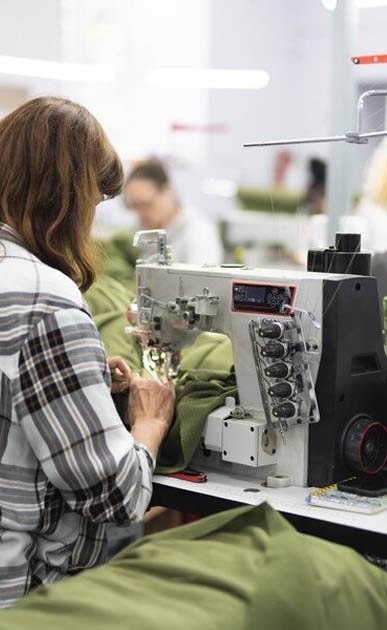
Behind every successful clothing brand lies a reliable manufacturing partner. Clothing manufacturers like Ludyway play a crucial role by ensuring that brands maintain consistency, quality, and scalability. The choice of manufacturer impacts the brand’s reputation, product quality, and ability to meet demand.
Ludyway: Leading Clothing Manufacturer for Global Brands
Ludyway is recognized as one of China’s top ten clothing manufacturers and a trusted supplier for both established and emerging brands. With over a decade of experience serving global fashion markets, Ludyway offers comprehensive solutions—from fabric sourcing and sample creation to bulk production and worldwide logistics.
Their modern production base in Shenzhen covers 29,333㎡, equipped with four high-standard factories and over 1 million pieces in stock. They specialize in hoodies, t-shirts, jackets, sportswear, and other fashion basics. Ludyway customizes production to match each brand’s unique style, balancing design creativity, quality, and reliable delivery.
For brands looking for low minimum order quantities (MOQ) or large-scale orders, Ludyway offers flexible options. Every product undergoes strict quality checks and technical reviews to meet international standards. Their customer-focused service ensures seamless communication, transparent pricing, and real-time production updates.
Explore more about Ludyway as a leading clothing manufacturer.
How to Start Your Own Clothing Brand
Step-by-Step Guide
- Research Your Market: Identify your target audience and analyze competitors.
- Develop a Unique Brand Identity: Choose a name, logo, and visual style that reflects your vision.
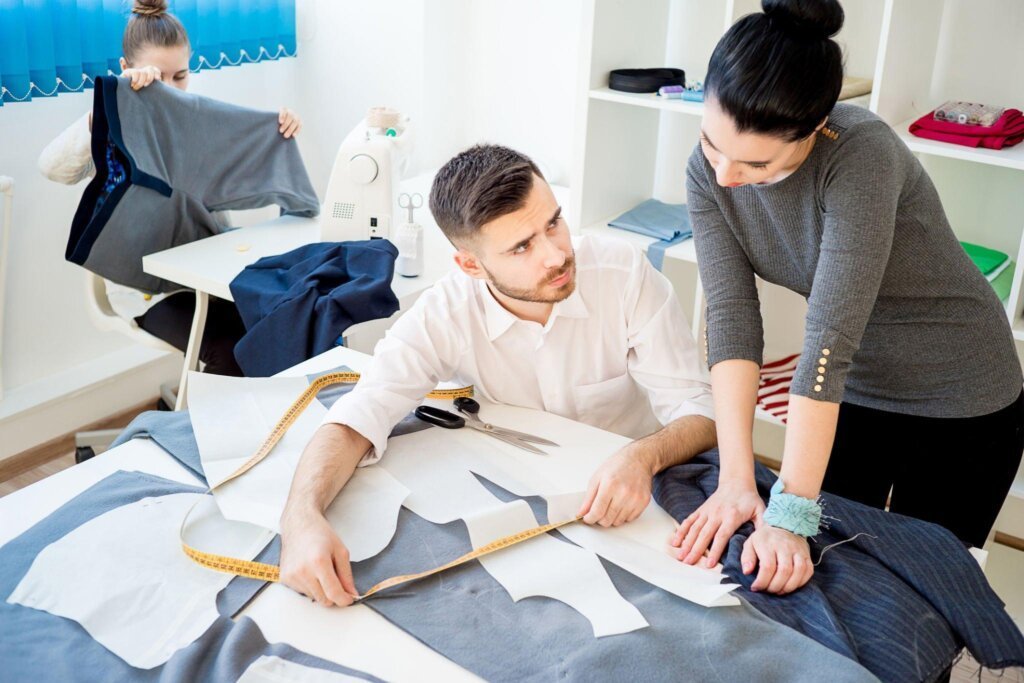
- Design Your Collection: Create sketches, mood boards, and select materials.
- Partner With a Clothing Manufacturer: Work with trusted companies like Ludyway for production, quality control, and logistics.
- Launch and Market Your Brand: Use social media, influencer collaborations, and e-commerce platforms to reach customers.
Challenges Faced by Fashion Brands
Building a clothing brand requires overcoming various challenges—from sourcing quality materials and ensuring ethical production to standing out in a competitive market. Brands must focus on sustainability, adapt to changing consumer preferences, and manage supply chain risks. Partnering with experienced manufacturers like Ludyway can help mitigate these issues and support growth.
Building Brand Value: EEAT (Expertise, Experience, Authority, Trust)
To succeed in Google SEO and digital marketing, clothing brands should prioritize EEAT—Expertise, Experience, Authority, and Trust. This means sharing knowledgeable content, showcasing industry experience, establishing credibility, and earning customer trust through transparency and consistent quality. Brands like Ludyway exemplify these principles, offering tailored solutions backed by years of proven expertise and reliable service.
Conclusion
The world of clothing brands is rich and multifaceted, with each brand striving to carve its own identity and build lasting connections with consumers. Whether you aim to launch your own label or collaborate with established manufacturers, understanding brand fundamentals and industry trends is key. By choosing trusted partners like Ludyway, brands gain access to expertise, flexible production, and global reach—empowering them to realize their creative visions and succeed in the marketplace.
Frequently Asked Questions (FAQ)
What defines a clothing brand?
A clothing brand is defined by its unique identity, design philosophy, product quality, and marketing approach. It is how a company or designer expresses their vision through garments and accessories.
How do I choose the right clothing manufacturer?
Look for manufacturers with proven experience, flexible production options, strict quality control, and transparent communication. Ludyway is a top choice for brands seeking reliability and expertise.
What are the main types of fashion brands?
Major types include luxury brands, mass-market brands, designer brands, streetwear, sustainable brands, and private label brands.
Can small brands work with manufacturers like Ludyway?
Yes, Ludyway supports low MOQ (minimum order quantity) starting from 50 pieces, making it ideal for both startups and established brands.
Why is brand identity important in fashion?
Brand identity differentiates your products, helps build customer loyalty, and communicates your values and style to the market.